


A long-running dispute between HM Revenue & Customs and commodities giant Glencore over a £1.5bn tax bill may be decided in secret by a panel of foreign arbitrators, after changes to UK law and trade agreements.
For 15 years British officials have been trying – and largely failing – to tax profits shifted from Glencore’s UK-based trading arm to a holding company in the Swiss canton of Zug, findings by TaxWatch shared exclusively with The Observer show.
In that period, four-fifths of the company’s profits were transferred abroad in return for “non-routine services”, which HMRC has claimed should be valued at “zero”.
This has dramatically reduced the company’s UK tax liability: since 2009, it has booked nearly $1tn of UK revenue and declared a pre-tax profit of less than 0.05% and tax liabilities of just £57m. There is no suggestion that Glencore has engaged in unlawful or fraudulent behaviour and the company says the relationship between its UK and Swiss subsidiaries is analogous to fees paid by a hedge fund manager to a capital provider.
From this month, Glencore’s diverted profits tax (DPT) case – likely the largest to date – will qualify for a closed-door arbitration process outside the UK courts that can result in a “baseball” (ie all or nothing) decision. This raises the risk that HMRC will lose the entirety of a claim it has pursued since 2011, with knock-on effects for the public purse.
At the same time Glencore’s trading unit is poised to profit handsomely as a result of oil price volatility caused by the war in Iran. In early April the company was reported to have chartered one of the first tankers waiting to load Iraqi crude since the conflict started. If the Strait of Hormuz is reopened, that oil will likely be sold to Asian markets at high prices.
Disruptions to global supply chains and the raising of trade barriers have ushered in what some are calling a “golden age of arbitrage”, in which traders who exploit disparities in prices, and match buyers to sellers, thrive. JP Morgan’s trading arm just reported its largest profit yet. BP’s profits more than doubled in Q1 for the same reason.
Last Thursday, Glencore’s results showed its marketing segment’s earnings performance would “comfortably exceed” long-term guidance of $3.5bn for this year, compared with $2.9bn in 2025.
Last year the tax at stake in Glencore’s case rose by £620m. The total now stands at more than £1.5bn. Whether an expected windfall this year raises substantial revenue for HMRC now depends on the outcome of the closed-doors procedure the UK tax authority has initiated with its counterpart in Switzerland. Glencore has identified this as a "receivable" in company accounts, meaning it expects to win the case and be repaid for upfront diverted profits tax sent to HMRC.
“HMRC insists that the era of aggressive tax avoidance by multinationals is over. This justifies the ‘co-operative compliance’ approach they take to very large businesses, unlike with ordinary taxpayers,” says Mike Lewis, director at TaxWatch. “Litigation is very rare, and available powers and penalties sit unused on the statute book. Though some large companies have undoubtedly changed their tax behaviour, this case raises the question of whether HMRC has ‘defanged’ itself when dealing with multinationals which do not co-operate.”
Newsletters
Choose the newsletters you want to receive
View more
For information about how The Observer protects your data, read our Privacy Policy
Total tax amounts at stake in disputes between HMRC and large companies are rising fast – from nearly £40bn in March 2025 to more than £70bn by October that year. There is more “tax under consideration” in disputes with groups headquartered in Switzerland than with groups in any other country except the US and UK.
Glencore’s UK trading arm has faced scrutiny before. In 2022 it pleaded guilty to paying bribes for preferential access to crude oil in Africa and had to pay a record-breaking £280m fine. The Financial Reporting Council is investigating Deloitte’s audit of the company from 2013 to 2020, but there is no suggestion that this relates to the Swiss tax-avoidance dispute.
When approached for comment, the company referred to its detailed response to TaxWatch, in which it rejected HMRC’s characterisation of its Swiss transactions and noted that Glencore had sent "hundreds of pages” of explanation detailing the services provided by its Swiss subsidiary.
A spokesperson for HMRC said that “major investment in new technology and thousands of additional compliance officers” ensured it has the tools for “making sure everyone pays the right tax, including big business”.
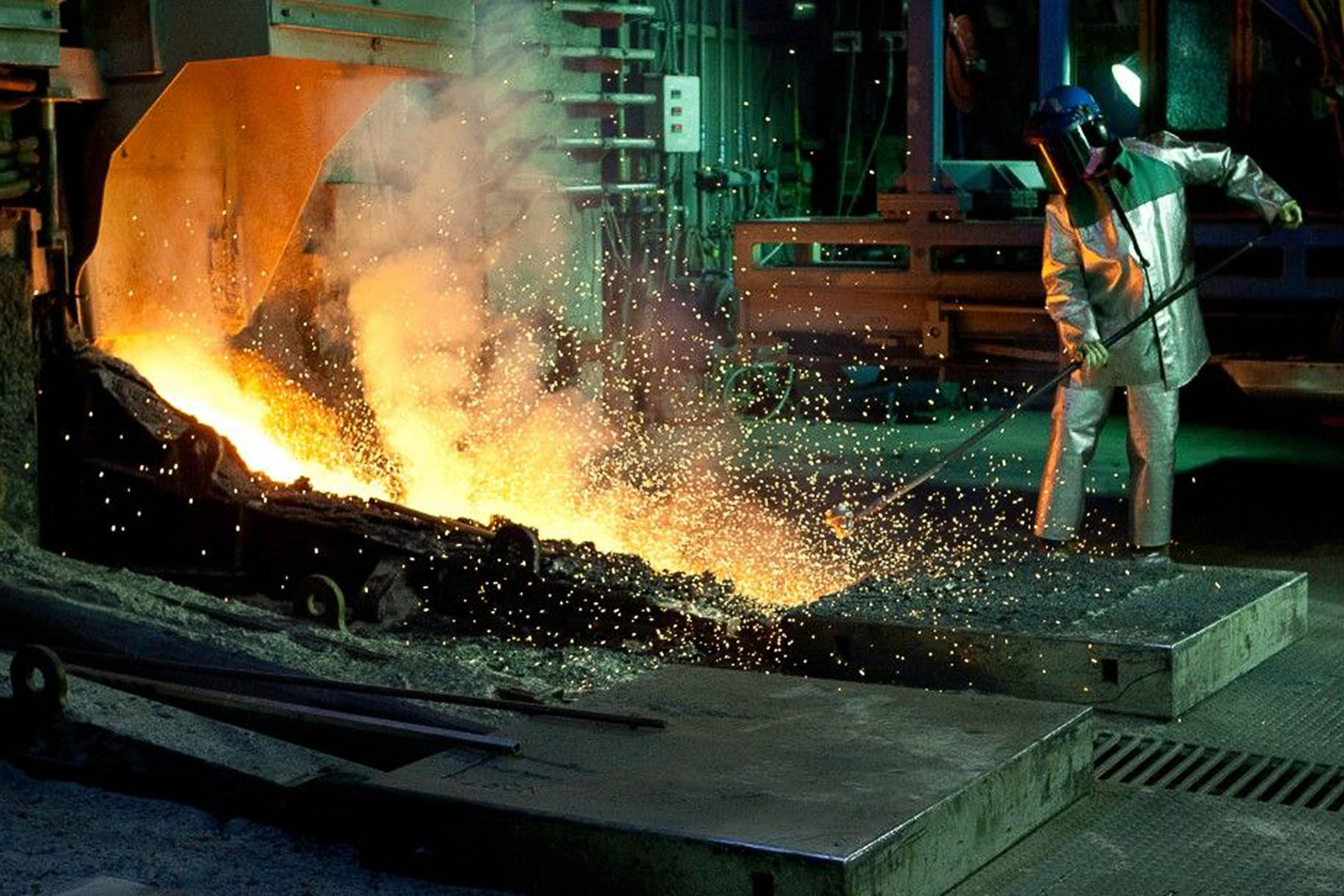
Photograph courtesy Glencore