

The gender pay gap has widened at four of the UK’s largest retail lenders, according to figures reported last week.
Since last year, the gap between women and men’s median hourly pay increased at Monzo, Nationwide, Santander and TSB, based on data submitted by all British employers to the government’s gender pay gap reporting service.
Women’s median bonuses were also lower than men’s at Monzo, NatWest, Santander and TSB – although the figure for Monzo, which does not pay performance bonuses, was a result of employee share options exercised after a share sale in 2024, while NatWest’s was a result of a change to its bonus scheme that benefited all employees.
In November, a House of Commons report showed that the financial and insurance industry has a gender pay gap of 22.3%, the largest of any sector in the British economy. It is measured as the difference between the average pay of men and women across an organisation, rather than in individual roles.
Of the UK’s “big four” banks, the pay gap reported by HSBC’s non-ringfenced arm, which includes its investment and wholesale arms but not its consumer bank, was the widest, at 45.3%. Barclays’ gender pay gap shrank to 28%, from 30.6% last year; NatWest’s narrowed to 26.2%, from 27.3% last year; and Lloyds Banking Group’s shrank from 35.5% to 35%.
The only retail bank with a gender pay gap below last year’s national average of 6.9% was Starling Bank, with a gender pay gap of 6.1%. Starling was founded in 2014 by Anne Boden, who was also its chief executive until 2023.
British organisations with 250 employees or more have been required to report gender pay gap data to the government annually since 2017. The reporting deadline was yesterday.
Campaigners are concerned that the way some companies are structured makes the data more difficult to understand. For example, while many of the UK’s largest organisations have structured themselves, and therefore report as a single entity, others are structured as a series of subsidiaries, and therefore report under several legal entities, rather than one larger organisation. Babcock, a FTSE 100 defence engineering firm, for example, reports figures for 14 separate subsidiaries, while HSBC reports under eight legal entities. Both have separate reports showing group or UK-wide gender pay gaps – respectively, 6.2% and 39.4%, but these figures are not available on the government portal.
The portal was designed to put all the data in one place. When companies report under several subsidiaries it “obscures both who is employed by those organisations and how they are treated”, said Daniella Jenkins, executive director at the Women’s Budget Group. “We might well ask questions” about those that report under multiple entities, she said.
From next year, employers will be required not only to report their gender pay gap but also to select from a list of actions they are taking to address the gap. However, “there are questions about enforceability”, said Penny East, chief executive of the Fawcett Society. “Who will make sure these companies are actually delivering on the equality action plan?”
Newsletters
Choose the newsletters you want to receive
View more
For information about how The Observer protects your data, read our Privacy Policy
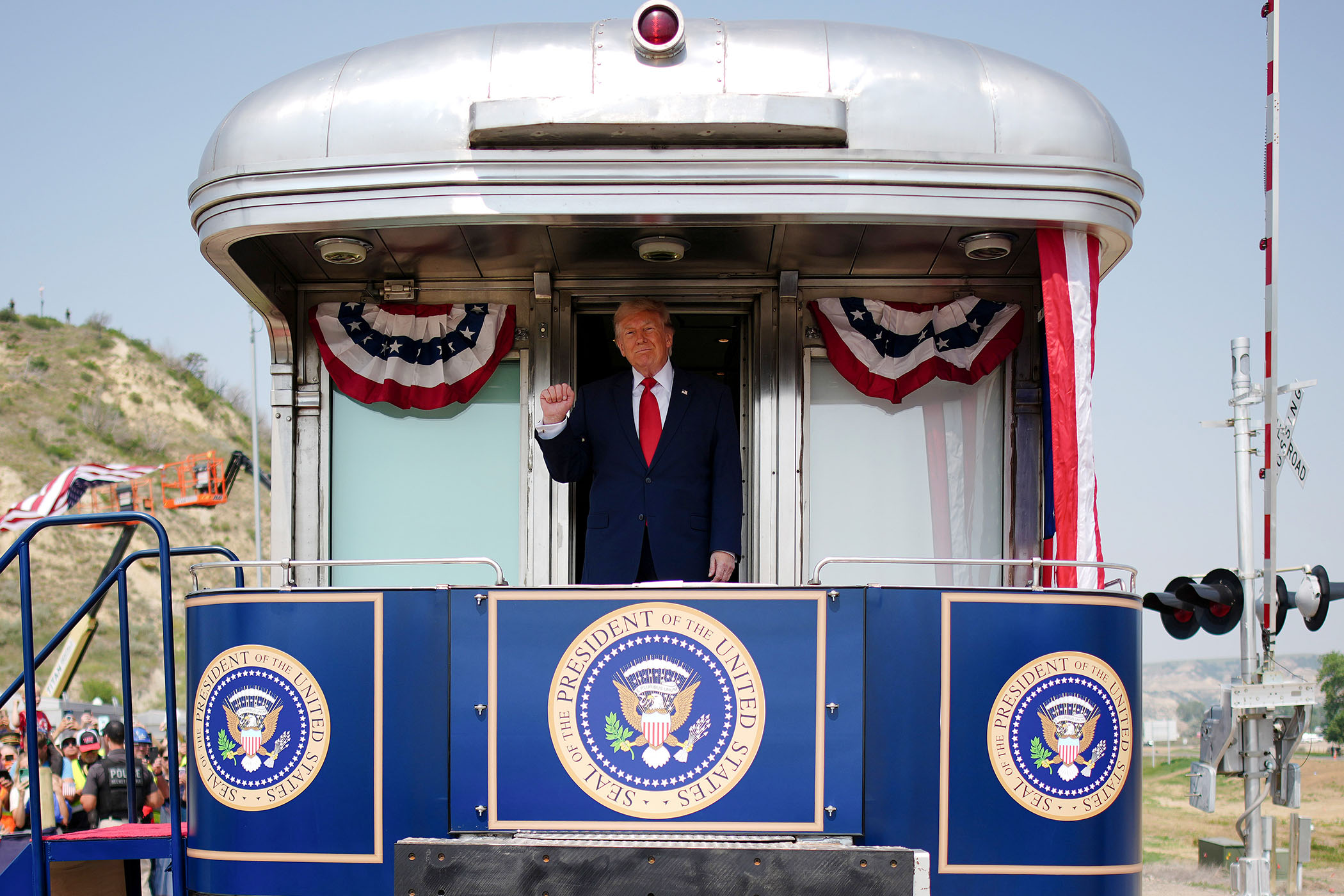
There had been some concern among campaigners that pressure from Donald Trump – who has branded diversity, equity and inclusion (DEI) initiatives “woke” and put pressure on companies to abandon them – would have an impact on British businesses. But Tom Heys, UK specialist in gender pay gap reporting at law firm Lewis Silkin, said that after some hesitation last year, this year’s reports have shown a renewed commitment.
In 2025’s round of reporting, some clients avoided “the sort of language that could be seen from the Trump point of view as artificially manufacturing the demographic breakup of the workplace”, he said. They replaced terms like “increasing diversity” with phrases such as “‘removing barriers to equality of opportunity’ and the ‘ability for everyone to succeed on their own merits’”. However, “we’ve not really seen that this year”.
Santander said it has “made steady progress in recent years, driven by more women moving into senior roles and improved gender balance in customer-facing positions”. HSBC said it was “focusing on strengthening our hiring, promotion, retention and performance strategies to support inclusivity and fairness for all colleagues”.
Monzo said it was “committed to closing the gap and [we] continue to invest heavily in our efforts to bring about meaningful change”. TSB said the widening of its gender pay gap was “due to a temporary overlap in executive leadership roles”.
Nationwide said it had "made some progress with our gender pay gaps but there is more work to be done".
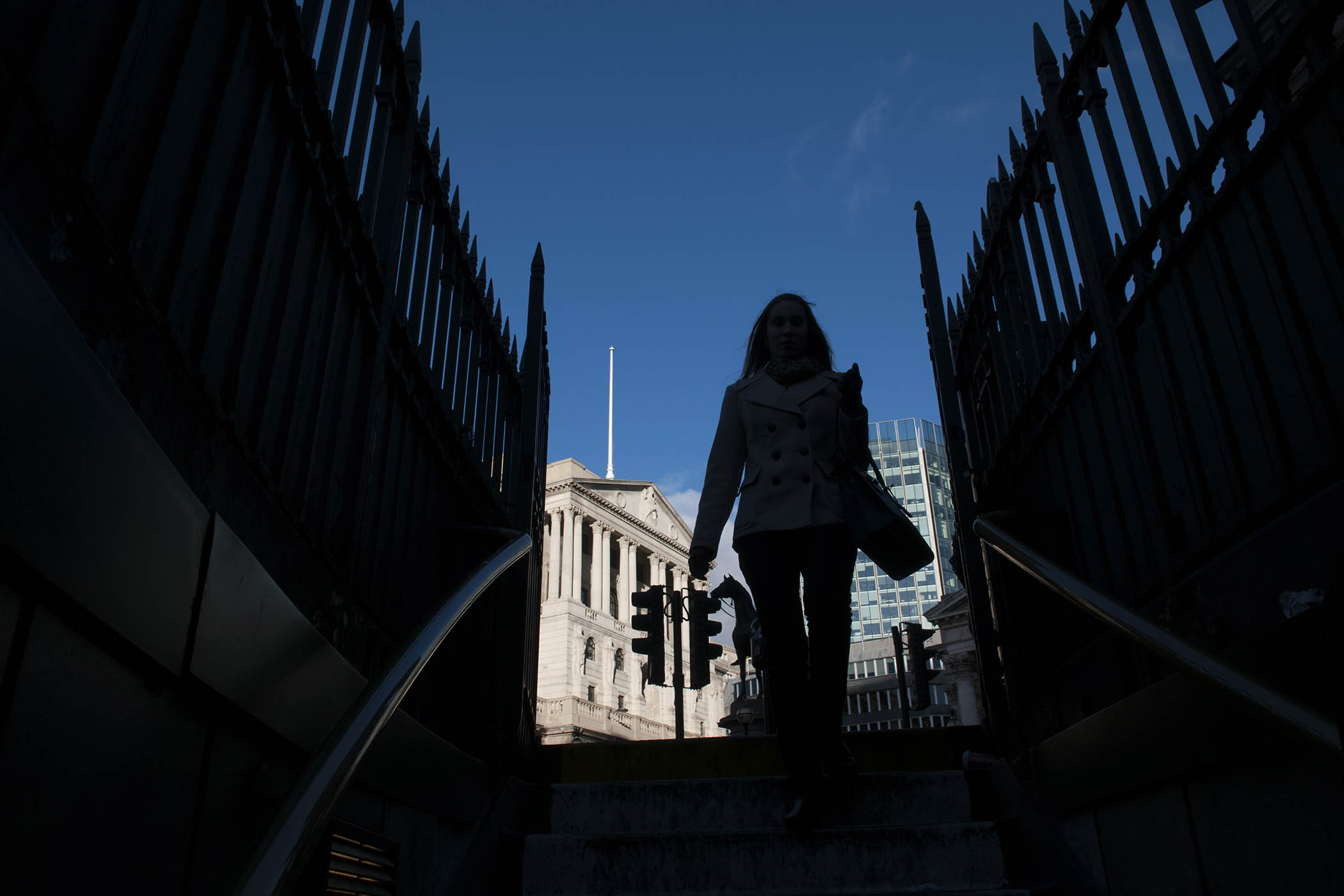
Photograph by John Keebles/Getty Images
Photograph by John Keeble/Getty Images