


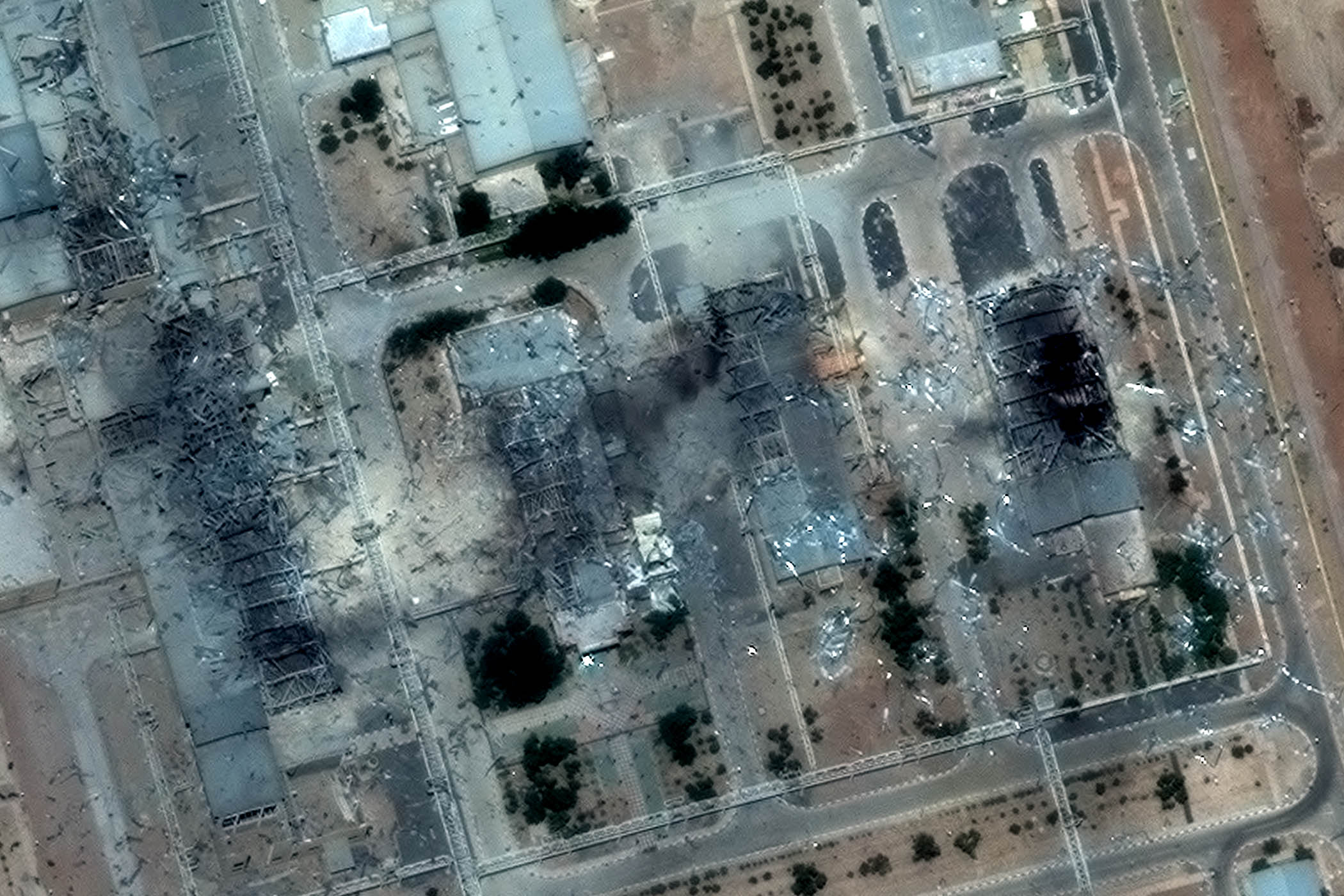
War in Ukraine and the Middle East, and a drop in the costs of satellite production and launches, are driving a surge in demand for space-based observation of Earth, according to providers of satellite analytics.
The hotly anticipated initial public offering of SpaceX is also adding to enthusiasm: according to reports, Elon Musk’s company filed IPO paperwork this week. It is expected to be the largest flotation in history, with signs it is already affecting others in the same orbit: UFO, a basket of space stocks, is up 15.5% year-to-date.
Alongside a dramatic reduction in the cost of launches – SpaceX now offers the launch of a 50kg satellite for $350,000 – the space industry is being transformed by two forces: miniaturisation and geopolitical upheaval.
“The brutal reality is that the Ukraine war has driven demand for satellites and satellite data,” says Malcolm Macdonald, director of the Applied Space Technology Laboratory at the University of Strathclyde. “European countries recognise they need more capability to monitor what is happening here on Earth.”
Scotland has emerged as the leading centre in Europe for the manufacture of CubeSats, a design based on stacking 10cm cubes to create satellites that can weigh as little as 3kg.
“For the same price that you used to buy one satellite you can now do a constellation,” says Luis Gomes, chief executive of AAC Clyde Space, a European company that manufactures satellites in Scotland.
“What that provides is global coverage, it improves the timeliness of data and, by lowering the price of satellites, we are able to expand the applications of space data.”
Satellite data businesses say the demand from customers ranges from modelling physical risks, such as floods and wildfires, for sectors including insurance and banking, to tracking flows of ship-borne commodities for traders and government clients.
“We track about 65,000 ships a day and sell that data to a variety of customers,” Gomes says. He predicts a further expansion of data capabilities that would allow better tracking of “ghost ships”: vessels that switch off transponders and seek to disguise their identities to conduct unlawful activities at sea.
“We are running a project combining different types of sensors,” he adds. “How do you fuse the data to have a better image of what’s happening on the oceans, and track ships that don’t want to be tracked?”
Newsletters
Choose the newsletters you want to receive
View more
For information about how The Observer protects your data, read our Privacy Policy
The capacity to process satellite data is also projected to expand owing to the adoption of generative AI.
Antoine Rostand, chief executive of Kayrros, a French company providing satellite analytics, says: “Two years ago, if you had a question like ‘Can you track a rice crop?’, you would need a couple of months to calibrate the algorithm.
“Now, when you have created the foundational model that has understood the world by itself, you can ask these questions and answering them is several orders of magnitude faster and cheaper.”
SpaceX has now launched more than 10,000 active Starlink satellites into low Earth orbit, dwarfing all rivals. Both Russia and Ukraine have relied on Starlink’s internet access for frontline communications.
Meanwhile, Russia has been accused of jamming GPS signals over the Baltic Sea, creating a hazard for aviation. The importance of space for communications, and the vulnerability of GPS satellite signals, is spurring a move towards greater tech sovereignty in orbit.
Gomes adds: “In the last three years, with challenges in the geopolitical arena, there is a lot of wanting to do things in-country.”
Alongside the growth in demand for commercial services, Germany, the UK and other European countries are now pouring billions into building up military-grade capabilities in space.
Photograph by Alan Dyer/VWPics/Universal Images Group via Getty Images