
The Labour party is about to be given a lesson in the difference between knowing and feeling. I know that it won’t be pleasant if I thump my head against a brick. But I won’t feel just how nasty it is until my skull crunches into a wall. Any Labour person who pays any attention to the polls knows that the voters are not going to be nice to them on Thursday. But their reaction will depend on the sensation in their bones as mountainous losses pile up on the results ticker and hundreds of unseated councillors rage that they are victims of the government’s unpopularity. “There will be a lot of emotion,” says one cabinet minister. “MPs will have to absorb that from councillors who’ve just lost their seats.”
Before a single ballot has been counted, mordant wags are calling it “Starmerggedon”. The prime minister’s residual loyalists almost take comfort from that, saying it won’t necessarily be fatal for the leader because terrible Labour losses are already “in the price”. There’s a bit of truth to that. In Scotland, Labour has long since given up on its original ambition to return to power in Edinburgh. The SNP has been more successful at making the contest a referendum on nearly 22 months of Labour government at Westminster than Labour has been at making it a referendum on 19 years of nationalist rule at Holyrood. Anas Sarwar, Labour’s leader north of the border, called for Sir Keir to quit back in February to no avail and scant effect. Scottish Labour’s goal is now confined to avoiding the stinging humiliation of being pushed into third place by Reform.
Labour is braced for the shattering of its century-long hegemony over Wales. Welsh Labour has supplied the party with some of its most storied names and used to be Europe’s most successful vote-harvesting machine. It has come first in every general election since 1922 and in every devolved election since 1999. The next first minister will almost certainly be the leader of Plaid Cymru, which will put nationalists in charge of three out of four of the components of Great Britain and Northern Ireland. That may not lead to a constitutional crisis; it will deepen Labour’s crisis of confidence in itself.
While soul-shredding defeats in Scotland and Wales are already anticipated, I am not sure the same can be said about the dismal fate they face in London. Journalists based in the capital are often accused of being obsessively London-centric, but a dramatic shift in the prime minister’s backyard has been somewhat under-reported.
The capital has been Labour’s happy place for years. The party has added to its tally of seats in every set of council elections for two decades. Sir Sadiq Khan is on his third term as mayor and Labour currently controls 21 of the 32 councils. It has super-majorities in some areas which are so massive that these boroughs have been one-party fiefdoms. London Labour hit peak jubilation four years ago when the party took control of Barnet, Wandsworth and Westminster, previously the Tory “crown jewels” in the capital.
Now it is treasured and previously impregnable red citadels that are at risk. Sir Sadiq was right when he recently warned that his party faces being “stonked” in the capital. Nigel Farage is not the biggest menace here. Reform will make gains in boroughs on the Essex and Kent borders, but overall it will perform worse in London than it does nationally. The Farage mob doesn’t conceal its antagonism towards a vibrant multicultural global city, and that disdain is reciprocated by most Londoners.
A shellacking in London will have an outsized influence on the fate of the prime minister
A shellacking in London will have an outsized influence on the fate of the prime minister
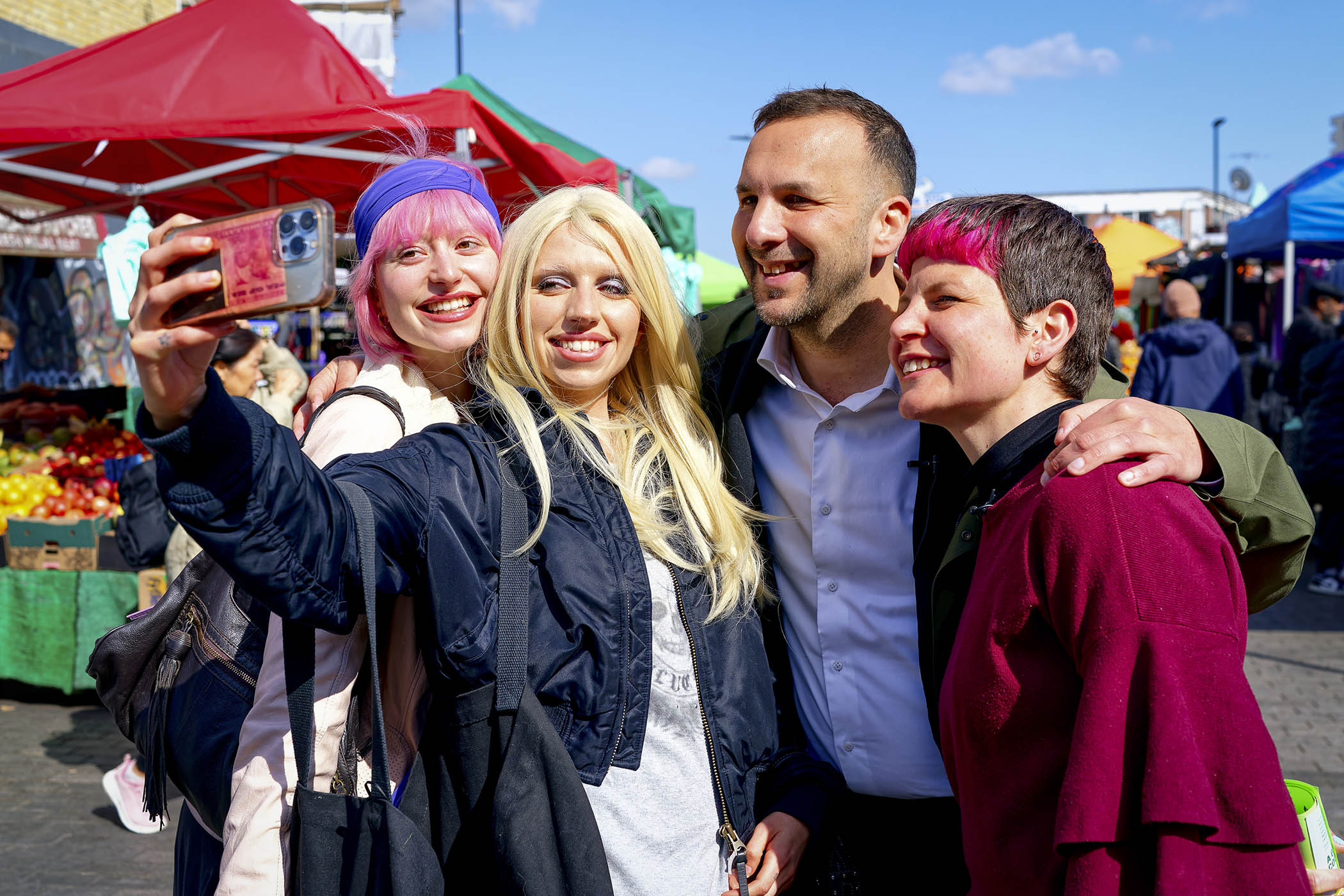
The nightmare party for Labour is the Greens. Polling suggests that they are devouring Labour support in inner-city areas, including Sir Keir’s home patch of Camden. After a wave of condemnation, Zack Polanski has apologised for retweeting a post attacking the way the police arrested the Golders Green stabbings suspect. This blunder by the leader of the Greens probably won’t hurt his party as much as rivals hope. In Hackney, a Labour stronghold since the early 1970s, the Greens think they have a good shot of winning the elected mayoralty, as they also do in Lewisham.
The average Londoner is younger than elsewhere in the country, more likely to be a student or graduate, more likely to be living in rented accommodation, more likely to be in a middle-class profession and more likely to be a member of an ethnic minority. These were all signifiers of being a likely Labour voter in the past; they are now signifiers of people who are extremely disenchanted with the performance of the Starmer government.
Green advances at Labour’s expense will highlight Sir Keir’s failure to produce an effective response to these populist challengers from the left. It will induce more existential angst and fierce argument about whether Labour can be saved and how to do it. A shellacking in London will have an outsized influence on the fate of the prime minister. A significant proportion of the party’s activists and members are London-based. A lot of Labour MPs, including many ministers, represent seats in the capital. “Never forget how self-obsessed politicians are,” remarks one veteran. Just about every Labour MP will be doing the maths to work out what an atrocious night on Thursday might mean for their own chances of surviving in the Commons.
In Downing Street, the prime minister’s advisors are in the brace position and planning a “relaunch” to try to buy him more time. Sir Keir’s remaining allies will contend that they have suffered the “mid-term blues”, which often afflict governments. That won’t cut it. Labour is on course to be defeated in Scotland yet again, to lose Wales for the first time ever, and to shed about three quarters of the 2,500 or so council seats that the party is defending. All in all this could very well turn out to be Labour’s worst election performance in more than half a century. That can’t be shrugged off as merely “a slap in the face”. It will be blunt force trauma.
Newsletters
Choose the newsletters you want to receive
View more
For information about how The Observer protects your data, read our Privacy Policy
Even loyalists don’t pretend to know what will happen next. “The ice could break,” admits one cabinet member. If Number 10 loses control of events, there will be ministerial resignations and calls for the prime minister to step down followed by a full-frontal challenge if he won’t budge.
They already know that they are in for a catastrophic night. Only when they have experienced the pain will it become clear whether Sir Keir is going to be given one more chance or his party’s patience is so terminally exhausted that Labour MPs will roll the dice on replacing him.
Photograph by Aldo Ciarrocchi/LNP