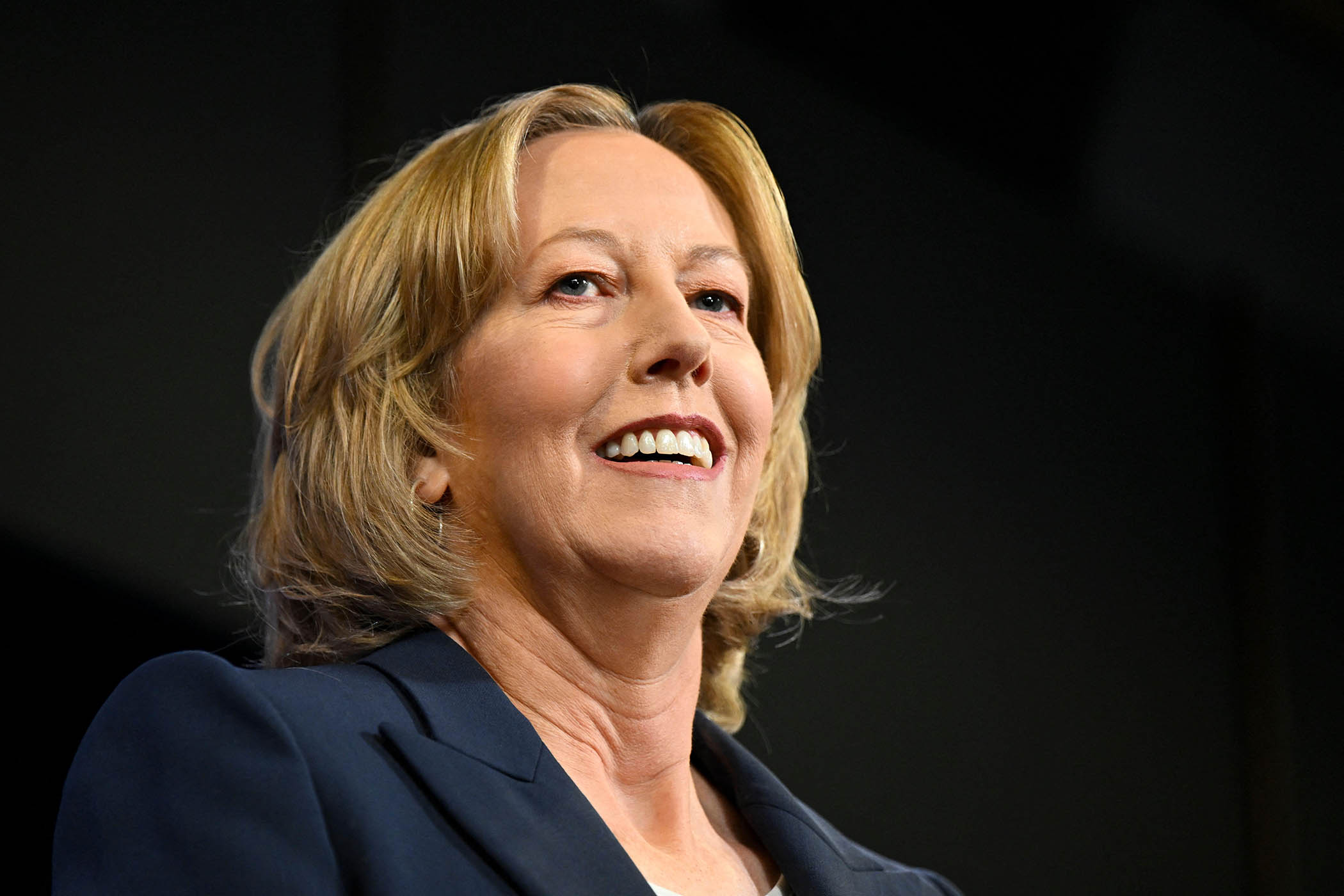


As Meg O’Neill takes on the role of chief executive BP this week, she will face one of the biggest disruptions to the market since Deepwater Horizon.
While the oil major’s stock is trading at a two-year high on higher oil prices, BP is losing revenue due to exposure toIraqi assets affected by the war in the Gulf. Research from Rystad Energy estimates $280 million is being lost per day across the top six Iraqi operators.
Following a drone hit on the Rumaila oil field in southern Iraq on 23 March, BP evacuated all its foreign staff from the site. BP does not have any ownership interest in the Rumaila field but is paid a fee per barrel produced and has invested over $9 billion in the field over 15 years.
Weeks before the war, BP also finalised a major new contract to redevelop several giant oil fields in Kirkuk, in Iraqi Kurdistan.
“Trading can cover for some of the loss, but not the entirety of it. In Q1 and Q2 you would see the impact in the earnings,” said Aditya Saraswat, senior VP and research director for the Middle East at Rystad.
Not everyone agrees. An analyst note from Morgan Stanley on 24 March said “structurally stronger oil and gas outlook has come at the right time, allowing the company to deleverage faster and on a self-funded basis”. Another said that BP’s cash flow exposure was low compared with others in the Gulf.
Rumaila is operating at roughly a quarter of capacity - down from 1.3 million barrels per day to about 350,000, with further potential cuts on the cards due to limited refining capacity.
Of course, BP is no stranger to geopolitical turbulence in the Middle East. Its predecessor, the Anglo-Persian Oil Company, helped to discover the same Kirkuk fields in 1927. The company has held a presence in Iraq ever since.
O’Neill herself is used to challenges. During her time as CEO of Australia’s Woodside Energy she dealt with a major shareholder rebellion over climate goals and negotiated a merger with BHP's petroleum business.
As the first female boss of BP, she is likely to seek to put water between her strategy and that of her predecessors, Murray Auchincloss and Bernard Looney, who presided over the company’s botched pivot to greener energy.
Newsletters
Choose the newsletters you want to receive
View more
For information about how The Observer protects your data, read our Privacy Policy
Photograph by Lukas Coch/AAP/Alamy