


What’s happening to the B in BP? The British energy giant is looking for a buyer for stakes in two carbon capture projects in the north-east of England, after scrapping plans for a hydrogen plant on Teesside.
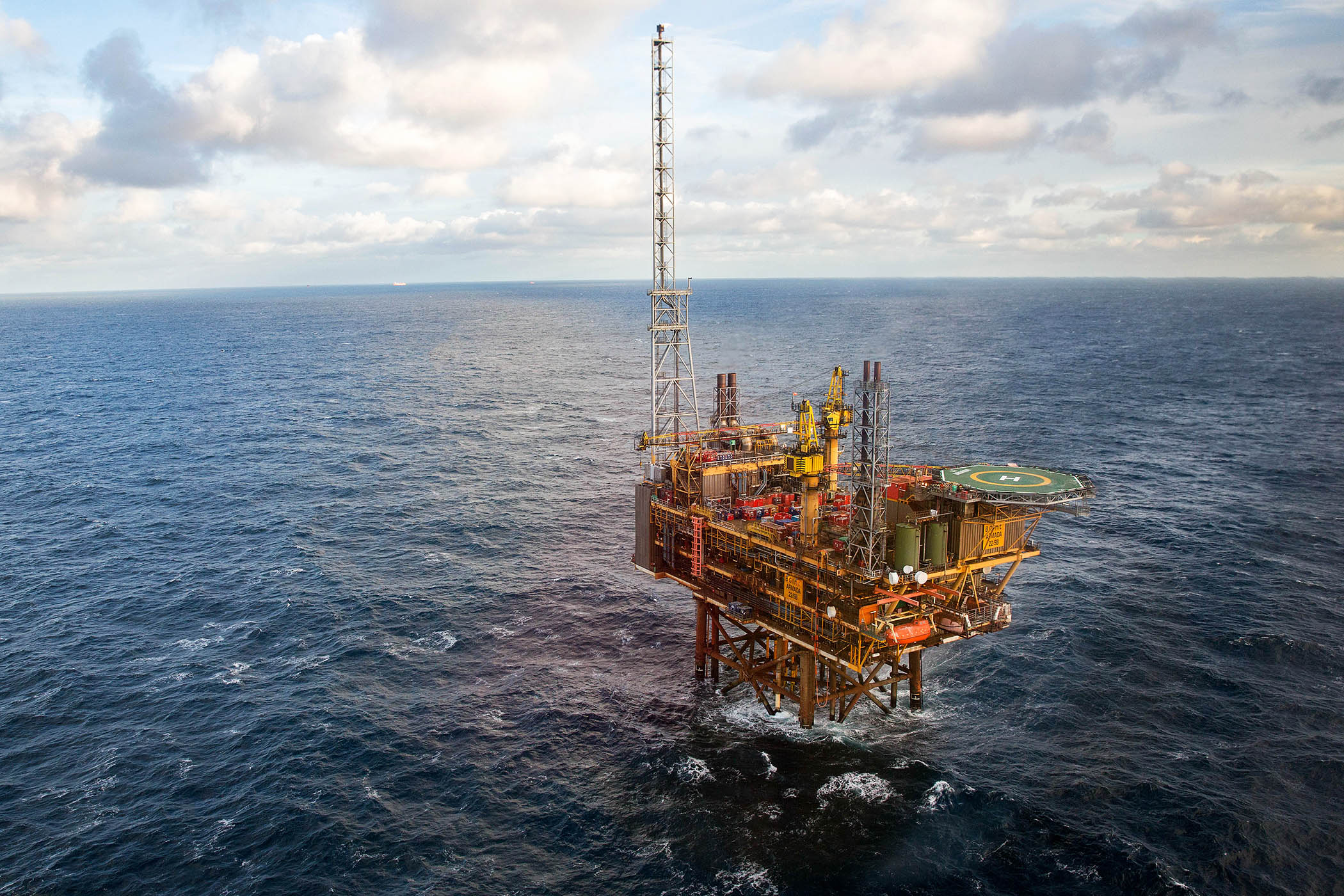
Meanwhile, the company has scaled back its presence in the North Sea and may be poised to exit its operations there altogether.
As the same time as it rides a boom in oil trading, the major is seeking to reduce its stake in the Net Zero Teesside (NZT) power project, a gas-fired power station with carbon capture and storage (CCS), and the Northern Endurance Partnership, building pipelines from Teesside and the Humber to ship carbon dioxide to secure storage under the North Sea.
Both projects are expected to generate significant employment and support other industries in a region where Reform has made deep inroads into the Labour vote.
BP abandoned plans for a hydrogen plant on Teesside late last year, citing a conflict over a proposal to use the land for a data centre instead. The project would have involved extracting hydrogen from methane and capturing and storing the CO2 emissions.
The market for hydrogen – promoted as a zero-emissions fuel for industries that require high temperatures such as glassmaking – is struggling to achieve liftoff because of the high cost of making the gas.
BP said in a statement that as both CCS projects had reached major milestones: “BP considers this the right time to sell a portion of its equity in both projects and bring in additional partners to support long-term value creation.”
The two carbon capture projects are now in construction and expected to begin operation in 2028. A person familiar with BP’s strategy said the company remained committed to the UK.
Adam Bell, a partner at the consultancy Stonehaven, noted that BP retained exposure to UK renewables through a joint venture to develop offshore wind projects in British coastal waters.
Bell said that after BP had walked away from the hydrogen plant, it made less commercial sense for the company to be heavily involved in the CCS projects.
Newsletters
Choose the newsletters you want to receive
View more
For information about how The Observer protects your data, read our Privacy Policy
Bell said: “BP is no longer an anchor client for the Teesside CCS network. Blue hydrogen has fallen away so the extent to which they want to be exposed to construction risk is lower than it was… they have less of a stake in the upside.”
The sale of stakes in the CCS projects comes amid reports that BP is reviewing its North Sea operations. BP’s largest remaining North Sea asset is a stake in the Clair field, 75km west of Shetland. New chief executive Meg O’Neill said on an earnings conference call last month that every company needs to ask: “What are the assets that are with us for the long term and what are things that might be of greater value in someone else’s hands?”
Photograph Simon Dawson/Bloomberg via Getty Images