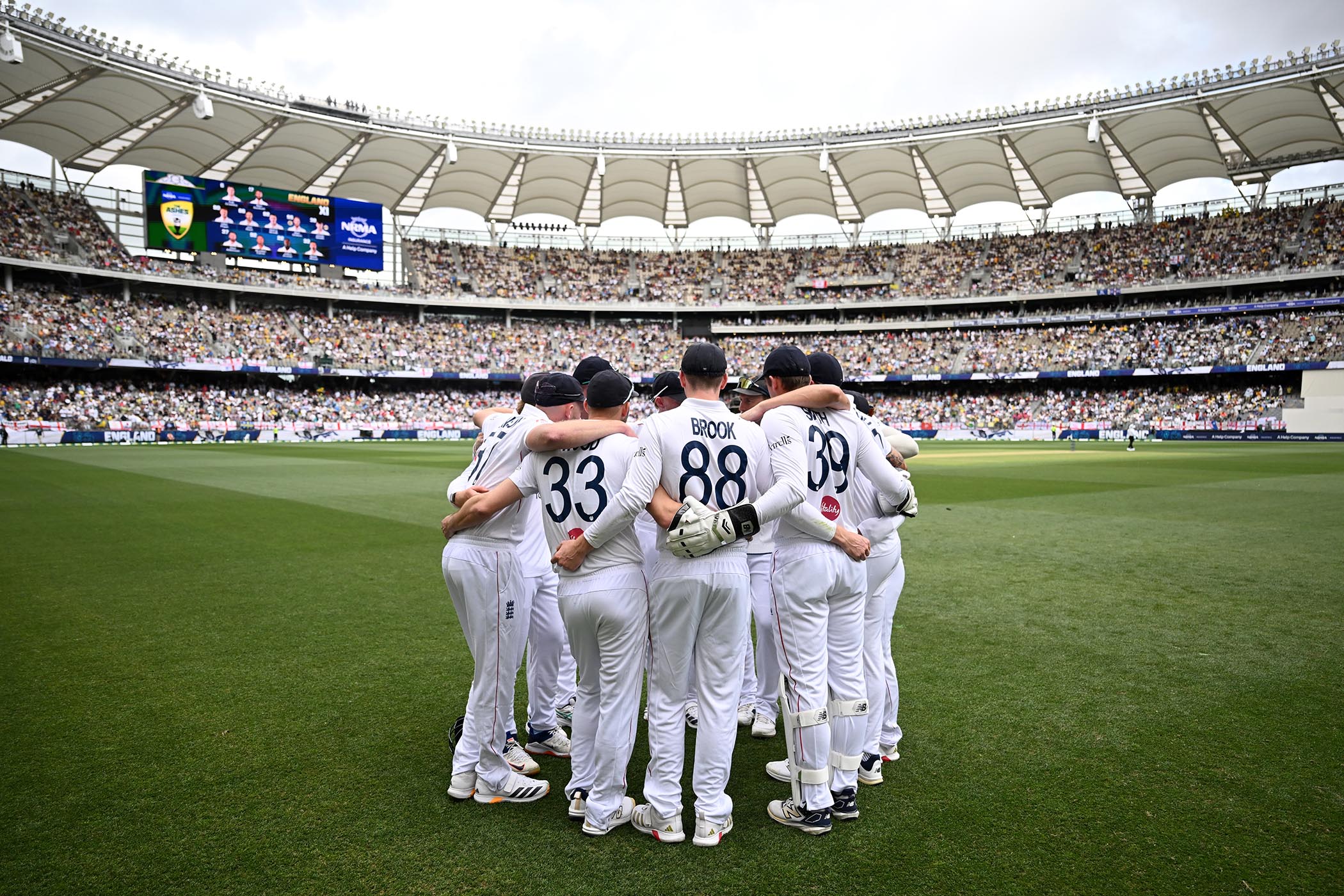


Watching the England cricket team’s swash-buckling, high-risk batting approach take them to humiliating defeat in the first Ashes test, I couldn’t help wishing that they’d rein it in a bit. Sometimes, when you’re in the lead, there’s nothing wrong with playing a couple of defensive strokes, or leaving the trickier deliveries.
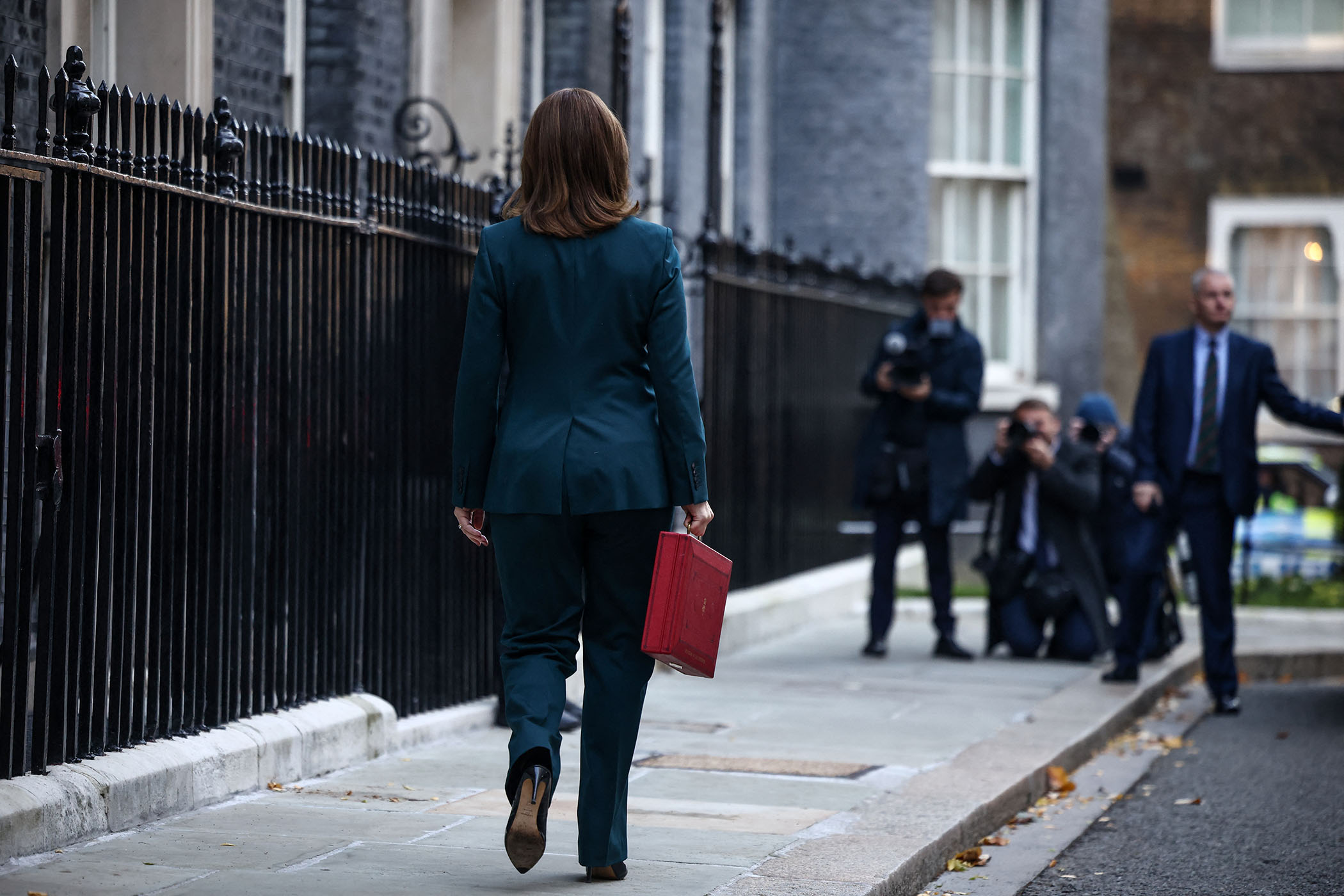
Watching Rachel Reeves deliver her second budget speech in the House of Commons last week, I found myself feeling the opposite. The country faces enormous economic and fiscal challenges, she’s armed with a huge parliamentary majority, and she’s been preparing for months. This felt like the moment to take risks, to play big shots, to announce something bold that might meaningfully move the dial before the next election. But she didn’t. She took a couple of easy singles instead.
With apologies to those of you who don’t share my twin passions for fiscal policy and cricket, I’ll cut to the chase.
This felt like a safety-first budget. A muddling-through budget. Now, there are worse things. If it’s a choice between “safety first” and “bond market crisis”, of course we’re better going for the former. There were definitely things to like among the announcements. Yet it felt as though the government had diagnosed some problems, and thought about taking bold action, only to shy away and play it safe.
The government rightly identified, for instance, that property is an important form of wealth, and that the way we tax it is a mess: council tax falls disproportionately on those in less expensive properties, and is based on 1991 house values in England. Problem diagnosed. She could have gone big, by scrapping stamp duty – a pernicious tax which gums up the housing market – and bringing council tax into the 21st century as an annual property tax, based on up-to-date values. But instead, the chancellor decided to bolt on an oddly designed and largely symbolic surcharge for properties worth more than £2m. She took the single.
Similarly, the chancellor played it safe on the taxation of property, dividend and savings income. Rather than embark upon bold reform to fix the design of those taxes, to raise revenue while preserving investment incentives, she just added 2p to the rates of each.
Much of the government’s economic growth strategy rests on stability and investment. Building in a bigger fiscal buffer against the fiscal rules was a wise move in the budget that should dampen speculation and reduce policy churn. Public investment budgets were maintained. The budget document highlighted how many major infrastructure projects this government has approved. There were measures to encourage businesses to list in London and scale up in the UK. But that was about it. It didn’t feel like a budget based around the urgent need to boost growth.
It didn’t feel like a budget based around the urgent need to boost growth
It didn’t feel like a budget based around the urgent need to boost growth
Instead, it was more focused on redistribution. Yet, for a government keen to talk up how much it is “backing working people”, it was hardly a game-changer. A £12,000 limit on cash ISAs – except for pensioners, for whom it will stay at £20,000. A freeze in the personal tax allowance – except for pensioners, who won’t be asked to pay in if the state pension (going up by 4.8% in April) tips them over the threshold. Taxing workers who sacrifice their salary into their pensions, rather than the pensioners who benefited from that tax relief in the past. Higher student loan repayments for graduates.
Those are all political choices the government is entitled to make. They’re also examples of working people losing out. Other choices were available, even in a tight fiscal situation. As an illustration, the government could have made changes to the state pension triple lock, or levied higher tax on pension income, or means-tested free NHS prescriptions for the over-65s. This would have caused upset, of course, but the money raised could have gone towards a bigger package of anti-child poverty measures: to target support at children in the deepest poverty would require changes to the benefit cap and other aspects of universal credit, as well as the scrapping of the two-child limit.
Or, the government could have supercharged its plans for early years services, where spending is set to remain less than one-third of the level Sure Start spending reached under the last Labour government.
Newsletters
Choose the newsletters you want to receive
View more
For information about how The Observer protects your data, read our Privacy Policy
Or, the government could have removed some of the more punitive aspects of the tax system for working parents, like the withdrawal of child benefit if one person’s income goes over £60,000, or the £100,000 cliff-edge above which eligibility for childcare subsidies is withdrawn. Both create sharp incentives not to work additional hours or take a promotion; dealing with either would been a growth-friendly measure for working people.
There were some genuine positives in this budget, for which Reeves deserves credit. Finally squaring up to the problem of how to tax electric cars was a particular highlight. But I do wonder if she’ll come to regret not having taken a few more risks. As any England cricket fan could tell her, it does sometimes pay off.
Ben Zaranko is associate director at the Institute for Fiscal Studies
Photograph by Gareth Copley/Getty Images