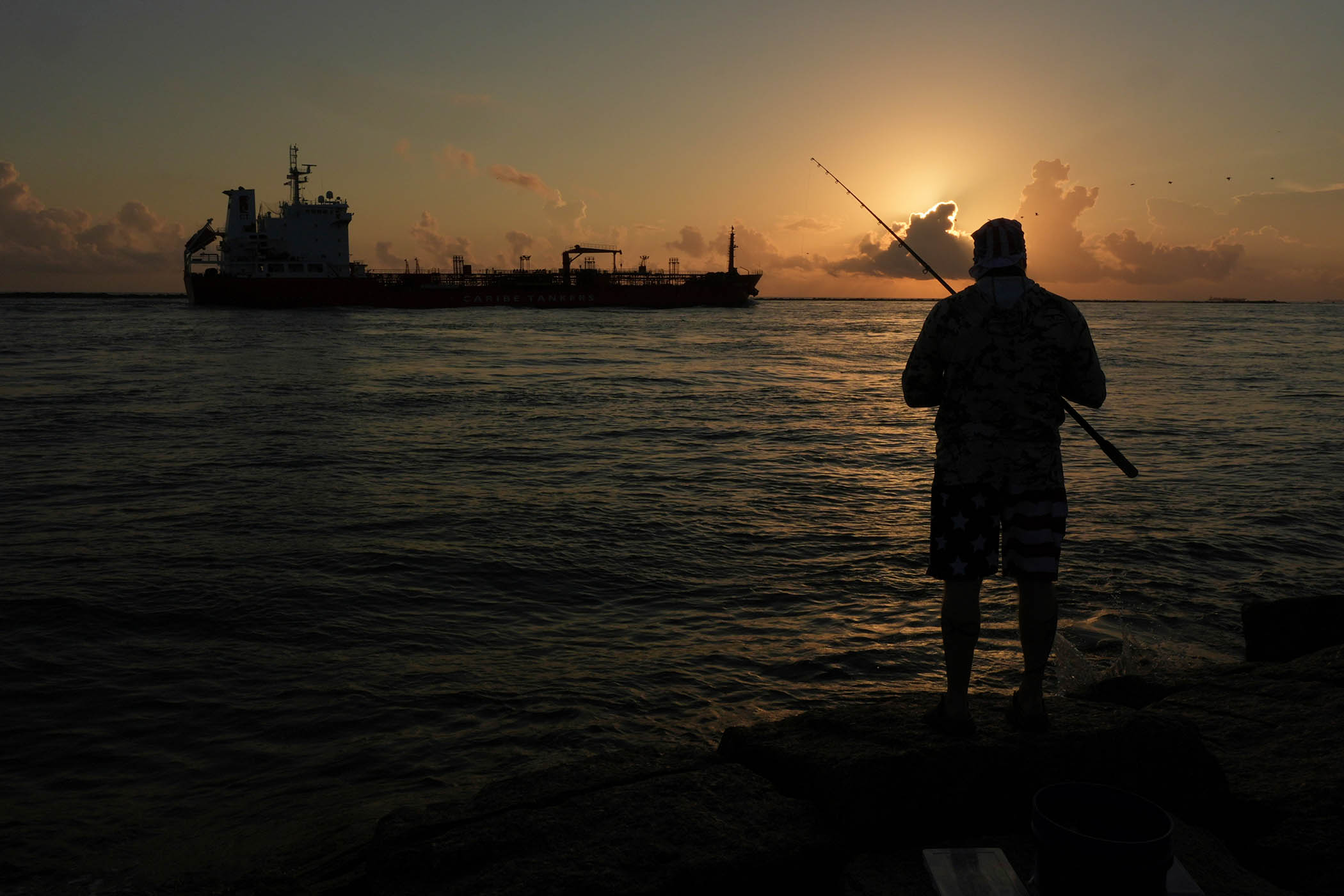


The Iranian government could start charging oil tankers for safe passage through the Strait of Hormuz. The transit fee has been reported as about $1 per barrel of oil, or around $1-2m per tanker. About 20m barrels of oil pass through the strait each day in normal times, so this could yield more than $7bn a year for Iran’s regime. The Financial Times reported on Wednesday that Iran is demanding that the payments are made in cryptocurrency.
Brent crude, the primary global benchmark for oil prices, has averaged around $95 a barrel over the past week. In that context, economic forecasters appear relatively sanguine about the inflationary impact of the tolls.
But experts say a toll on the Strait of Hormuz, an international waterway, would run contrary to the UN convention on the law of the sea. Writing in the 7 Things Substack, Prof Adrian Monck, former managing director and head of public engagement at the World Economic Forum, drew comparison the levies imposed by feudal lords along the Rhine in the Middle Ages, which weren’t fully brought to an end until the 1868 Mannheim Convention, arguing the move marks a return to this older geographic model of rent extraction at trading chokepoints.
The president said on Wednesday that US participation in a new tolling regime would be “a beautiful thing”. But analysts warn that such a change has implications for the role of the dollar in the international trading order. Oil is mostly priced, invoiced and paid in US dollars, which in turn is a key reason other countries want to save and accumulate dollars. It helps to underpin the dollar’s role as the global reserve currency.
The suggestion that Iran could allow tolls to be paid in Chinese yuan, as well as cryptocurrency, is therefore particularly significant. Mallika Sachdeva, a strategist at Deutsche Bank, says the conflict “could be remembered as a key catalyst for erosion in petrodollar dominance, and the beginnings of the petroyuan”.
In the short term, the focus remains on shipping traffic and energy production. The wider implications of the conflict for the global financial order could come to be viewed as the more important lasting consequence.
Photograph: Eric Gay/AP
Newsletters
Choose the newsletters you want to receive
View more
For information about how The Observer protects your data, read our Privacy Policy