

When Russia invaded Europe’s breadbasket in 2022, food prices surged to all-time highs. Global hunger reached record levels as the war choked off exports of grain and other agricultural products from Ukraine.
Four years on, conflict is raging in an arid region where little is grown, but the impact on food security may be deeper and longer lasting.
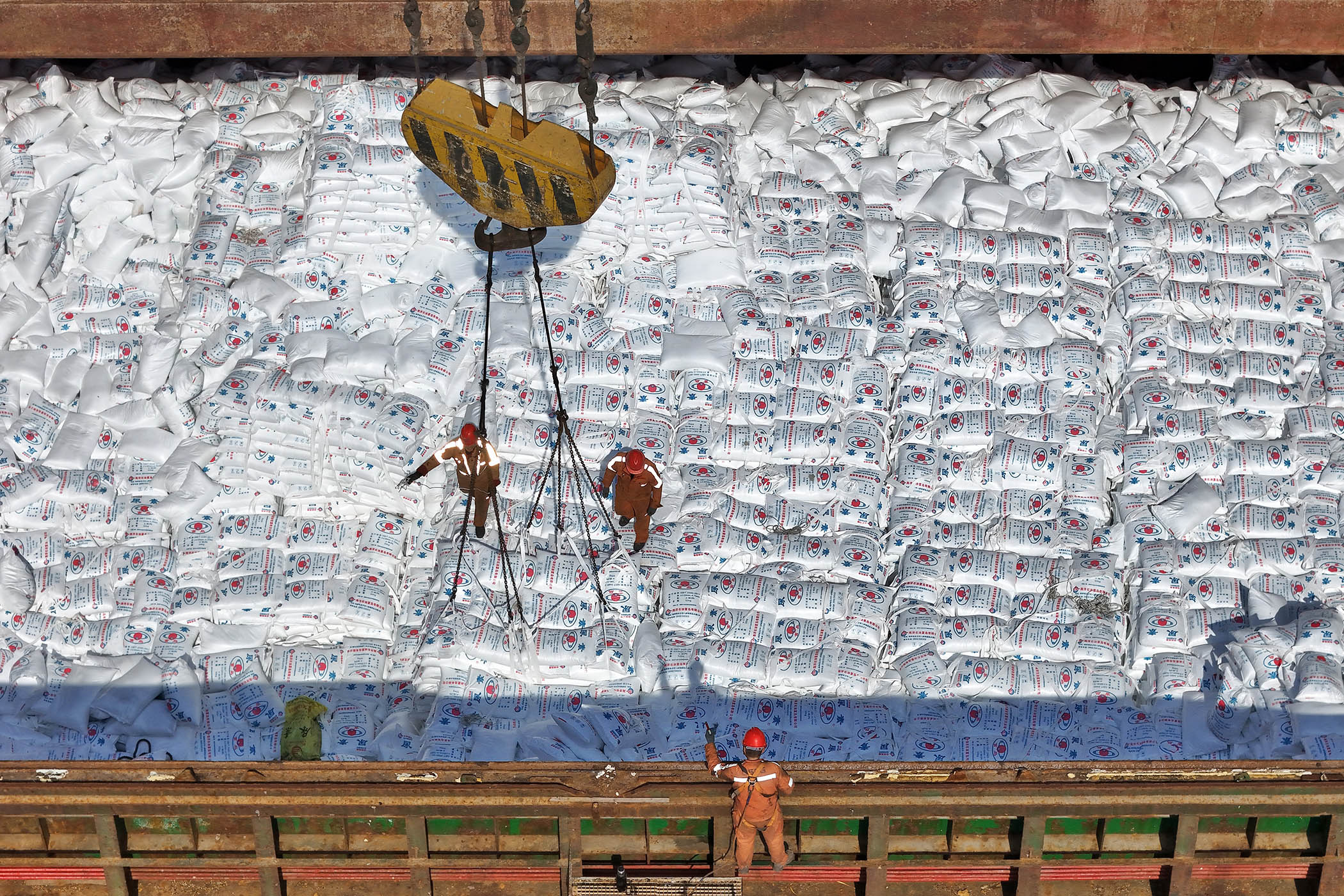
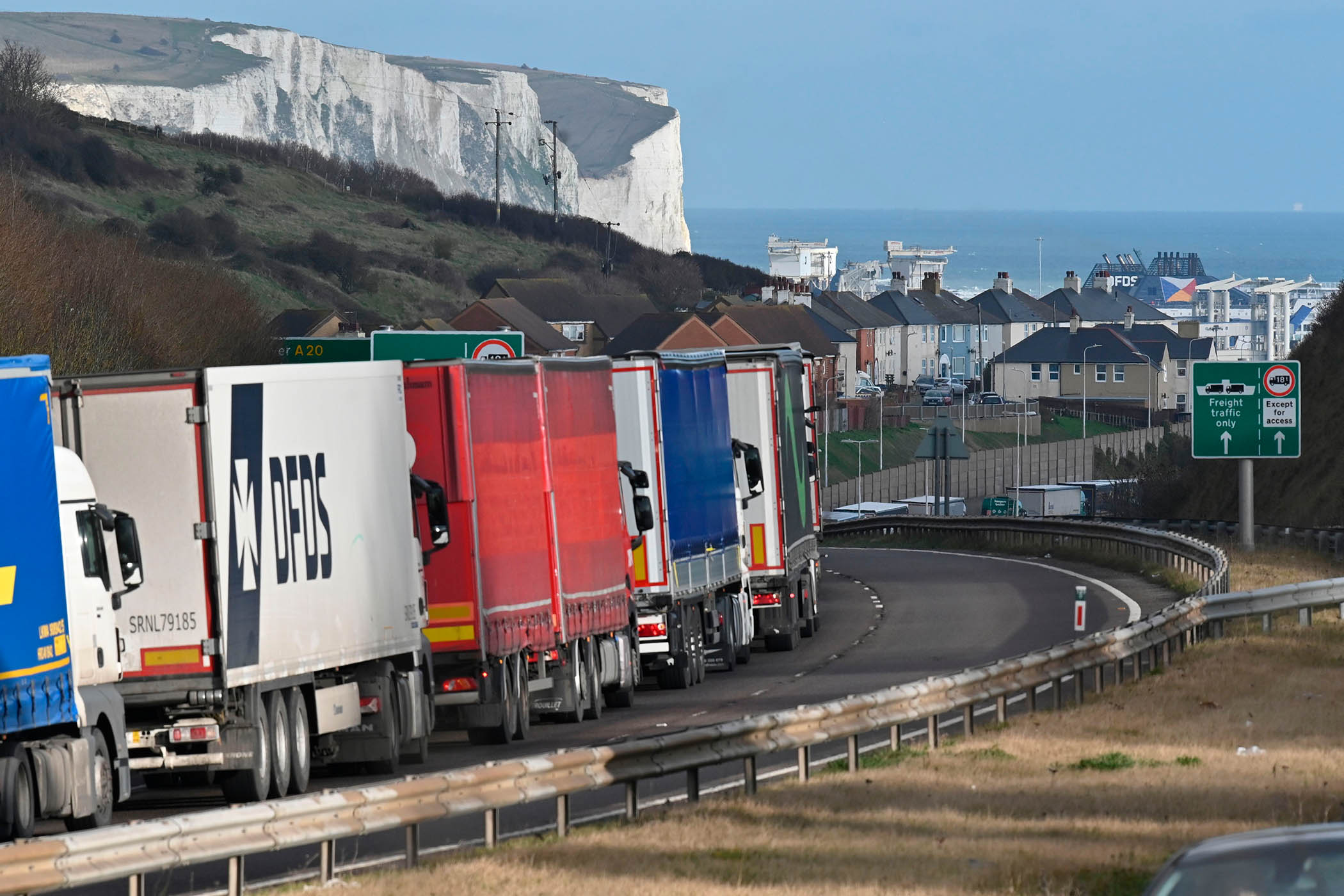
The closure of the Strait of Hormuz has not just dramatically reduced the global supply of oil and gas, it has also prevented the flow of about one-third of the world’s supply of fertiliser. Fertiliser prices have spiked, translating into higher costs for farmers, who are also grappling with the effects of surging energy costs on everything from irrigation to transport.
Food experts believe that, if the Strait of Hormuz isn’t reopened within weeks, it could lead to an unprecedented global food crisis.
“If this conflict continues, it will send shockwaves across the globe,” said Carl Skau, deputy executive director of the World Food Programme (WFP) . “Families who already cannot afford their next meal will be hit the hardest.”
Unless the war ends by mid-2026, and oil prices come down, the WFP expects that the number of people experiencing acute food insecurity could hit a record-high of 363 million.
The lag between disruptions in fertiliser supply and rising food prices is measured in seasons rather than days. Faced with surging fertiliser costs, farmers are likely to use less of it, which could result in lower yields when crops come to be harvested later in the year. Alternatively, farmers might choose to grow crops that don’t require as much fertiliser, like soybeans. That may impact the supply of fertiliser-intensive crops such as wheat, rice and maize. By the time the disruption is reflected on supermarket shelves in 2027, the war is likely to be long over.
The impact will depend on how long the strait remains closed. President Donald Trump extended to 6 April a deadline for Iran to reopen it, but the regime’s conditions for ending the conflict are incompatible with those of the US and Israel.
Even if the strait reopened tomorrow, it would take months for shipping to return to normal. On top of the physical constraints to navigation, insurance costs have surged. Damage to facilities that produce liquefied natural gas – a key input for fertiliser – can’t be repaired overnight.
If the disruption lasts less than one month, the impact is likely to remain contained, said Máximo Torero, chief economist of the Food and Agriculture Organization of the United Nations (FAO). Global food stocks are currently sufficient, and markets could stabilise within approximately three months, he said.
If, however, disruption persists for three months or longer, it could affect global planting decisions for 2026 and beyond.
Countries in sub-Saharan Africa and Asia that rely on imports of food and fuel are most vulnerable. Somalia, Kenya, Tanzania, and Mozambique are particularly exposed due to high dependence on fertiliser imports.
Across Asia, governments are already taking steps to save energy. In Thailand, civil servants have been asked to work from home for the duration of the conflict, use stairs instead of lifts and wear short-sleeved shirts rather than suits to reduce cooling costs in offices.
Pakistan and the Philippines have both introduced a four-day work week for public officials to reduce commuting.
The disruption of natural gas supplies from Qatar has forced India and Pakistan to shut down domestic fertiliser production. At this time of year, India would usually be building stocks of urea in preparation for the planting season after the monsoon rains.
“These are crucial months for building their stocks so they are heavily exposed if they don’t start getting a bit more urea,” said Harry Minihan, head of nitrogen pricing at Argus Media. “It’s basically a mad scramble among all of the importers for this season.”
Russia and China – both leading producers of fertiliser – have restricted exports to secure domestic stocks, further tightening supplies.
Farmers in the northern hemisphere, who are planting their crops now, may have enough fertiliser to get by this spring, said Dawid Heyl, a co-portfolio manager for the Global Natural Resources strategy at asset manager Ninety One. “But crop cycles that are commencing in the second half of the year, or next year, might [see] shortages because of the current situation.”
The US produces most of the fertiliser it consumes but farmers there are already feeling a pinch. In a plaintive letter to Trump, the president of the American Farm Bureau Federation warned that soaring fertiliser costs could lead to a shortfall in crops. “We are deeply concerned that failure to act could lead to disruptions to the food supply chain not seen since 2022,” wrote Zippy Duvall.
Fertiliser prices have yet to reach the levels they did in 2022. But unlike then, crop prices haven’t increased much, which means farmers are less able to absorb the higher costs.
One of the main beneficiaries is likely to be Russia. After China, it is the world’s second-largest fertiliser producer, and its export infrastructure is completely independent of the Strait of Hormuz. Beyond financial benefits, the Kremlin could leverage its fertiliser into political influence over countries whose neutrality is vital for the west.
“The Kremlin did not sow this harvest,” wrote Alexandra Prokopenko, a fellow for the Carnegie Russia Eurasia Center.
“But it will most likely reap it.”
More from The Observer
Photograph by CFOTO/Future Publishing via Getty Images
Newsletters
Choose the newsletters you want to receive
View more
For information about how The Observer protects your data, read our Privacy Policy