

This article first appeared as part of the Daily Sensemaker newsletter – one story a day to make sense of the world. To receive it in your inbox, featuring content exclusive to the newsletter, sign up for free here.
More than 30 countries have agreed to the largest ever release of oil reserves to steady markets whipsawed by Iranian attacks and American mixed messaging.
So what? This buys the world some time but not a lot. Every day that the Strait of Hormuz is impassable, nearly 20m more barrels of oil are trapped inside the Gulf. Combined with other threats to output across the region, this could
•
send the global economy into an inflationary tailspin;
•
incentivise the US to end its operations before completing its goals; and
•
encourage extreme actions to break the logjam and force Iran to sue for peace.
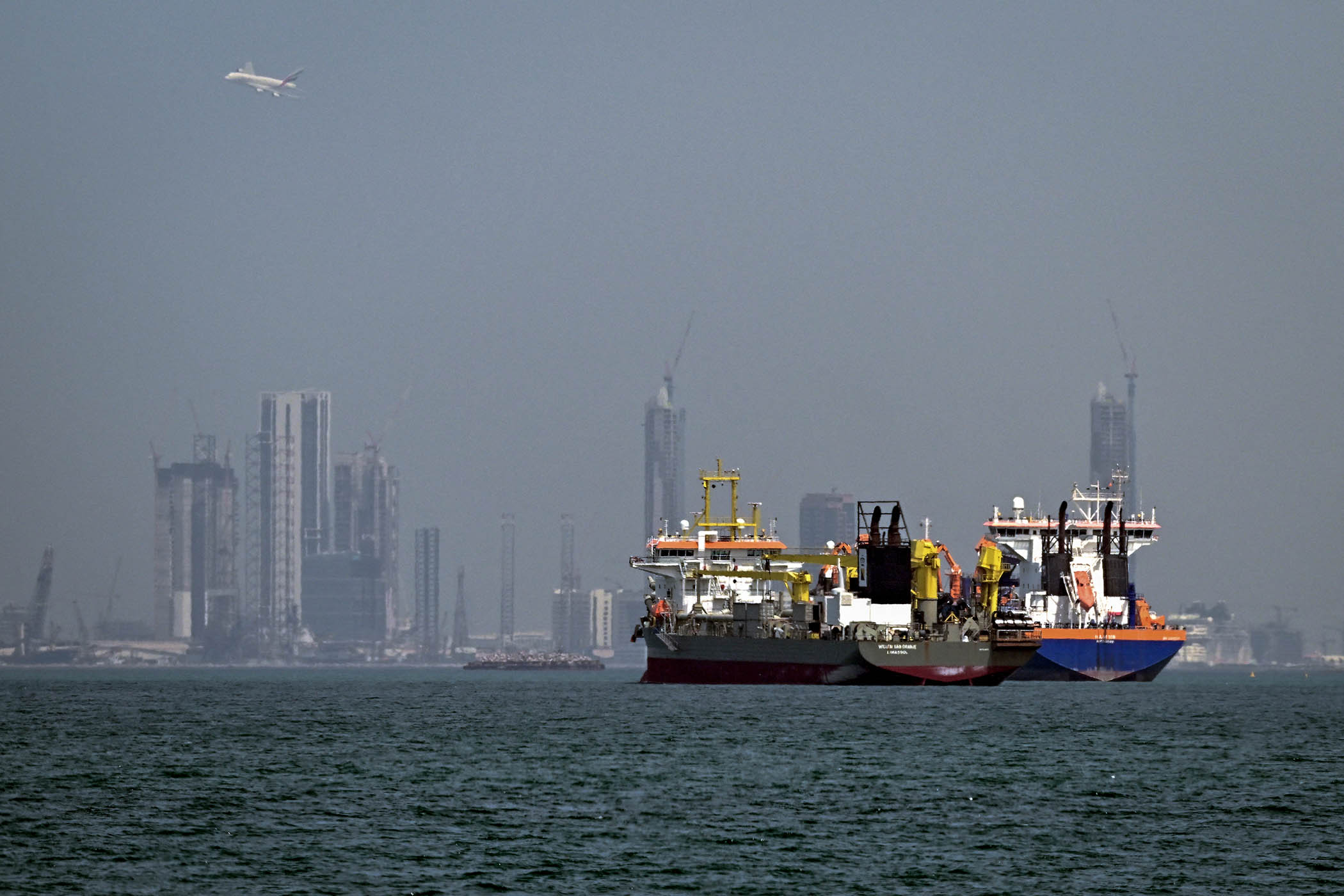
Eye of a needle. Never more than 60 miles wide but deep enough to carry crude tankers, the Strait of Hormuz connects the Persian Gulf with the Gulf of Oman. It is a throughway for a fifth of the world’s oil supply, or roughly $600bn in annual trade.
Eye of the storm. Hormuz sees nearly double the crude traffic of the Panama and Suez canals combined. More than 80% of the oil and oil products that pass through the strait end up in Asia.
Another thing. The shipping route also carries a third of the world’s most widely-used fertiliser and one fifth of all shipments of liquefied natural gas, for which there are no strategic reserves.
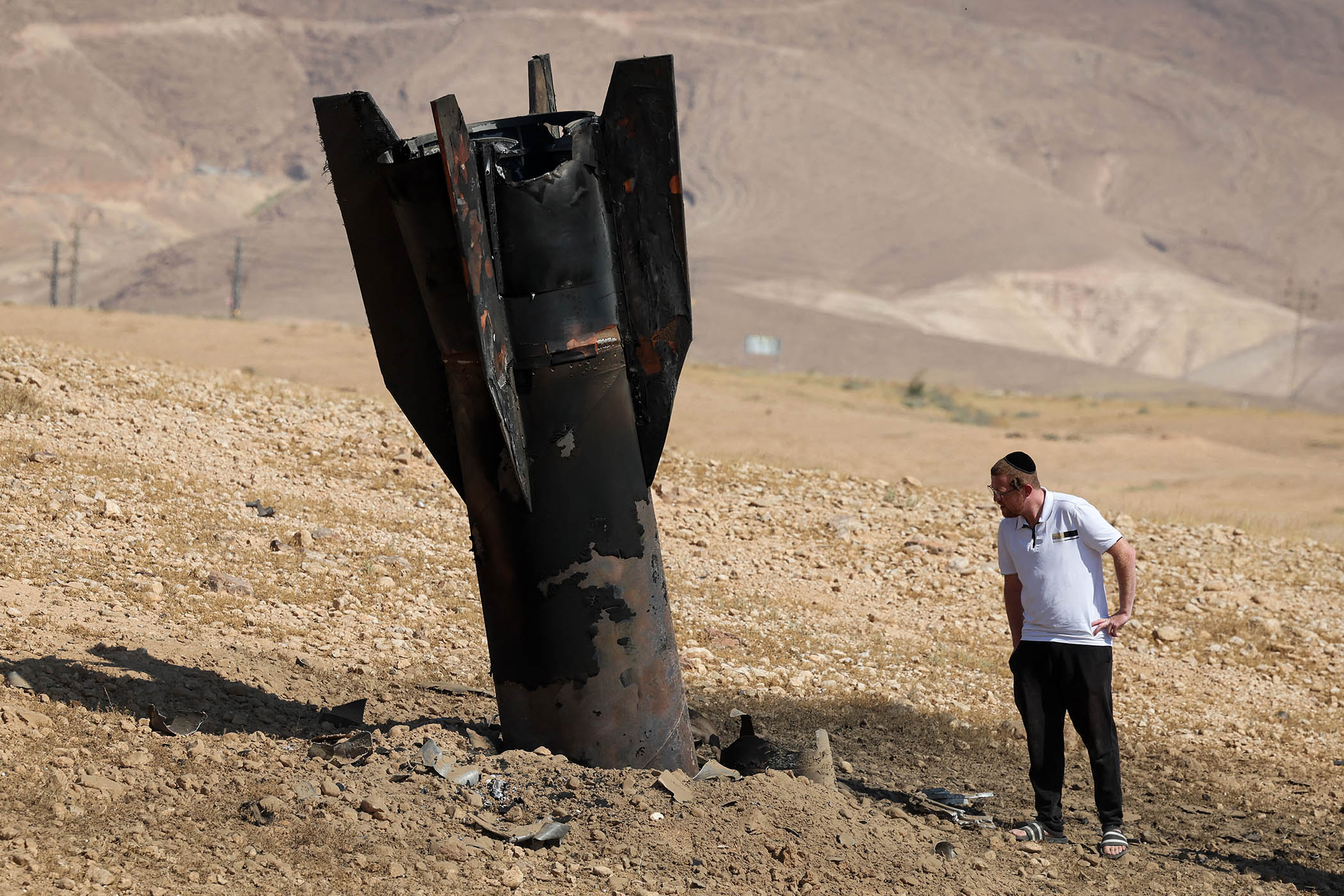
Over a barrel. Thanks to the Middle East conflict, Hormuz is at an effective standstill. Three cargo boats were hit by “unknown projectiles” yesterday, and many ships aren’t willing to run the gauntlet. Iran is suspected of attacking 13 vessels in the Gulf since the war began. At least seven mariners have been killed.
Tough talk. Tehran has said it will “not allow even a single litre of oil” intended for the US and its partners to pass through Hormuz.
Tougher talk. The US says that it has “eliminated” 16 ships capable of laying mines in Hormuz, and Donald Trump has suggested the US military could accompany tankers in the strait.
Stand off. But Iran has shown no sign of backing down and it is hard to imagine how the safe passage of ships could be guaranteed in the immediate future. War risk premiums are currently making it financially unviable for many vessels to make the journey.
No room. The closure of Hormuz leads to lost oil because producers have to put crude into storage if they cannot load it onto tankers, and storage is finite. As such, production has been cut across the region.
Not helping. Iran has also attacked energy infrastructure across the Gulf, while Israel has targeted several oil facilities in Tehran to the apparent chagrin of the US.
Net result. Since the end of last month, oil prices have soared by as much as 40% and dozens of countries have reported increases in petrol costs. Nations are scrambling to mitigate the effects. China is still receiving oil that Iran has allowed to pass through the strait, but
•
Thailand has banned petroleum exports;
•
Bangladesh has put limits on fuel sales and shut universities;
•
South Korea has announced a fuel price cap for the first time in 30 years;
•
the Philippines has temporarily imposed a four-day work week to reduce car use; and
•
Pakistan has raised petrol and diesel prices by 21p per litre in the biggest ever increase.
Slick move. In an attempt to calm markets, the International Energy Agency said yesterday that member countries would release 400m barrels of oil, the largest reserves distribution in history.
Tick tock. The release is equivalent to roughly four days of global oil use, and 20 days of what normally passes through the Strait of Hormuz. In total, the IEA has 1.2bn barrels in public stocks and 600m in commercial inventories, or around four months of supply from the Gulf.
The reaction. Although oil prices fell briefly after the announcement, they rose again in short order as attention refocused on a conflict that shows little sign of ending.
Why oil matters. Rising crude costs are typically stagflationary, increasing inflation while also encouraging stagnant economic activity because people have less power to spend. The Fed and the Bank of England are now more likely to raise interest rates.
Million-dollar question. In the past 48 hours, there has been a glut of coverage about Kharg Island off the Iranian coast. It is the source of 90% of Iran’s oil exports, as well as hosting a population of gazelles, but remains untouched by American and Israeli missiles.
State of play. Kharg could give Trump control of Iran’s crude reserves. US officials have reportedly talked about “seizing” it, although there are no indications of an imminent operation.
Hail mary. The many risks include the prospect of Iran bombing its own oil supplies to prevent them falling into the hands of the US. But Trump, who loves simple solutions to complicated problems, may struggle to resist.
Newsletters
Choose the newsletters you want to receive
View more
For information about how The Observer protects your data, read our Privacy Policy