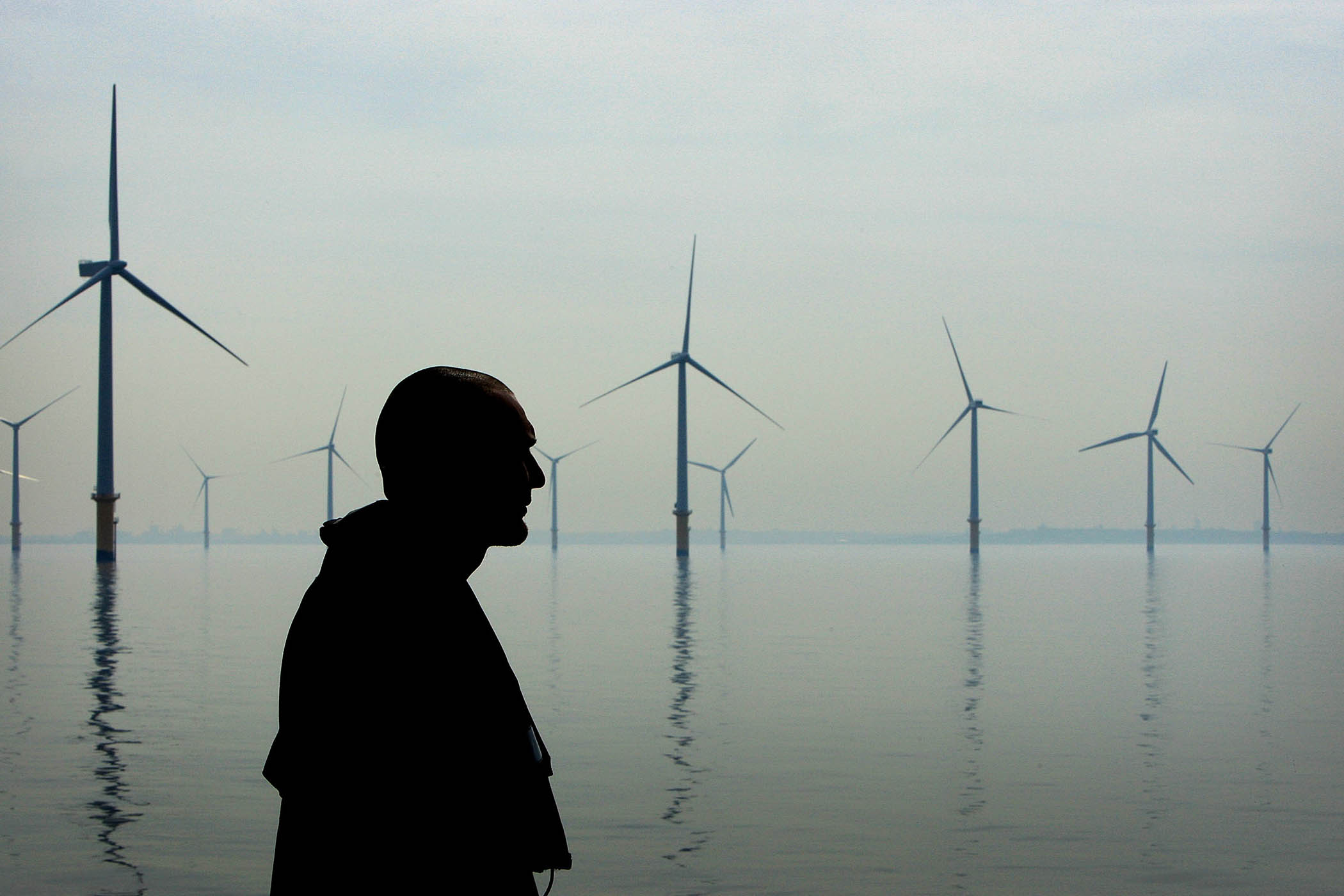


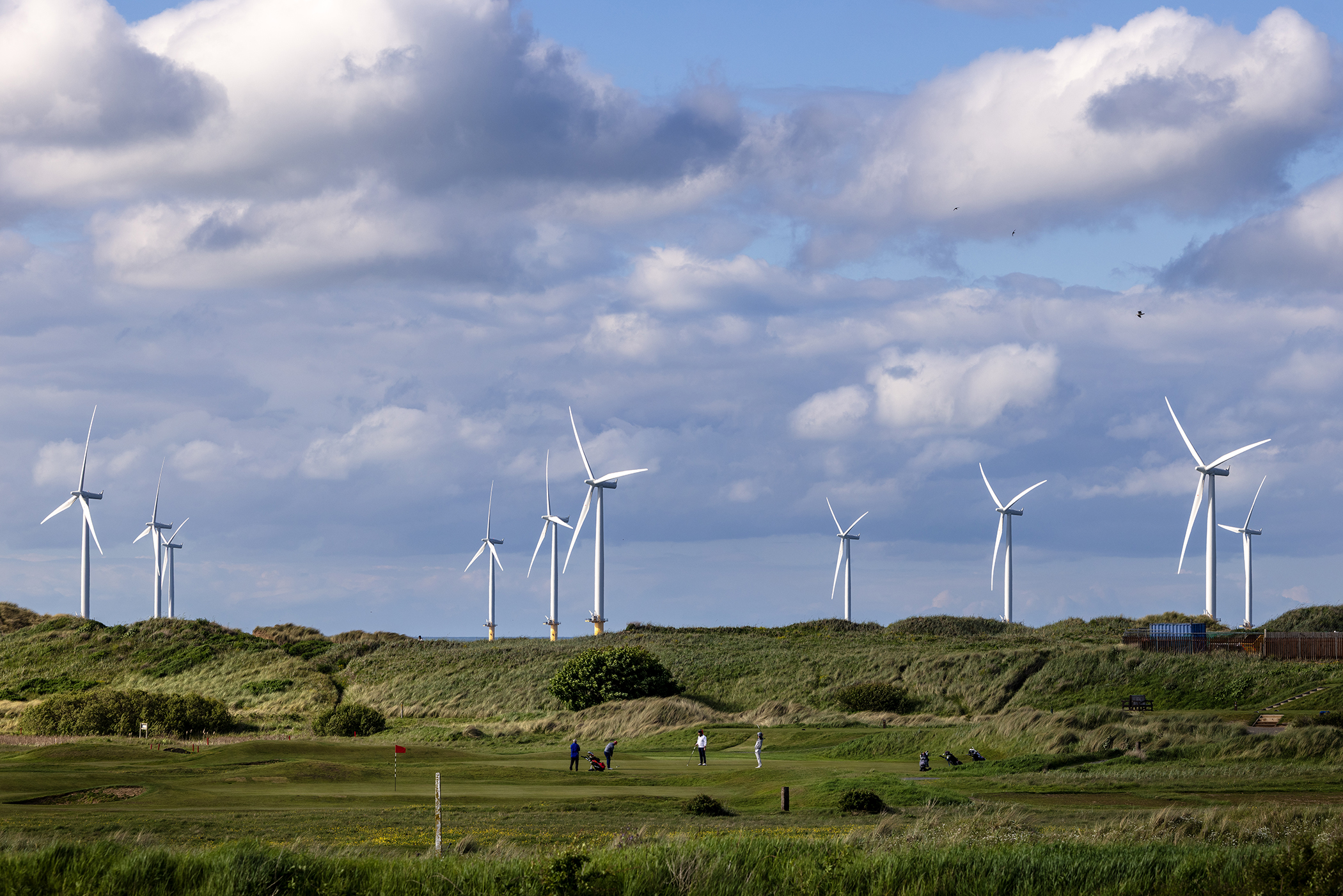
The UK has awarded subsidy contracts for offshore wind projects to generate enough power for 12m homes, giving a new lease of life to an industry that is being throttled on the other side of the Atlantic.
Securing this power puts the UK on track to reach the government’s objective of a virtually carbon-free electricity system by 2030. Britain has placed an enormous bet on offshore wind, and the award of 8GW of offshore wind projects is the largest such auction to take place in Europe.
But questions remain about supply chain challenges, given the industry faces risks around the availability of specialist installation vessels, rising material costs and higher interest rates. There are also concerns about grid connections and, crucially, about the cost to billpayers. According to the Conservatives, the prices the government agreed were “the highest prices we have seen in a decade”.
The last of these is critical. Energy prices spiked after Russia’s invasion of Ukraine and remain much higher than they were five years ago. High power prices are a barrier to decarbonisation, slowing the electrification of households, industry and transport.
The “strike price” agreed by the government in last week’s auction – the amount that energy generators are guaranteed to receive, even if the wholesale price is lower – is £91 per megawatt hour. For the capacity it awarded last week, the government has set a budget of £1.8bn a year. This is the amount it calculates billpayers will have to top up above the wholesale price. But renewable developers say the government lowballs its estimates of future wholesale prices, so the actual amount added to bills is likely to be less. Given the time needed to build the windfarms, the impact on power prices won’t be felt until 2029 at the earliest.
Aurora Energy Research, an energy analytics provider, said last year that a strike price of up to £94 per megawatt hour would be “cost neutral” for billpayers. That is because deploying more offshore wind will lower wholesale prices – it is expensive to build a windfarm but very cheap to run one – offsetting the increased levies on bills.
The UK auction signals to other policymakers that this technology provides a pathway through the energy transition. There is a sharp contrast with the US, where coal is resurgent, while leases for all offshore wind projects under construction have been paused by the White House.
“There’s a real sigh of relief in the global offshore wind industry, which has faced a tricky year,” said Adam Berman from the Energy UK trade association.
Britain’s electricity grid still lacks sufficient capacity to transfer renewable energy around the country, such as linking offshore generation off the Scottish coast to big cities in England. Last year, grid operators spent £1.4bn on payments to windfarm operators to turn their output down and to gas-fired power generators to fill the gap.
“A lot will depend on the strategic approach the government takes,” said Tone Langengen of the Tony Blair Institute for Global Change. “There are questions of where those windfarms connect – whether they connect to England, or Scotland, and add to the congestion there.”
Newsletters
Choose the newsletters you want to receive
View more
For information about how The Observer protects your data, read our Privacy Policy
A further test of Labour’s energy policy is the pending decision on whether to approve Rosebank, the giant oil and gas field off the Shetlands owned by Adura, a Shell-Equinor joint venture. Extracting its reserves would emit the equivalent of about 250m tonnes of CO2. Rosebank’s oil would have no impact on UK energy prices, as crude is traded globally, but supporters of the project argue that reducing gas imports would lower the UK’s emissions. For now, though, it’s the renewables sector that has wind in its sails.
Photograph by Christopher Furlong/Getty Images