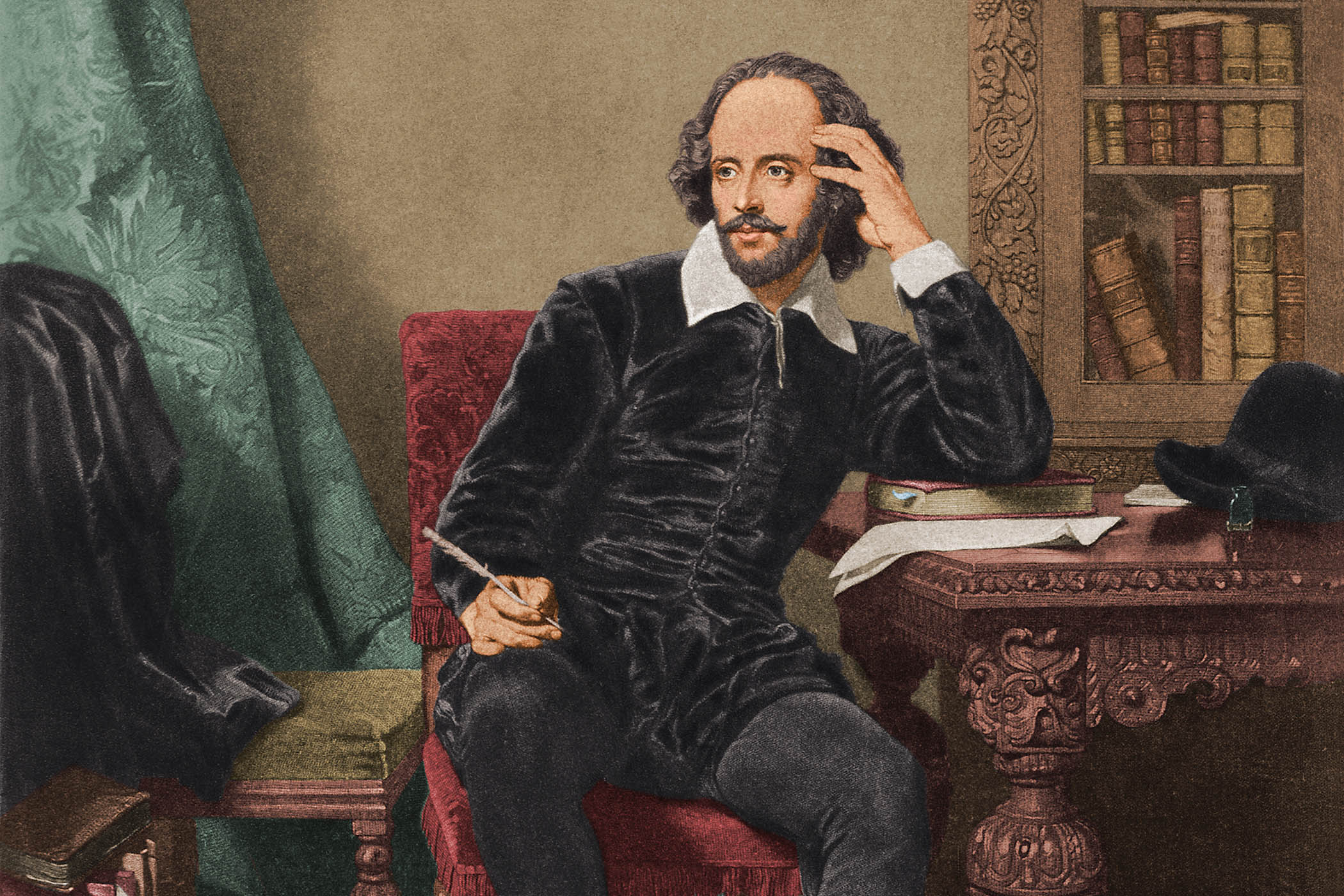


As Shakespeare wrote: “To thine own self be true.” But what does it really mean today? For example, is it about happily giving up your time for the causes you love? Or knowing your own worth and refusing to work for free?
Even the Bard might have struggled with the conundrum presented by a pair of recent legal cases. The Cambridge Shakespeare Festival faced two employment tribunals – one claim succeeded, the other did not.
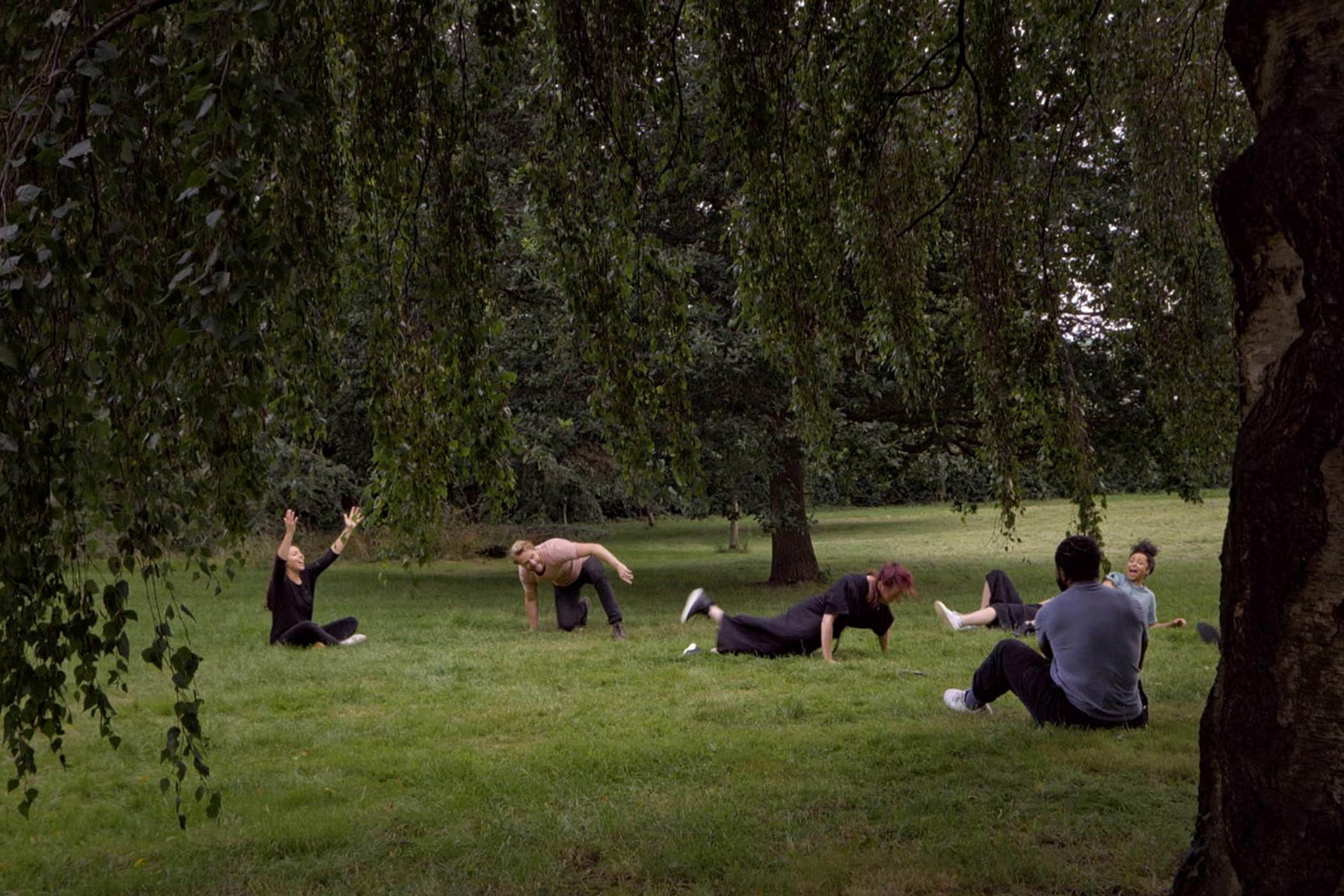
In the first case, the tribunal ruled that two actors performing in a festival play had been unpaid workers. The judge noted they had no real say over hours or scheduling, could not take on other paid work and were embedded in a tightly managed production that generated revenue. They behaved like employees and were treated as such – without wages. They later secured a financial settlement.
However, a more recent claimant, an actor taking part in two plays who raised similar concerns, lost. The tribunal concluded this arrangement did not cross the legal threshold into employment.
David Crilly, the festival’s artistic director, told the later tribunal the festival “is not a lucrative enterprise” and receives no sponsorship or external funding, adding that it is often supported by his own finances when ticket sales fall short. He said those invited to audition are given clear information about “the nature of the event” and the financial constraints before they take part.
He rejected the idea that actors were restricted from taking paid employment elsewhere, telling the tribunal that performers were “free to leave the festival at any point” if other opportunities arose.
Taken together, the two rulings show how fine the distinction can be between volunteering and working. About half of the UK population volunteered last year, with most doing so willingly. But as soon as a role starts to resemble work with fixed hours, tasks and organisational dependence on your efforts, the picture becomes more complicated.
Employment lawyers point to one test that can provide clarity. Can you stop? Genuine volunteers can step back from their role at any point without penalty. They are not locked into a schedule or required to attend shifts that mirror paid work. They also should not be doing tasks that underpin a commercial operation, unless there is a transparent system for reimbursing expenses and protecting their autonomy.
If a role feels optional and under your control, it is likely to be genuine volunteering. If it starts to look like structured work with expectations attached, the position may be less clear. Anyone who is unsure can seek guidance from a relevant trade union or the Advisory, Conciliation and Arbitration Service (Acas) before deciding what to do next.
Photograph by Stock Montage/Getty Images
Newsletters
Choose the newsletters you want to receive
View more
For information about how The Observer protects your data, read our Privacy Policy