
The launch of the government’s “impact economy” strategy has been one casualty of the recent chaos in Downing St. Understandably, sorting out short-term messes has been prioritised over selling ambitious long-term plans. Yet there is a big idea here waiting to get out. If pursued vigorously, this idea could deliver precisely the sort of inclusive economic growth Labour promised in its election campaign.
In essence, the impact economy is an effort to tackle some big social issues in ways that simultaneously generate economic growth and reduce long-term government spending. It is based on creating innovative partnerships between government, business and the charitable sector to scale up proven ideas that, it is hoped, will produce more practical and lasting results than previous government strategies of occasionally throwing large sums of money at an impractical plan, followed by years of failed implementation and neglect.
In the past year, half a dozen focused “impact economy labs”, co-design workshops hosted by the London School of Economics bringing together key people from the three sectors, have identified a range of proven ideas that participants believe are ready to go from the millions of pounds to billions – scale at which the economic and social benefits from success would be significant.
One particularly promising opportunity is getting back into work people who are currently out of the labour market due to ill health. Doing this right would increase economic activity, boost tax revenues and reduce benefit costs. The plan is to use innovative financial structures called “outcomes funds” (a sort of 2.0 version of social impact bonds first pioneered by the coalition government) to attract private finance now by promising to pay investors a share of future government savings resulting from the success of schemes the money will scale up.
Where additional public spending is required, it is expected to be relatively modest compared to the longer-term economic benefits and, the government says, carefully designed to attract additional non-government investment. One example is the £5bn Pride in Place programme of grants to improvement schemes in 250 marginalised local communities, which the government hopes will be a significant upgrade on, say, Boris Johnson’s “levelling up” initiatives, by being properly locally led and including incentives that will bring additional funds from local business, pension funds and philanthropies.
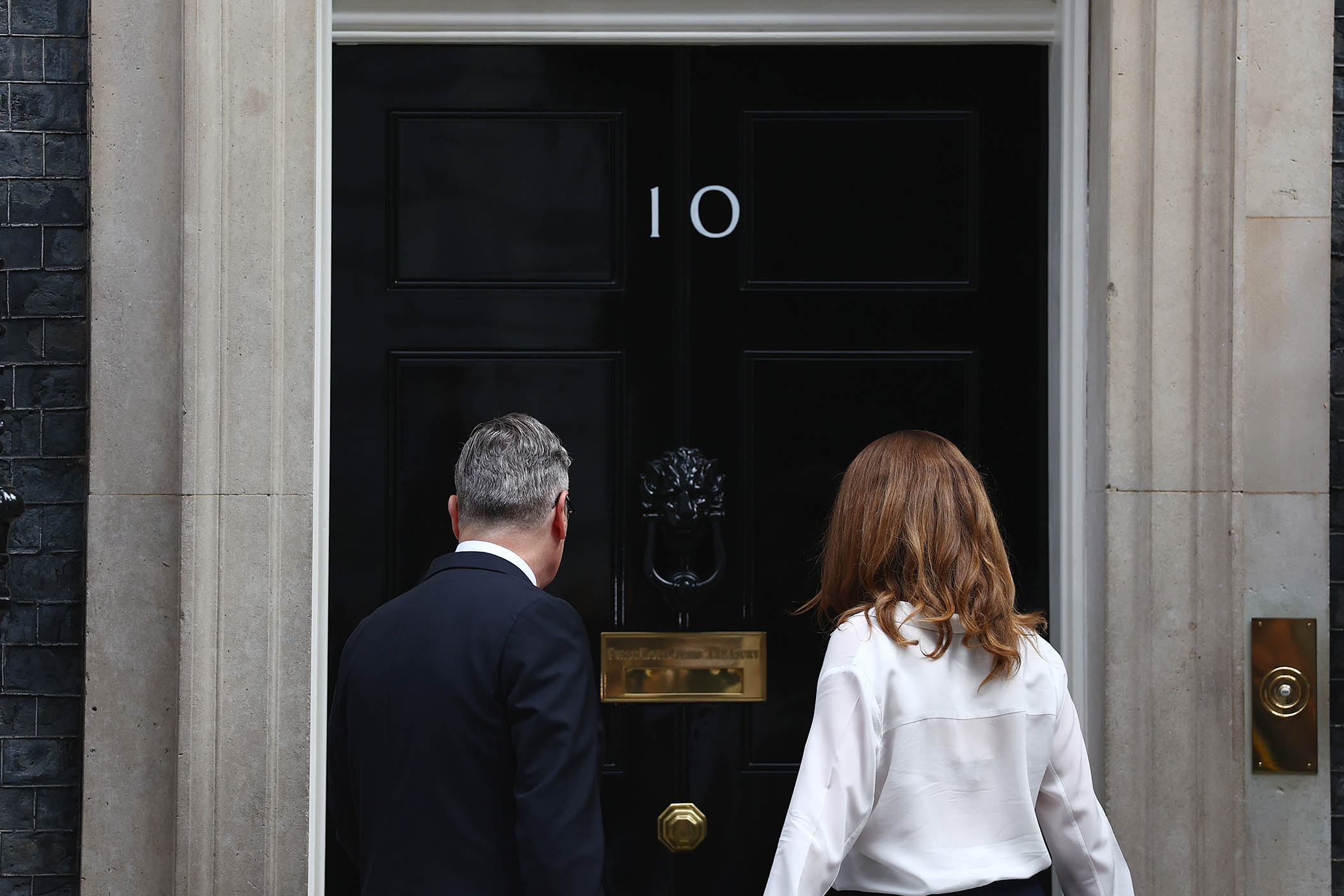
The announcement in December of a new Office for the Impact Economy based in 10 Downing Street was marketed as evidence of the government’s serious intentions. That message already requires a relaunch. If the government wants to make the impact economy a key plank of its economic growth strategy – and tap into the enthusiasm of business and social sector leaders while it remains fresh – it should now prioritise getting it properly up and running.
Photograph by Darren Staples - WPA Pool/Getty Images
Newsletters
Choose the newsletters you want to receive
View more
For information about how The Observer protects your data, read our Privacy Policy