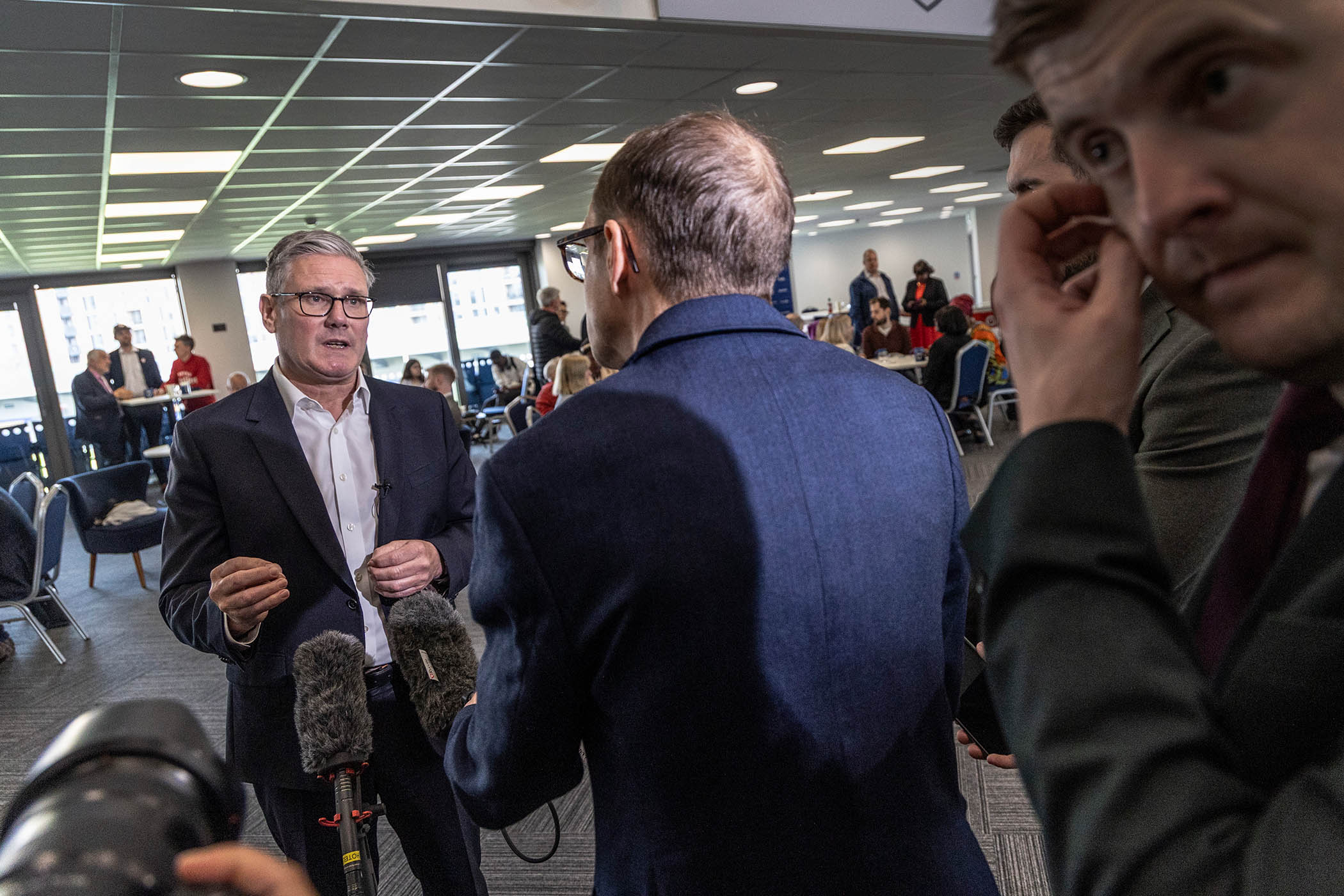

Keir Starmer is not the man most people in his party and in the country would want as prime minister. Judging by the local election results, he fails the key test of a Labour leader today: is he the person to see off Nigel Farage and the politics of nativism, corruption and division? Sadly, no. He’s no storyteller. He could make “we will fight them on the beaches” sound like a mortgage application. His vision, as much as there is one, is bland and managerial. It’s ironic that one of his pitches for the post of party leader was competence; he would run the country as he’d run the Crown Prosecution Service.
As it’s turned out, Starmer’s people management is, by turn, aloof and impetuous. The U-turns that have marked his domestic policy reveal not so much that he caves to pressure as that he doesn’t know where he’s going in the first place. The appointment of Peter Mandelson was a timebomb: hailed at the time as a canny call to send a dealmaker to Donald Trump’s Washington, you didn’t need developed vetting to know Mandelson had a history of dodgy friendships, a client list that would make the Foreign Office queasy and a reputation among old Labour colleagues for loving a party more than the party.
And yet. The UK is a serious country with serious problems in serious times. Dumping the PM over a bungled ambassadorial appointment – and parachuting in the fifth prime minister in four years – would make the UK look unserious. It would cement the view in the bond markets that Britain is ungovernable, and that would be expensive. It would swell the ranks of voters who give up on democratic politics because it’s a circular firing squad.
Who comes next, who chooses? The Tories thought that getting rid of Boris Johnson would mean someone better; we got Liz Truss, the loony right and a poorer country. This is one of the key lessons from not-so-recent history – we need to know who exactly is going to be electing our next prime minister. Before Labour blunders into a furious leadership contest, it would be good to think about who elects Starmer’s successor, how the election is run, what is done to ensure its safety.
As to the candidates, would the charismatic Angela Rayner’s tax problems define her? Why does the principled and politically smart Wes Streeting not cut through with so much of his party, let alone the country? How can you have a serious contest without Andy Burnham, who now has the best governing credentials and most cross-party support?
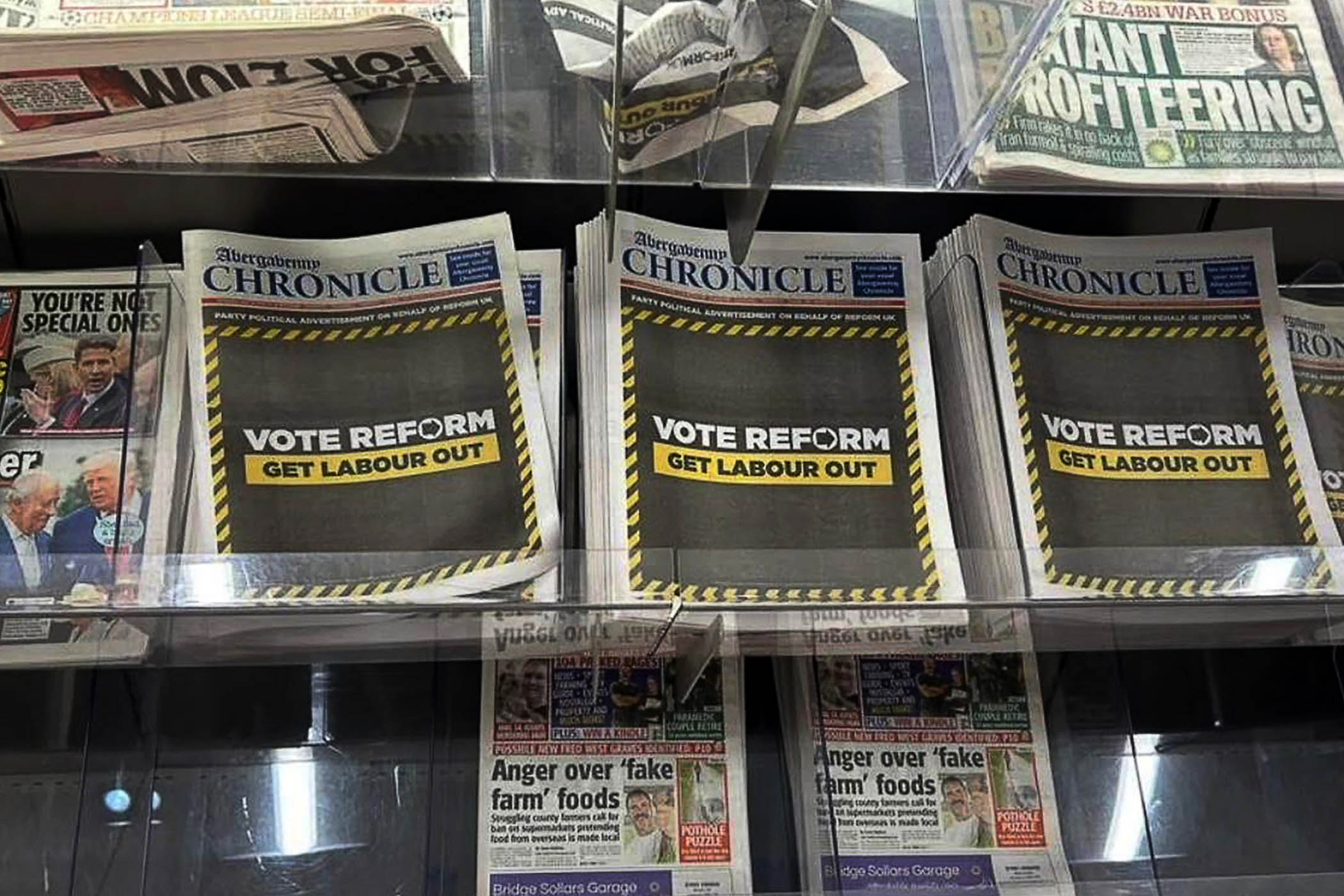
These elections confirmed what we knew: the public is pissed off. A national protest vote has created, at a stroke, a national power base for a new party with old and ugly ideas. Reform surged, but did not sweep all before it. Compared with last year, its vote share fell. Even so, it’s already a divisive, damaging force in British public life.
By donating £9m to the party and putting a further £5m in Nigel Farage’s pocket, Christopher Harborne has bankrolled the party and given it the capacity to run on a national level. Before that £5m changed hands, Farage said he was quitting politics. Now he leads the best-funded party in the country. Everything he has since said about it has been evasive or unreliable. The £5m is a donation from a political donor to a politician; a political donation. It should have been declared. It looks dodgy, and any attempts to explain it are being dodged.
If there is a silver lining to the story of Reform’s crypto-backed financial rocket fuel, it is that the rightwing press, which has proved so useful to Farage in all his incarnations, cannot ignore it. He can no longer be indulged as an entertainer. He and his Bangkok-based billionaire backer are a clear and present danger to transparent governance. What could go wrong? Look to the US under Trump, but also to impoverished Hungary, only now emerging from a failed 16-year experiment with illiberal democracy.
Add to that a new, endemic instability. The historic shift hailed by Farage has been a long time coming, driven not just by an information – and misinformation – revolution in the palm of every hand but by long-term deindustrialisation in every advanced economy. In the UK, it leads away from predictable two-party politics towards an unfamiliar fractured landscape of tactical voting, political horse-trading and, no doubt, uncomfortable alliances.
Reform’s agenda is to disrupt at any cost. To take it on and defeat it on the merits, the next Labour lot needs to be wiser than the last. The UK has, for a decade, paid the price of Brexit, a factional fight within the Conservative party, a cabinet-level psychodrama that ended up costing 8% of GDP.
Newsletters
Choose the newsletters you want to receive
View more
For information about how The Observer protects your data, read our Privacy Policy
The trigger for the Brexit referendum was David Cameron being spooked by the local elections. That didn’t end well. Starmer has work to do. There’s time, still, to judge that work and him.
Photograph by Andy Hall for The Observer