It is nine long years since Andy Burnham was last an MP and some things have changed since he quit Westminster saying he was disillusioned with the place. He may be a racing certainty to be our next prime minister, but for the moment he is a mere backbencher. On the evening of the day he was sworn in, the new MP for Makerfield found himself following the chief whip’s instruction to be in the division lobby for votes on the armed forces bill. Since he last took part in a division, the system has changed. MPs register their votes by presenting their parliamentary security pass to a terminal which records their name and photograph. When it was his turn to vote, Mr Burnham was momentarily taken by surprise, remarking: “Oh, there are readers now.”
Mastering changes to procedure will be the least of it. He is on his way to Number 10 heady on hope but short of time. Team Burnham tell me that they regarded the beginning of September as the optimal point for him to move into Downing Street to allow some breathing space for easing the transition. Sir Keir Starmer wasn’t having that. He wasn’t going to spend August keeping the seat warm for a supplanter he can’t stand when the outgoing prime minister could be spending it on holiday with the wife and “beautiful children” he spoke about in his uncharacteristically emotional resignation address. So Mr Burnham has just three and a half weeks to make defining choices about his programme, the set-up at Number 10 and what his cabinet will look like.
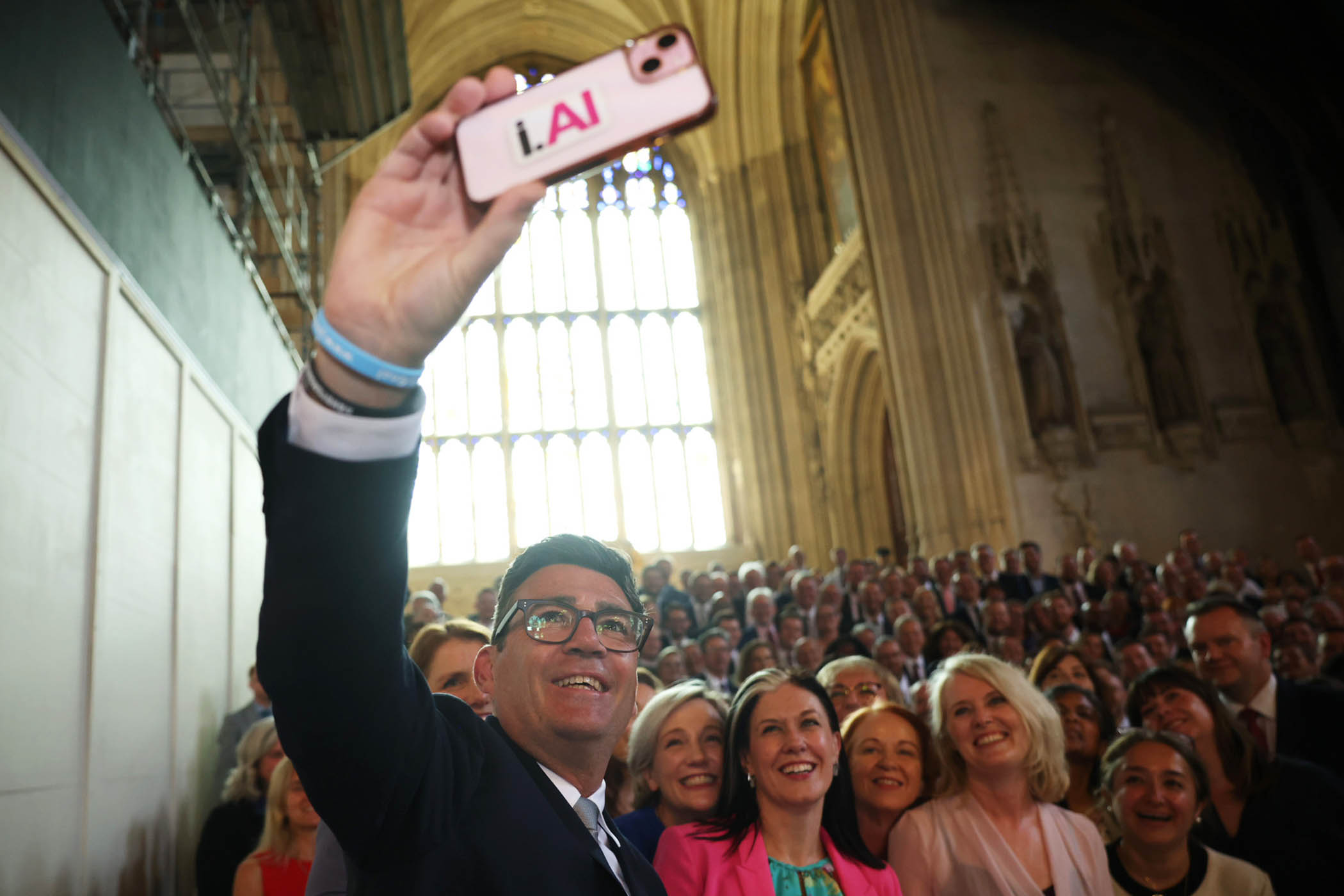
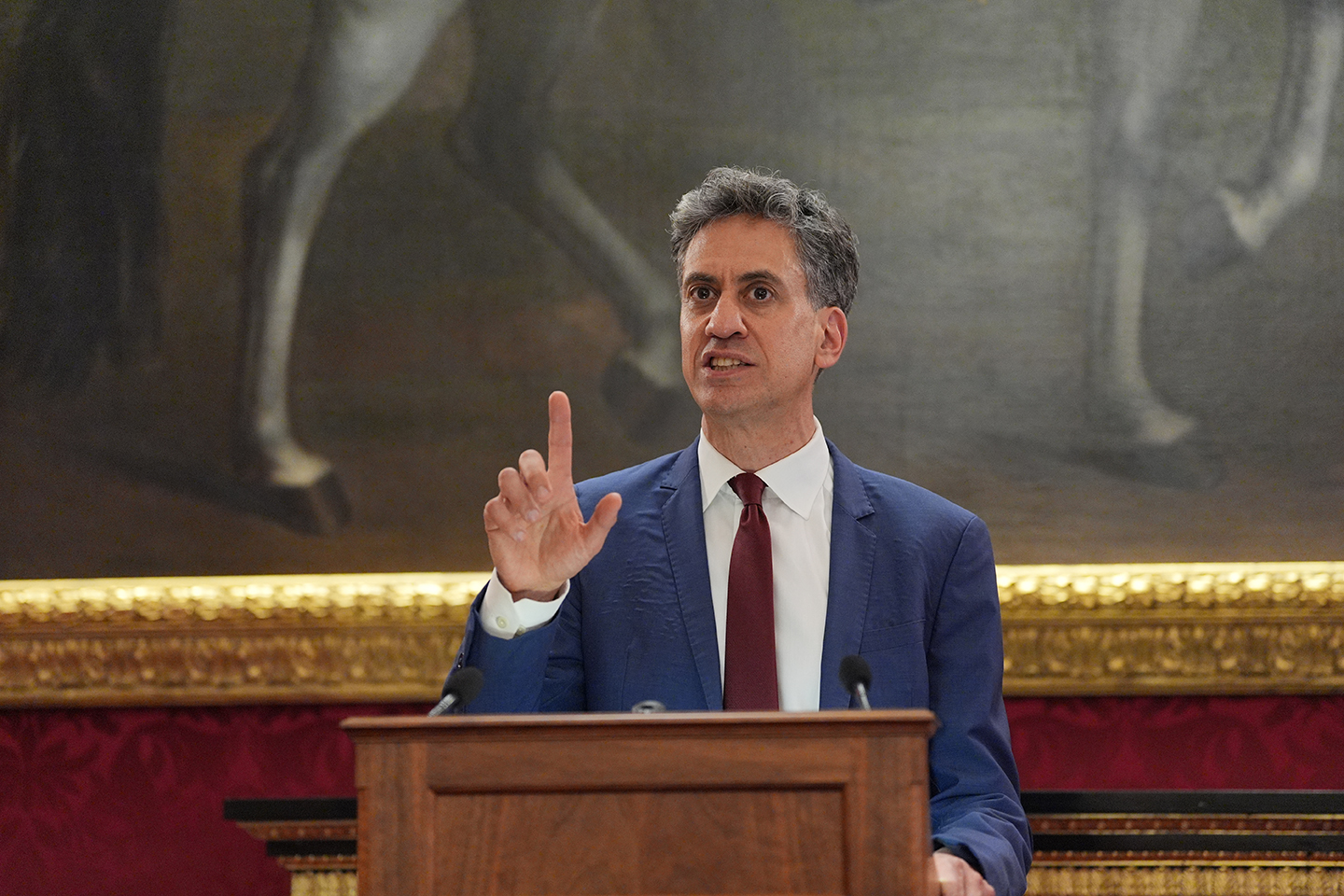
“It is daunting,” acknowledges one of his allies. The intense struggle over who he should make chancellor – a case of Ed Miliband versus Anybody But Ed – is the most vivid aspect of ferocious jockeying for position in the new order. The incoming prime minister and many of the parliamentary Labour party don’t know each other. I bet he’d struggle to name quite a few of the Labour MPs who thronged to join the celebratory selfie he took in Westminster Hall. So smallish groups of colleagues are being brought along for a chat with the leader presumptive in a frantic whirl of political speed-dating.
M is for Mandate. The absence of one is a challenge which will make governing more difficult. There is no constitutional bar to changing prime ministers between general elections. It has already happened 10 times since 1945 and both the major parties have done it. The sense that the portal of Number 10 has become a revolving door is because this will be the fifth time in a decade that a party has swapped prime ministers without consulting the electorate. People don’t much like it. Pollsters report that a substantial majority feel it is wrong that somebody can be parachuted into Downing Street thanks to 24,927 voters in Makerfield and on the say-so of 403 feverish Labour MPs. Becoming prime minister without an electoral contract can be psychologically sapping. In his memoirs, Gordon Brown says he never wanted to call an early election after he took over from Tony Blair mid-term, but acknowledges, “I would have preferred my own mandate.” One of his allies once told me he thought Mr Brown was forever “looking over his shoulder” because he relied on a “borrowed” majority rather than one he had secured in his own right.
Many of the problems in his in-tray are familiar, but Mr Burnham will want to demonstrate that he represents a fresh start. Otherwise, he’ll soon have both voters and his own MPs asking: “What was the point?” At the same time, his scope to implement radical change is constrained by the commitments made in the 2024 manifesto, which he says he will honour. The lack of a personal mandate could make it harder for him to drive through reforms that are necessary but contentious because opponents will question the legitimacy of his authority to do so.
As every predecessor has done, he’s promising change. There are just over three years to go before the last possible legal date for the next general election. In practice, this means that significant reforms will have to be legislated for in the next 12 months or so if they are to have a meaningful impact before the country next chooses a government. The incessant churn of Number 10 staff during the Keir years was debilitating for government. The new boss will need to get his personnel appointments right first time. The preferences he has revealed so far are intriguing. He’s drawing on advice on the economy from Lord Jim O’Neill, a former chairman of Goldman Sachs and the “Northern Powerhouse” minister at the Treasury during the Cameron years, and Andy Haldane, who used to be the chief economist at the Bank of England. James Purnell, an old friend from the Blairite wing of the party with experience of running organisations, is being tapped as the next chief of staff at Number 10. That indicates a pragmatic preference for smart people with an interest in getting stuff done. It also suggests that Mr Burnham doesn’t altogether mind ruffling feathers on the left of his party, where there are already some squawks of complaint.
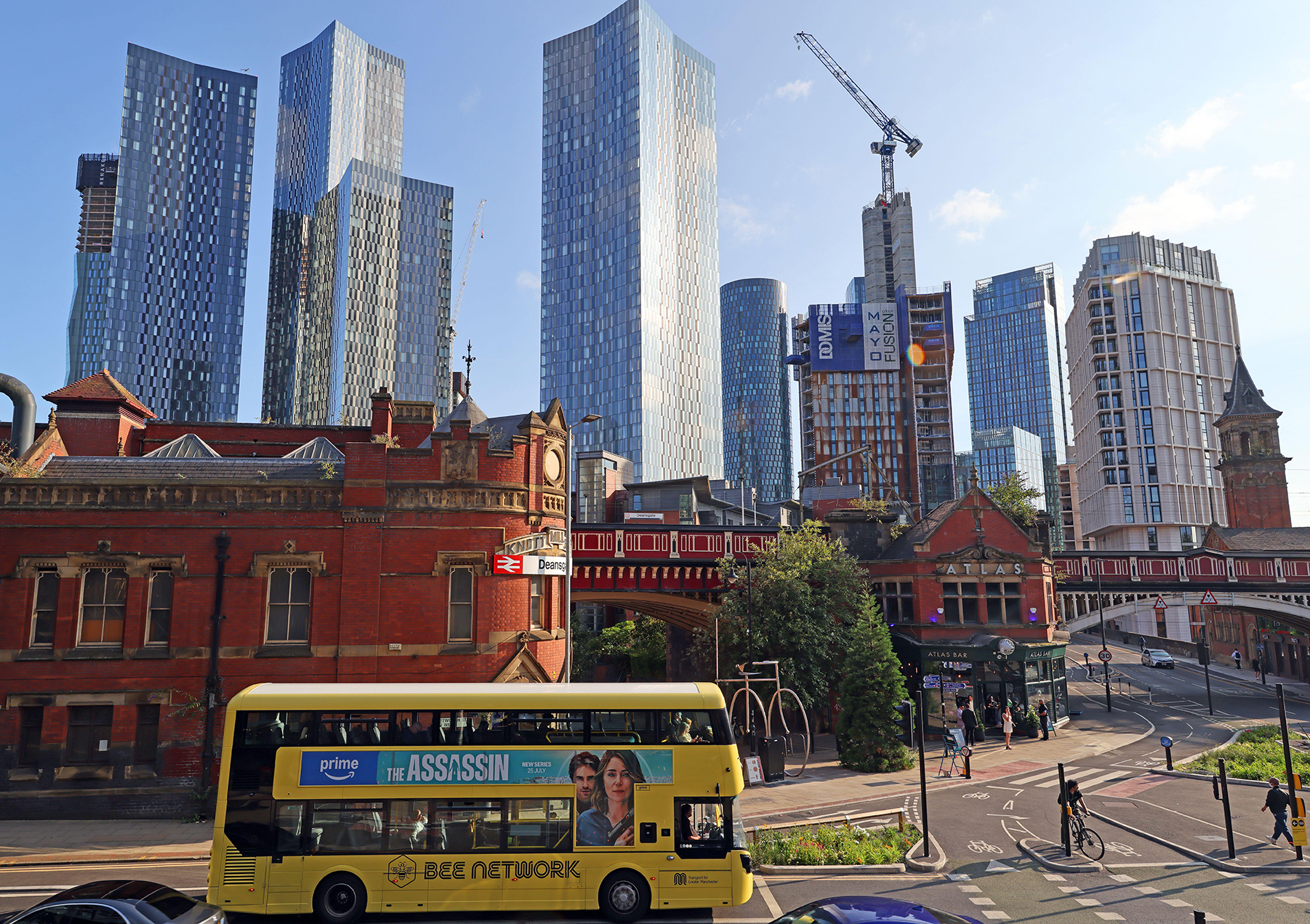
He’ll want some “quick wins” to sustain momentum. Dealing with the much-reviled water companies and doing something about energy bills are candidates. No one wants another alphabet soup of “missions” and “milestones”. It will be essential to organise his government around clearly articulated priorities, relentlessly pursued. He could fix on driving through reform of social care, a consistent pre-occupation since he was health secretary in the first decade of this century. He sounds at his most authentic when he argues for making the UK much less London-centric. Decentralisation and regional development will be key components of the speech on the economy he will make on Monday. It will be pored over as intently in the markets as it will be by Labour MPs. Unless his government is sharply focused on encouraging more economic growth, Labour will never have the money to do all the things that it wants to do.
Some on Team Burnham liken their task to rebuilding an aircraft while it is in mid-flight. Air Andy is jetting to Downing Street with a tailwind from his party, but there will be much turbulence to master if he is not to plunge from the sky like every one of the half-dozen people who have preceded him at Number 10 over the past decade.
Photograph by Dan Kitwood/Getty Images
Newsletters
Choose the newsletters you want to receive
View more
For information about how The Observer protects your data, read our Privacy Policy