
Tony Blair once told me that he would have stayed at Number 10 if he could. And he had a decade at that famous address. Margaret Thatcher made a tear-stained exit from the building and subsequently complained that she was the victim of “treachery with a smile on its face”. And she had enjoyed just over eleven years in the most powerful position in the land.
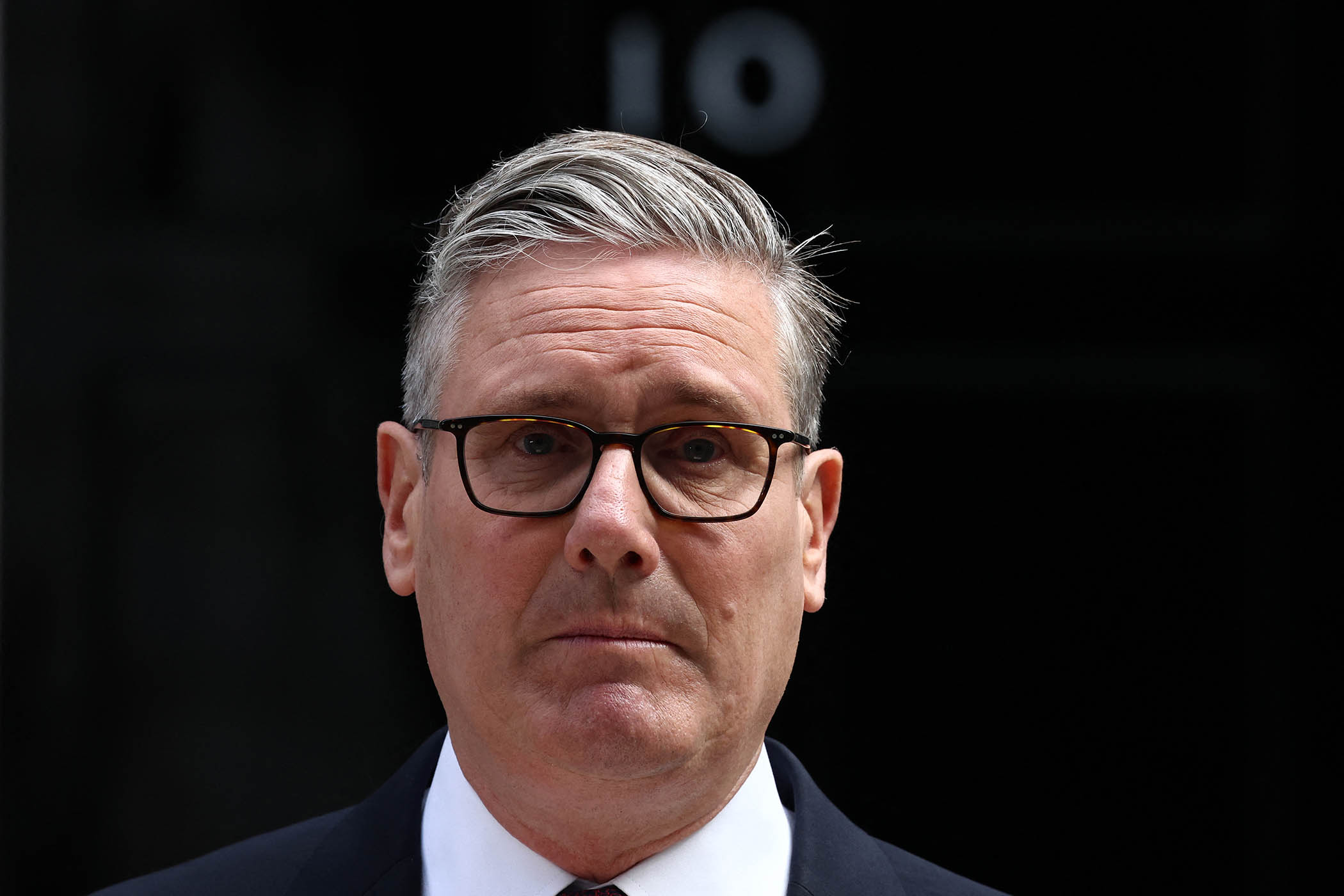
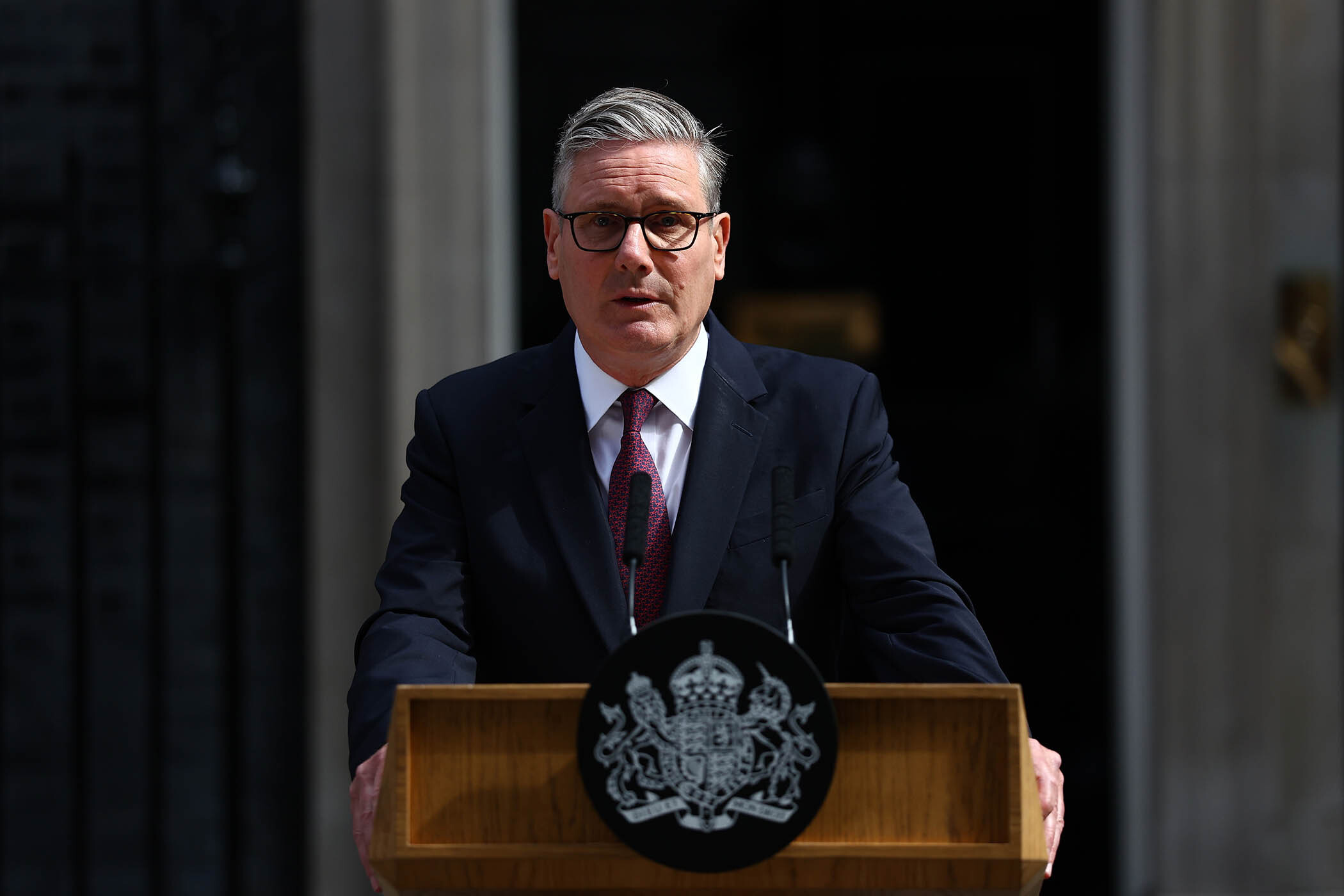
So it is not a great feat of imagination to sense how Sir Keir Starmer is feeling today. He will be very angry. He will be extremely bitter. He will be dreadfully sad. His voice was wobbly and he was visibly upset towards the end of the resignation announcement he made in Downing Street this morning as he thanked his family for their support and said that after leaving the “biggest job in the country” he will spend more time on “the most important job”. Voice near breaking, he said he planned to be “the best husband I can to my fantastic wife,Vic, who has been a rock by my side, through good times and bad. And the best dad I can to my beautiful children, who are my pride and my joy.”
It showed an emotional side of a prime minister often accused of lacking the ability to make himself relatable to the electorate.
Though there was dignity to the announcement of his departure, there is no doubt in the minds of any of his senior colleagues that he is standing down with the most extreme reluctance. “He is a proud man in the old-fashioned sense of the world,” says someone who has known him for many years. He is also a stubborn man, an ambitious man, a competitive man and a man whose life had been defined by repeated success until put to the ultimate test of running the country.
He took charge of the Labour party in the wake of its most calamitous defeat since the 1930s. When many thought it was mission impossible to turn things around in a single parliamentary term, he then took Labour to a landslide victory in July 2024. “Walking up this street two years ago was the proudest moment of my life,” he said on Downing Street this morning. He dwelt for a long section of his speech on how he turned around a party that was “politically, financially and morally bankrupt” when he became leader. That’s an indication that he thinks it a stupendously insulting reward for that victory to be impelled to announce his resignation less than twenty four months later. A man who once entertained an ambition to be in Downing Street for a decade will have a tenure which is the shortest of any of the Labour prime ministers to have occupied Number 10.
It is a reminder that politics doesn’t do gratitude. The seething mass of Labour MPs have not been interested in who got them there in the first place. They have become increasingly and intensely agitated about what will happen to them at the next general election. There have been some positive indicators about the government’s performance of late, including falling NHS waiting lists. Yet paradoxically that has hurt him more than it has helped him because Labour MPs lost faith in his ability to sell success and communicate any sense of optimism. The outgoing prime minister acknowledged that from the podium when he declared: “The question my party is asking is whether I am best placed to lead us into the next general election. I have heard the answer of my parliamentary party to that question. And I accept that answer with good grace.”
Does he really? As the question of whether he could carry on became increasingly sharp, he repeatedly and defiantly declared that he would fight any leadership challenge. For a long time, it looked as if he meant it. But as Lyndon Johnson once observed, one of the most important talents in politics is the ability to count. In the wake of Andy Burnham’s victory in the Makerfield byelection, it was becoming abundantly clear that authority was draining away from Sir Keir as he lost the confidence of a majority of the parliamentary Labour party. When he canvassed opinion among the cabinet on Friday and over the weekend, more than half a dozen of them told him that it was game over and he needed to announce a timetable for his departure. Several of his senior ministers warned him directly that he faced humiliation if he insisted on contesting a leadership challenge.
Though Sir Keir has often been accused of being bad at the business of politics itself, he is enough of a politician to grasp that his struggle for survival was lost.
Over time, attitudes towards him will likely soften. There will be more recognition of the oppressive nature of the legacy he inherited from the Tories and of his skill navigating a highly challenging geopolitical environment. As time lends perspective, his virtues as a prime minister will get more attention than they do today. His successor – and it now looks a racing certainty that this will be Andy Burnham– will run into trouble and unpopularity. For as Sir Keir knows, that is an occupational hazard of being prime minister, especially during a period when it is fearsomely difficult to be a popular incumbent. When things get rough for the next occupant of Number 10, there will be a lot of interest in the opinions of Sir Keir. He promised “my successor my full and unequivocal support”. Well, let’s see about that.
Photograph by Henry Nicholls/AFP via Getty Images
Newsletters
Choose the newsletters you want to receive
View more
For information about how The Observer protects your data, read our Privacy Policy