The Makerfield byelection has coincided with widespread coverage marking the 10th anniversary of that controversial Brexit referendum.
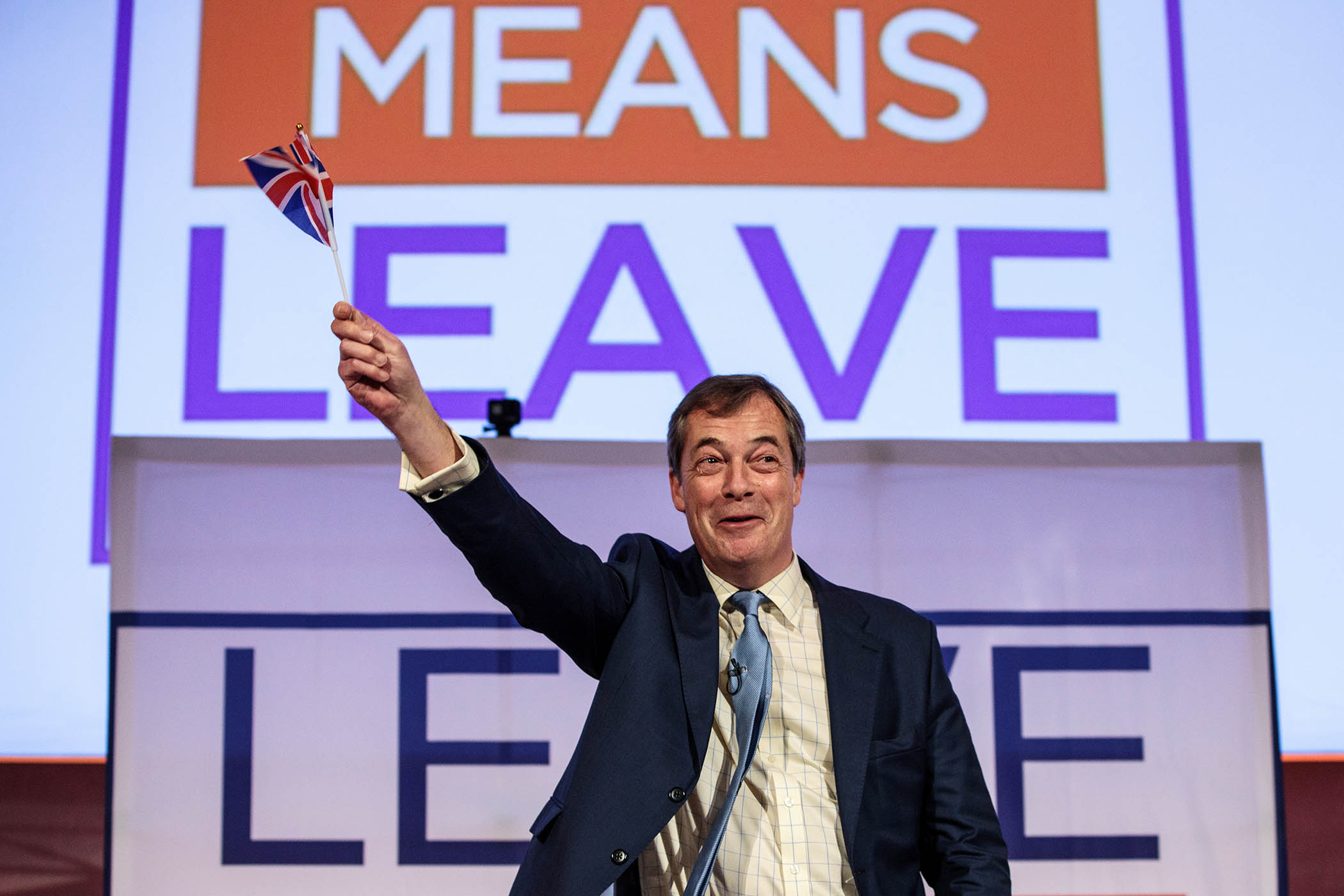
Ironically, although Brexit is recognised by most observers to have been an unmitigated disaster, the threat to Labour from Reform UK dominated the run-up to the byelection. Yet Reform was born out of Ukip, whose leader, Nigel Farage, was one of the leading culprits responsible for Brexit.
We are told by pollsters that both the referendum result itself, and the present discontent fuelling dissatisfaction with the state of the nation, reflect hostility towards the “establishment”. Both Conservatives and Labour failures have offered Farage and his ilk ample material to stir up trouble.
A Reform victory at the next general election would in my view be a national tragedy compounding the damage wrought by Brexit. This is why so many of us welcome the resounding defeat of Reform in Makerfield, and hope it signifies the beginning of the erosion of public support for Farage and his snake-oil policies.
Now, the point I have made for some years in this column is that while our present economic and social problems have several causes, there can be little doubt that they have been severely aggravated by the impact of the UK’s decision to absent itself from its biggest trading partner, namely the European Union.
The then chancellor, George Osborne, and the Treasury were laughed at for predicting Brexit damage
The then chancellor, George Osborne, and the Treasury were laughed at for predicting Brexit damage
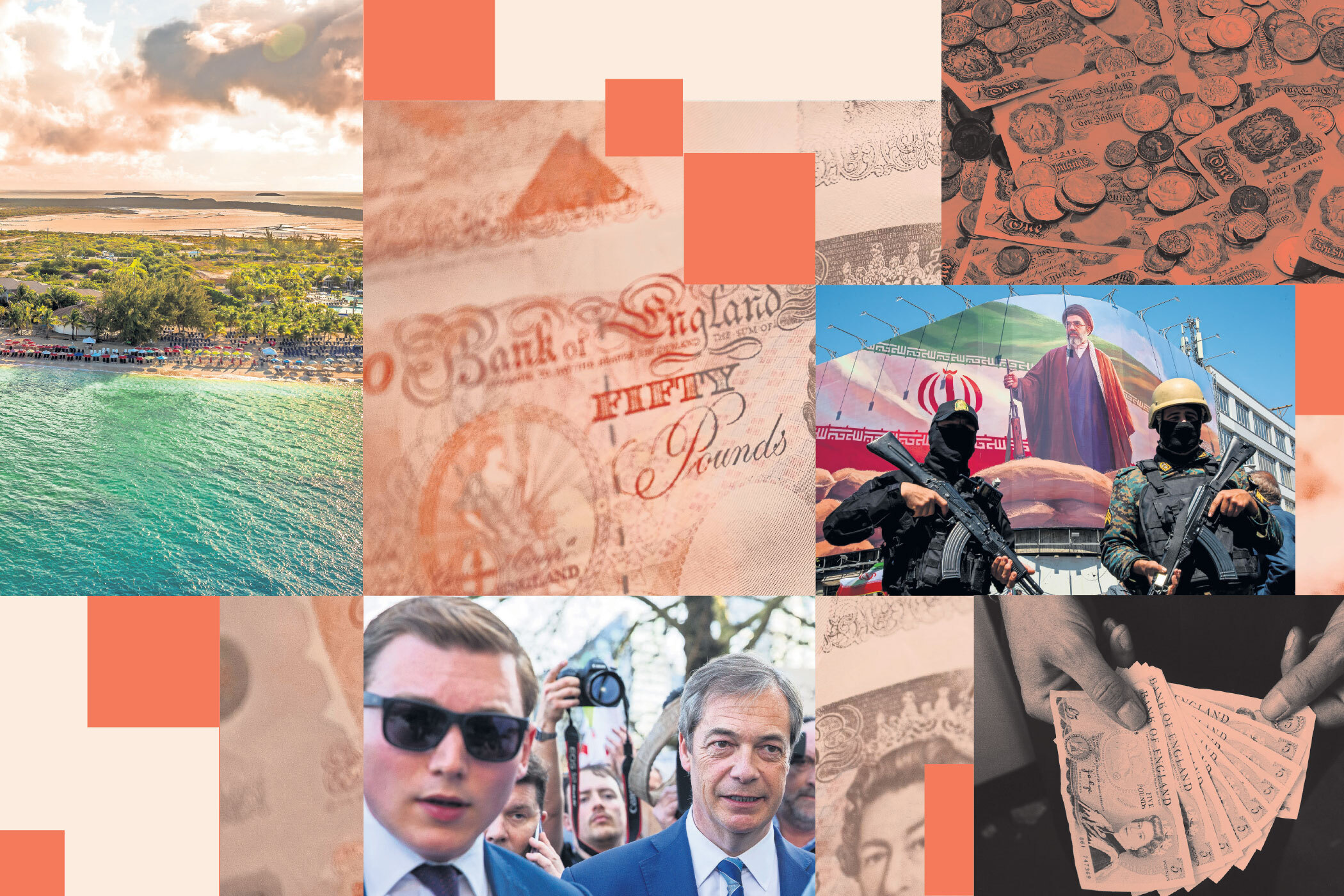
This emerges loud and clear from a number of studies of the impact of Brexit, the most impressive to my mind being that by Prof Nick Bloom of Stanford and colleagues, which puts the longterm economic impact at an annual loss of 6%-8% of economic output. Consider! This implies that something like £70bn-£100bn a year in potential tax revenues has been lost.
This has made it harder for the government to finance the solutions to all manner of problems, including the present embarrassment over our failure to meet our Nato commitments in the face of the threat from Vladimir Putin’s Russia.
As Norma Percy’s recent series Brexit: A Very British Civil War on BBC2 reminded us, the then chancellor George Osborne and the Treasury were laughed at for predicting Brexit damage. Their longterm forecast was that there would be a 6% loss to annual output. This has since been borne out by numerous studies.
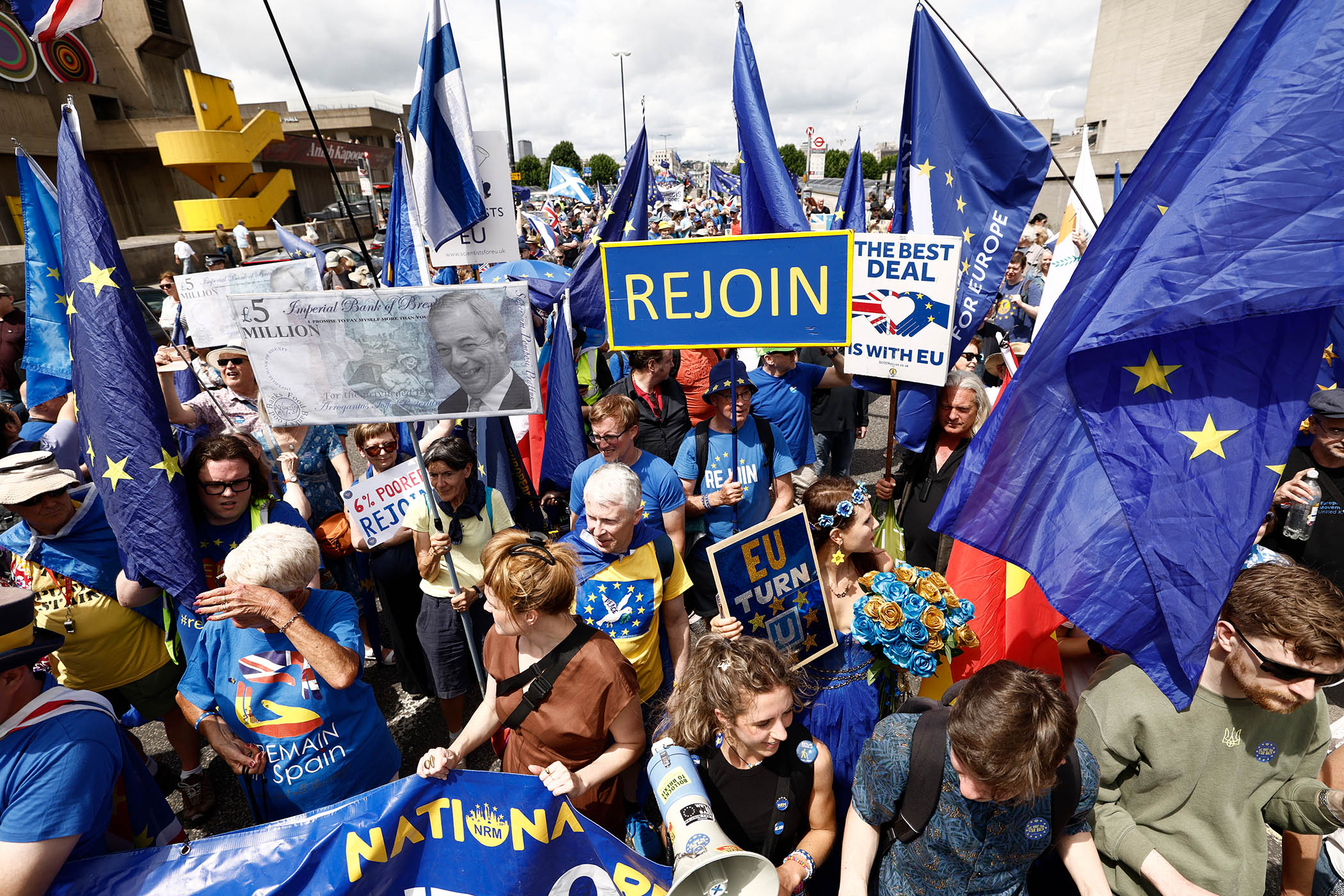
I remain convinced that rejoining the European Union’s single market would be a boost to our beleaguered economy, not least in attracting overseas investment. Our membership of the single market was a great attraction to foreign firms.
At present there is a certain amount of pessimism about the terms on which we might rejoin, but Michel Barnier, the French official who negotiated the EU’s position on Brexit terms (while baffled by the vote to leave), told the Guardian last week that the UK could even regain “special terms” if it rejoined the EU. He said the evidence that the UK had made the wrong choice in leaving the EU was becoming clearer every day. I agree.
Newsletters
Choose the newsletters you want to receive
View more
For information about how The Observer protects your data, read our Privacy Policy