Britain aspires to lead the world in tackling dirty money. But distracted by chaos in Westminster and abroad, and under pressure to clean up its own backyard, the government has delayed the international summit on illicit finance it was due to host this week. Whether this will help or hinder its efforts remains to be seen.
The official reason for the delay to early December is to “enable broader participation” and secure “the strongest possible international commitments”. Other potential explanations include the immediate distraction of the crucial Makerfield byelection on 18 June, five days before the planned summit, and the fact that too few countries had agreed to attend.
The government is said to have sent out invites late and to have set a fairly unexciting agenda, probably due to the loss of heavyweight leadership from David Lammy – whose brainchild the summit was – after he left the Foreign Office to become deputy prime minister and justice secretary.
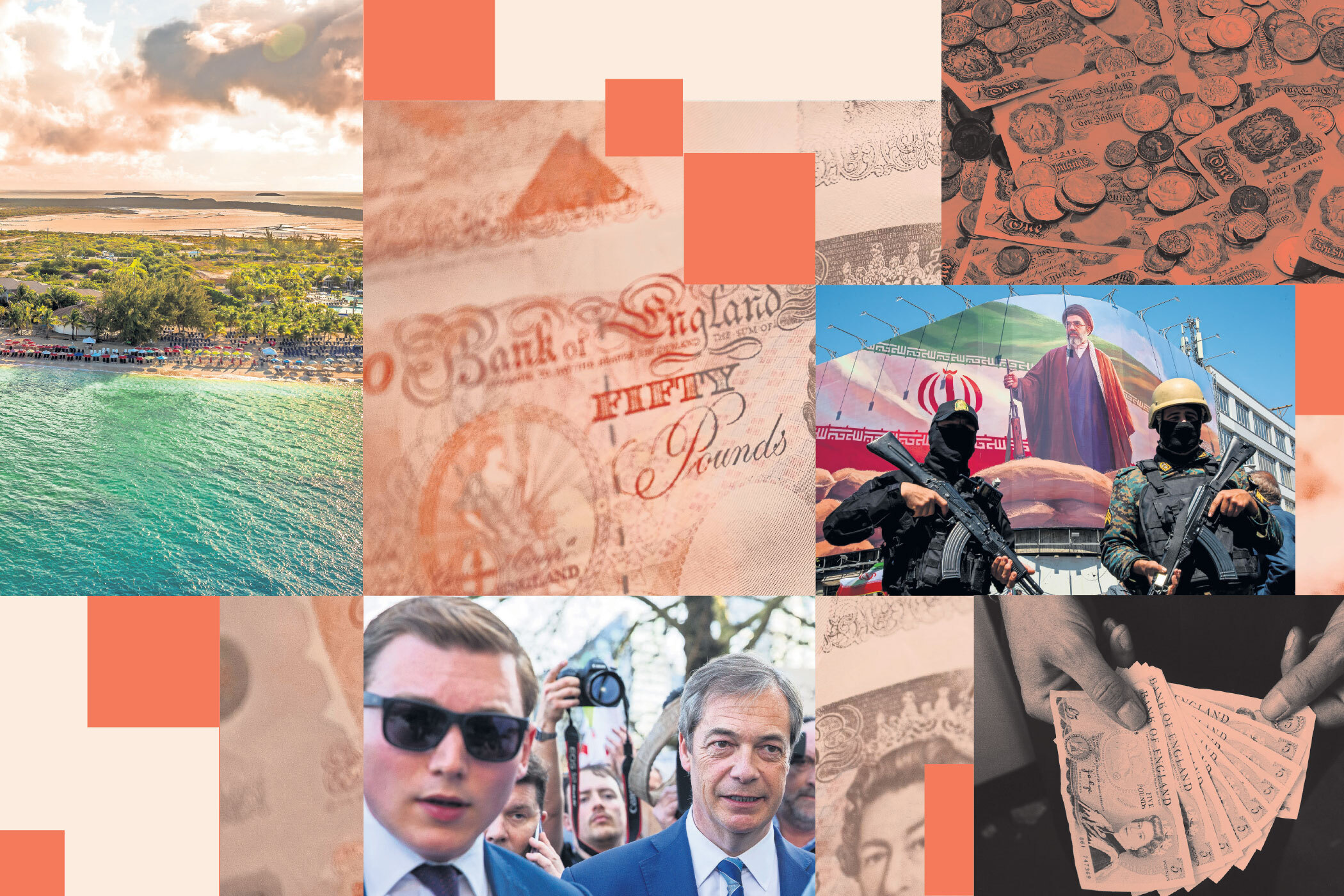
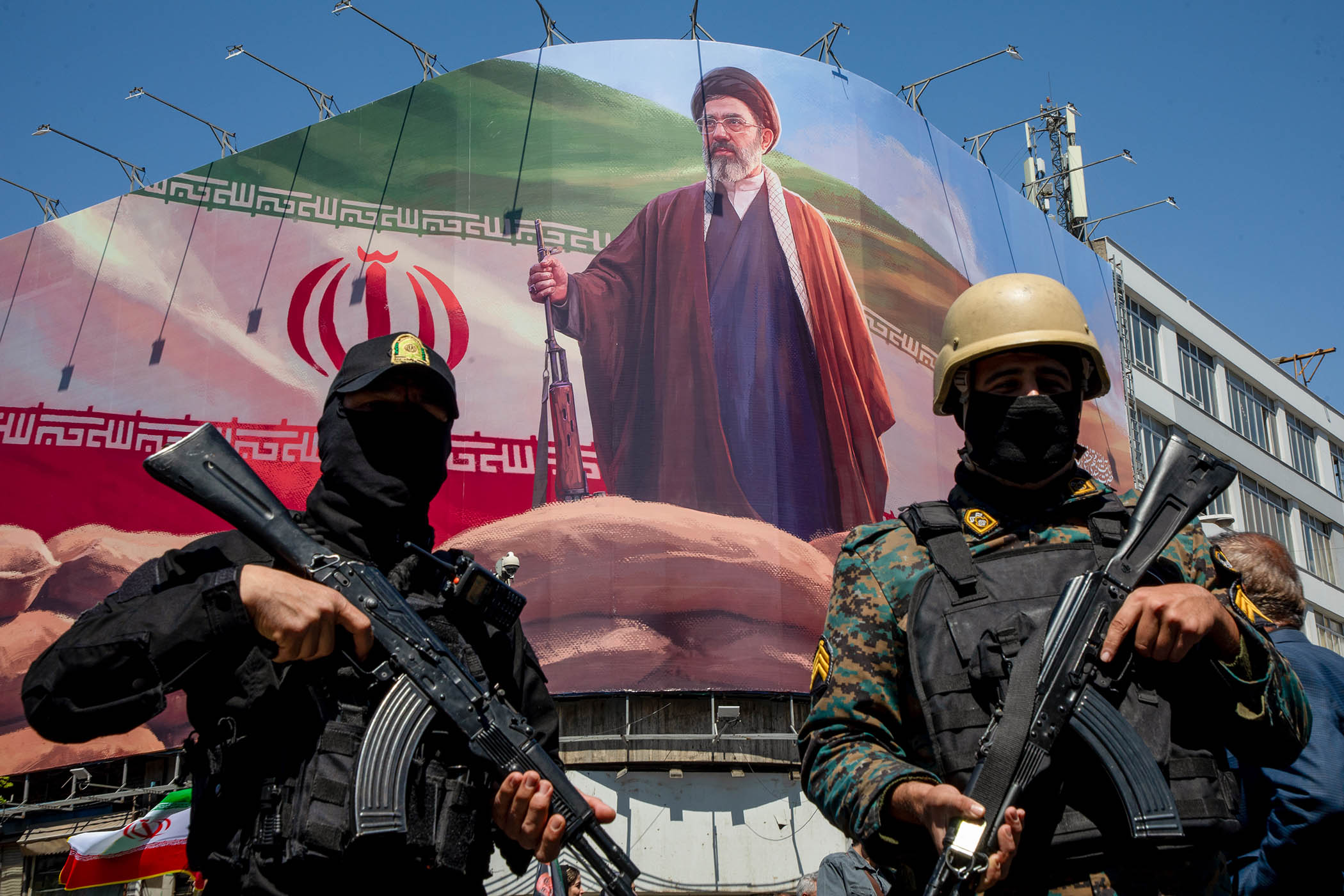
Yvette Cooper, the new foreign secretary, is believed to be committed to picking up the baton, but has been distracted by more pressing international events. The timeliness of the cause was not in doubt and concerns were raised by a Bloomberg investigation into Mojtaba Khamenei, which drew fresh attention when he became Iran’s new supreme leader in March, linked him to a dozen mansions on London’s exclusive Bishops Avenue, held through an Isle of Man entity. Yet a thin summit convened by a handful of nations might have struggled to be heard while war raged in the Middle East. The coalition of non-profits leading the fight against dirty money seems remarkably sanguine about the delay; some even hope it will deliver a better outcome than pressing ahead this month would have done. The risk, of course, is the opposite: that delay becomes drift.
Six more months gives the UK a chance to bank some enforcement wins, sharpen the agenda and align the summit with the start of its G20 presidency, which formally begins around the same time. Britain will also take on the presidency of the international Financial Action Task Force, around a year before its assessors are due to audit Britain’s anti-illicit finance regime for the first time in nearly a decade.
There is certainly a leadership void to fill internationally, now that the US has turned its back on the effort and arguably joined the dark side. Though sometimes hypocritical, for decades the US drove the global financial-transparency architecture, from the Bank Secrecy Act to the hard-won Corporate Transparency Act. But in March 2025 the US Treasury gutted it, narrowing beneficial-ownership reporting to foreign companies, exempting American firms and citizens entirely, to rein in “burdensome regulations” in service of growth, as Treasury secretary Scott Bessent put it.
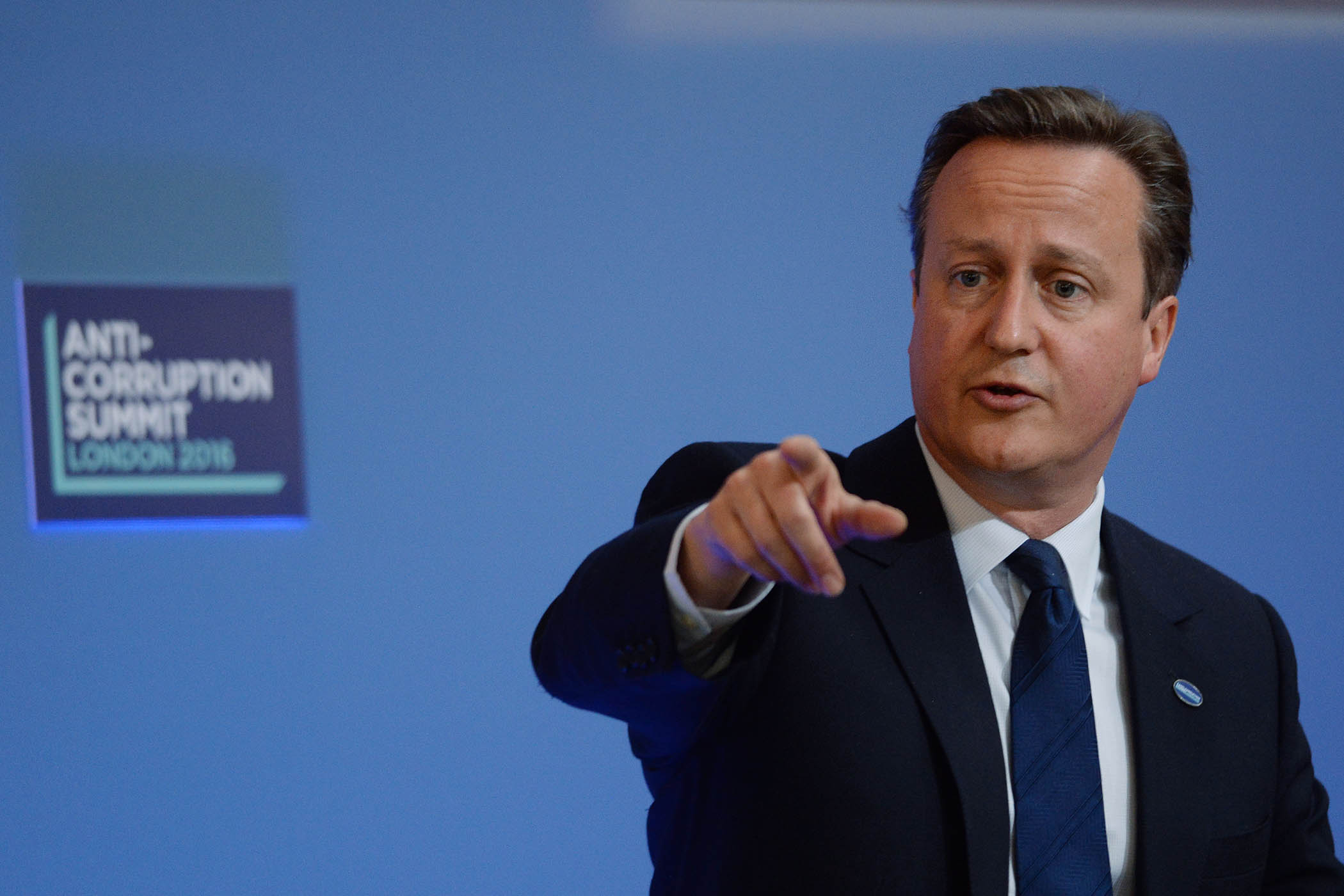
That hands Britain a chance it has half-taken before. The summit will take place a decade after David Cameron convened the London Anti-Corruption Summit of May 2016, shifting public registers of beneficial ownership from fringe demand to mainstream commitment. Yet within a few years, mostly because of a lack of meaningful enforcement of new rules and laws, Britain seemed to have become even more entrenched as the money-laundering capital of the world – as chronicled in books such as Oliver Bullough’s Moneyland and, most recently, Patrick Radden Keefe’s London Falling.
Russia’s full-scale invasion of Ukraine changed that, as the establishment’s turn against the oligarchs it once courted catalysed a broader effort to clean up. The golden visa that had welcomed investors of £2m no questions asked was scrapped. The register of overseas entities was implemented. Sanctions, designations and asset freezes followed, reaching well beyond London’s Russian community. Last June the National Crime Agency obtained high court orders freezing 342 UK properties, worth roughly £185m, linked to Saifuzzaman Chowdhury, a former land minister in the overthrown Bangladeshi government of Sheikh Hasina.
Building on this to lead a renewed international effort is an opportunity Britain should want to take, argues Labour MP Joe Powell, a former chair of the Commons all-party group on anti-corruption and responsible tax. Cleaning up finance “should be a strong progressive cause, given the volume of dirty money that goes through London and the overseas territories and dependencies”, he says, representing a rare chance “to do something international which is not just firefighting and reactive” and which, unlike so much of foreign policy, “doesn’t cost money in terms of the aid budget”.
Yet Steff Aquarone, a Liberal Democrat MP who secured a Commons debate on the summit on Tuesday, argues that the circumstances of its postponement are “indicative of this being worryingly lower down in the government’s priorities than it was a year ago” – a puzzling retreat, in his view, from an agenda that could “net billions more for the Treasury to reduce taxes and sustain public services”.
Newsletters
Choose the newsletters you want to receive
View more
For information about how The Observer protects your data, read our Privacy Policy
To be a credible leader of this international effort, Britain still has plenty of work to do to put its own house in order. The most glaring omission from the draft agenda for the postponed June summit – which was to focus on crypto, gold and property – was meaningful action on illicit finance havens such as Britain’s three crown dependencies and 14 overseas territories, of which only Gibraltar, Montserrat and St Helena run fully public registers of beneficial ownership. The rest, including the Caymans, the British Virgin Islands (whose former illicit finance reforming prime minister, Andrew Fahie, is in jail in the US for money laundering and other offences), Turks and Caicos, offer what they call “legitimate access” registers that campaigners say are throttled in practice by fees and qualifying conditions. The crown dependencies – the Isle of Man, Jersey and Guernsey – offer nothing public at all.
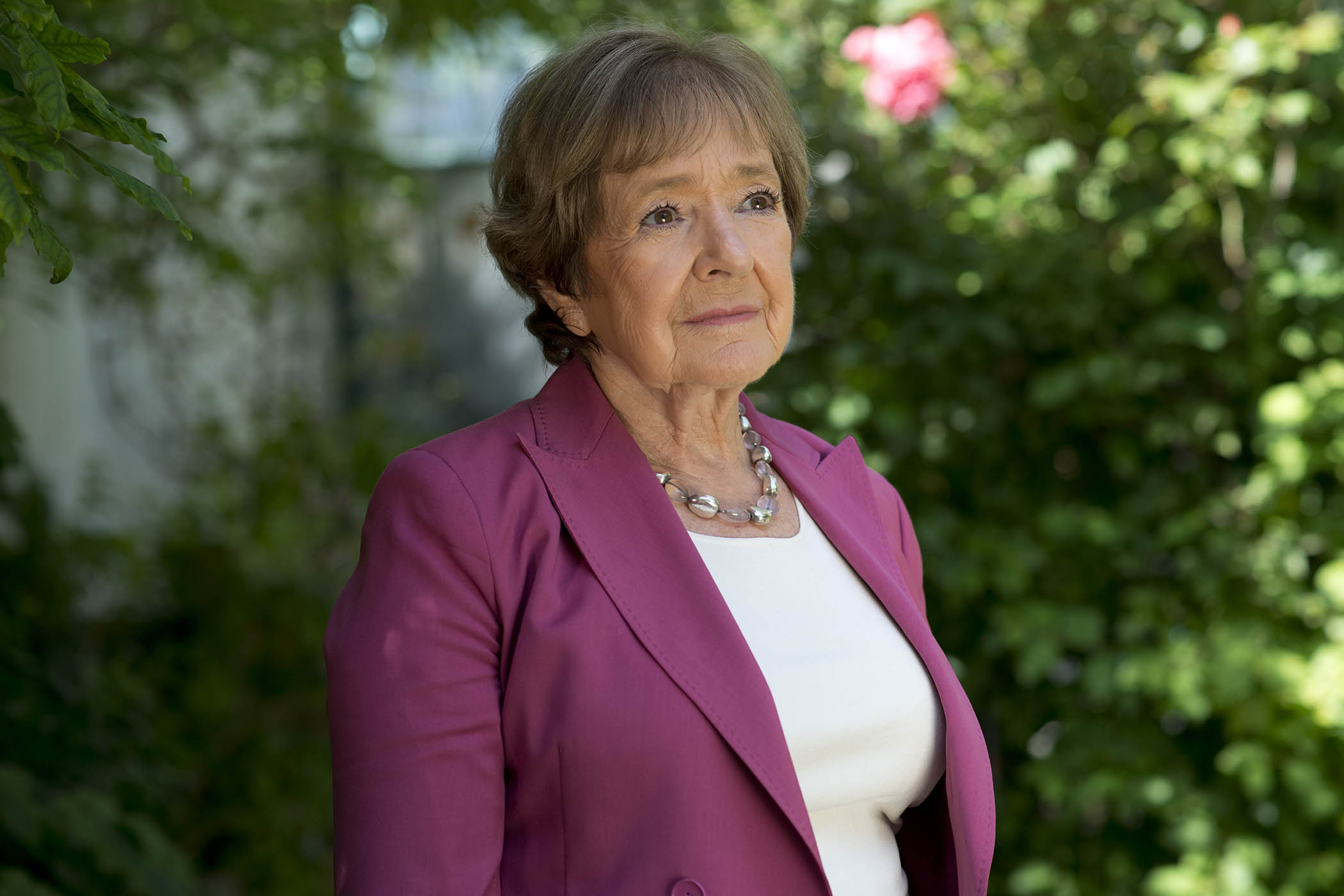
Baroness Hodge, the prime minister’s anti-corruption champion, has been trying to secure change by agreement but says she is running out of patience. After a visit to Guernsey this month yielded only a small concession – it agreed to share information with the British authorities, but not with campaigners or the media – she told The Observer that the government “faces a crunch decision” on what to do. Until now there has been a marked, and somewhat puzzling, reluctance by successive UK governments to wield a big stick – though for the overseas territories there is clear precedent that it has the right to do so, such as the decision to force legalisation of homosexuality in five Caribbean islands in 2000. There is more debate, and muttering about a possible constitutional crisis, regarding its enforcement powers over the three crown dependencies. But Hodge cites a legal opinion she obtained a few years ago from Lord Macdonald, a former director of public prosecutions, that for the British government to impose the change by Order in Council would be “totally legitimate”, particularly given the growing national security risks posed by illicit finance. So this probably boils down to whether there is the political will to act.
‘You will never get sustainable growth on the back of dirty money because you lose your reputation’
‘You will never get sustainable growth on the back of dirty money because you lose your reputation’
Margaret Hodge
The territories and dependencies should not be invited to the summit unless they have met minimum commitments to transparency about who the “beneficial owners” are of companies they register, argues Powell, adding that being excluded would represent a reputational red flag that, for all their past laxness, is not currently there. They remain a major black hole in the global financial system. For instance, Transparency International found that since the 2022 invasion of Ukraine, companies registered in the Overseas Territories facilitated almost £6bn of trade with Russia across some 29,000 transactions, using 145 opaque offshore vehicles, with Bermuda and the BVI the principal conduits. This included at least 160 yachts shipped to Russia.
Disclosing the beneficial ownership of property (as well as companies as is now required) is another priority, on which a government review is due to report before the summit. The register of overseas entities has proved a paper tiger: enforcement is so feeble that, on Transparency International’s analysis, only about 3% of fines for non-compliance have been collected. And the register does not include trusts, which are widely used for questionable property ownership. Action is finally under way on this, with draft regulations published in April that would let anyone request details of a trust’s beneficial ownership. Campaigners want these rules to go much further.
Enforcement in general is “pretty miserable”, says Hodge: the UK can freeze a sanctioned oligarch’s mansion but has no power to seize it and has yet to recover a single property from Putin’s cronies. Only one bank, NatWest, fined £265m in 2021, has ever been successfully prosecuted under the money-laundering regulations, and in 2022-23 the country recovered just £339m in criminal assets, tiny beside the tens or even hundreds of billions of pounds that campaigners claim Britain loses to laundering or fraud each year.
The other big target is the professional services enablers who make all this possible: lawyers, accountants, company-formation agents, and banks. The conviction in 2023 of a London solicitor, William Osmond, whose firm channelled £388m through an account for a single overseas client over 16 years, is a rare exception. The government’s promised single anti-money-laundering supervisor, under the Financial Conduct Authority, which is to be legislated via the financial services bill flagged in the recent King’s speech, will fold together 22 professional oversight bodies – a big step in the right direction, though it is likely to take a few years to get up and running. It is sure to be trumpeted at December’s summit as an example of how to get tough, at last, on those who actually dream up and implement illicit schemes for the rich.
Crypto is the area where Britain arguably looks toughest. Companies House has just moved to strike off Zedxion, a UK-registered exchange accused of routing around $1bn for Iran’s Revolutionary Guards behind a fictitious “director” lifted from stock footage. In May the Treasury sanctioned a cluster of exchanges in Russia’s “A7” evasion network, applying correspondent-banking restrictions to crypto platforms for the first time. It is also where the prize is most tangible: the jailing in November of “crypto queen” Zhimin Qian came with the seizure of more than 60,000 bitcoin, then worth over £5bn – the largest cryptocurrency haul ever recovered by law enforcement and the biggest money laundering case in British history by value.
How to tackle illicit gold is the least clear, and weakest. The government says it is financing Russia’s war in Ukraine and the carnage in Sudan, while campaigners put the global illicit gold trade at more than $30bn a year. Britain hosts the world’s largest bullion market yet has barely begun to install a regime to police conflict and sanctions-busting metal trading. A coalition of 34 civil society groups has warned that the government’s ambition falls far short of the threat.
All this can be beefed up, to some extent, if the government is truly committed. Yet the pendulum that swung toward action in 2022 can swing back, especially if tackling illicit finance is viewed as hurting growth. It is not hard to imagine transparency being quietly reframed, as in Washington, as burdensome regulation. Already, some ministers are weighing the reintroduction of the golden visa – a move that the UK Anti-Corruption Coalition warned would “roll out the red carpet to kleptocrats, criminals and spies” for minimal economic gain. Parliament’s Intelligence and Security Committee concluded in its 2020 Russia report that it was Britain’s “light and limited touch” regulation that helped turn London into a “laundromat” for illicit wealth. Short-term gains were bought at a long-term cost to national security. Hodge is dismissive of the growth argument, insisting that “you’ll never get sustainable growth on the back of dirty money, because you lose your reputation”.
Where alternative Labour prime ministers to Keir Starmer stand on this is unclear. And while there are still Conservatives committed to the cause, none more so than Andrew Mitchell, who forced through the 2018 amendment requiring public registers in the overseas territories, there is strong pressure for the party to embrace an uncomplicated deregulation agenda, not least because Reform seems hell-bent on it. It is hard to ignore the symbolism in the fact that George Cottrell, a long-time fundraiser and confidant to Nigel Farage, was jailed in the US after a money-laundering sting in which he offered to wash criminal proceeds. His book, How to Launder Money, was presented as an exposé of the uselessness of the current regulatory regime; it could just as easily be read as a textbook on how to avoid it.
December’s summit, dovetailing with the G20 presidency, is a rare alignment of opportunity and convening power. Labour’s Joe Powell believes it can result in the creation of an effective new “coalition of the willing” on illicit finance, bringing together EU states, Canada, Australia, Indonesia, Korea and others “ready to act together rather than defaulting to the lowest common denominator”. He envisages a deliberately post-American design: a grouping that does not need Washington in the room to set a higher standard – which, given where the US stands now, may be the best that can be achieved. The danger is that a distracted government will drop the ball.
Photograph by Mark Kerrison/Alamy, WPA via Getty Images, Sophia Evans/The Observer, Majid Saeedi/Getty Images