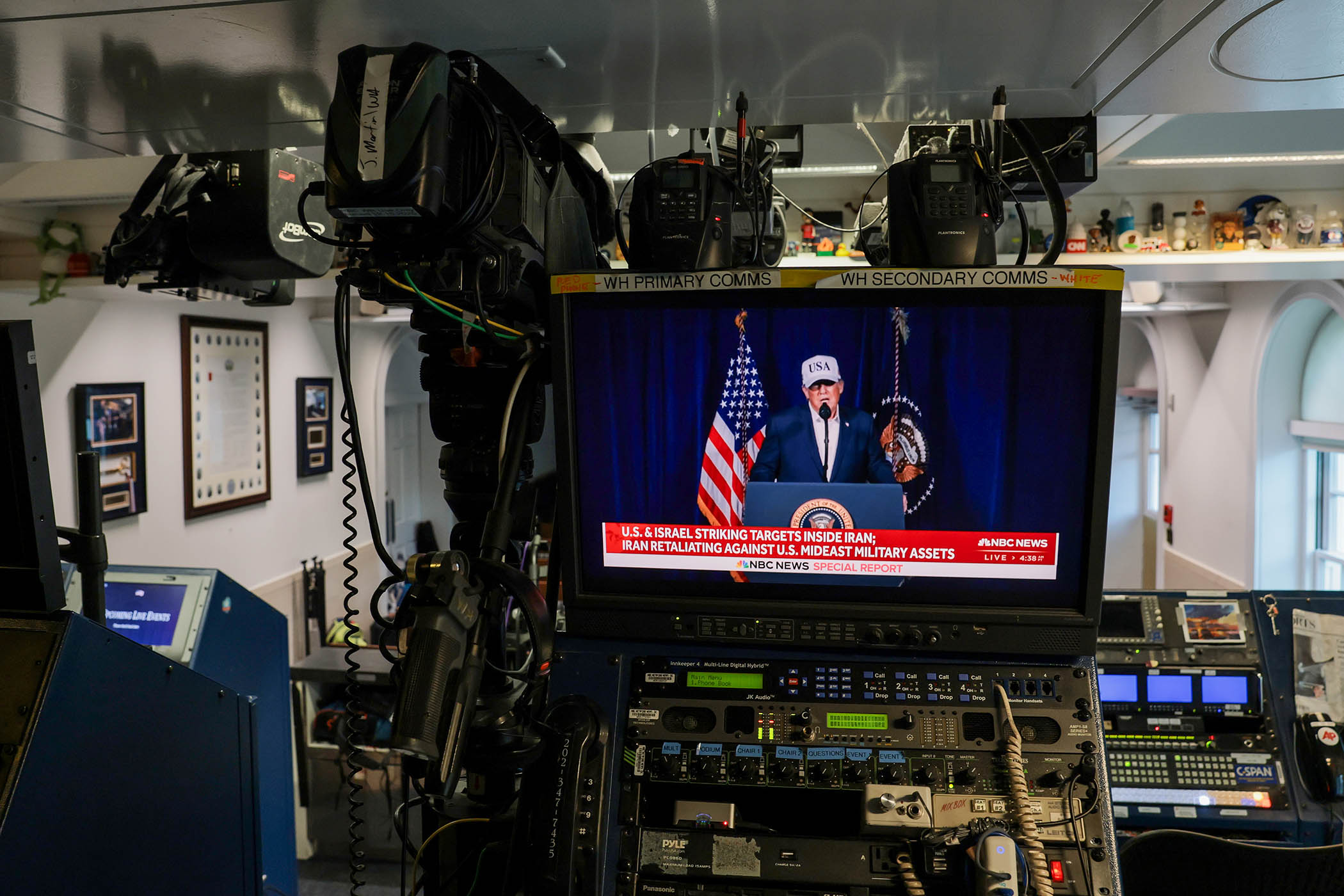

President Trumpwarned the US yesterday that American lives could be lost in the furious offensive he was about to launch against Iran. He was right about that risk. Within a few hours, US bases in Bahrain and Qatar, as well as multiple targets in Tehran and at least seven other Iranian cities, were under bombardment.
Starting any war is fraught with risk. Starting one with Iran without congressional approval, UN consultation or allies, apart from Israel, looks like an invitation to disaster. Critics of this president should pause, though, and consider: is this a moment of historic weakness for Iran? And if so, what would be the risks of doing nothing to exploit it?
In 1991, preparing for the first Gulf war, the first Bush presidency made much of having learned the lessons of Vietnam. It would invade Iraq with overwhelming force and clearly defined goals, and disengage once they were achieved. In 2024, Trump assured voters he had relearned that lesson after the quagmire of the second Gulf war and would abstain from wars – especially wars of choice. He was quickly accused yesterday of starting a new one without clear goals. In fact, they could not have been clearer: he wants to deny Iran a nuclear weapon and to topple its regime.
Both are understandable ambitions. North Korea has shown how a rogue state can defy international norms once nuclear armed. Iran’s theocracy has shown it has no compunction about exporting terror and has no mercy for its own people when they demand a better life. Tens of thousands have been killed this year alone for daring to protest. The question now is whether a more responsible US president could have done more for them without risking an anti-American backlash within Iran or igniting a wider regional conflict in the Middle East.
The answer: almost certainly. Trump did not help himself or his country’s standing with a White House address that was pure self-parody and may yet be remembered chiefly as a distraction from the Epstein files. He may be pilloried for excessive faith in US air power and in the willingness of Iranians to risk their lives again at his behest. He will resurrect bitter memories of Iraq – a war begun with hubristic confidence in western power and no plan for the peace. Innocent lives have already been lost.
It should not be forgotten that Iran has been a global menace for nearly half a century. Ayatollah Ali Khamenei, who was last night killed in an assault on his compound, according to Reuters’ reports, had no mandate. He killed, tortured and enriched himself and impoverished his country. He exported fear and murder abroad. The regime in Tehran has visited worse upon its own people and its neighbours. But this is a dangerous, impulsive war, with no clear idea of what comes next.
Christopher who?
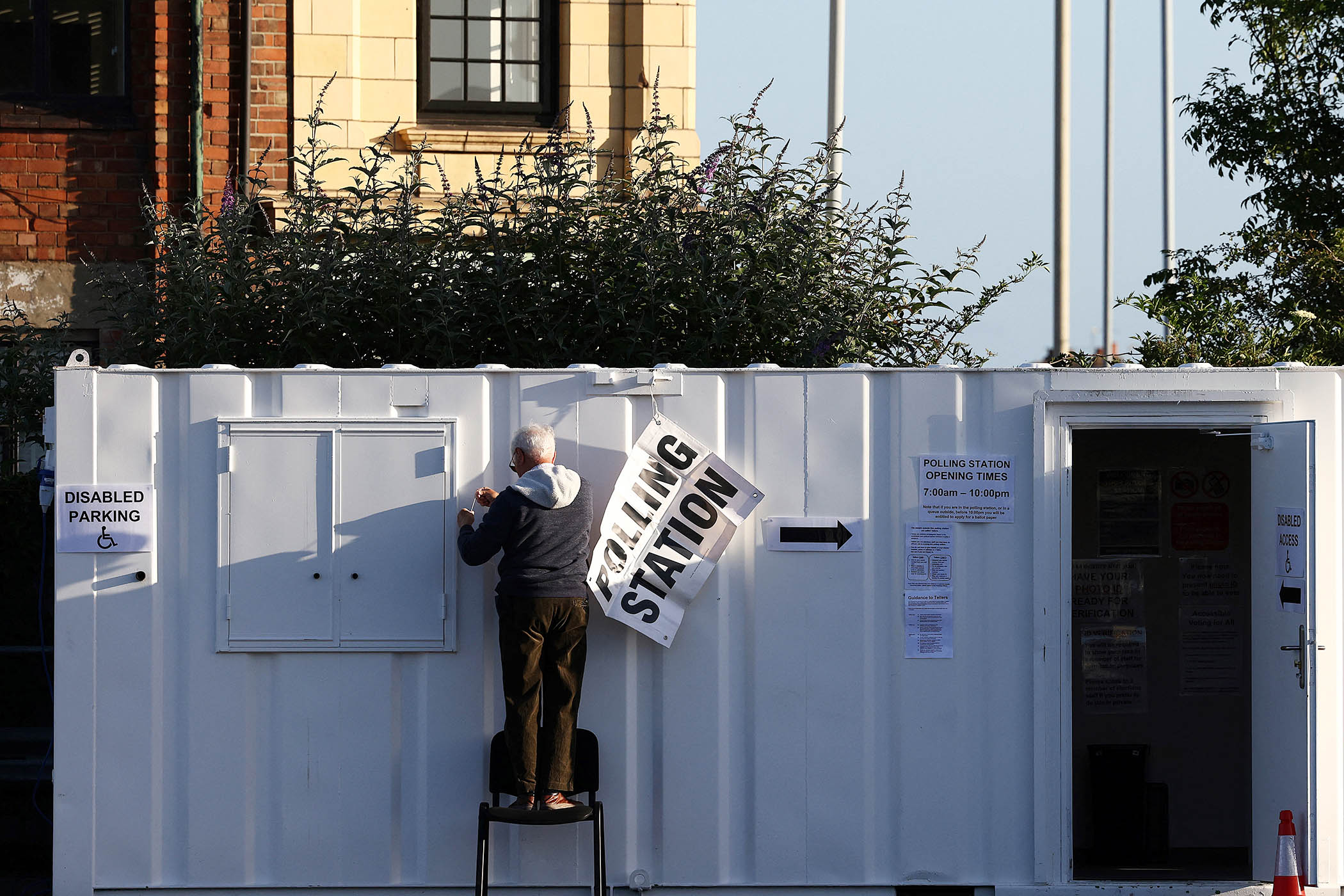
In May, a party founded eight years ago, with no record in national government and only eight MPs, will fight elections in Wales and Scotland, and for control of councils across England, with every chance of winning many of them. British politics is being reshaped by Reform UK. This is a result of Nigel Farage’s personality and of Christopher Harborne’s money – £9m, the biggest single donation in British political history, from a fortune amassed largely through cryptocurrency investments. The party would not be able to field candidates, run social media operations or door-to-door campaigns if it weren’t for the Harborne war chest. There is a template for crypto-funded campaigning – in the US, where it is viewed as having led to securing crypto-friendly legislation and sweetheart deals to enrich crypto charlatans and undermine transparency and accountability in politics.
Reform threatens to destroy the Conservatives as a party of government and divide communities, increasingly along ethnic lines and with overtly racist arguments. It also poses the most serious threat to Keir Starmer’s stumbling government. Harborne lives in Thailand and owns a 12% stake in the Tether stablecoin. Little else is known about this intensely private man. Yet he can influence the course of politicsfrom seven time zones away, seemingly without either much of a business or life in the UK. It’s a lot like overseas interference in British democracy.
Didn’t someone once say: “Take back control”?
Photograph by Anna Moneymaker/Getty Images
Newsletters
Choose the newsletters you want to receive
View more
For information about how The Observer protects your data, read our Privacy Policy