There has never been a British political donor quite like Christopher Harborne. There have been donors who gave a lot, and donors about whom only a little was known. But a donor so generous with his money and so parsimonious about divulging what makes him tick is something new.
The £9m Harborne gave to Reform UK last August was the single biggest political donation ever made by an individual in the UK; more than twice as much as all those declared by the Conservative party in the same quarter of last year (in a bumper quarter for them), and four times what Labour pulled in. He gave an additional £3m in November, according to the Electoral Commission.
The few known facts about the man who gave the money are recited whenever he is mentioned, as if they add up to something. He has lived in Thailand for perhaps 25 years, he goes by Chakrit Sakunkrit as well as Christopher Harborne, his businesses are mostly to do with aviation but his real wealth comes from cryptocurrency. He gave small sums to the Conservatives starting a couple of decades ago, but over time he got serious: £6m to the Brexit party in 2019, and £1m to the office of the then Tory PM Boris Johnson in 2022, before Reform hit the jackpot last year.
“Anyone can give a donation or loan to a political party,” according to the Electoral Commission, which regulates these things. It adds that “there is no limit on how much someone can give”, on just one condition: the donor has to be on the electoral roll or registered as an overseas voter for UK elections.
This is a bar so low it barely constitutes a trip hazard. It might be harder to buy a British football club than a political party, if that is what you wanted to do.
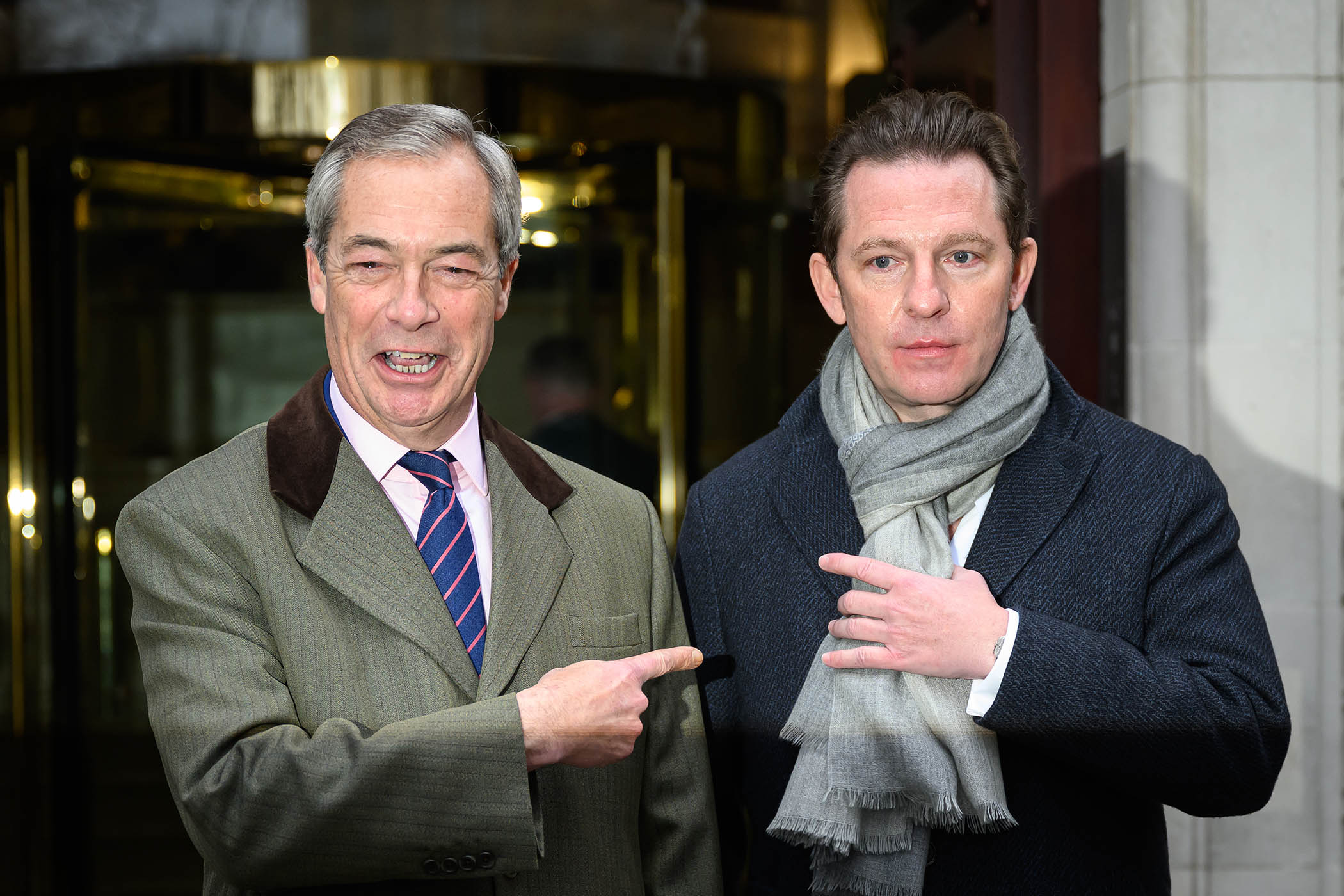
Billionaire property developer Nick Candy became treasurer of Nigel Farage’s party in December 2024. He donated £500,000 last year
For years, the funding of Britain’s populist right has been opaque. In that respect, at least, Harborne’s donation clears up any mystery; for the moment, he is Reform’s money, or very nearly. In the quarter when it was given, his initial £9m donation was almost 90% of the party’s total.
Political fundraisers understand that such a huge sum creates a sort of gravitational pull that draws other money in: £500,000 to Reform from its treasurer Nick Candy towards the end of 2025; £100,000 each from businessmen Bassim Haidar, Oliver Evans, and William Alan McIntosh; £50,000 from Claudia Harmsworth, Viscountess Rothermere.
Reform’s political opponents believe it is spending that money in a hurry, at a rate of perhaps £1.5m a month as the May local elections approach. A Labour strategist sees Reform “betting the farm on May”, and competing far beyond its heartlands. Outer London is in its sights. In Scotland and Wales it may be outspending Labour, which is in a fight for its life. The results in May are likely to reshape British politics, and they will be different thanks to Christopher Harborne.
Are there strings attached to his money? There were not, but not for the want of trying, recalls a senior Conservative who remembers Harborne as “very demanding” when the Conservatives were on the receiving end of his generosity. “He thought he could lead the party in a direction he couldn’t” – towards a merger with Reform UK. Some politicians have dreamed aloud about a new union on the right of British politics, but there has never been a donor with the ambition to pay for the wedding. Harborne has denied he was the first. He told The Observer that he did not urge the Conservative party towards a merger with Reform UK.
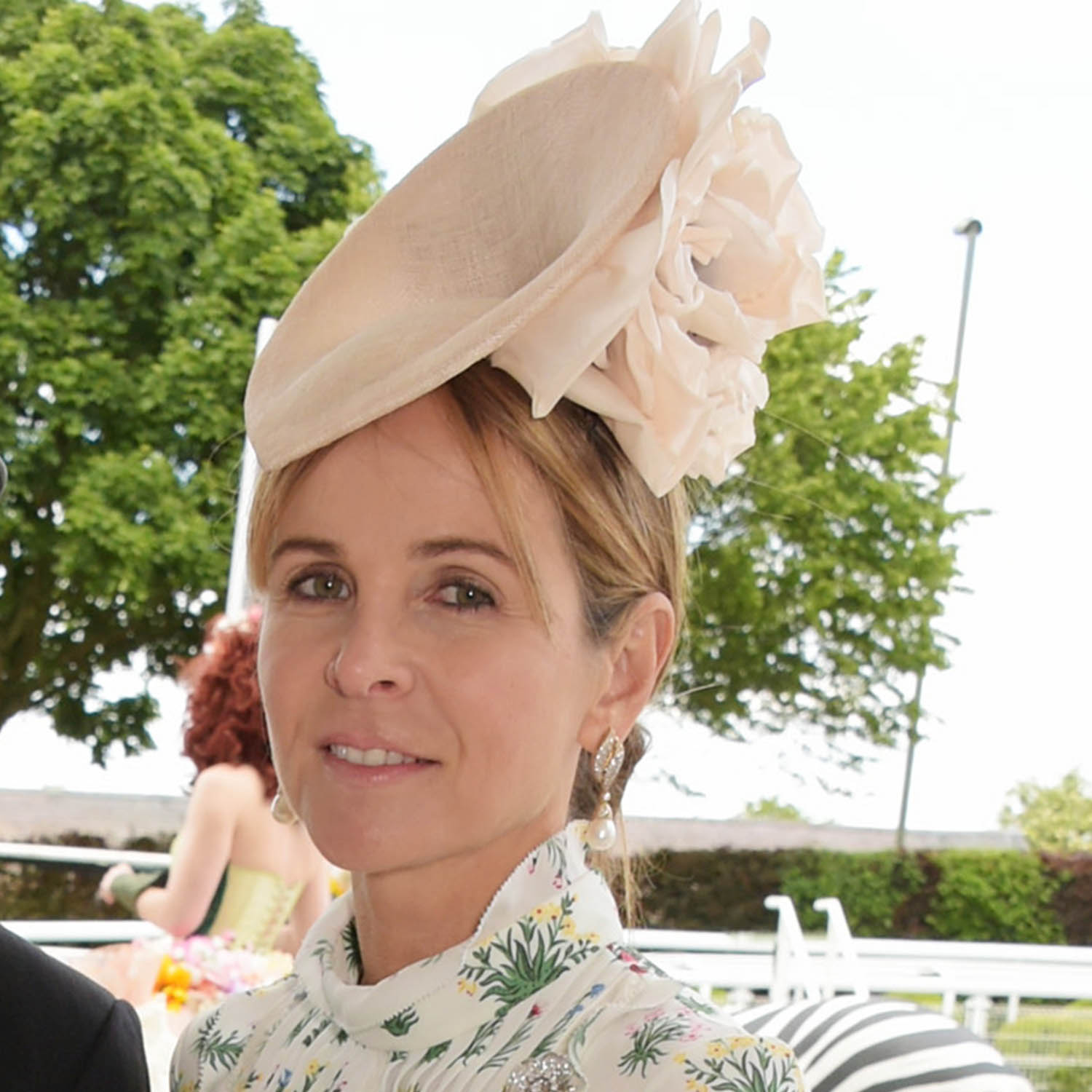
Claudia Harmsworth, the wife of the owner of the Daily Mail, has donated £50,000 to Reform UK
Since news of the Harborne millions surfaced in December, The Observer has tried to put flesh on the skeleton of his character and political thinking. We contacted him two months ago to ask if we could talk, and received a courteous acknowledgement from his lawyers but no reply from the man himself.
Newsletters
Choose the newsletters you want to receive
View more
For information about how The Observer protects your data, read our Privacy Policy
Johnson and the leader of Reform, Nigel Farage, ignored our requests for interviews about a man they know well. We approached Harborne’s business associates past and present in the UK and Thailand, British expats in Bangkok and Koh Samui, classmates on Harborne’s MBA and family members. Tens of requests have gone unanswered.
It would be supposition to characterise this as a wall of silence, or anything organised, and there is one authorised account of at least part of Harborne’s life. It lies in the Delaware courtroom where he filed for defamation against the Wall Street Journal in 2024.
Harborne’s complaint, denied by the newspaper, is that it libelled him in 2023 by suggesting that he was guilty of criminal activities connected to cryptocurrency trading. His submissions include extracts from a chain of emails between WSJ reporters and Tim Bennett, who provided company secretarial services to Harborne.
Bennett’s replies (at least the ones Harborne’s lawyers have chosen to include) suggest a man becoming frustrated at a newspaper trying to sniff out a rat where none is to be found: “So far I see a story taking shape about a mysterious wealthy political benefactor, but I don’t see any ‘hooks’ that will draw in your readership or indeed any investigatory/regulatory authorities.
“It seems to be your mission to try to ferret out something that would make an otherwise mundane ‘riches to massive riches’ story saleable... But to me the [Harborne] saga is fairly uninteresting.”
A better student of human nature might make two observations: a story of “riches to massive riches” is rarely mundane, and if Harborne’s saga is uninteresting there is no surer way to make it tantalising than by shrouding it in secrecy. And that is what Harborne has done.
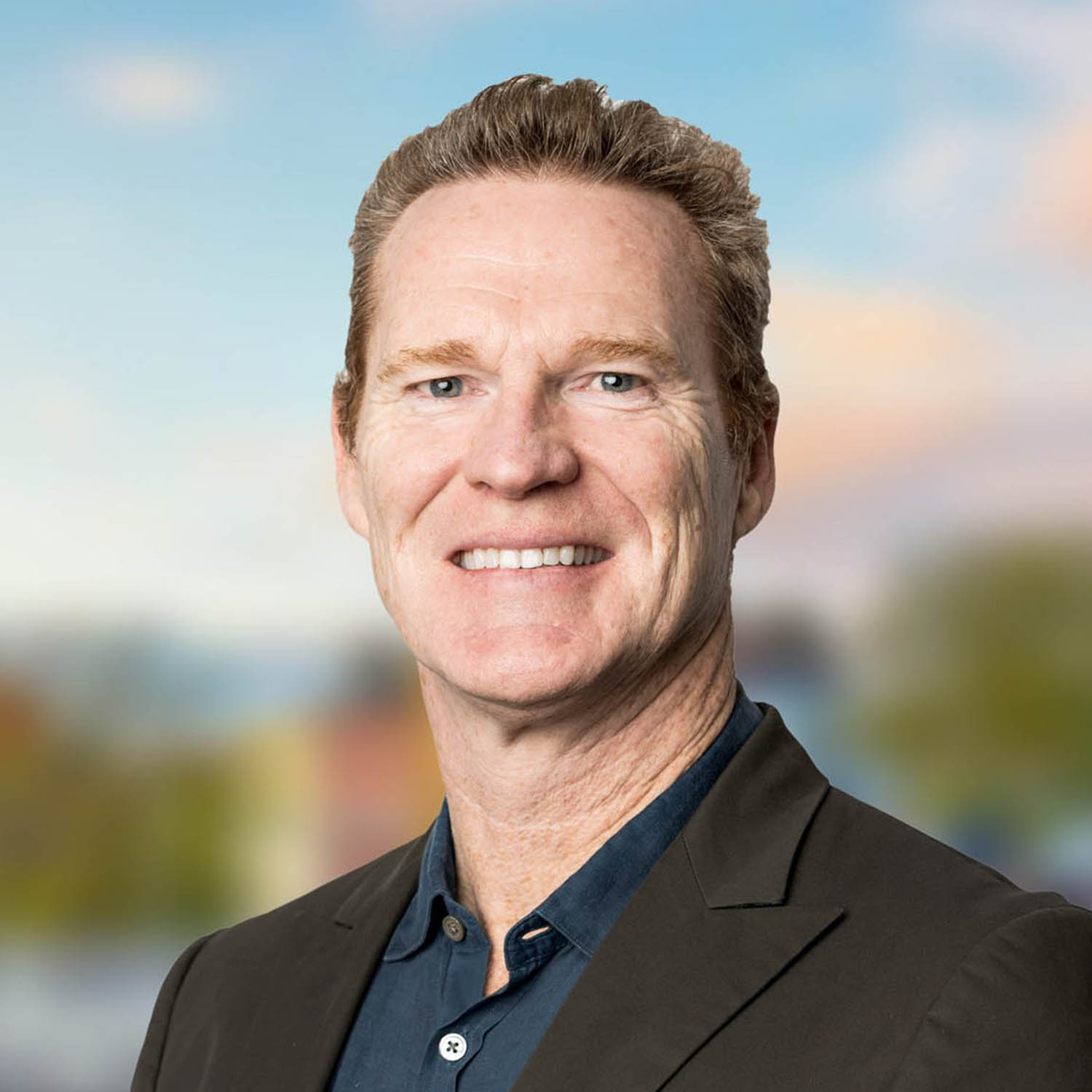
William Alan McIntosh, co-founder of Punch Taverns and Cairn Homes, has given £100,000
Two things you cannot know about Harborne from straightforward searches: his date of birth (he gives only December 1962) and whether or not he is married.
A few things it is possible to discover: he went to Westminster School, studied engineering at Cambridge, and went on to work at the consultants McKinsey.
In 1988 he went to the Insead business school. The Observer has spoken to three of his classmates. One described him as “bright”, one as “friendly, very bright, and very into flying”, and the third said he could not remember much about him. No one wanted to say more.
There have been two non-political forays into the news, accidental and unsolicited. In 2008, Harborne was badly injured when he crashed his light plane (he told air accident investigators that the landing strip he was aiming for was at his wife’s house. This may be the only public acknowledgment of her). And in 2016 his name appeared in the Panama Papers, the leak of confidential information about individuals with assets in tax havens. Harborne was linked to five companies registered in the British Virgin Islands.
Last week, The Observer wrote to Harborne to ask if he had paid tax in the UK in the past five years either personally or on his businesses. We have not yet received a reply. To be clear, it is not obvious any tax was due because long ago Harborne moved to Thailand.
The Delaware court filing makes no attempt to explain Thailand’s appeal. In his lawsuit, and everywhere else, what drew Harborne there is left blank. And his adoption of a Thai name is painted in pragmatic colours. He did it, the filing says, “in furtherance of his business”.
His companies are far-flung. He is suing the Wall Street Journal on behalf of four of them that he claims were damaged by its reporting. One is based in the British Virgin Islands, two in Hong Kong, and one in the state of Wyoming. Harborne told the court his wholly owned businesses employ more than 600 people, mostly selling planes or fuel.
‘We could take risks. We were given the liberty not to worry about money’
‘We could take risks. We were given the liberty not to worry about money’
Gawain Towler, Brexit party comms chief
It is a substantial empire but it explains only the “riches” side of the “riches to massive riches” story. The “massive” part comes from cryptocurrency.
“Mr Harborne was… an early investor in Bitcoin (since 2011), and Ethereum (since 2014),” his lawyers said on his behalf. “His early investment in Ethereum now accounts for a major portion of his net worth.”
A single Ethereum token that cost $0.31 in 2014 would be worth about $2,000 today (down from more than $4,900 in August). If he invested early and stayed the course Harborne would have made a fortune.
The story his lawyers tell is that the combination of Ethereum and other investments has left Harborne in an extraordinary position, as the owner of 12% of Bitfinex and – much more importantly – a 12% stake in the company behind the cryptocurrency Tether. The Bitfinex holding might be worth $250m. Tether’s value is more slippery but we know what it thinks it is worth. When it tried to raise funds last year, it did so at an implied valuation of $500bn. Had the market agreed with that estimate – and the fundraise failed, so it did not – Harborne’s share of it would have been $60bn.
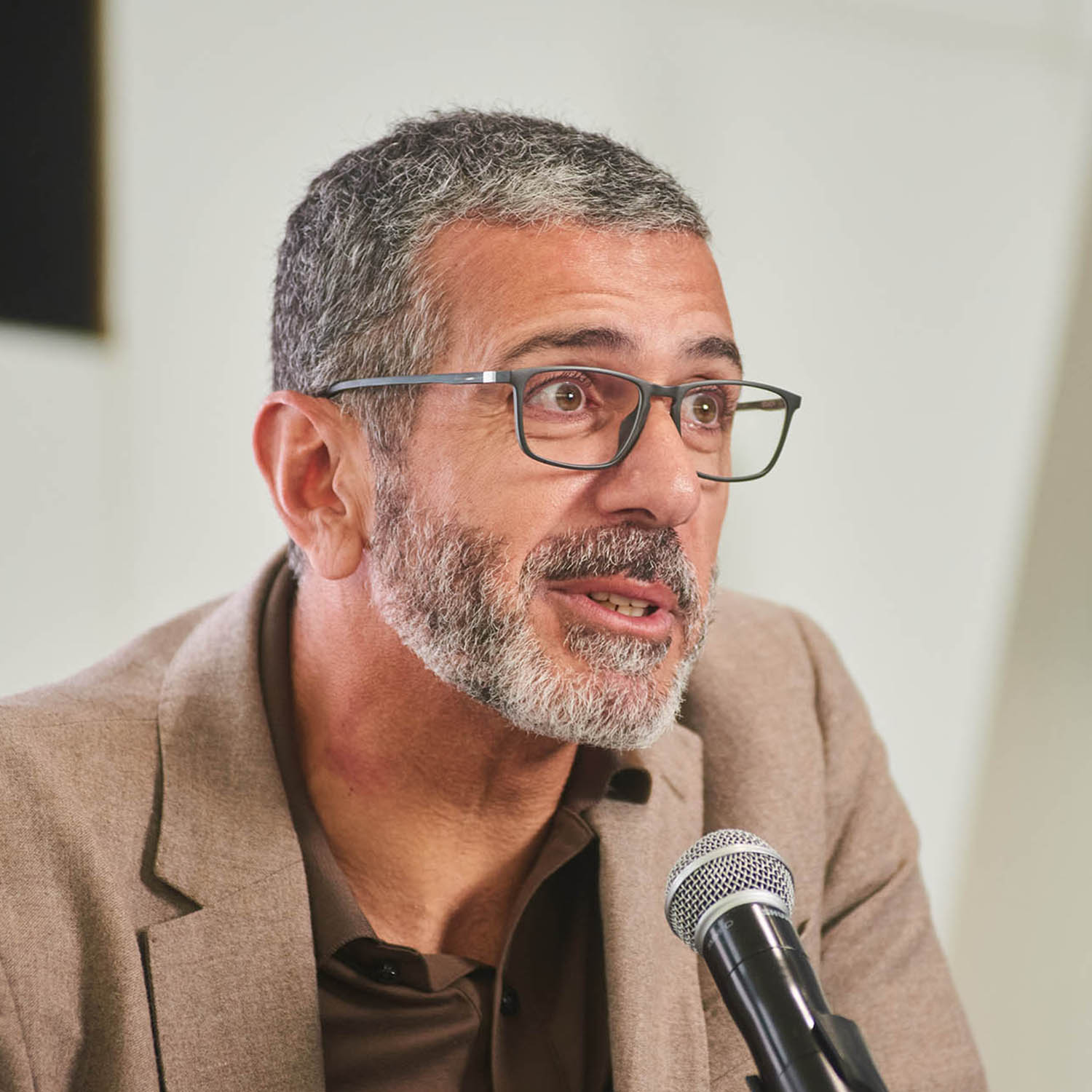
Nigerian-born Lebanese telecoms tycoon Bassim Haidar has donated a total of £225,000
When The Observer asked Harborne last week if he had recently paid tax in the UK we also put to him some broad questions about his positions on the economy, tax and immigration, as a way to begin to understand his political philosophy. We have not yet received a reply.
What do we know? He has shown he has political influence. In 2019, when he was bankrolling the Brexit party, he hot-desked for a while in a corner of its offices. The party’s director of communications, Gawain Towler, told the New Statesman Harborne “didn’t say a great deal, smiled a lot, was terribly, terribly polite and diffident”. But his money was transformative: “We could risk doing stuff that wasn’t tested, wasn’t tried… We were given the liberty not to worry about money.” At the European elections in May 2019, the Brexit party came from nowhere to top the poll with more than 5m votes.
Does Harborne’s influence extend to policies such as those governing cryptocurrency, where his interests are so visible? Shortly before he received Harborne’s first £9m donation, Farage began positioning Reform as the most crypto-friendly of the UK parties. He flew to a cryptocurrency conference in Las Vegas, announced Reform would take crypto donations and lobbied for a Bitcoin reserve at the Bank of England. It is tempting to see Harborne’s money talking but there is another possible explanation – that young men between 18 and 34 are crypto devotees, and they are an important demographic for Reform.
‘He was demanding. He thought he could lead the party in a direction that he couldn’t’
‘He was demanding. He thought he could lead the party in a direction that he couldn’t’
Senior Conservative
In the US the financial incentives for crypto investors to support politicians who favour light regulation are enormous. At the same time, tracing the true identity of crypto donors is near impossible. The UK is susceptible to the same crypto-cocktail, at a much lower price tag – one political finance expert told The Observer that you could more or less guarantee securing a constituency at a general election for £200,000, give or take, spent on social media.
The existing defences against a tidal wave of new money are seen as too feeble, and a bill is on its way through parliament to build them higher. “Know your donor” checks will force political parties to do due diligence on donors or be held responsible: “We thought it was an anti-Musk bill but in fact it’s an anti-Harborne bill,” The Observer was told.
But anti-what, exactly? The bill would not stop him donating after decades living abroad as long as he is on the UK electoral roll. There is no evidence he has made political donations in cryptocurrency – he told The Observer categorically that he has not – but nor would the bill stop him or anyone else doing so.
In the factual background to his Delaware lawsuit, his lawyers say this: “Mr Harborne… is an intensely private person. He does not proselytize his views, he does not give speeches or media interviews, and he does not maintain active social media accounts.”
There is a wrinkle in that argument for privacy. Because what is a huge political donation, nearly always, if not outsourced proselytising? On that reading, there has been no greater proselytiser in the history of British politics than Christopher Harborne.
Additional reporting by Ben Dunant
Photographs by Leon Neal/Getty Images, David M. Benett/Getty Images for Investec, Waldo Swiegers/Bloomberg via Getty Images