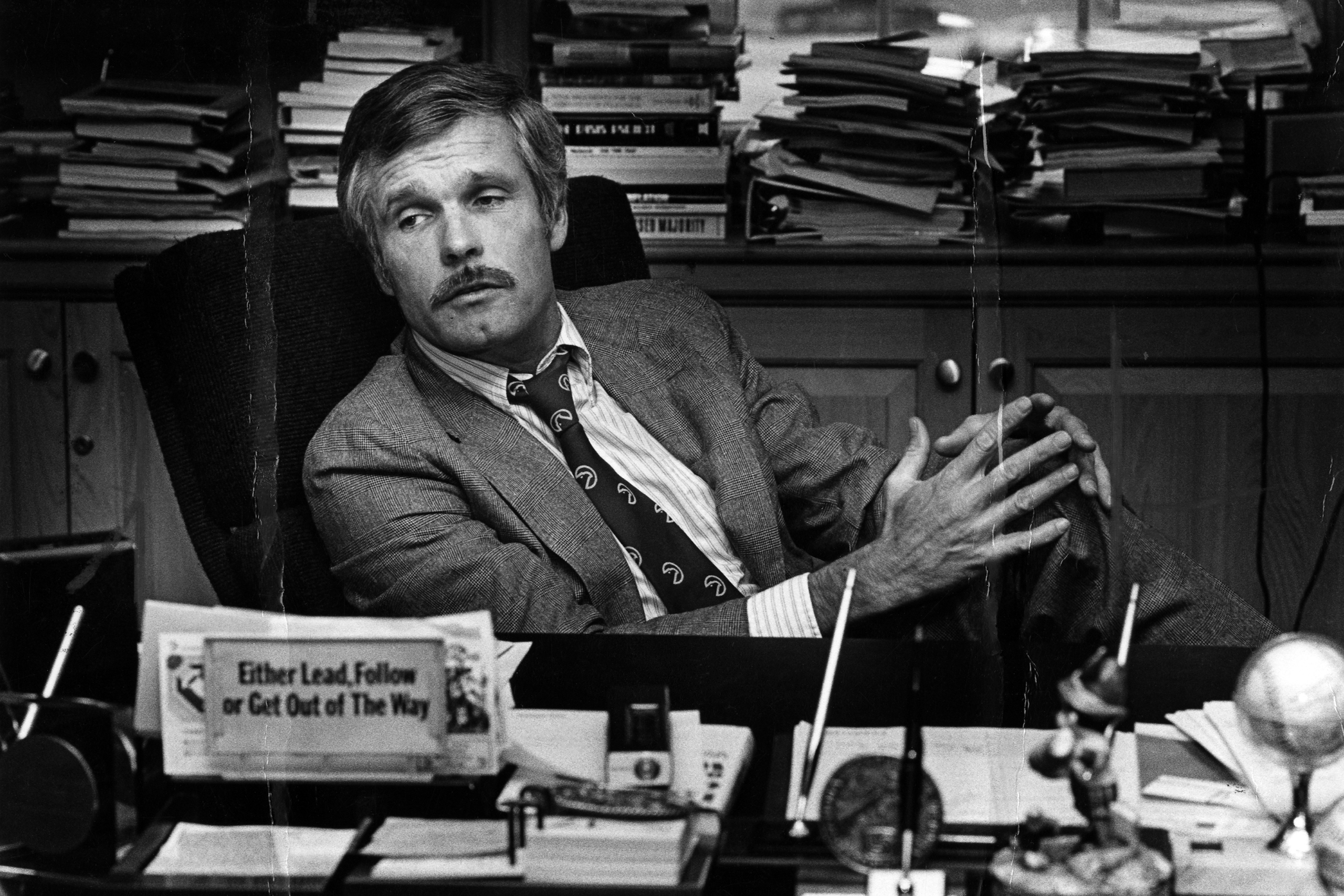
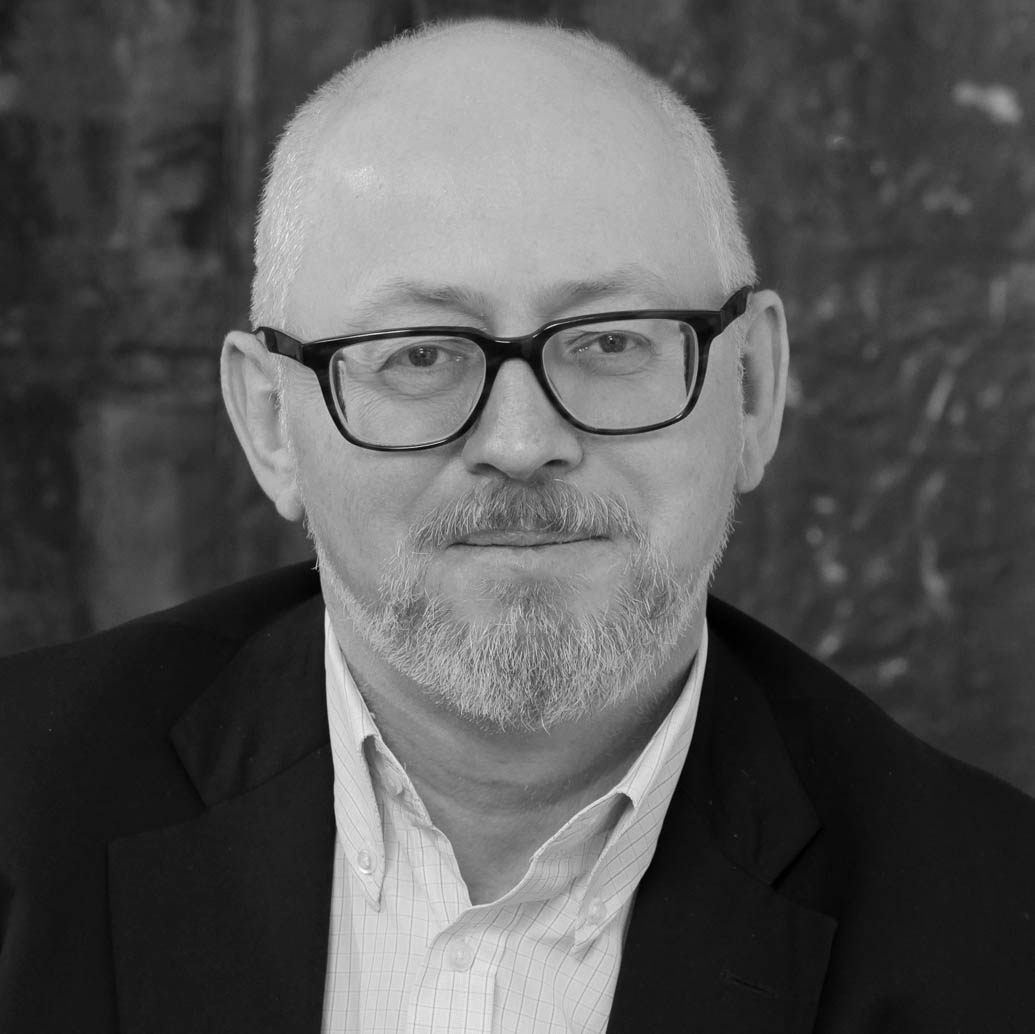

“Say that again”, repeated Ted Turner, for the umpteenth time. My interview with the legendary media tycoon was not going well – and it soon turned quite weird. It was 2007, ten years after the larger-than-life multi-billionaire founder of CNN, who died this week aged 87, had made headlines by unexpectedly donating $1bn to the United Nations. I was researching my book, Philanthrocapitalism, and wanted to know why he had done it and whether he thought it had made a difference to the world.
I met him in his Manhattan home, a big penthouse apartment in the private residence wing of the grand Waldorf Hotel, and was a bit surprised to find him with several PR ladies and a girlfriend, who sat next to me on a chaise longue, while Turner, a tall man, peered down at me from a proper chair. He was already quite deaf, and I had to repeat each question several times, killing the flow of our conversation. I was starting to worry that he would wrap it up early, before I could find out what I wanted.
So I asked him my big question: do you think it made a difference? And he suddenly sat up straight and stared at the top of my head. Seconds turned into minutes, or it felt like they did, and still he stared. And then he unfroze, lent forward, tapped me with a finger on the top of my head, and uttered the immortal words, “Do you know, if you wore a hairpiece, you would look ten years younger?”
The PR ladies looked aghast. His girlfriend nearly fell off the chaise longue. Then he looked at me again, and continued, “And you should fix your teeth, too”.
Too late, I now realise this was terrific advice from one of the greatest geniuses the media has ever seen. By failing to do something about my bald patch and classically bad British dental work, I continue to have a face perfect for print journalism, my chance at a stellar career in front of the camera long gone.
Turner quickly realised that what he had just said did not strictly answer my question, so he grasped for something better. “I believe that men should be banned from public office for 100 years”, he said, again missing the mark, though not uninterestingly. Finally, third time lucky, he continued, “I don’t know. You want to think you made a difference.”
That left me more shocked than his hairpiece comment. Such a muted response from a man famous for outlandish claims, the Mouth of the South who had casually equated his own greatness to that of “Alexander the Great, Napoleon, Gandhi, Christ, Mohammad, Buddha, Washington, Roosevelt, Churchill”? The man who, in the act of donating an unprecedented amount, had called out his fellow billionaires for being miserly (earlier naming Bill Gates and Warren Buffett in particular), and challenged them to start giving away their money, wasn’t sure he had made a difference?
At that time, no one was giving away amounts like that – and certainly not to the UN. (It turned out there was then no mechanism for private individuals, companies or charities to legally give money to the UN, so one had to be invented, built around his endowment of a new UN Foundation, to allow Turner’s gift to be accepted.) Turner started the philanthrocapitalism mega-giving trend – and although the public is no longer much impressed by it in this era of rampant, obnoxious inequality, some of that money certainly has made a difference. Gates alone, whatever his other failings, can plausibly claim to have saved millions of lives – and maybe he wouldn’t have given so much away so fast had Turner not challenged him.
At a dinner not long after that interview, I happened to sit next to someone who had worked for Turner for many years. I told my story – and he was not in the least surprised. “Have you heard about the time he met Manmohan Singh?,” he asked. Apparently, Turner was in India, at the end of a long line being introduced to the prime minister, who was sporting a colourful turban. He extended his hand to Turner, who instead of taking it, stared at the top of his head. Then, after what seemed an age, he lent forward, tapped the PM on his head, and said “your hat is the same colour as my tie”.
“Ted’s a very visual guy”, his colleague explained to me. Getting his attention could be hard, as he was easily distracted, especially by things he saw – so when your moment came you had to grab it and get straight to the point. But when you did, sometimes he would make instant decisions that would change the world – as founding CNN did in 1980, revolutionizing journalism by creating the 24-hour global news cycle. A key part of Turner’s magic was his openness to big, bold ideas, willingness to move fast without overthinking the details, and indifference to risk. Indeed, this brought him close to financial ruin several times, before he bounced back spectacularly. His gift to the UN was a case in point: it is said that he decided to go ahead, and to make it $1 billion, in his car on the way to give the speech in which he announced it, moments after quizzing his PR team on how to ensure he made it to the top of the news.
I ran into him again years later at a UN Foundation dinner where he was honoured. As one speaker after another affirmed that he had indeed made a huge difference, he sat between a girlfriend and his movie-star ex-wife Jane Fonda having a marvellous time. How the UN, in its current dire financial straits, could do with a similar benefactor now.
Photograph by Nancy Mangiafico / AP
Newsletters
Choose the newsletters you want to receive
View more
For information about how The Observer protects your data, read our Privacy Policy