
Bregrets, we’ve got more than a few. Some of those who pushed Brexit upon Britain claimed that we’d never look back in anger once we were swimming in milk and honey. The marginally less deluded members of the Out crowd acknowledged that self-ejection from the world’s most prosperous trading bloc might be bumpy for a while, but promised that we’d think the pain worth the gain once we’d seen the dividends of what they styled as liberation.
Now is a good moment to check in with reality. It will be 10 years this June since the referendum that resulted in a narrow vote to quit. We’ve had more than five years of experiencing the consequences of Boris Johnson’s wretched exit terms. Time enough to bring in a verdict. Does the UK feel stronger in the world? Is our economy bounding along or failing to meet the expectations of both government and people? How do you find it bobbing about somewhere in the mid-Atlantic as the waves grow more menacing? Are you thrilled? Or are you feeling sea sick?
Most of the public respond that they are nauseous. Polling suggests that a growing, chunky majority of voters have concluded that it was a mistake to amputate ourselves from the EU. It’s the economy, stupid. A large part of the explanation for buyer’s remorse is the sustained damage done to our prosperity. Analysis suggests that crimped investment and trade frictions have permanently sapped the vigour of the economy by reducing GDP by up to 8%. That’s a big number. This is jobs, productivity and opportunities squandered. This is many billions of tax revenues for public goods denied to us.
Demography is another dimension of the national mood shift. The Brexit vote was driven by ageing voters in defiance of the desires of most younger ones. The Grim Reaper is having his way with Generation Out leaving Generation In to live with the baleful bequest.
The Grim Reaper is having his way with Generation Out leaving Generation In to live with the baleful bequest
The Grim Reaper is having his way with Generation Out leaving Generation In to live with the baleful bequest
We should also give some credit to Donald Trump. Proponents of the “Anglosphere” used to suggest that we could afford to cast ourselves off from Europe because Albion would always have America. That contention has stood the test of time no better than milk left in sunshine. The US president’s decision to set the Middle East on fire, his petulant trash-talking of Nato, his belittling of the sacrifices made by British soldiers in Afghanistan and his vitriolic abuse of the UK, this is being noticed. Fewer than one in six Brits now think we have a “special relationship” with America, while a plurality want a closer bond with Europe. They agree with Mark Carney, the prime minister of Canada, when he advises the middle powers to club together.
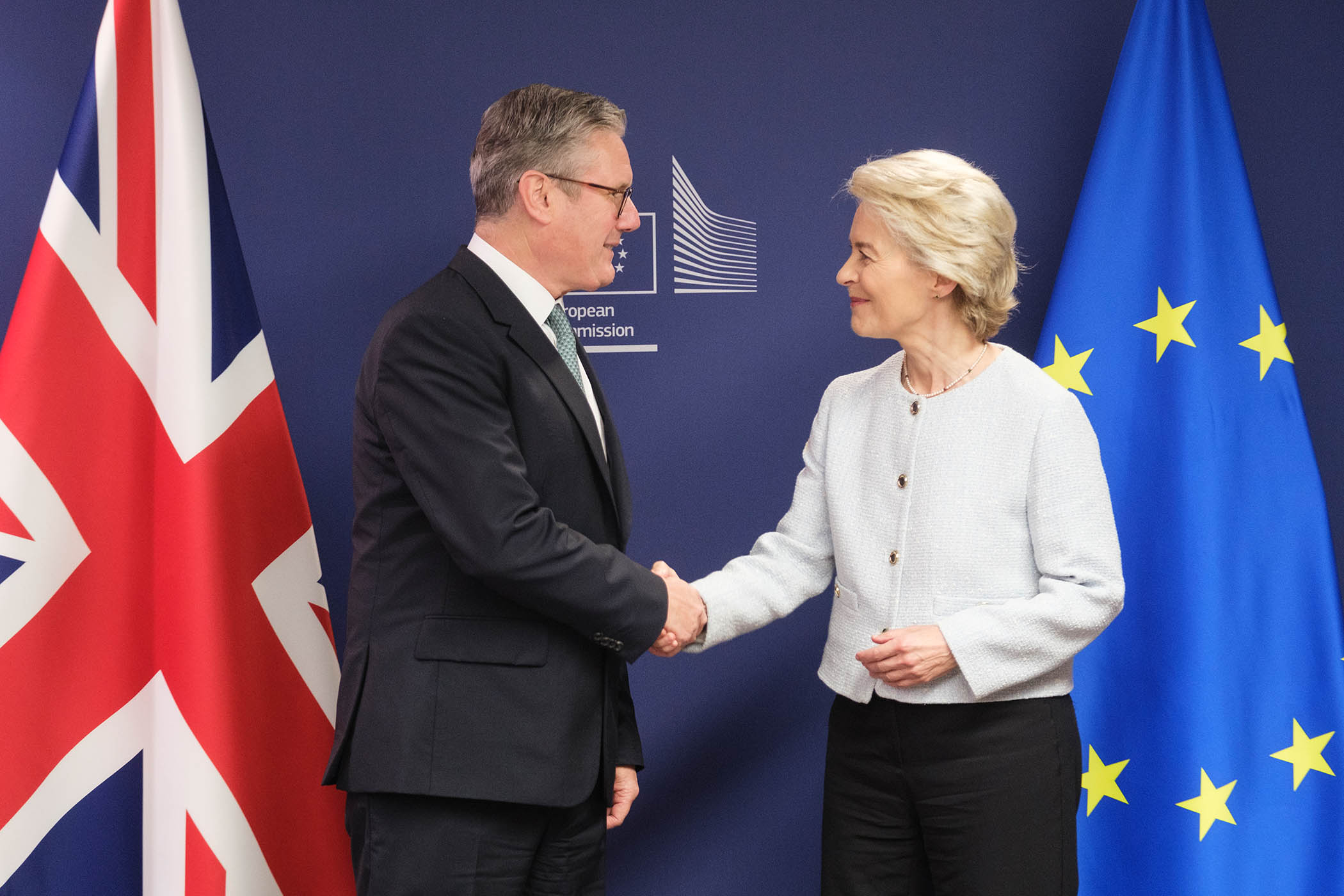
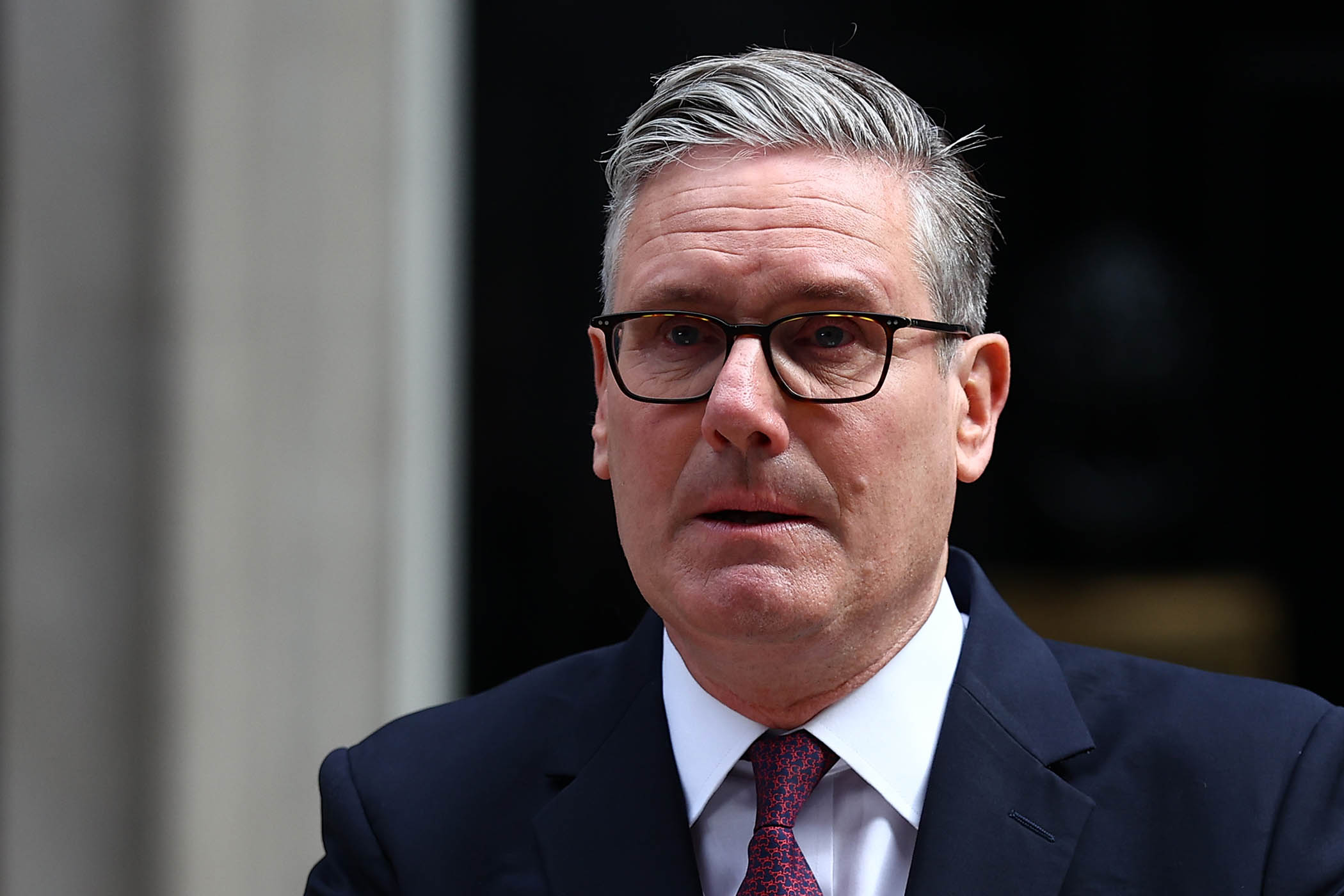
Sir Keir Starmer is taking the hint. Once, he was adamantly opposed to the idea that the UK has to choose between the US and Europe. Now the prime minister is doing precisely that. On America’s strategic follies over Iran, as on Trump’s predatory designs on Greenland and threats to sell out Ukraine, the prime minister has aligned the UK with other European powers in opposition to Washington. In a recent address from Number 10, Sir Keir claimed he would be “more ambitious” about partnering with the EU to cope with “the dangerous world that we must navigate together”.
For Rachel Reeves, the precursor to her pivot towards the EU is disappointment with the performance of the economy. In her Mais lecture last month, the chancellor declared that the UK’s “fate is inescapably bound with that of Europe”. Yvette Cooper used her Mansion House speech to argue for a “closer relationship, not just on security and defence, but on better trade terms too”. Wes Streeting, perhaps with an eye on the overwhelmingly pro-EU party members who will elect Labour’s next leader, has crossed what was previously a “red line” by advocating the negotiation of a new customs union.
The signalling has been accompanied by some substance. The UK is rejoining the Erasmus+ student exchange scheme from 2027. Customs checks on food, animal and plant shipments are being significantly reduced. That smooths some of the more jagged edges of the terrible trade deal signed by the Tories. Nick Thomas-Symonds, the close ally of the prime minister who is point man in negotiations with the EU, seems confident that he can strike an agreement on regulatory alignment, which would boost exports of chemicals, pharmaceuticals and in other critical sectors.
There’s more of an entente, but it is not reliably cordiale. Negotiations on a youth mobility scheme are scratchy. Shabana Mahmood is butting heads with the French about the renewal of the deal on policing cross-channel migration. The UK has been forced to look for workarounds after failing to gain full access to the EU’s Security Action for Europe plan to boost defence procurement because of a quarrel about financial contributions.
One error commonly made in London is to assume that the EU spends as much time talking about us as British politicians do thinking about it. For us, Brexit is the curse that keeps on cursing. For the EU, it is a trauma that has receded into the rear-view mirror. The most dramatic and game-changing move the UK could make would be to apply to return. Surveys consistently suggest that a majority of Britons would vote to rejoin if there was a referendum tomorrow. But it would require a very strong, confident and popular British government to go for it. Strength, confidence and popularity are not traits generally associated with the Starmer administration.
Newsletters
Choose the newsletters you want to receive
View more
For information about how The Observer protects your data, read our Privacy Policy
Most EU leaders would be open to the idea of the UK returning. More joy in heaven over one sinner who repenteth. But the EU would also be wary. It would have to feel extremely certain that we’d be committed to staying in, whatever the colour of subsequent British governments. It would also need the assurance that we’d be good housemates, not truculent delinquents who’d smash the crockery and sick up on the carpet. That confidence won’t exist so long as there is a possibility of Nigel Farage or one of the Conservative party’s Reform soundalikes becoming prime minister.
I think Brexit was the gravest self-harming wound the UK has inflicted on itself in my lifetime. So it pains me to say that, though most of my fellow citizens want to rejoin, I see little possibility of returning to the EU in the foreseeable future. Some mistakes you get to correct. Others persist in being punishing for years.
Photograph by Thierry Monasse/Getty Images