The best laid schemes o’ mice an’ men/ Gang aft agley” (often go awry).
If she happens to find herself reflecting on Robert Burns’s words, Rachel Reeves would no doubt add, “of women too”.
The clouds had just begun to lift after a terrible year for her chancellorship. She had made a well-documented series of policy mistakes, not least in failing to quell pre-budget speculation which indubitably sapped the confidence of business, consumers and investors.
That dithering was a countervailing force against the constant repetition of her quest for investment-fuelled economic growth. But recent months brought better economic news, with analysts noting that inflation seemed to be under better control, raising the prospect of a reduction, possibly a series of reductions, in interest rates.
Then along came the latest energy crisis, a big one. Provoked by the predictable consequence of the escalation of war in the Middle East, this has evoked memories among political commentators of a celebrated remark by Harold Macmillan, Conservative prime minister from 1957 to 1963.
The crises of the 1970s showed… sharp rises in oil and gas prices will push up inflation and destroy purchasing power
The crises of the 1970s showed… sharp rises in oil and gas prices will push up inflation and destroy purchasing power
When asked what worried him most about being prime minister, he replied, “the opposition of events, dear boy”.
The phrase “events, dear boy” has become part of political folklore, but the full quote is not so well known. In fact, the prime minister, dubbed “Supermac” by the cartoonist Vicky, was also having a crack at the quality of the opposition. (The name was meant to be sarcastic, but the formidable Macmillan turned it to his advantage.)
It is a moot point how seriously Sir Keir Starmer should judge the current opposition. The Conservatives seem to be imploding, and Reform UK may well have peaked in the polls. The principal opposition to Starmer appears to be within his own party, but the none-too-subtle contenders to topple him all seem to have their own self-imposed handicaps.
Nevertheless, events are piling up. His most obvious domestic problem is the reaction to his colossal misjudgment over the appointment of Peter Mandelson as ambassador to Washington.
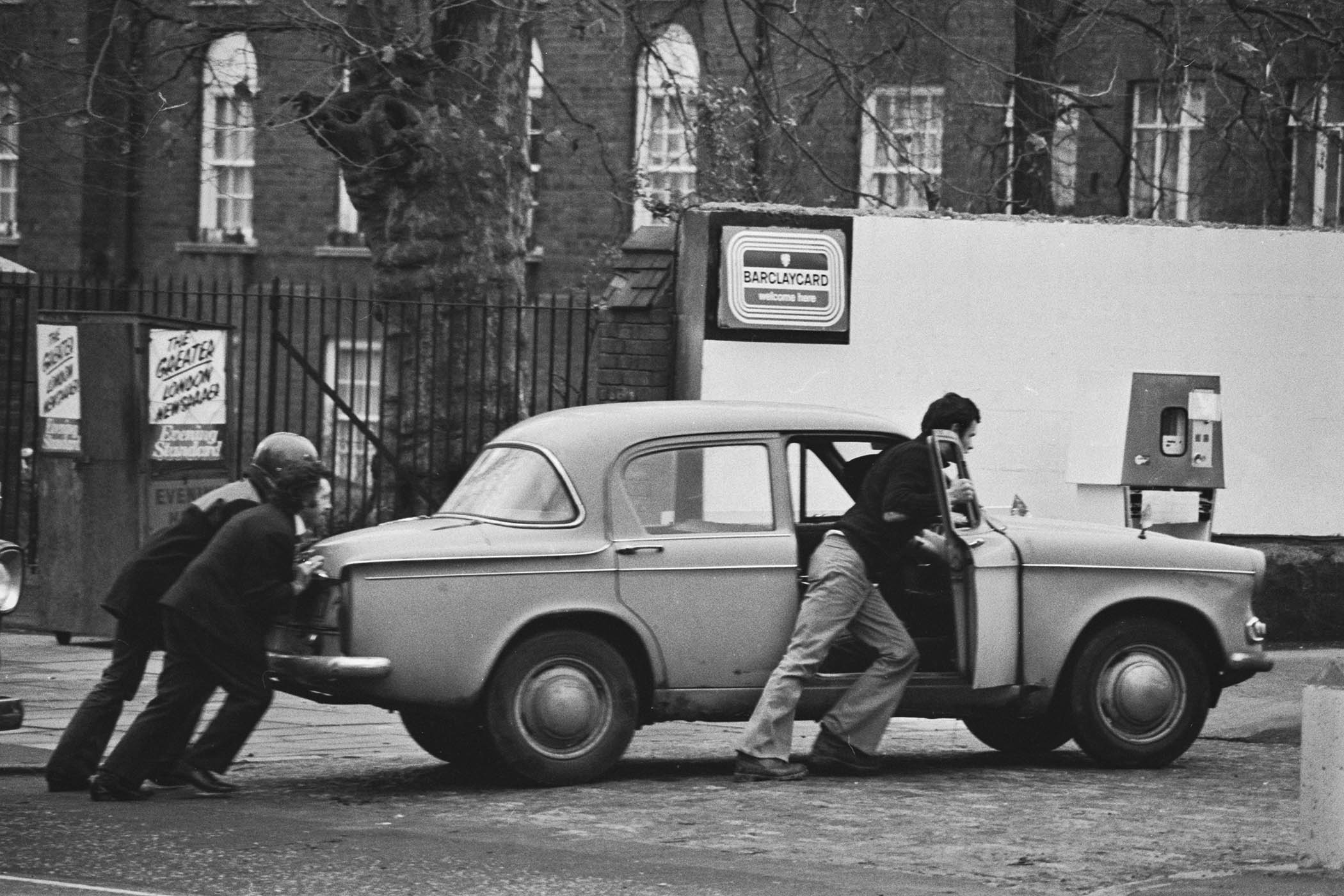
But the event that worries his chancellor, as well as Starmer, is the energy crisis. It was the energy crisis of 1973 that proved disastrous for the 1970-74 government of Edward Heath; and its lingering inflationary impact was bad news for the electoral fortunes of the 1976-79 Labour government under James Callaghan. Then came the next energy crisis of 1979 – the second energy crisis of that decade, as a result of the use of the “oil weapon” by the ayatollah after the pro-western Shah was toppled. The inflationary consequence contributed to the doubling of inflation in the UK under the new Thatcher government in 1979.
Newsletters
Choose the newsletters you want to receive
View more
For information about how The Observer protects your data, read our Privacy Policy
The two energy crises of the 1970s showed that, unless counteracted, sharp rises in oil and gas prices will push up inflation for all kinds of goods and destroy purchasing power.
This is the “event”' with which Starmer and Reeves – not to say the rest of us – are now confronted. And at a time when the cost of living crops up in opinion surveys, for example in the recent byelection in Gorton and Denton, as voters’ principal concern.
This is on top of the continuing effect of Brexit in inflating imported food prices, even as British officials are doing their best to limit the damage in the “reset” negotiations of our relationship with the European Union.
However, so far the beneficial effect of these negotiations is believed to have added some 0.6% to the UK's gross domestic product. By comparison, authoritative estimates suggest that Brexit has reduced the value of our annual economic output by up to 8%.
Photograph: Harry Dempster/Getty Images