
This article first appeared as part of the Daily Sensemaker newsletter – one story a day to make sense of the world. To receive it in your inbox, featuring content exclusive to the newsletter, sign up for free here.
Keir Starmer has avoided an investigation into whether he misled parliament about the appointment of Peter Mandelson as US ambassador, which would have put further pressure on the beleaguered prime minister.
So what? Starmer may hope that this will draw the line under the sorry saga, but that is unlikely. Ahead of the Commons vote, Labour backbenchers had three options. These were to
•
oppose the Tory-led motion and risk accusations of a cover-up;
•
support the motion and leave Starmer to defend himself, or
•
abstain to the infuriation of everyone.
Labour picked option one. The prime minister avoided a privileges investigation but there is no sign of the drama dying down. With leadership rivals on manoeuvres and a blood-letting expected in the upcoming local elections, Starmer’s grip on power continues to weaken.
What could have been. MPs privately acknowledge that hanging Starmer out to dry would have offered a clear path to the party’s public redemption. But it would also have amounted to a vote of no confidence in their leader, a few days ahead of crucial elections.
A bruising time. On Tuesday, several mega sessions were dedicated to who knew what in the Mandelson saga. In the Commons chamber, MPs debated whether Starmer knowingly misled parliament. In the nearby Grimond Room, the conversation focused on those around him.
Double think. Morgan McSweeney, Starmer’s former chief of staff, said Mandelson’s appointment was “a serious error of judgement” and that he had been “wrong” to advise the PM to go ahead with it. McSweeney then spent two-and-a-half hours distancing himself from the decision, telling MPs that “nobody was fine about it” and that he “had reservations too”. Notably, he said: “I think the first person who put Mandelson’s name forward was Mandelson.”
Not what Starmer said. Speaking in an earlier session, former Foreign Office mandarin Philip Barton said he had been cut out of the process until after the decision had been taken, after which there was “absolutely” pressure to “get it done by a particular time scale”. Echoing last week’s comments by his successor Olly Robbins, Barton said No 10 was “uninterested” in the vetting process, and that the focus was on the speed with which Mandelson could be installed.
Paper fail. The lack of documentation complicates matters. McSweeney said that Starmer decided to appoint Mandelson at a meeting in December for which there is no record. The Cabinet Office has been unable to find any decision note or any minutes. The former aide, whose phone was stolen in October, said that
•
his messages were, in any case, set to auto-delete;
•
he was unable to detail the “three questions” put to Mandelson because of the ongoing police investigation; and
•
the vast majority of paperwork that relates to the appointment of Mandelson is yet to see the light of day.
Might have been helpful. Along with Robbins and Ian Collard, the top security official, Barton said that he had not seen the UKSV document which twice flagged the appointment of Mandelson as a “red risk”, or of high concern.
Wood from the trees. Westminster has contorted itself over whether “due process” was followed, but when it comes to campaigns the issue will be painted in broader strokes. Brace for attack ads about cover ups and lying, accusations of ‘jobs for the boys’ and clips of Starmer taking responsibility for appointing Mandelson.
What’s more… The fundamental issue plaguing Starmer is his poor judgement in appointing Mandelson. Neither McSweeney nor Barton helped on this front. In different ways, both made clear that the prime minister made the final decision. That, in the end, may be fatal.
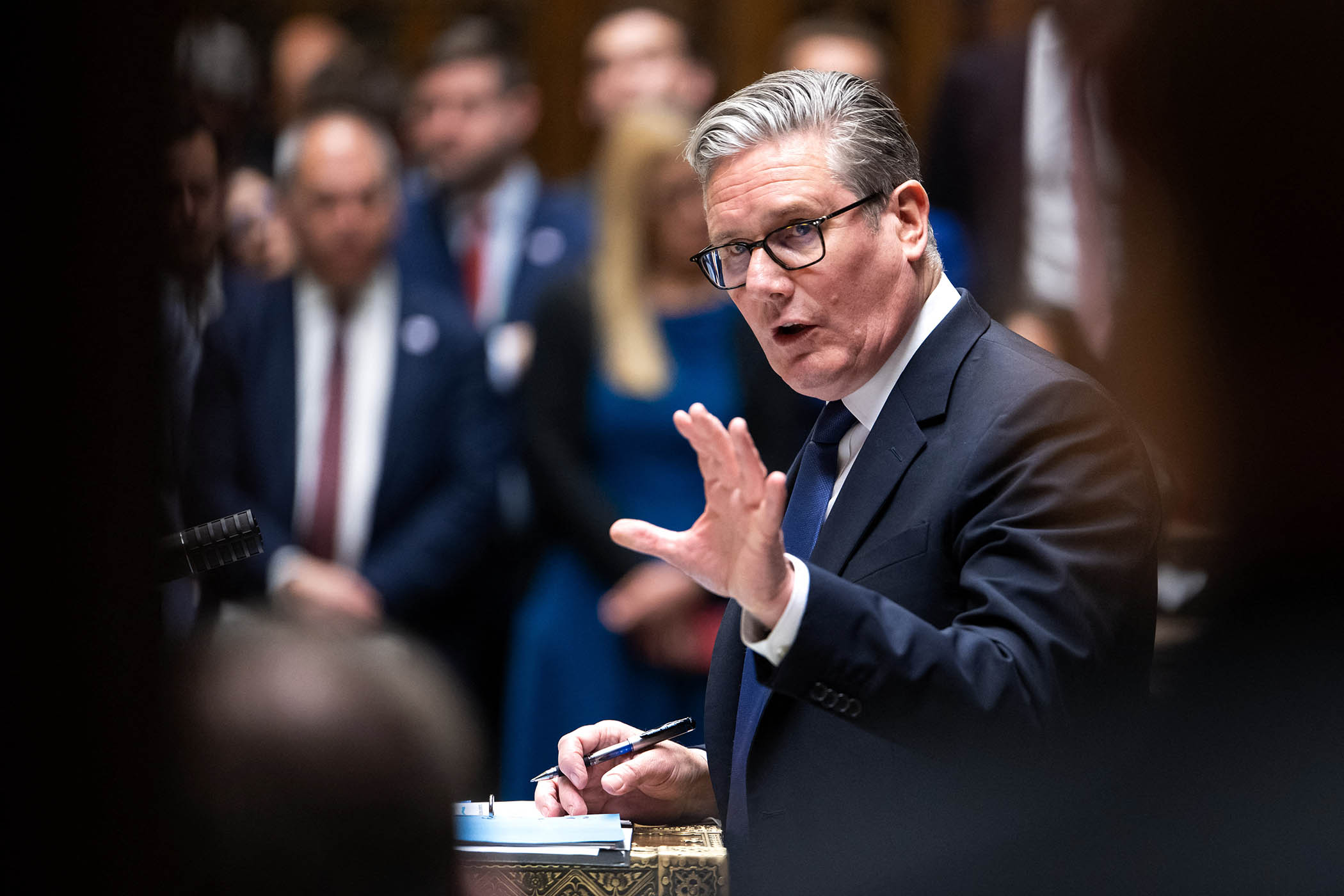
Photograph by Handout / House of Commons / AFP via Getty Images
Newsletters
Choose the newsletters you want to receive
View more
For information about how The Observer protects your data, read our Privacy Policy