
Quick question: is it ok to kiss your kid on the lips? The reason I ask is no reason. Not because, for example, a child of mine likes to hold my face with the abstract tenderness of a two-pawed labrador, and kiss me solemnly on the mouth. Not that, because the judgement, if I were to say this was the case, would be so grim and brutal (as seen when celebrities like the Beckhams or Tom Brady or Katie Price have been photographed doing it), so enduring and suggestive that I would emerge next week a husk, and worse, I’d get weird about it. And I don’t want to be weird about it! I want to grab onto every little crumb of proffered affection, bathe in its loveliness and brevity! Not that this is about me, to be clear. Not if you’re going to freak out about it anyway.
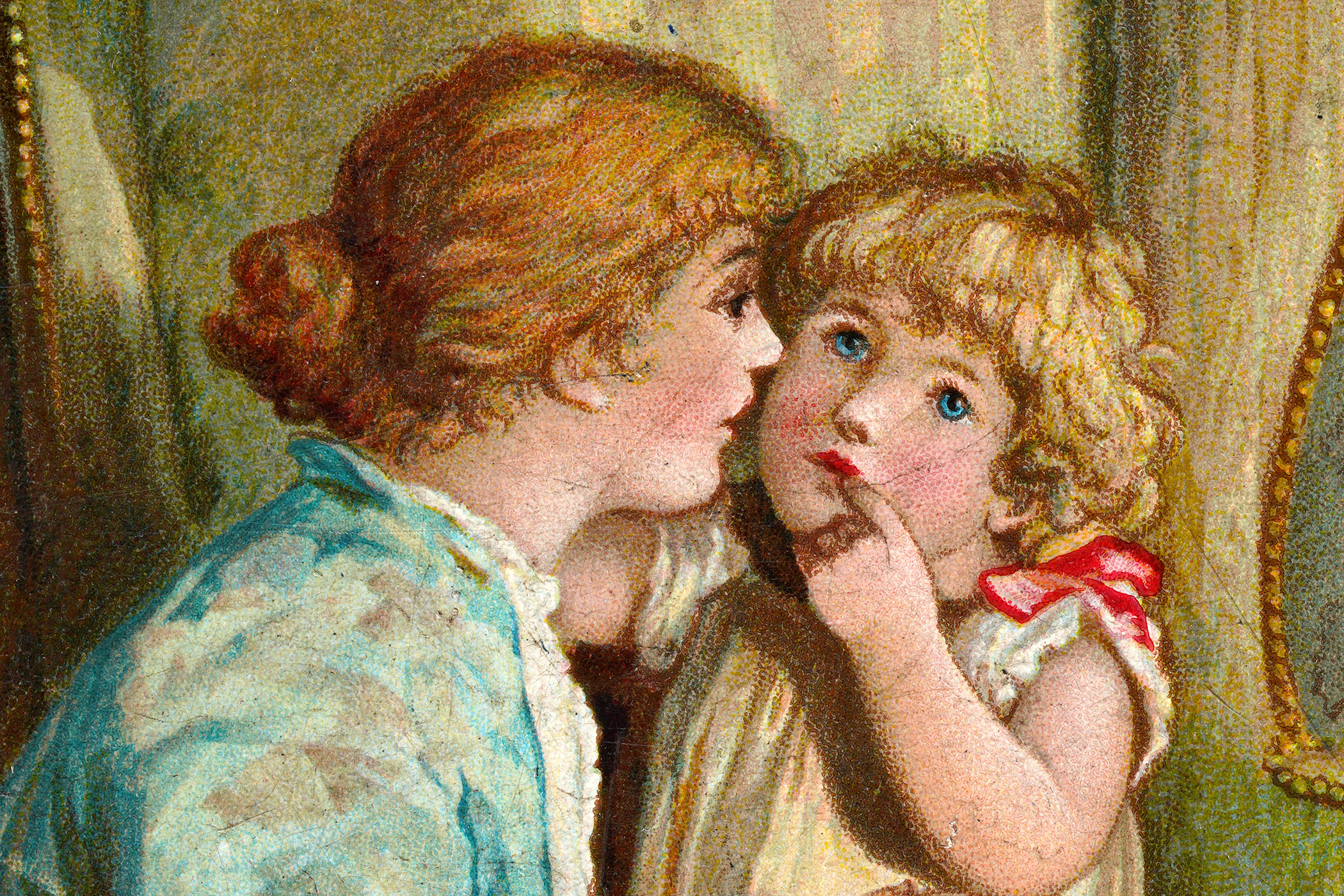
The sight of a child kissing their parent is an image that makes lots of people uneasy. Why? Is it because there is the assumption the parents have forced the child to do something they don’t want to do, or are training them to kiss all adults on the lips? Have they? Or is it more likely that the child, all love and limbs and distracted in a second by maybe a screen or cat, has kissed their parent smack on the mouth because it’s right there, and they love them, and this is where kisses happen? Who can say.
I do maintain some unease around kids and kissing however, which is perhaps more controversial. Growing up, like many, I was regularly expected to kiss and hug unknown aunties and cousins, and upon arriving shyly at any number of old people’s houses would be gathered up in a cloud of breathed coffee, my face stained with the lipstick I’d later see on tea cups and buns. It didn’t occur to me that I was allowed to say no, because that would have been rude. In adulthood, I realised my children were expected to do the same, to hug relatives and submit to kisses, and again, I find it unsettling, but know it causes huge offence to my beloved elders to point out that the children might not want to be kissed. So I often stay quiet in order to make the adults feel more comfortable, ignoring the reluctance of the children. Who are presumably learning, as did many generations before them, that their feelings about their bodies matter less than an adult’s feelings about affection and manners.
It’s not a huge leap to say then, that if a child learns, and learns young, that they’re not allowed to say no to kisses from their own aunties, they’ll have trouble saying no to other adults, ones with darker intentions. Or that if they learn to quash feelings of discomfort and give into unwanted physical touch, they’ll be unable later in life to distinguish between good touch and bad, or between a friend and somebody who’s going to cause them harm. Last year, Labour promised to invest in education to prevent violence against women, including lessons for young people about consent. But what will our kids learn before they even get to school? What lessons about consent are slipping in through the cracks of their mundane weekends, the birthday lunches, the weddings where they must give themselves over to the affections of adults?
‘I was regularly expected to kiss and hug unknown aunties and cousins – it didn’t occur to me that I was allowed to say no, because that would have been rude’
‘I was regularly expected to kiss and hug unknown aunties and cousins – it didn’t occur to me that I was allowed to say no, because that would have been rude’
I have a tendency, I know, to drain the fun and romance out of something that appears to be lovely. It’s a skill, a calling. Still, much as I bore of being the one to bark about words like ‘boundaries’ at an otherwise pleasant picnic, I think it’s important to point out that things like non-consensual kisses from adults (even ones you love very much and might want to kiss next week) remain normalised. Even at a time when we are so alive to the less insidious transgressions against vulnerable people, including children. As parents, I guess sometimes the admin of discipline becomes blurred. But making a child eat with their fork, for instance, is very different from making them kiss a relative, even if, looking back at our own upbringings, the rules of etiquette may seem to sit on a single rose-tinted continuum.
It turns out, a child needs to be taught consent in ways both ambient and active, for their own safety and so that they go out into the world with respect for themselves and each other. When people feel that pull of discomfort at the sight of a kid kissing their parent on the lips, I think the impulse should be redirected into a consideration of bodily autonomy, and tradition. If the kid wants to kiss, great, if they don’t, we should listen. And I should say, as an adult, I consent noisily to being kissed by my children, whether on the cheek, knee or lips for as many short years as we have, and even if I’m too hot, and even if they’ve been eating tuna.
Newsletters
Choose the newsletters you want to receive
View more
For information about how The Observer protects your data, read our Privacy Policy