
The health secretary’s maternity taskforce should examine the extent of so-called normal birth ideology, according to the head of the maternity care review.
Valerie Amos said that although her inquiry had found no evidence that clinicians across the country were pushing women to have vaginal births, it may still be an issue in parts of the NHS worthy of investigation by James Murray’s taskforce.
A row broke out last week when one of Baroness Amos’s 12 clinical advisers, Bill Kirkup, a childbirth safety expert, resigned from the inquiry team saying her report had been altered to remove criticism of “normal birth ideology” and that she had “listened to the wrong voices”.
Amos told The Observer there had been no pressure on her to drop any criticism and that the report went through a lengthy editing process where lots of elements were changed. Her findings on normal birth were based on conversations with 450 families, surveys from 9,000 medical staff and 10,500 responses from the public.
Although Dr Kirkup, who uncovered a “normal birth at any cost” culture during his 2015 Morecambe Bay investigation, had made a “tremendous contribution” to the report and she “deeply regretted” that he had withdrawn, Amos said: “I do think it’s important for people to understand that, in all of the family panels we did and the visits to trusts, for a number of reasons Bill was not involved in any of those. So he did not hear [that evidence] – he was not in those conversations.”
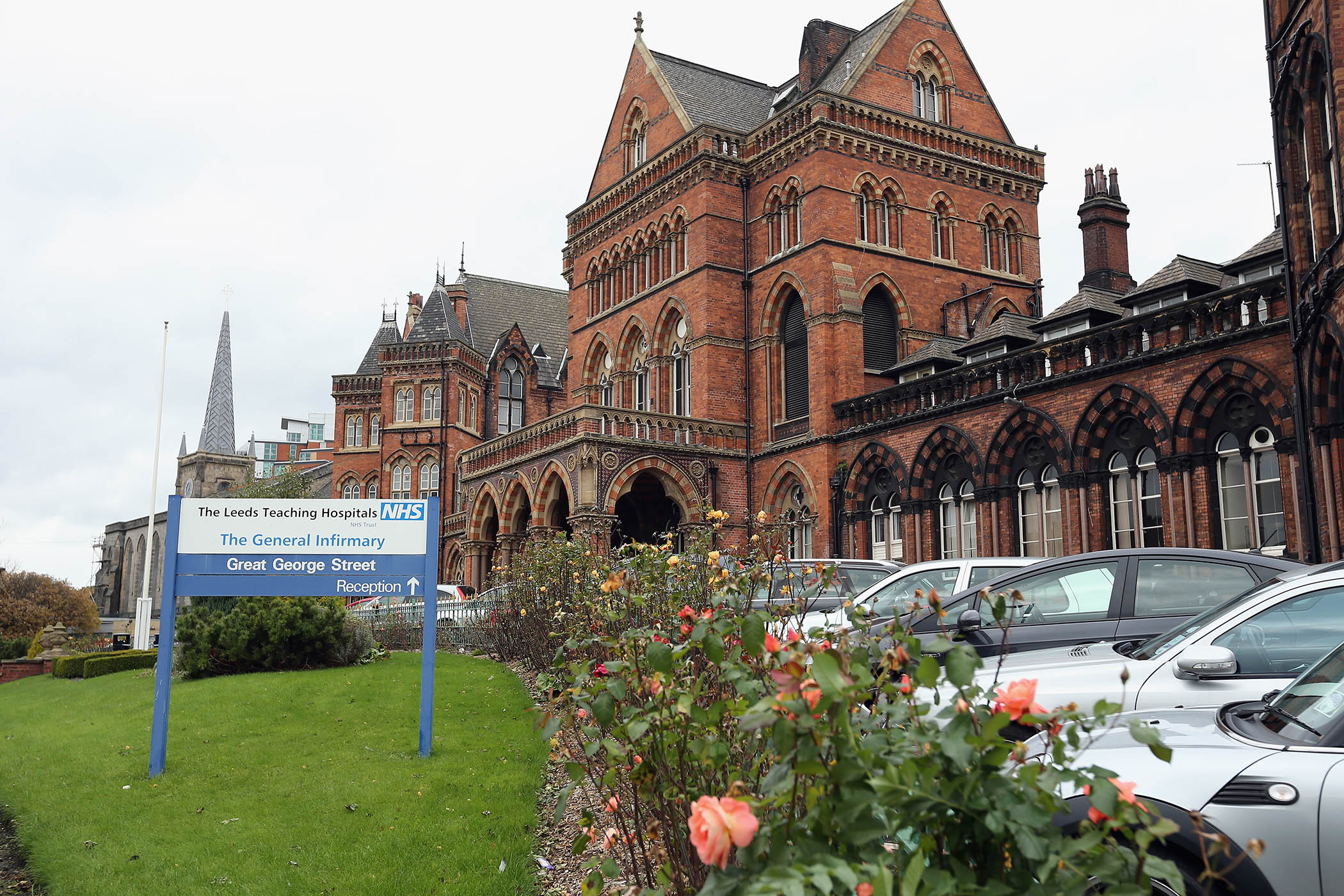
The former Labour cabinet minister and her team visited 12 trusts after a series of scandals where hundreds of women and babies have died or been harmed after their concerns were ignored. The most recent independent review, of Nottingham University Hospitals NHS Trust by Donna Ockenden, described “cruel” and substandard care. Ockenden is running further inquiries into maternity services in Leeds and Sussex.
The Maternity Safety Alliance criticised Amos’s report as “cherry-picked”. It is campaigning for a public inquiry for families who lost babies across England, including in Sussex and Leeds.
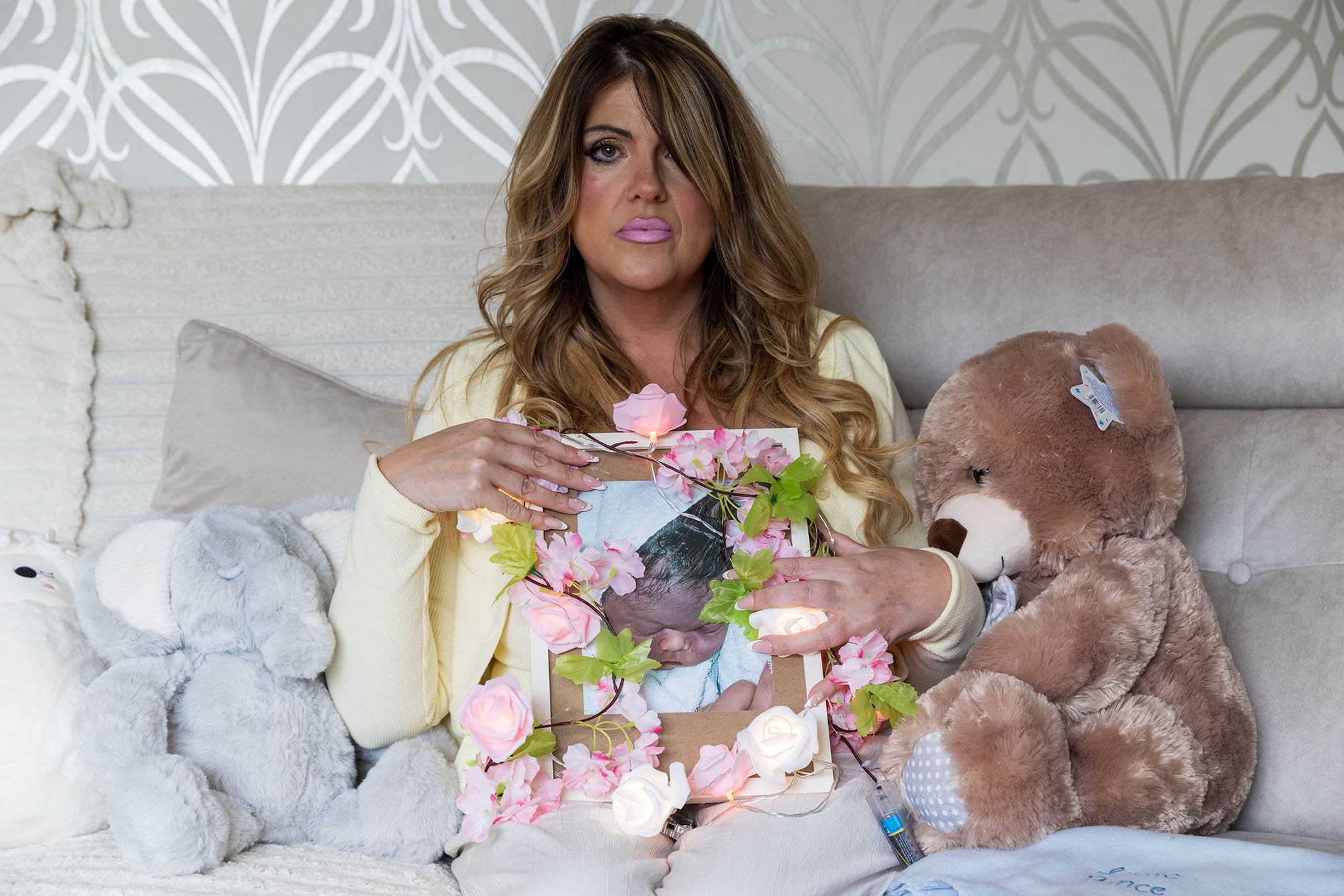
Angela Welsh was told her son Kion had died in her womb but was sent home from Leeds General Hospital and told she would give birth to him three days later. She is sure he died because doctors and midwives did not believe that he was conceived two weeks earlier than their initial scan suggested, so allowed the pregnancy to continue until it was dangerous.
“I’m hoping Donna can uncover the truth,” she said. “I’m worried there’s a massive cover up and that she will have the authority to get to the bottom of everything.”
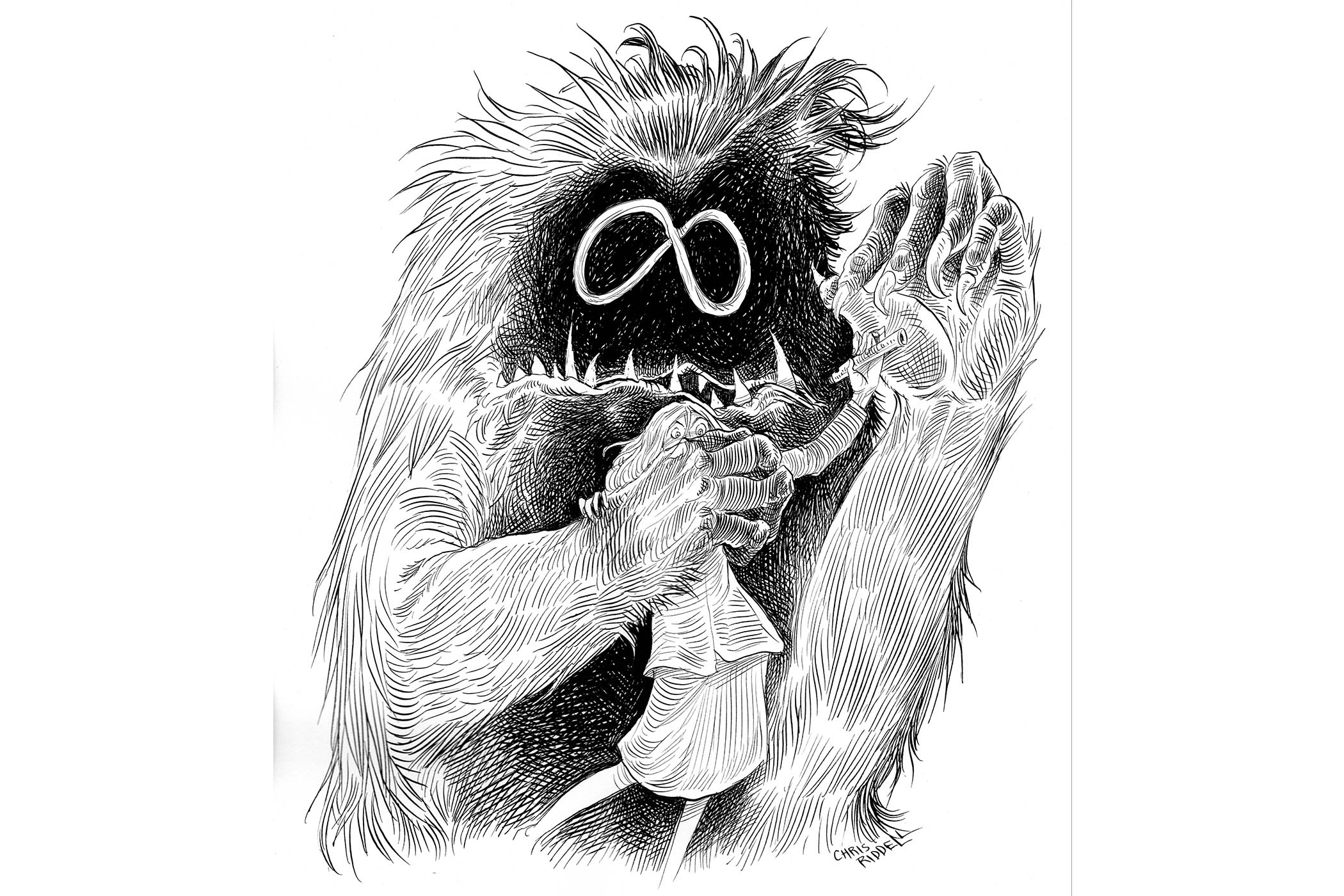
Amos said that the most urgent issue was for the NHS to improve maternity triage. Pregnant women experiencing bleeding or unusual movements by their babies were “dismissed” or given a “perfunctory look”, she said, and trusts should do an “urgent review” and treat triage as “the A&E of maternity and neonatal care”.
Newsletters
Choose the newsletters you want to receive
View more
For information about how The Observer protects your data, read our Privacy Policy
Murray is chairing a maternity taskforce aiming to deliver the eight recommendations of Amos’s national maternity and neonatal investigation, which also include creating a national maternity commissioner for England and improving how the NHS listens to women.
But Amos said the intense attention paid to normal birth made it an issue that Murray’s task force ought to address. From 2007 to 2017, the Royal College of Midwives advised that women should try to have a vaginal birth without medical intervention, and NHS England told hospitals to try to reduce caesarean sections to about 20% of births.
That advice was dropped after scandals such as Morecambe Bay, where it was found that clinicians had ignored or failed to respond quickly enough to problems arising during childbirth.
Gill Walton, chief executive of the Royal College of Midwives, said that maternity care had “evolved significantly in recent years”.
“We understand far more about the physiological and psychological impact of birth experience; we have stronger evidence on outcomes and on women making informed choices.
“Care today is shaped around the individual, not a preferred model of birth. The NHS and organisations including RCM have moved away from the approach of earlier years, to focus more on empowering women as the lead decision-makers in their care.”
James Titcombe, whose son Joshua died of sepsis in 2008 after failures in Morecambe Bay, said he believed natural birth ideology remained a “significant and widespread patient safety issue” and that Amos’s review appeared to have “taken a superficial approach”.
“Its conclusion seems to rest largely on asking staff narrow questions and accepting their answers at face value, without the rigorous triangulation of evidence or deeper examination that such an important question demands,” he said.
Amos said that although some families had talked of pressure for a natural birth, others said they were pushed towards medical interventions. She agreed it was “entirely possible” that cultures in some trusts had not caught up with policy changes.
“We found a huge amount of inconsistency and variation [in maternity care standards],” she said. “So I entirely accept that there will [or] there may be places where [normal birth] is more prevalent than others, but we could not point to a national prevalence.”
Catherine Roy of the MSA said recent inquests demonstrated that normal birth ideology was still part of maternity care because women were not given enough information about the risks of homebirth.
Jennifer Cahill and her baby Agnes died in 2024, after deciding to have a homebirth despite being high-risk. She haemorrhaged about half the blood in her body after a tear during delivery and could not receive a blood transfusion in time. Poppy Lomas was seven days old when she died after a homebirth and her mother, Gemma, said she was never told she was at high risk of complications.
The presumption that women should give birth naturally remained baked into the maternity care system, Roy said. “It’s based on valuing vaginal delivery without pharmaceutical pain relief and without medical interventions.”
She said that midwifery exams were changed in 2019 to remove all allusion to normal birth. “But most of the workforce has been trained under these beliefs to some extent. I can’t believe it’s only a problem in patchy areas.”
Photographs by Gary Calton for The Observer, Christopher Furlong/Getty Images