
We can’t say we weren’t warned. Page 15 of the new US National Security Strategy (NSS) states: “The United States will reassert and enforce the Monroe Doctrine to restore American preeminence in the Western Hemisphere.” In the dead of night, that’s exactly what US forces did in Venezuela.
The kidnapping of Nicolás Maduro and his wife – and the near silence so far from the rest of the west – may herald the end of any pretence that international law still matters.
Maduro’s authoritarian rule has been a disaster for Venezuela. Elections have been shams, countless protesters have been jailed and the economy is a mess. The majority of Venezuelans wanted Maduro gone.
Trump does not pretend that international law or multilateralism mean anything to him
Trump does not pretend that international law or multilateralism mean anything to him
But Trump’s military action was not about restoring democracy. In a rambling press conference in Mar-a-Lago, he said that the US would “run the country” – announcing an occupation that has no legal justification. He talked repeatedly about Venezuela’s oil industry and how American companies would now be “very much involved”.
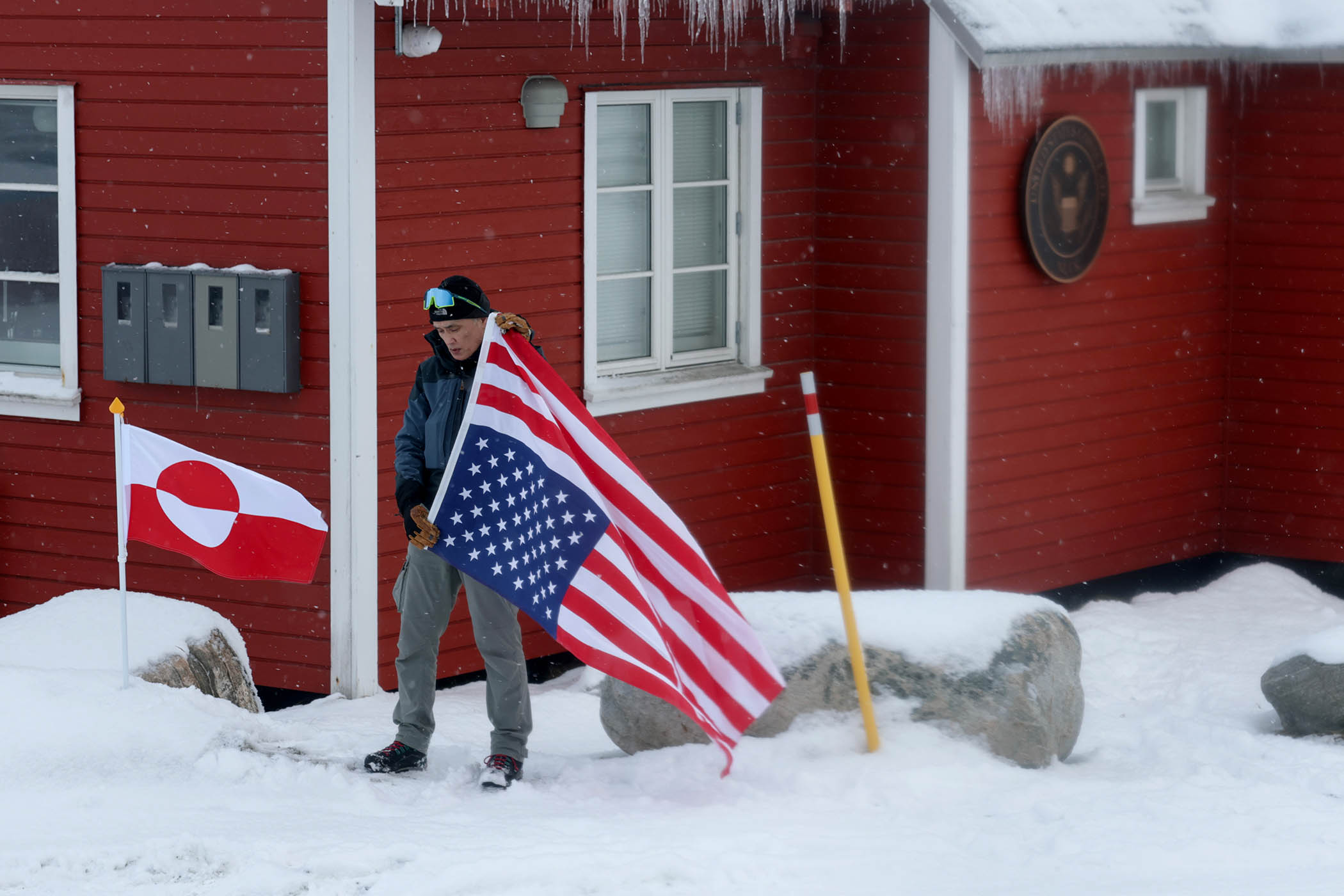
More disturbingly, he argued that military action was necessary because “we want to surround ourselves with good neighbours”. In the days since, those fears have only increased. In interviews and conversations with reporters on Air Force One in the past 48 hours Trump has threatened military action against Colombia, Mexico and Cuba, and reiterated his call for Greenland – part of Denmark, a NATO ally – to be “owned” by America.
He has mused about the idea of kidnapping another president, Colombia’s Gustavo Petro, and said Venezuela’s vice president Delcy Rodríguez, will suffer “a fate worse than Maduro” if she fails to fall in line.
Trump’s gunboat imperialism appears to know no bounds. What about Canada, the sovereign nation Trump has repeatedly referred to as America’s “51st state”?
The impact of America’s military action in Venezuela will reverberate across the world. If Trump’s behaviour is now deemed acceptable, we are entering a dangerous international age, one in which the United Nations, the International Criminal Court and even Nato are no longer secure.
Over the past week, China has engaged in large-scale live-fire drills around Taiwan. Xi Jinping has made no secret of his desire to, one way or another, take control of Taiwan. What happens if he decides to mount a similar operation and try to capture Taiwan’s president Lai Ching-te? Or if Russia, which attempted to capture or kill Volodymyr Zelensky on the first day of its full-scale invasion of Ukraine, tries its luck once more?
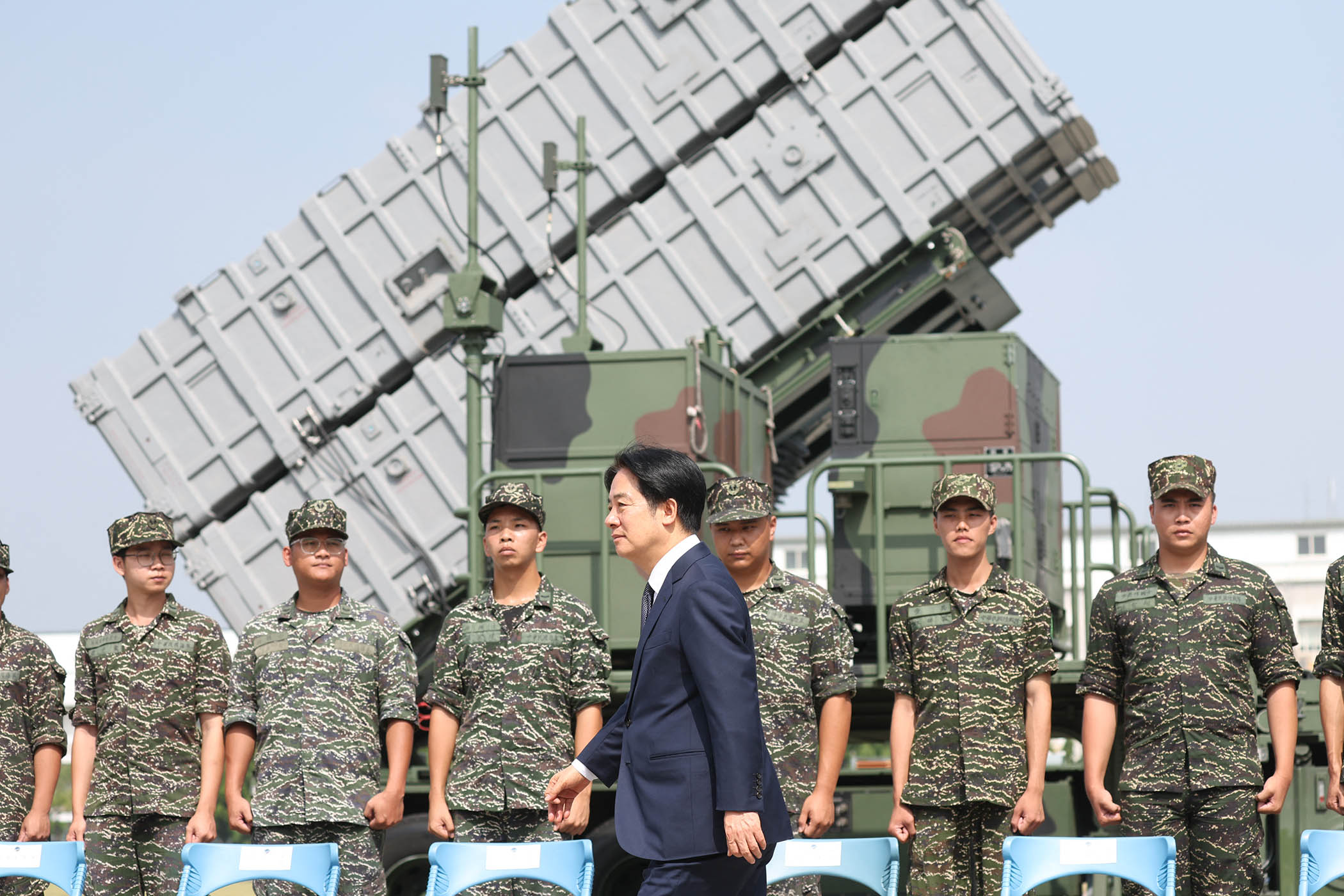
Taiwan’s president Lai Ching-te visits a naval base after Chinese military drills in October 2024.
What is happening in Latin America can happen here in Europe. What is stopping him sending troops to Greenland? What is stopping him threatening the UK with higher tariffs unless we elect Nigel Farage? Nato’s Article 5 is supposed to protect us from outside threats. What do we do if the call is coming from inside the house?
Newsletters
Choose the newsletters you want to receive
View more
For information about how The Observer protects your data, read our Privacy Policy
Trump’s actions in Venezuela present another test for Europe and all those who have traditionally viewed themselves as America’s ally. It is a test that, in the first few hours, they are already failing.
There has been little European condemnation, while Keir Starmer’s initial statement managed to both remind us of his principles (“As you know, I always say– and believe – we should all uphold international law”), before reminding us of his weaknesses (“But I think at this stage it’s a fast-moving situation... establish the facts and take it from there.)”
Just as the biggest European nations have belatedly realised they need a united front to stand up to Trump over his support for Vladimir Putin on Ukraine, they need to show the same urgency to protect the multilateral,rules-based system that has – albeit imperfectly – guided the world over the past 80 years.
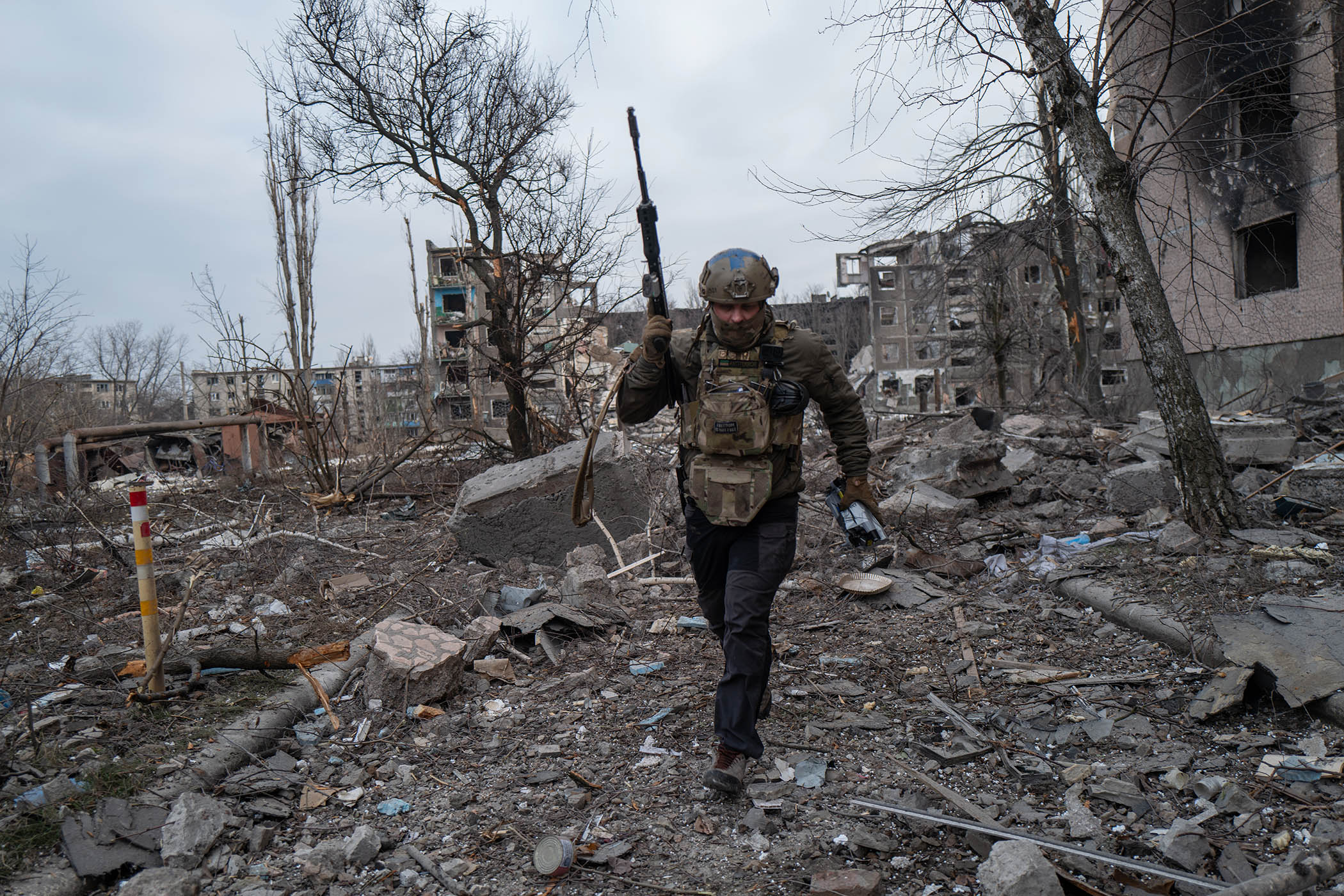
A Ukrainian soldier amid the debris of Kostiantynivka, Donetsk, in December.
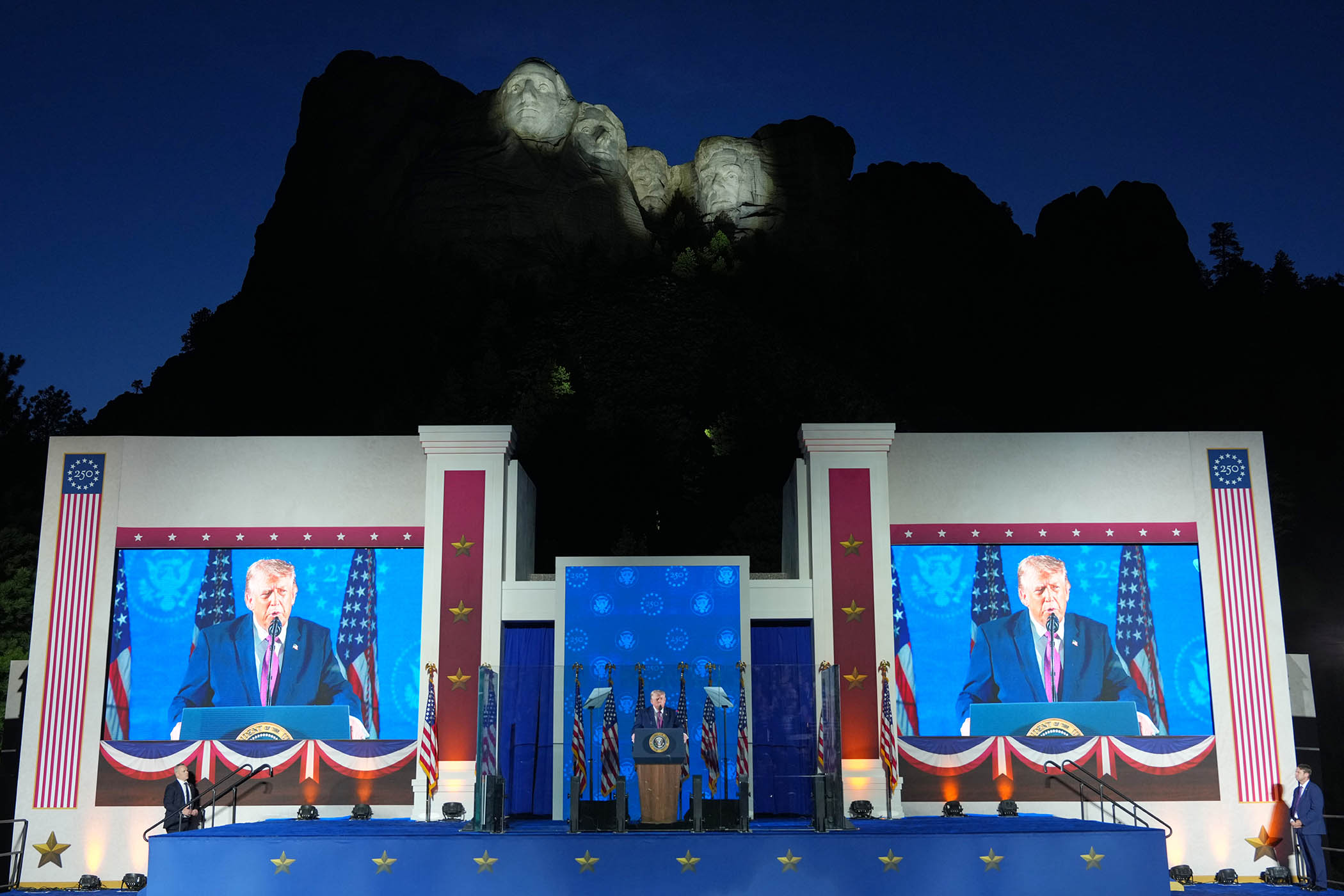
Trump does not pretend international law or multilateralism mean anything to him. Indeed, as the security strategy makes clear, we are now entering a period where America wants to rule the world.
America’s respect for international laws has always been far weaker than it has claimed. Almost every nation in Latin America has been invaded or bombed by the US since the second world war, while nations from Congo to Iran have been the victim of CIA-organised coups or regime change. Democratic presidents have been as guilty as Republicans – both Bill Clinton and Barack Obama backed dictators when it suited them. But this is different. America is in a dark place, ruled by an autocrat who is continually trying to destroy his country’s democracy. As the NSS makes clear, he wants to reshape the rest of the world too.
Launching military action without national or international legal approval, kidnapping a head of state, boasting about how you’re claiming his nation’s natural resources: these are the actions of a rogue state. There is something more scary than a rogue state, though – that’s a rogue superpower.
Back in 2003 George W Bush was castigated for his actions in Iraq – from the lies about weapons of mass destruction and the corrupting of intelligence, to the disdain for the UN and the disastrous failure to prepare for a post-Saddam Hussein regime. Yet we’re in the bizarre position where Bush’s two-year bid to win international approval and build a case for Saddam’s removal looks almost quaint.
Trump’s wars
At his inauguration in January 2025, Donald Trump pledged to be a “peacemaker and unifier”. Although he has claimed to have brokered several – and in some cases, short-lived – peace deals, he also carried out military interventions with relish, bombing seven countries during the first year of his second term.
SomaliaDuring his first stint as US president, Trump dramatically ramped up strikes against jihadists in Somalia. He has intensified this air campaign again since returning to the White House, with 118 strikes conducted in 2025 – more than the Bush, Obama and Biden administrations combined.
YemenTrump launched a wave of air and naval strikes against targets in Houthi-controlled Yemen in early 2025, pledging to “annihilate” the Iran-backed militia group after it hit Israel and targeted Red Sea shipping in retaliation for the war in Gaza. One attack, against a fuel port in April, killed at least 80 people, according to Houthi-run health authorities.
IraqIn March last year a US airstrike killed a senior leader of Islamic State (IS) in Iraq. The operation was carried out with Iraq’s intelligence services. Trump wrote on social media that it exhibited “peace through strength”.
IranDuring Israel’s short war with Iran in June, the US struck three Iranian nuclear facilities. B-2 stealth bombers dropped bunker-busters and cruise missiles were launched from a sub. Trump claimed the country’s nuclear programme had been “completely and totally obliterated”, although the extent of the damage is still unclear.
SyriaAfter IS killed two US soldiers and a US civilian interpreter in central Syria on 13 December, Trump authorised more than 70 strikes on the group. His rebranded “war secretary”, Pete Hegseth, described them as a “declaration of vengeance”.
Nigeria A US ship stationed in the Gulf of Guinea launched more than a dozen cruise missiles at two IS training camps in Nigeria on Christmas Day. Trump said the aim was to protect Christians who Maga figures say are being targeted for their faith. Nigeria’s government denies this, but acquiesced to the strikes.
VenezuelaThe US began attacking alleged drug boats off Venezuela’s Caribbean coast in September, carrying out 33 known strikes and killing at least 112 people so far. US forces also docked two sanctioned oil tankers, pursued a third and hit a Venezuelan port facility with a drone before yesterday’s Saturday’s operation. Fred Harter
Photograph by Joe Raedle/Getty Images; I-Hwa Cheng/AFP via Getty Images