


This article first appeared as part of the Daily Sensemaker newsletter – one story a day to make sense of the world. To receive it in your inbox, featuring content exclusive to the newsletter, sign up for free here.
The Trump administration has repealed a 2009 scientific determination stating that carbon dioxide, methane and other greenhouse gases are harmful to human health.
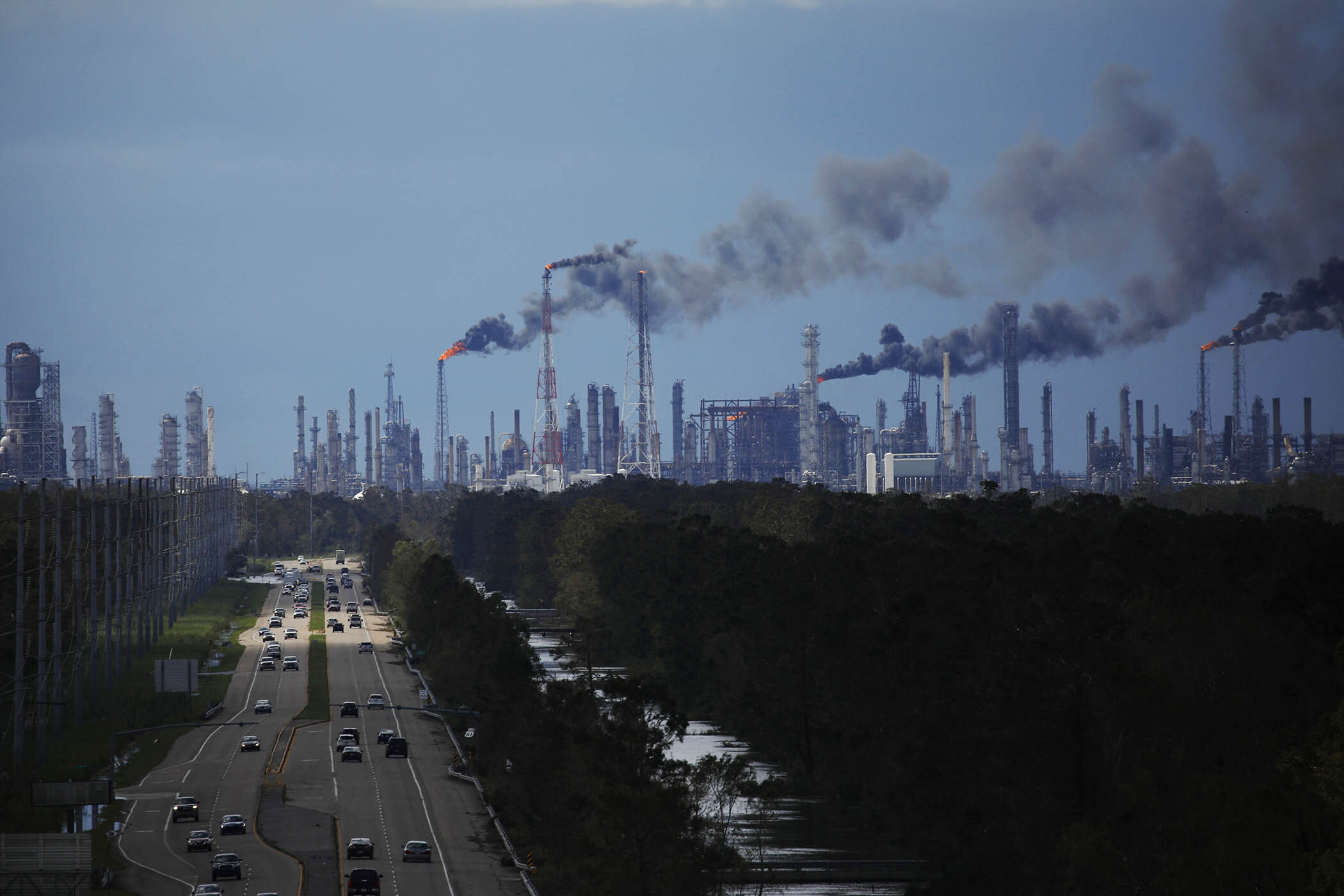
So what? The potential consequences are dire. A blandly-worded “endangerment finding” would be uncontroversial in most countries and was the legal foundation of the US federal government’s ability to regulate pollutants that cause climate change. Its repeal is the most significant step taken by the Trump administration to roll back Democratic legislation. This decision
•
removes the Environmental Protection Agency’s ability to limit emissions;
•
forms part of broader American efforts to dismantle climate protections; and
•
makes the world’s second biggest polluter a global outlier on environmental policy.
Foundational text. The endangerment finding was made during Barack Obama’s first term, when Congress was unable to agree on climate change legislation. It obliged the federal government to regulate six greenhouse gases produced by vehicles, power plants and other sources on public health grounds, rather than on the basis that they contribute to global warming.
To hell with it. Last week Donald Trump described it as “a radical rule” that had set back the American car industry. The White House calls its repeal the “largest deregulation in American history” and claims it will make cars $2,400 cheaper on average. It did not publish its workings.
So it’s a bad thing? Environmental groups have warned of an increase in pollution deaths and asthma cases. Obama said the decision will make Americans “less safe, less healthy and less able to fight climate change”, so that the fossil fuel industry “can make even more money”.
Sensing a pattern. The reversal came after the US Energy Department published a report last year that questioned well-established climate science. It was produced by a group of climate sceptics, contained mistakes and was accused of skewing data. Last month a federal judge ruled that the secretive way in which the group was formed had violated the law.
Thank you, Donald. Conservatives and industry lobbyists have sought to overturn the endangerment finding for years without success. The US court of appeals rejected lawsuits challenging the position in 2012 and 2023, saying there was an “ocean of evidence” to support it.
Blah, blah. This is of little consequence to Trump, who has called climate change the “greatest con job ever”. During his second term he has scrapped Biden-era initiatives to increase the adoption of EVs and opened up a vast tract of pristine Alaskan wilderness to oil and gas drilling.
Blowing hard. Trump has also paused leases for all large-scale wind projects under construction in the US and lambasted European allies as “stupid people” for buying Chinese turbines, claiming the country doesn’t itself build wind farms. In fact, China has the world’s largest wind capacity.
Newsletters
Choose the newsletters you want to receive
View more
For information about how The Observer protects your data, read our Privacy Policy
Trouble ahead. After Trump’s first term, the Biden administration reversed the decision to pull the US out of the Paris pact. But establishing a new finding would be a lengthy process vulnerable to legal challenges, potentially hobbling the ability of future presidents to address climate change.
Downstream effects. If the federal government stops regulating emissions, states could adopt their own rules. The result would be a patchwork of regulation that is costly to navigate. Other countries would be unlikely to import American vehicles that do not meet their emissions standards.
Never back down. It could also trigger states, towns and civil groups to sue companies for contributing to climate change. There are already several such legal actions underway. Last month Michigan sued four major oil companies, alleging that they have stifled competition from renewables and conspired to keep energy prices high.
What’s more… Several environmental groups plan to challenge the reversal of the endangerment act. But with a conservative majority in the Supreme Court, there is no guarantee of success.
Photograph by Luke Sharrett/Bloomberg via Getty Images