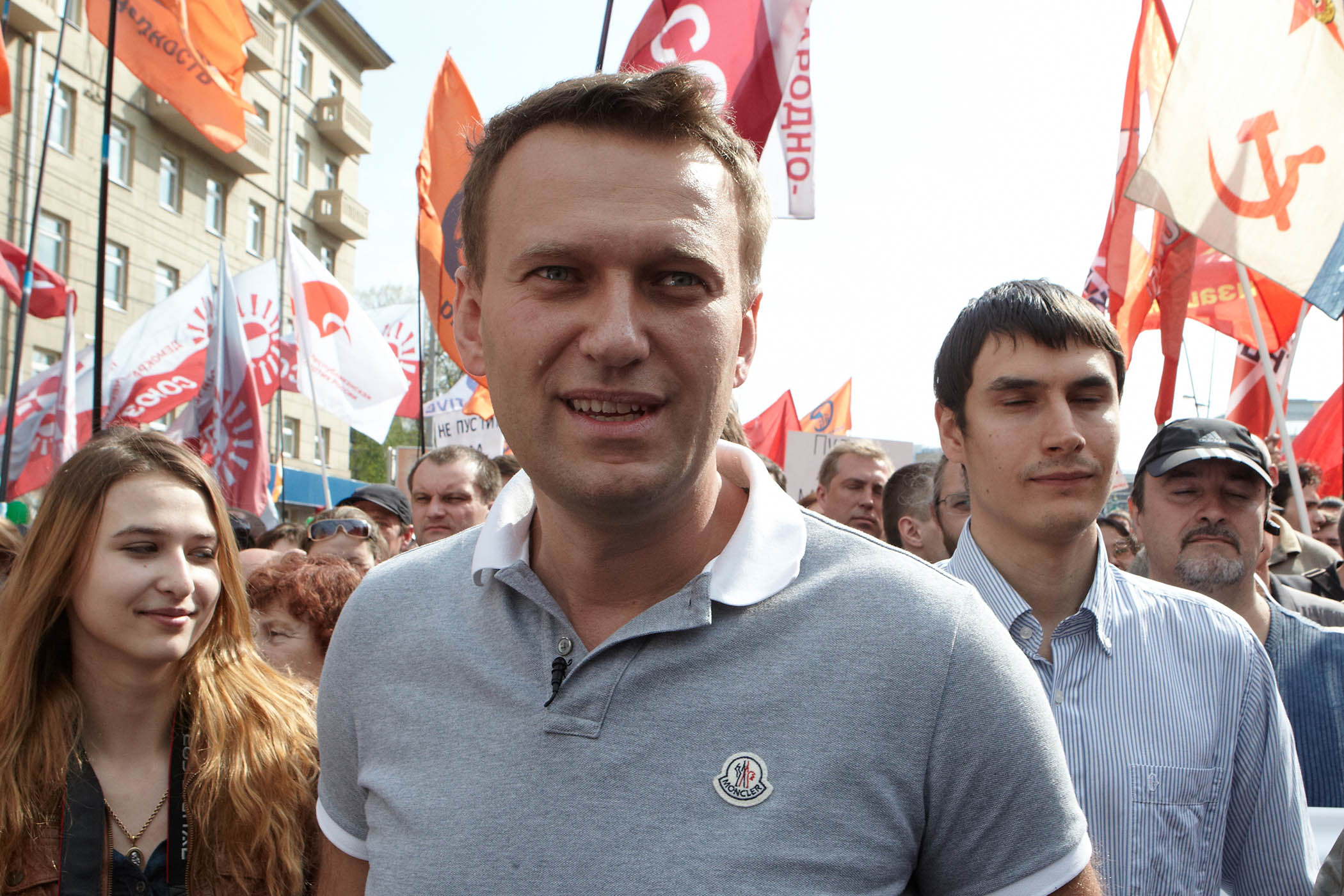

The Russian opposition leader Alexei Navalny was killed using a poison found on the skin of Ecuador dart frogs, the UK and European allies announced on Saturday.
Laboratory testing confirmed the presence of the deadly toxin epibatidine in samples taken from Navalny’s body. There was “no innocent explanation” for the presence of the poison and it was “highly likely” to have been the cause of his death, the Foreign Office said.
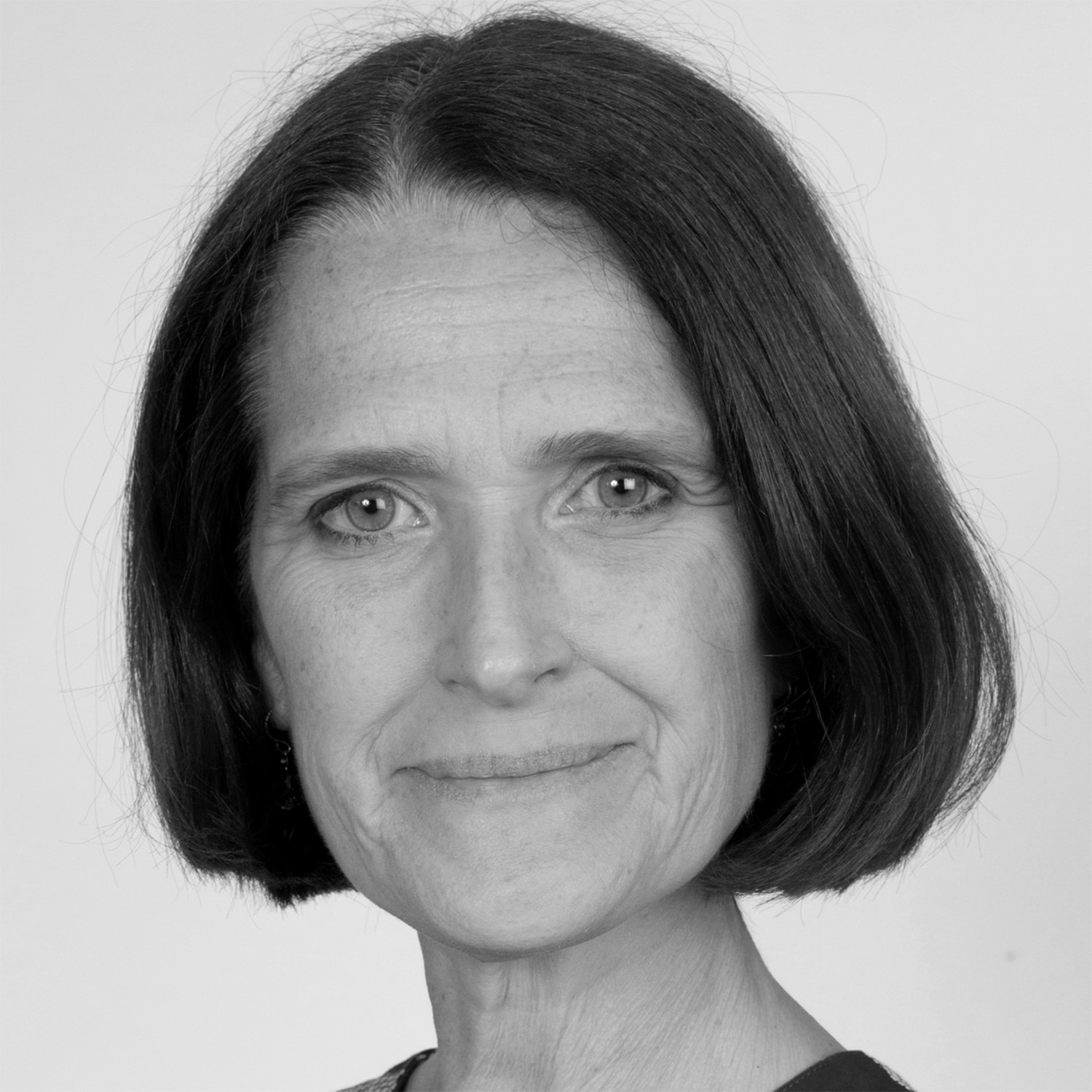
Speaking at the Munich security conference, the foreign secretary, Yvette Cooper, laid the blame for the poisoning firmly at the door of Vladimir Putin. “Only the Russian government had the means, motive and opportunity to deploy this lethal toxin against Alexei Navalny during his imprisonment in Russia,” she said.
Epibatidine can be found naturally in dart frogs in the wild in South America, where Indigenous tribes are said to use it in blow darts and blow guns. According to the Foreign Office, dart frogs in captivity do not produce the poison and it is not found naturally in Russia.
Navalny, who was one of Putin’s most vociferous critics, died suddenly while serving a prison sentence in an Arctic Circle penal colony on 16 February 2024 at the age of 47. It is not clear how the poison was administered. The samples are thought to have been obtained after the Kremlin handed his body over to his family for burial.
The UK prime minister, Keir Starmer, said: “Alexei Navalny displayed huge courage in the face of tyranny. His determination to expose the truth has left an enduring legacy and my thoughts are with his family today.
“I am doing whatever it takes to defend our people, our values and our way of life from the threats of Russia and Putin’s murderous intent.”
The UK worked collaboratively with Sweden, France, the Netherlands and Germany to determine the cause of Navalny’s death. It is understood that British scientists at the military research facility Porton Down in Wiltshire played a key role in the discovery of the toxin.
The details of the frog poison were revealed after Marco Rubio, the US secretary of state, skipped a meeting with European allies about the war in Ukraine, citing scheduling conflicts. Rubio is travelling from Munich to Budapest to meet Hungary’s strongman prime minister, Viktor Orbán, the most pro-Russian EU leader.
Cooper, who met Navalny’s widow, Yulia Navalnaya, on Saturday in Munich described the poisoning of the opposition leader as part of a “barbaric plot to silence his voice”.
Newsletters
Choose the newsletters you want to receive
View more
For information about how The Observer protects your data, read our Privacy Policy
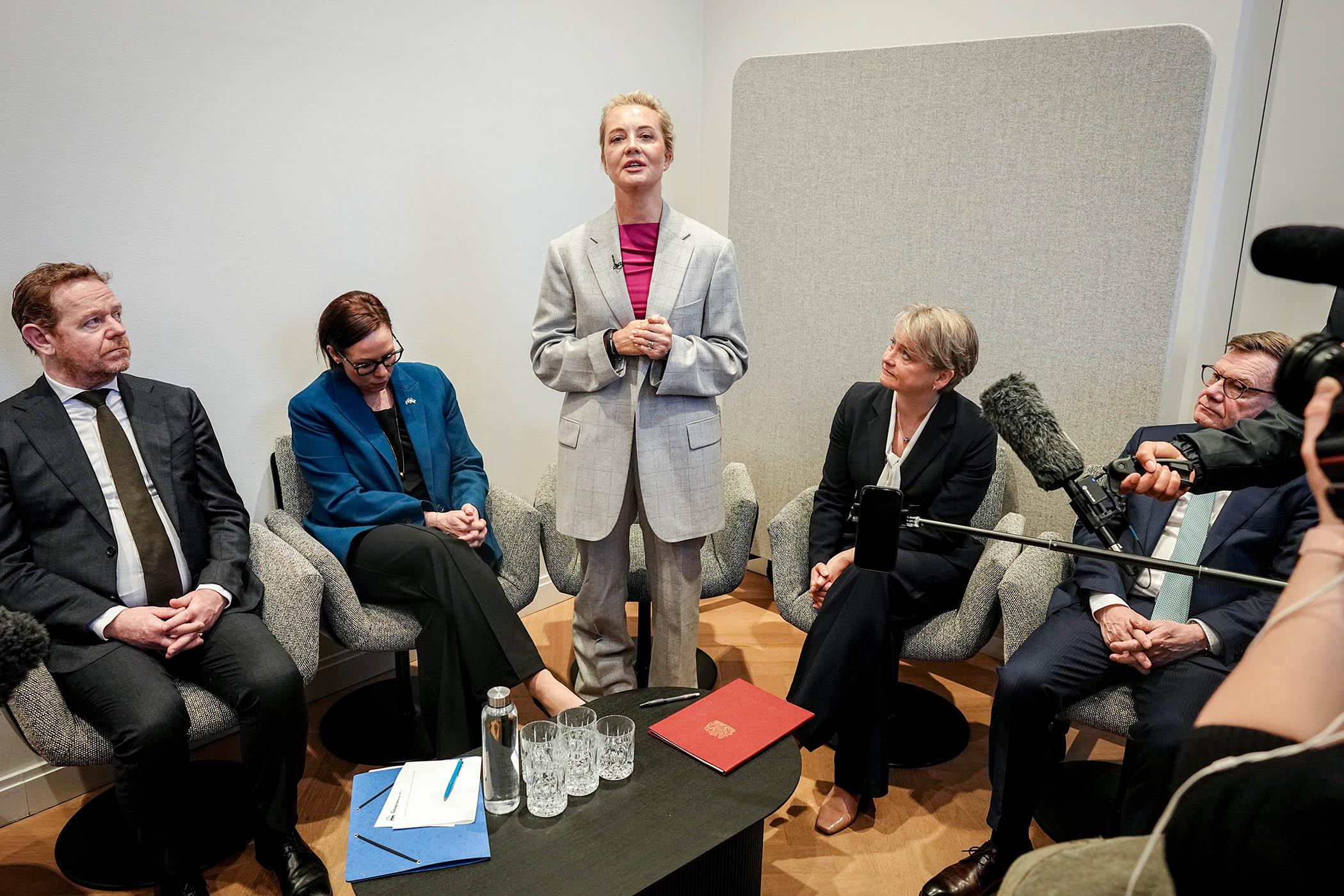
Yulia Navalnaya gives a press statement at the Munich Security Conference on the circumstances of her husband's death
Cooper said: “Russia saw Navalny as a threat. By using this form of poison, the Russian state demonstrated the despicable tools it has at its disposal and the overwhelming fear it has of political opposition.”
The UK has reported the poisoning to the Organisation for the Prohibition of Chemical Weapons as a “flagrant violation” by Russia of the chemical weapons convention.
Navalnaya has consistently argued that her husband was killed by poisoning while in jail. In 2020, the opposition leader was targeted with novichok nerve agent. He survived this poisoning, had treatment in Germany and was arrested at the airport on his return to Russia.
Reacting to the announcement at a press conference in Munich that the rare toxin had been found in his body, Navalnaya said: “I was certain from the first day that my husband had been poisoned.” She added: “What else could happen with Putin’s number one enemy in a Russian prison?”
In his memoir, posthumously published in 2024, Navalny said he believed he would die in prison.
The Foreign Office said the dart frog poisoning was part of an “alarming pattern of behaviour” by Russia that has followed the targeting of Sergei Skripal and his daughter, Yulia, with novichok in Salisbury in 2018 and the “frequent use” of chemical weapons on the battlefield in Ukraine.
Alexander Litvinenko, a prominent critic of Putin, died in London in 2006 after being poisoned with polonium-210 in a cup of tea.
Maria Zakharova, a spokesperson for the Russian foreign ministry, told the TASS news agency that the allegations “are a disinformation campaign by the West”.
“There will be results of the analyses, there will be formulas of the substances – there will be a commentary. Without this, all the talks and statements are an information campaign aimed at diverting attention from the pressing problems of the West,” she said.
The Russian Embassy in the UK has struck a similar tone: “This isn't a quest for justice, but a mockery of the dead. Even after the death of a Russian citizen, London and European capitals cannot give him peace, which speaks volumes about the instigators of this campaign.”
At the time of his death, Navalny had been in jail for three years on trumped-up charges and had recently been transferred to the Arctic Circle penal colony. According to Russian accounts, he took a short walk, said he felt unwell, then collapsed and never regained consciousness.
‘I was certain from the first day that my husband had been poisoned’
‘I was certain from the first day that my husband had been poisoned’
Yulia Navalnaya
Epibatidine is secreted by several species of dart frog in Ecuador and the toxin was isolated for the first time in 1974 by John Daly, a US biochemist, from phantasmal poison frogs. The amphibians exude the subtance to combat predators, and researchers discovered in 2017 that they avoid poisoning themselves through a genetic mutation. Alastair Hay, professor emeritus of environmental toxicology atLeeds University, said epibatidine paralyses the respiratory system. “So breathing is blocked and any person poisoned dies from suffocation.”
Phantasmal poison frogs are protected, and when bred in captivity they lose their toxicity, so the chemical is usually synthesised rather than harvested. For some time, it was investigated as a potential alternative to opioid painkillers, since it appeared to be hundreds of times more powerful than morphine without the addictive side-effects.
However, research foundered because the amount needed for a therapeutic dose is so close to a lethal one.
If the epibatidine used to kill Navalny was synthesised, the most likely manufacturer would be Moscow’s State Scientific Research Institute for Organic Chemistry and Technology, which the UK has sanctioned because of its likely involvement in the production of novichok.
One expert said the toxin had almost certainly been “tailored for use as an assassination tool”.
Starmer told world leaders gathered in Munich that Europe must be “ready to fight” to protect its people, values and way of life. He stressed the continent must “stand on its own two feet” and be prepared to “deter aggression” from Russia.
He added: “We must build our hard power because that is the currency of the age,” he told the security conference.
Rubio insisted the US did not plan to abandon the transatlantic alliance, and its destiny “will always be intertwined” with Europe’s.
His comments were a marked contrast with the US vice-president, JD Vance, who last year used his speech at the Munich security conference to castigate EU governments.
Photograph by Oleg Nikishin/Epsilon/Getty Images, Kay Nietfeld/dpa via AP