Photographs by Iva Sidash/The Observer
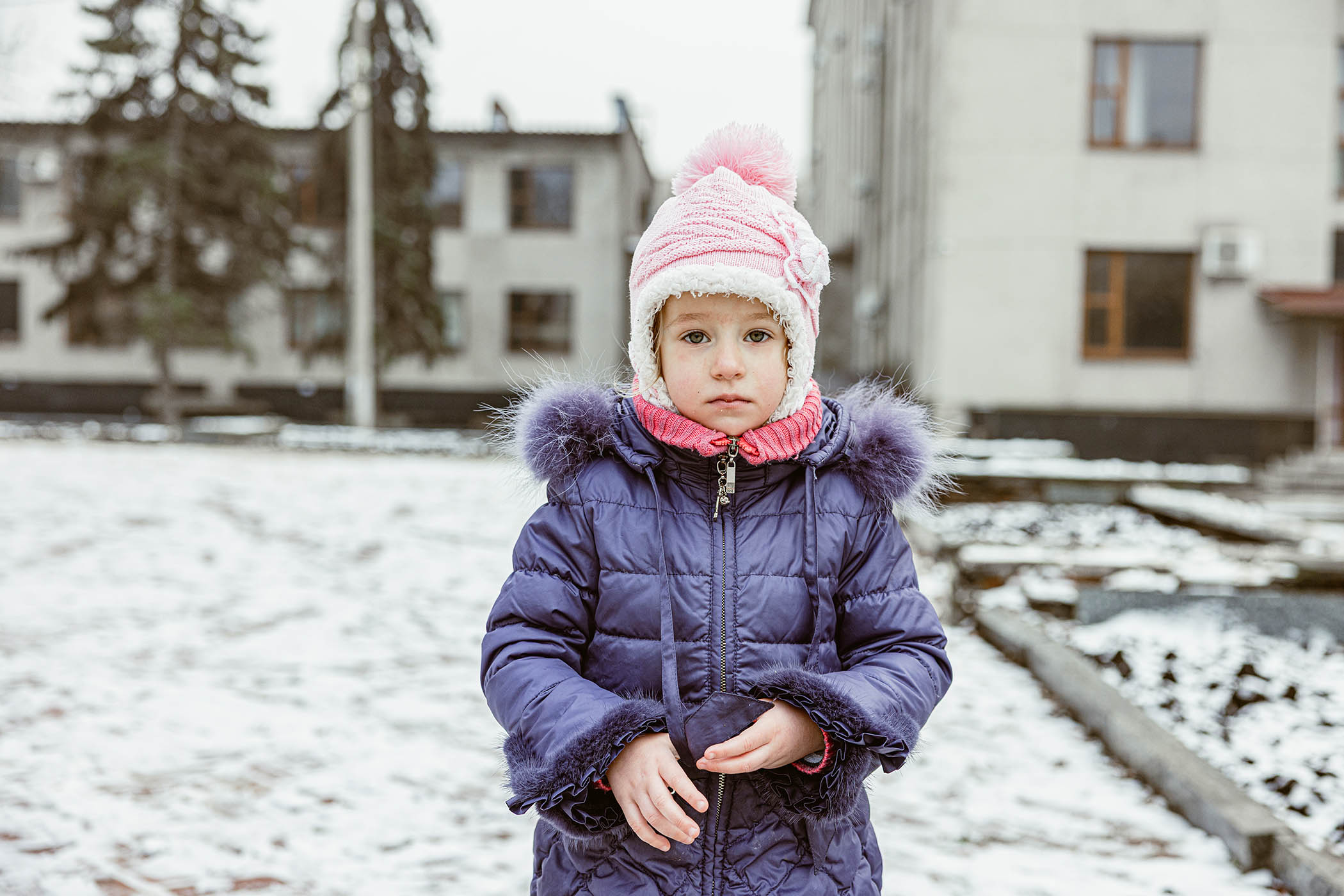
As darkness falls over their home in eastern Ukraine, Viktoria Mylenko and her nine-year-old son, Oleksandr, brace themselves for the night ahead.
For weeks now, they have been torn from sleep by the buzz of Russian drones and the crash of heavy glide bombs. Most nights they jump out of bed and squeeze into the doorway between the kitchen and the living room, where the walls are thickest, waiting for the threat to pass.
Mylenko, whose blond hair frames careworn features, is not sure how much more of this she can take. Deep down, the 51-year-old knows she should already have left Sloviansk along with her parents, who live with her, and their pet chihuahua. The city she calls home is in the eastern region that US president Donald Trump is pressing Ukraine to surrender to Russia in exchange for peace. Russian president Vladimir Putin has vowed to take all of the Donbas region one way or another.
“Right now we don’t even want to think about it,” said Mylenko, sitting at her kitchen table with a pot on the stove. “Our home is here. We don’t want to give it to Russia.”
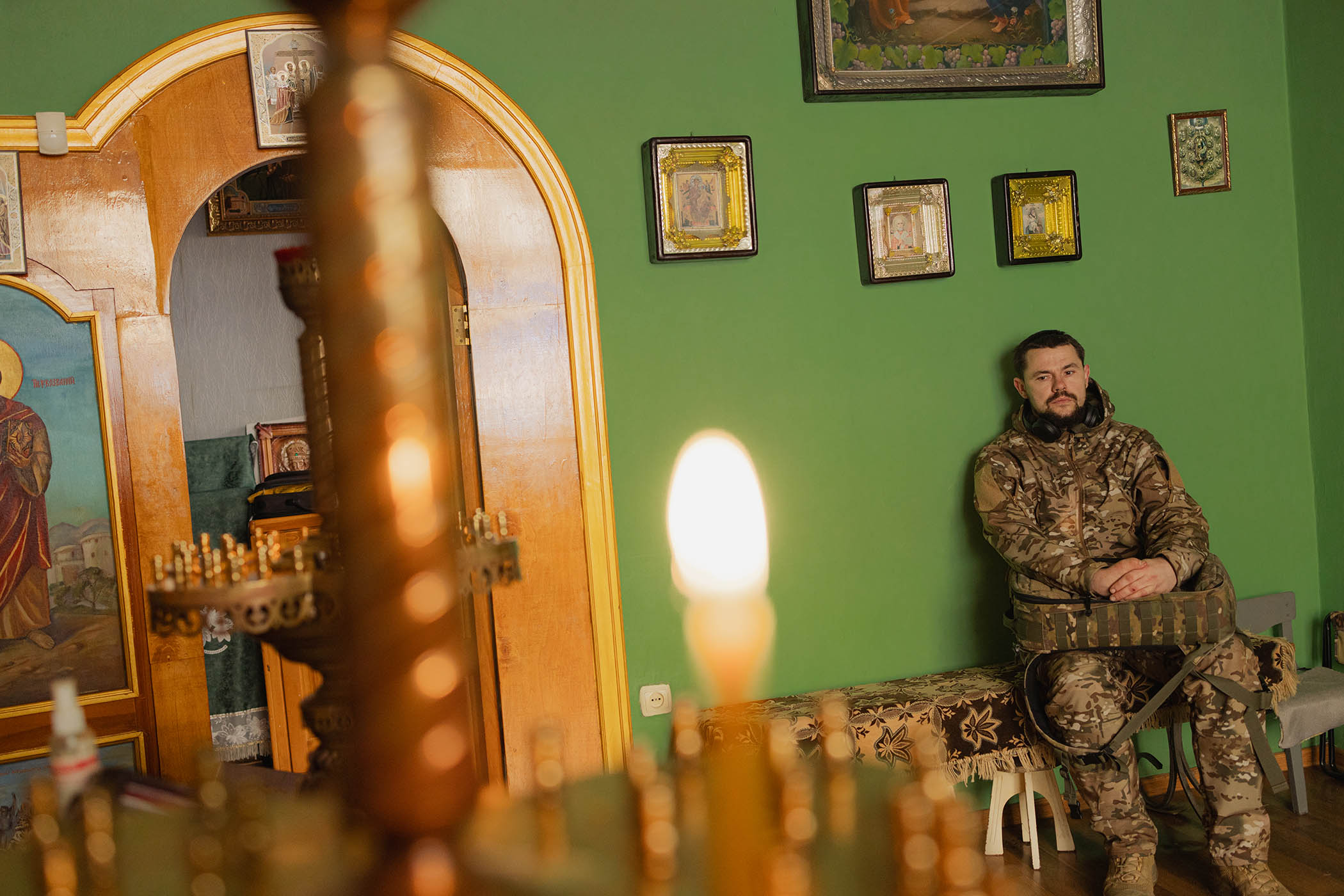
A serviceman inside the Ukrainian Orthodox church of Saint Andrew the First-Called in Sloviansk
The land-for-peace deal poses fundamental questions for Ukrainians: are they willing to make painful sacrifices to bring the war to an end? Even if they give up Donbas, do they believe Putin would stop there?
Nowhere are those questions more stark than in the last part of Donbas still under Ukrainian control. After more than a decade of war, Russia has occupied almost 90% of the region, made up of the Ukrainian provinces of Donetsk and Luhansk. Some 200,000 people live in the remaining pocket, including the cities of Kostiantynivka, Sloviansk and Kramatorsk, which are known as Ukraine’s fortress belt.
From a military standpoint, handing over the heavily fortified territory would leave the rest of Ukraine even more vulnerable to attack. Trump recently proposed turning the area into a demilitarised special economic zone in a bid to overcome the most intractable issue in negotiations to end the war.
The Observer visited Sloviansk, where about half the pre-war population of 111,000 remains, clinging to their homes even as the reality around them deteriorates. To leave would mean abandoning everything from childhood haunts to the salt lakes where locals bathe in summer. But staying is an increasingly dangerous gamble.
Newsletters
Choose the newsletters you want to receive
View more
For information about how The Observer protects your data, read our Privacy Policy
Russian forces recently pushed into the town of Siversk, about 30km east of Sloviansk. The last train left Sloviansk in November as Ukraine’s state railway company suspended services due to worsening security. The main road into the city was recently covered with nets to protect against drones that are now within striking distance. Even so, many are preparing to celebrate what may be their last Christmas here.
In the Mylenko house, a small bungalow on the edge of the city, light and warmth create an illusion of safety. Between power cuts, Oleksandr plays video games with his friends online. Gangling and shy, he has never been to school, because Russia invaded when he was finishing kindergarten. A photograph of his father wearing wraparound sun glasses and military uniform sits on a low table beside the TV. Nearly two years have passed since he called to say he was going on a combat mission; Mylenko hasn’t heard from her husband since.
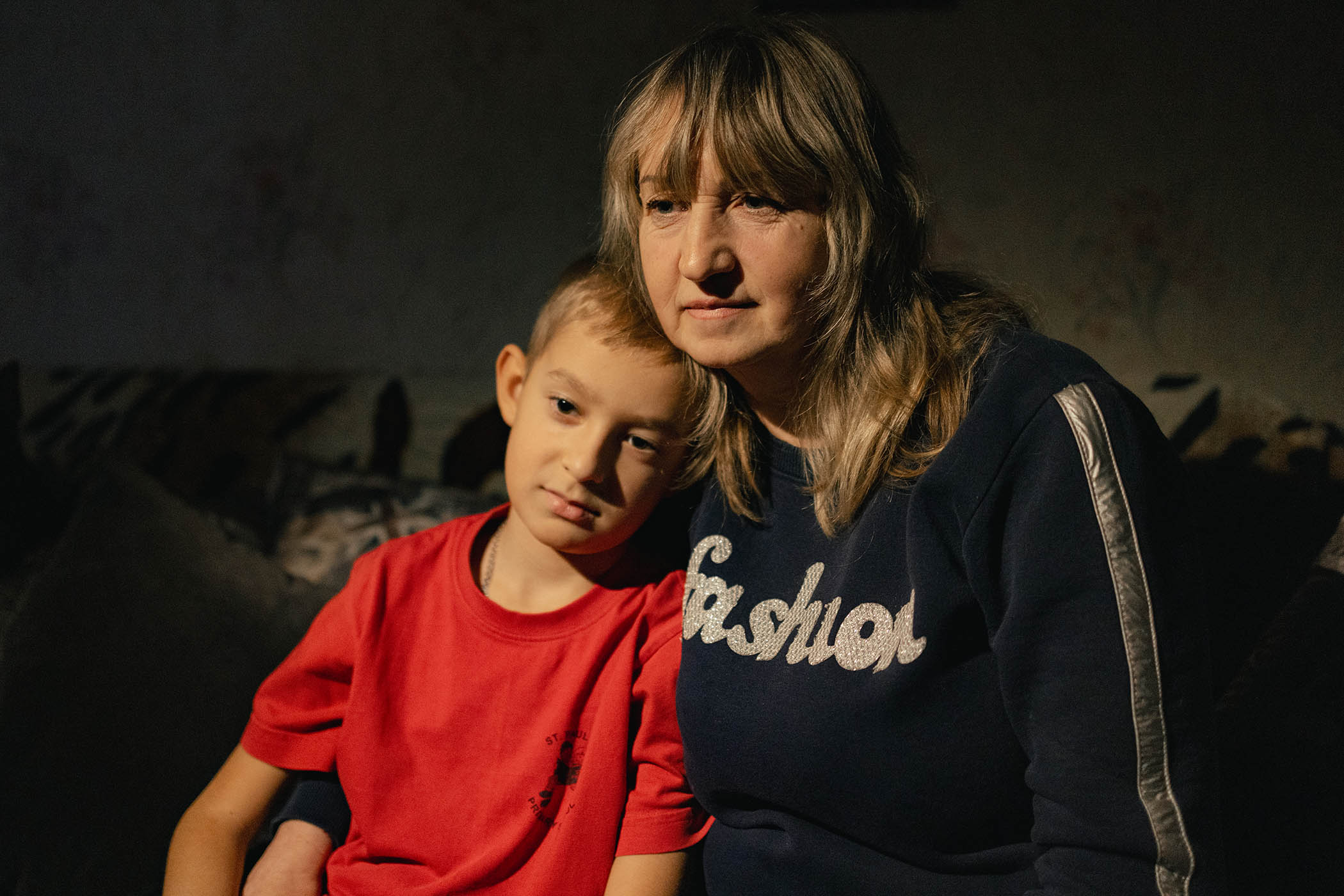
Viktoria with her son Oleksandr at their home in Sloviansk.
He is not the only member of the family to be swallowed up by the conflict between Russia and Ukraine; more than a decade ago, Mylenko’s brother was killed by pro-Russian separatists who briefly seized Sloviansk, handing it a central role in the opening phase of the war. That history weighs heavily as the city finds itself in Russia’s crosshairs again.
In April 2014, Igor Girkin, a former officer in Russia’s Federal Security Services (FSB), arrived in Sloviansk, joining with a rabble of pro-Russian separatists to seize the city. Putin had vowed to protect Russian-speaking citizens of Ukraine after protests toppled Ukrainian president Viktor Yanukovych, himself a Russian speaker from Donetsk.
Thousands of residents thronged the main square in front of the city hall to welcome them, chanting “Russia, Russia”. The rebels hoisted Russian flags, arrested the elected mayor and began hunting down traitors. Ukrainian forces drove them out less than three months later but large parts of the region remained under Russian control.
After more than a decade of war that has scarred their lives, many residents simply want peace – or are no longer under the illusion that Russia has come to protect them. In the main square, where children are pelting each other with snowballs, the statue of Lenin is long gone – part of a wider purge of Ukraine’s Soviet legacyhe faces of fallen soldiers from Sloviansk stare out from a row of posters.
Outside a shop selling tactical gear, soldiers stand drinking coffee and smoking vapes beside a concrete shelter. Nearby, a woman is selling Christmas trees laid out on the pavement patched with snow. Svitlana was worried that nobody would be in the mood to celebrate this year, but brisk trade suggests otherwise.
‘Of course, if Russia is going to occupy this place, I don’t want to stay’
‘Of course, if Russia is going to occupy this place, I don’t want to stay’
Lolita Kazaryan
The 65-year-old plans to celebrate twice: on 25 December and on 7 January – the date still observed by the Russian Orthodox church. Ukraine’s two leading churches shifted Christmas celebrations to 25 December during the second year of the invasion in a broader rejection of Russian cultural influence, but Svitlana still hasn’t got used to the new date. On the matter of territorial concessions, however, she is unequivocal. “I disagree,” she said, revealing three gold teeth. “I know it’s difficult. Our people will keep dying. But it’s our home region – we want it to remain ours.”
At the city park, local authorities have installed a Christmas tree in an attempt to bring joy to the 4,900 children still living in Sloviansk. Schools have been closed since 2022, and children attend classes online. But there is still a petting zoo. On weekends, parents bring children to feed the horse and pony, three donkeys, goats, 29 peacocks, 13 guinea fowl and 60 animals parrots that were evacuated from another city that Russia recently seized. The city administration asked Oleksiy Kameineiv to care for the animals after their owner abandoned them and fled to Russia at the start of the war. The 53-year-old left his home town of Donetsk three years after Russia occupied the city in 2014 and moved to Volnovakha until that city, too, fell in 2022.
Despite the looming threat to Sloviansk, Kameineiv hasn’t thought of leaving yet. He stayed in Volnovakha when the frontline was much closer than it is to Sloviansk now. The distant thud of explosions doesn’t faze him anymore – and who would care for the animals?
“I believe that the armed forces of Ukraine will defend us,” he said.
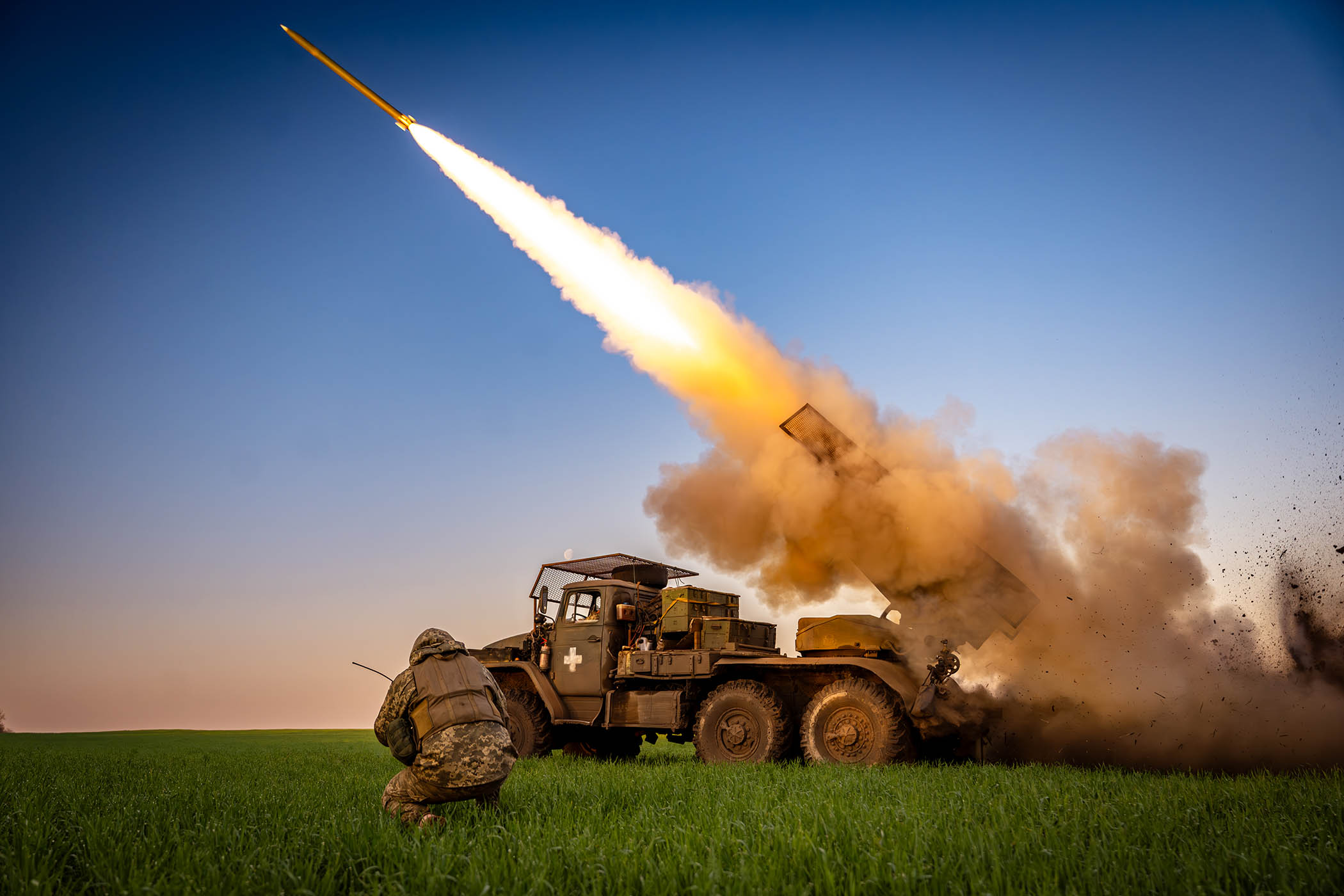
As the war approaches the four-year mark, Ukrainians are exhausted. Tens of thousands of men have been killed in a war that has ravaged the country’s economy. On the battlefield, Russia is advancing – slowly, and at great cost to Moscow, but inexorably. The recent capture of Pokrovsk has heightened the threat to both Kramatorsk and Sloviansk.
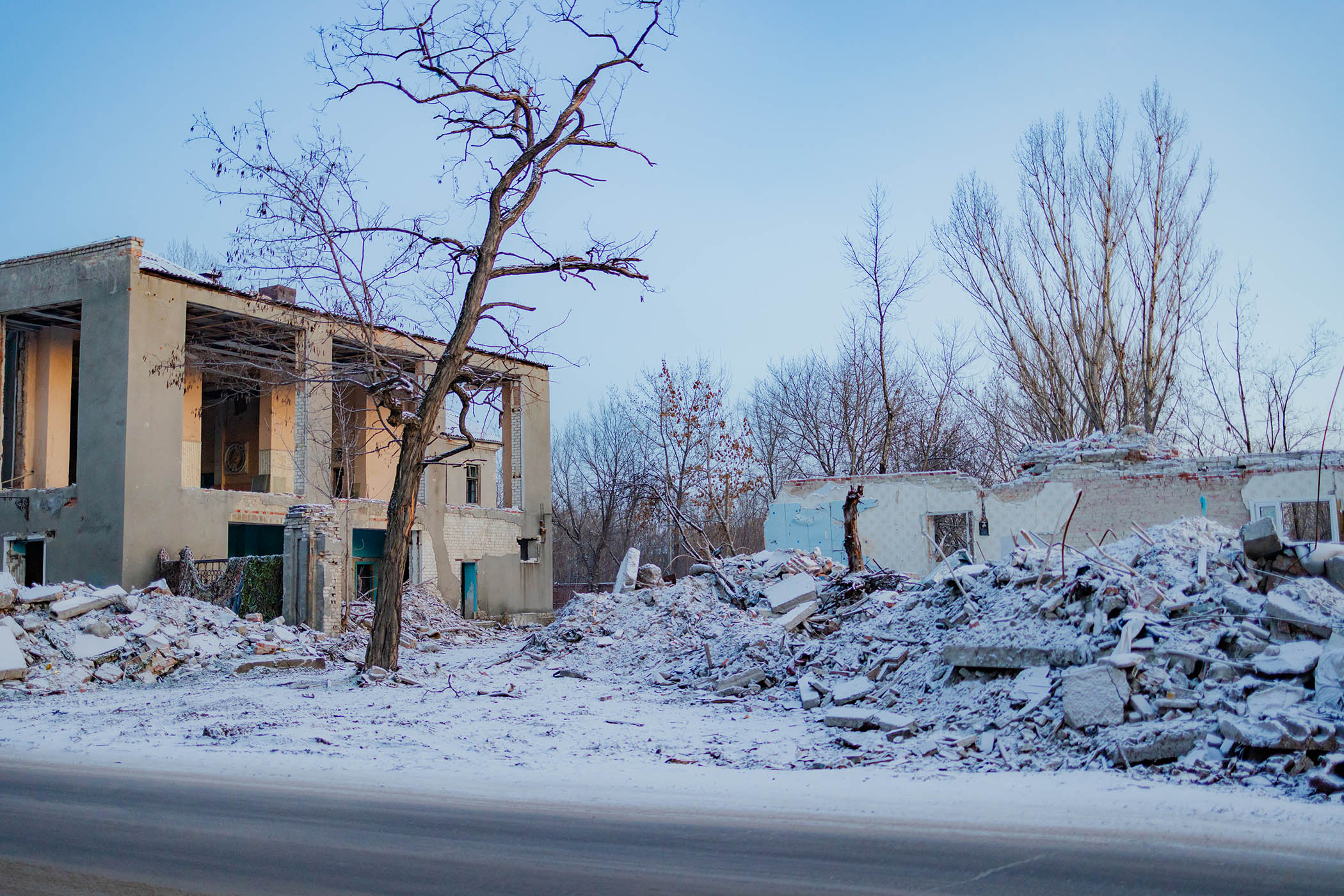
Buildings in the city destroyed by Russian bombardment. About half of the residents have chosen to stay, but Sloviansk remains at imminent risk
Behind the counter of the Legion barber shop in Sloviansk, Lolita Kazaryan is receiving a steady stream of soldiers. Drones had been spotted over Sloviansk that morning, but by the city’s standards it is a quiet day.
The salon opened just six months ago. The war has gutted Sloviansk’s traditional industries, including a ceramics factory and a machine-building plant, but the city’s growing proximity to the frontline has created other business opportunities. Billboards advertise newly opened pizza restaurants and coffee shops catering to soldiers. The roads are busy with vehicles sprouting antennae to detect and ward off drones.
On her phone, Kazaryan shows a video she filmed of a strike on a college near her home that lit the sky orange. “At that moment I understood that I should prepare to leave,” she said. She packed some clothes and her journalism diploma, but two months on, the bag is still sitting next to her bed. She is compiling a book with the working title Between the Scissors and the Frontline.
Romance has blossomed in the salon: three of the hairdressers have married soldiers who came to get their hair cut.
Now 21, Kazaryan was too young to understand what was happening when pro-Russian separatists seized Sloviansk more than a decade ago, but she remembers finding bullet casings in the garden and passing through multiple checkpoints on her way to school. A friend of her father was shot and thrown in a well for refusing to obey them.
“Of course if Russia is going to occupy it I don’t want to stay here,” she said. If there were guarantees that Russia wouldn’t attack again, Kazaryan said, she would consider giving up her home town to spare the blood of Ukrainian soldiers. But she is sceptical – and for good reason.
After annexing Crimea and covertly invading the Donbas, Moscow signed a series of ceasefire deals with Kyiv that effectively froze the frontline in the east. The Minsk accords didn’t provide Kyiv with security guarantees and failed to deter Russia from invading Ukraine in 2022.
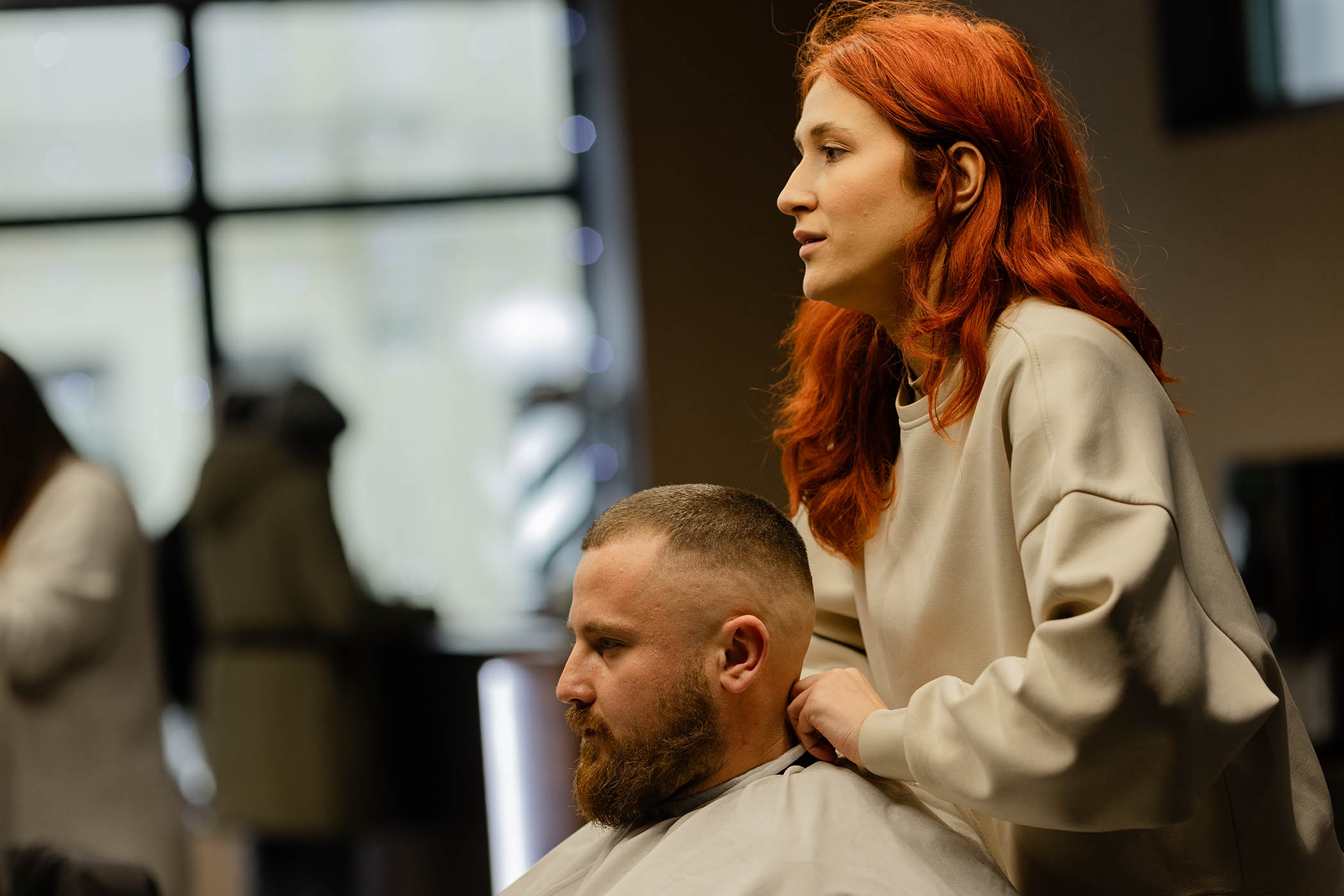
The Legion barber shop, which remains open as the siege goes on. Many of its clients are Ukrainian soldiers
Waiting his turn in the barber shop is a 25-year-old company commander who chose the call sign Berlin from a character in the Netflix TV series Money Heist. Elsewhere, Russia is advancing, but in the Chasiv Yar sector where Berlin is deployed, Ukrainian forces are standing their ground. Drones make it almost impossible for Russian forces to advance, said Berlin.
However bad the situation may be, surrendering territory is out of the question, he said. It would be a betrayal of all the men he has seen die since enlisting in 2022. “If I had joined the military today, maybe I would agree to such concessions,” he said. If he received orders to withdraw today, he wouldn’t obey them.
At his small red-brick church, Bishop Savva, wearing a sheepskin gilet over his clergyman’s robe, looks out through his new windows. Two months ago a guided aerial bomb landed on the building across the street, gouging a hole in the brickwork and shattering the windows. It would have been much worse had the munition detonated properly, he said.
The blast wave ripped through the church but none of the icons fell from the wall. “It seems to be a miracle,” said the bishop, who looks younger than his 46 years.
He puts his faith in God because he has no faith in the international community. Clearly western nations have learned nothing about the dangers of appeasement, he said. “A lot was said, a lot was written about the second world war experience and it didn’t teach anyone anything.”
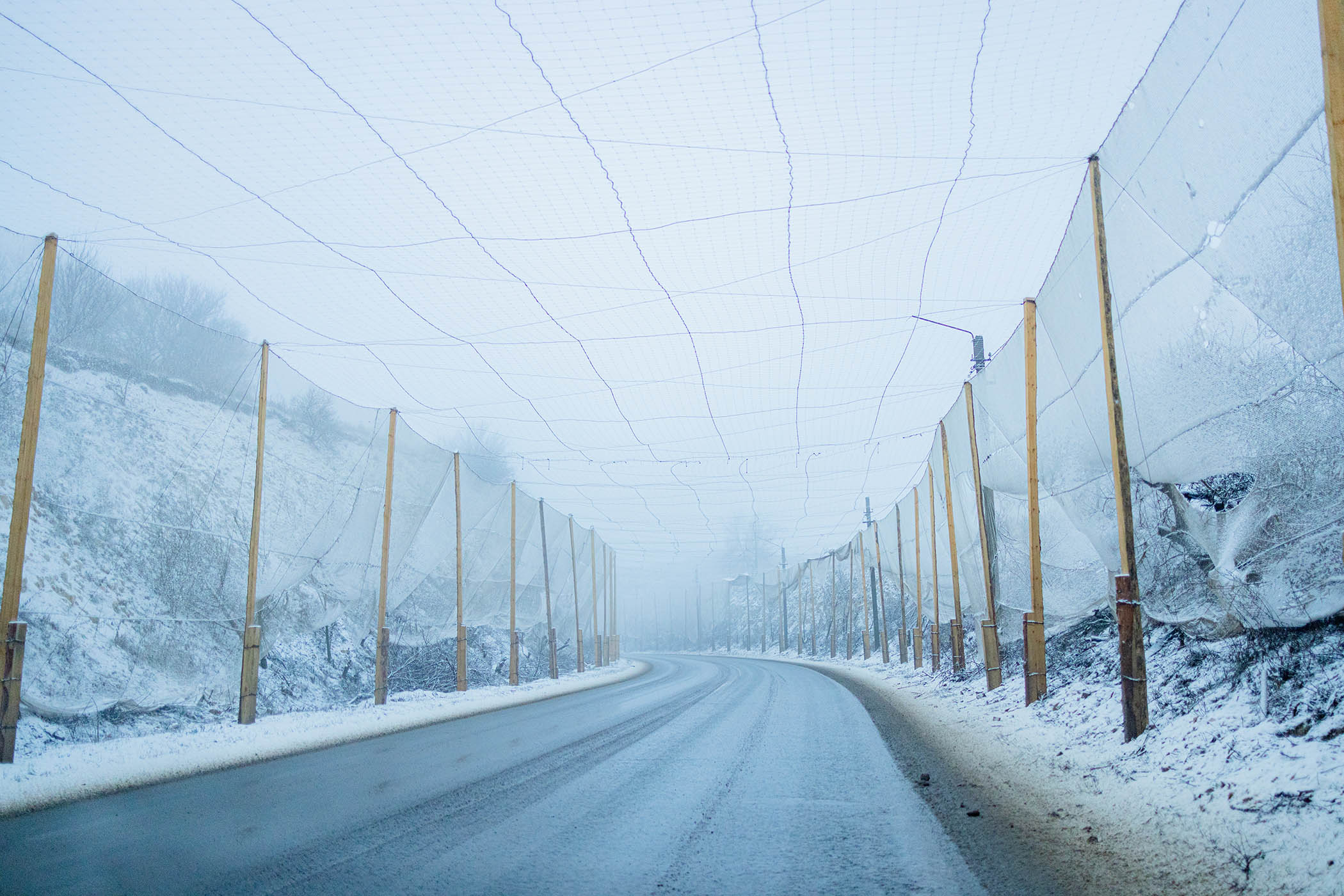
Nets over the main road into the city: they were erected recently to protect against drone attacks
The failure to stand up to Russia will come to haunt them, Savva said. “It seems as if the US took the side of the terrorist killer, and as for Europe, they are also making decisions really slowly,” he said. “The blood is not only on Putin’s hands.”
Visitors to the church confide in him – telling of their fears of death, displacement, the unknown. His congregation has shrunk since 2022 but he has plenty to do providing spiritual support to soldiers. As he speaks, a tall man dressed in full combat gear enters the church and crosses himself before the altar. He bends to kiss an icon and lit a votive candle with a hand missing several fingers. He has come to ask the bishop to pray for a fallen brother-in-arms.
When the city was occupied before, Bishop Savva fled. Several other priests from the Ukrainian church were killed by Russian-backed separatists who attended services in the Russian Orthodox church looming over the main square down the road. At an afternoon service, the Russian Orthodox church was well attended.
“The majority of people support our state, but of course there is also a minority who have pro-Russian views,” he said.
As the frontline moves closer, Ukraine’s security services are keeping a close eye on them.
In the private room of a cafe, a representative of Security Service of Ukraine said 10 informants had been detained in Sloviansk so far this year. The FSB tasked them with scouting locations where Ukrainian soldiers are based and sending the coordinates. In return, Russia offers financial reward or the promise of status once they take over the city.
When confronted with the consequences of their actions, most informants express regret, said the security services representative, who wore a black zip-up fleece over a T-shirt emblazoned with the Ukrainian trident. A few, however, say they would do it again.
As night falls, Stanislav Odarenko and other workers at the fire and rescue department stand by. In case of an attack, they will race to the scene to put out fires and pull people from the rubble. Rarely does a shift go by without incident. A pair of plaques on the wall pay tribute to two colleagues killed by a missile as they battled a blaze from a strike. Rescue efforts are often interrupted by the threat of further attacks.Drones pose a growing danger. Two months ago, the workers installed metal cages around the front of their fire engines for protection. The vehicles are flecked with shrapnel holes.
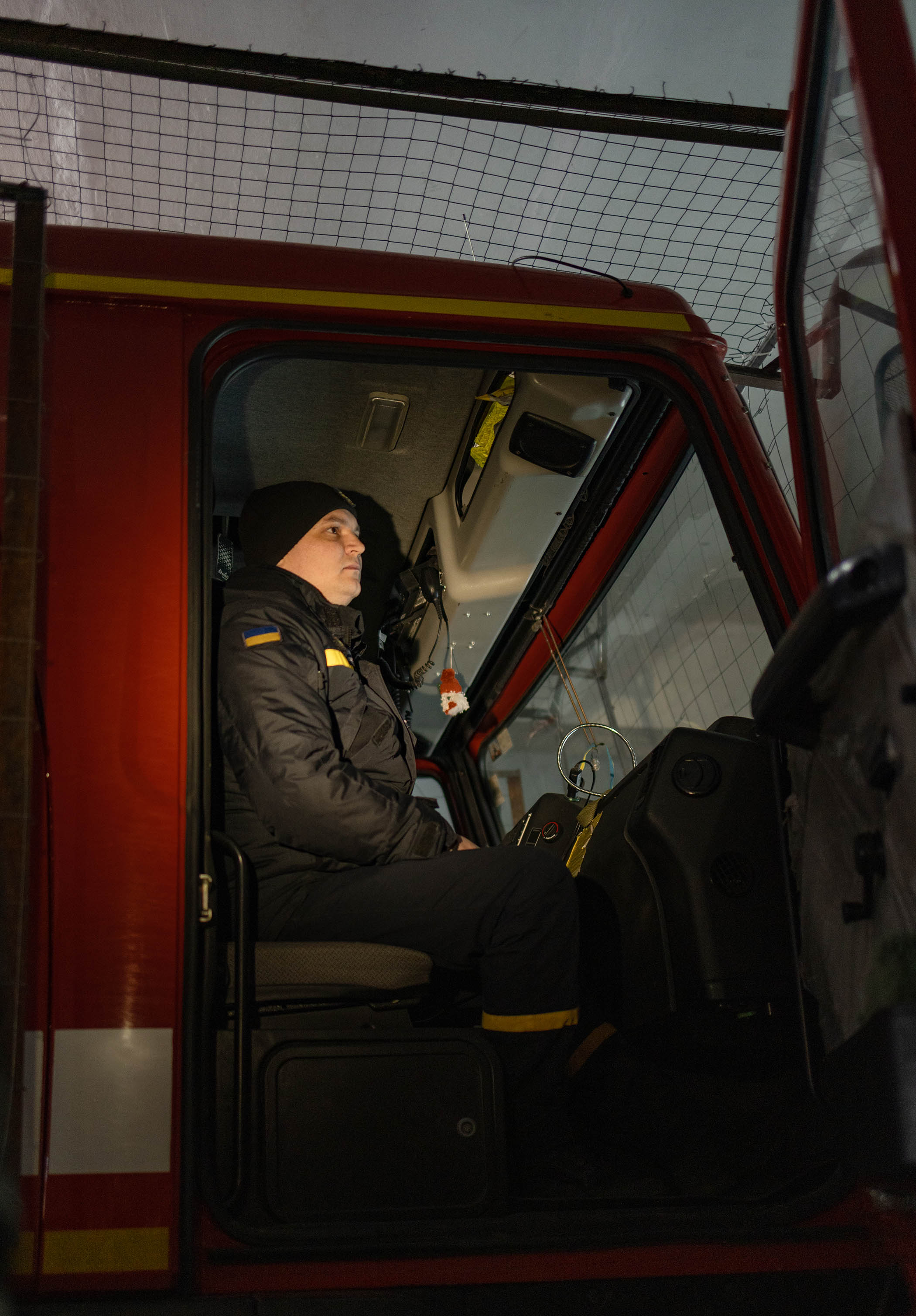
A Ukrainian emergency responder during his shift at a fire station in Sloviansk
In three days, Odarenko is due a brief vacation and will take his wife and seven-year-old son to western Ukraine for Christmas. The 30-year-old will return to Sloviansk on his own and stay for as long as the rescue services keep operating.
“I don’t know what is going to happen here,” he said. “I have some concerns that the story of Bakhmut [seized by Russian in May 2023] will be repeated.”
For now, residents of Sloviansk carry on, facing their city’s fate with a mixture of defiance and denial. In the centre, couples stroll through the park in deepening gloom. A power cut has plunged the area into darkness and the lights on the Christmas tree are out.