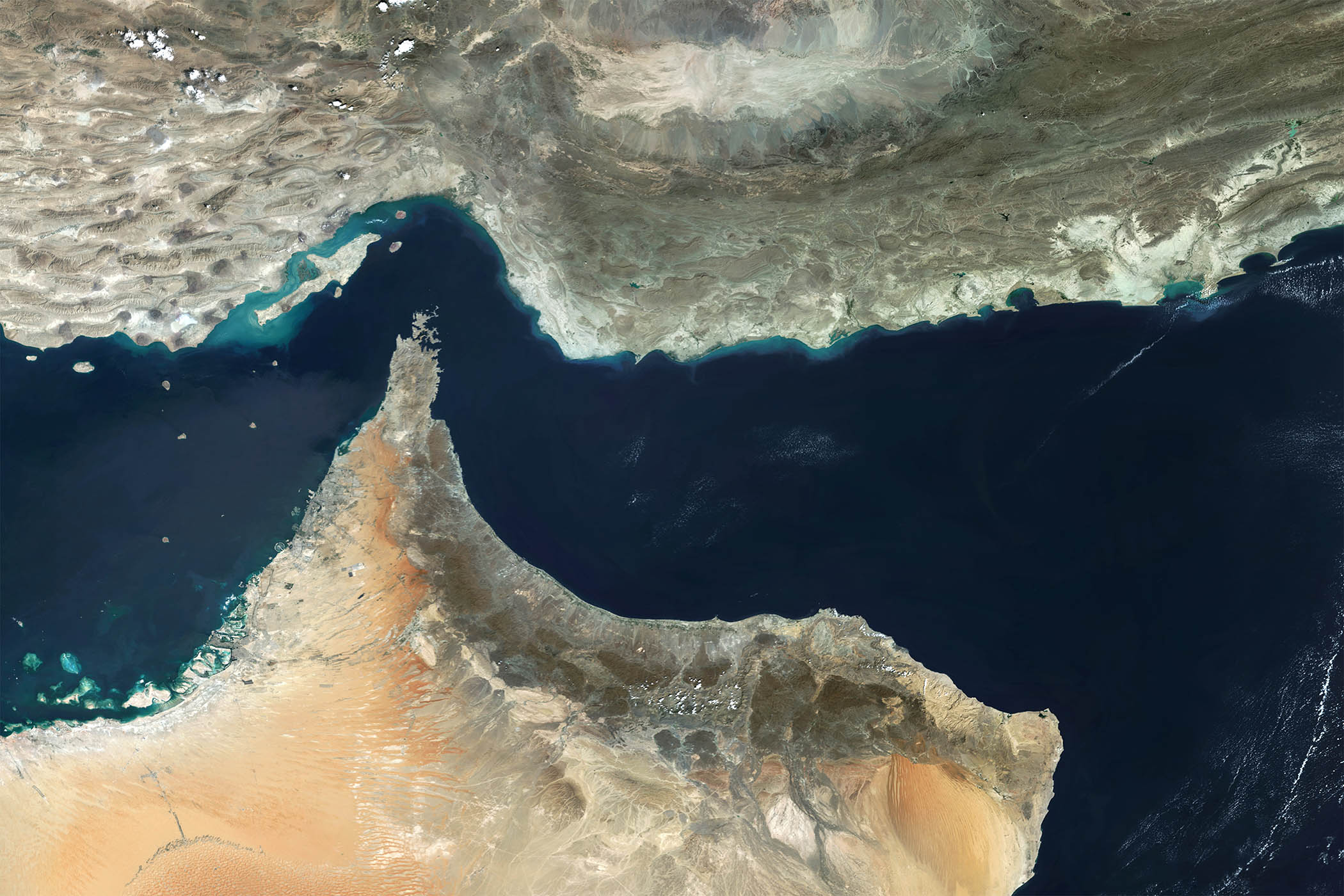

It doesn’t look like much – a narrow passage of seawater that snakes through the desolate, sun-baked plains and hilly ranges alongside coastal Iran and Oman.
But all of a sudden, the Strait of Hormuz lies at the epicentre of a geopolitical tussle that is set to affect billions of people around the world, from the wealthy ruling elites of Gulf states whose economies run on oil, to ordinary motorists filling up at the pump in Basingstoke or Birmingham.
When Iran shut down the straits, automatically severing a trade artery through which 20% of the world’s liquefied natural gas (LNG) and 25% of its oil passes, it initiated an act of economic warfare rarely seen before.
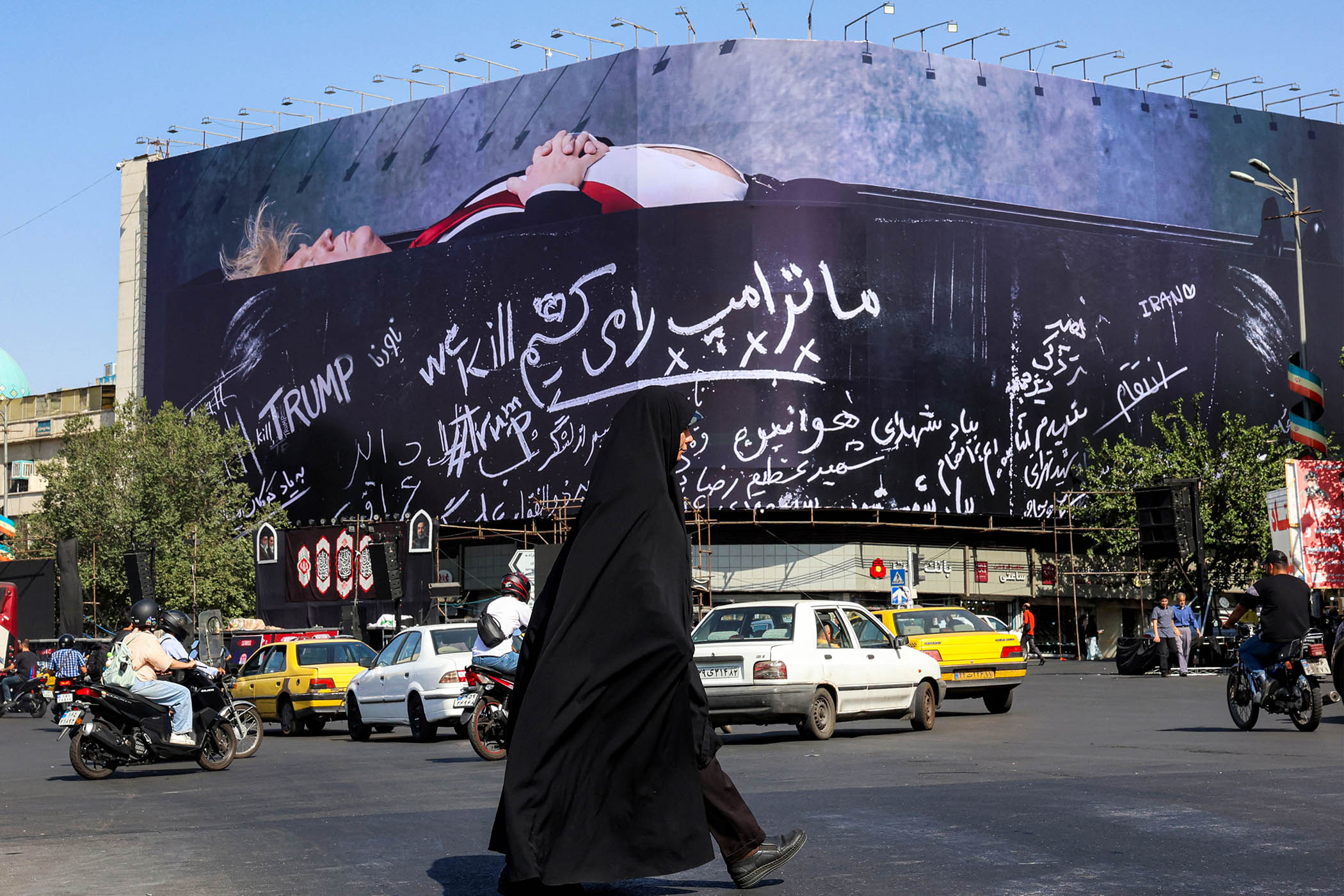
An Islamic Revolutionary Guard Corps senior official said on Monday that Iran would fire on any ship trying to pass through, Iranian media reported.
Oil prices briefly hit $85 a barrel on Tuesday. UK wholesale gas prices nearly doubled – the biggest two-day rise since comparable records began in the 1990s. At least 6% of UK LNG imports come from Qatar, where the state-owned gas company has halted production.
“It’s a very serious situation,” says Bill Farren-Price, an energy consultant and head of gas research at the Oxford Institute for Energy Studies, adding that it could get worse when the region’s crude oil and gas storage capacity exceeds its limit – a milestone that is already close.
Without a rapid end to the conflict he believes the situation could trigger a “major economic crisis”. The strait provides the only maritime access between the Persian Gulf – along with its plethora of oil and gas producers in Qatar, Saudi Arabia, Bahrain and beyond – and trade routes on the open ocean.
The strait is about 104 miles long, and its width varies from about 60 to 24 miles. According to the US Energy Information Administration, in 2011 an average of 14 tankers a day passed out of the Persian Gulf through the strait carrying 17m barrels. Total global demand for crude oil stands at about 102m barrels a day.
Demand for crude has evolved over recent years – especially with the development of the US shale industry, which has made the country a major exporter and less dependent on imports – more than 80% of the barrels that flow through the Strait of Hormuz are destined for Asia. With few hydrocarbons of their own, China, South Korea, India and Japan are all major buyers.
The closure has led to a dramatic spike in insurance rate and naturally in prices for the commodities themselves.
Newsletters
Choose the newsletters you want to receive
View more
For information about how The Observer protects your data, read our Privacy Policy
UK gas prices have leapt to about 142p per therm – if purchased now for delivery in the summer – from 60-70p earlier this year. Electricity prices have also surged, in part because the UK generates so much of it from gas-fired power stations that require feedstock to maintain production. Bill-payers will have some insulation from the global price shock due to the government’s energy price cap, but much depends on how long the conflict continues.
“It’s potentially very alarming and has a very serious impact for the UK economy,” said Nigel Pocklington, CEO at Good Energy. He added that UK suppliers will inevitably cut their cheap tariffs because they look unaffordable given the shifting circumstances.
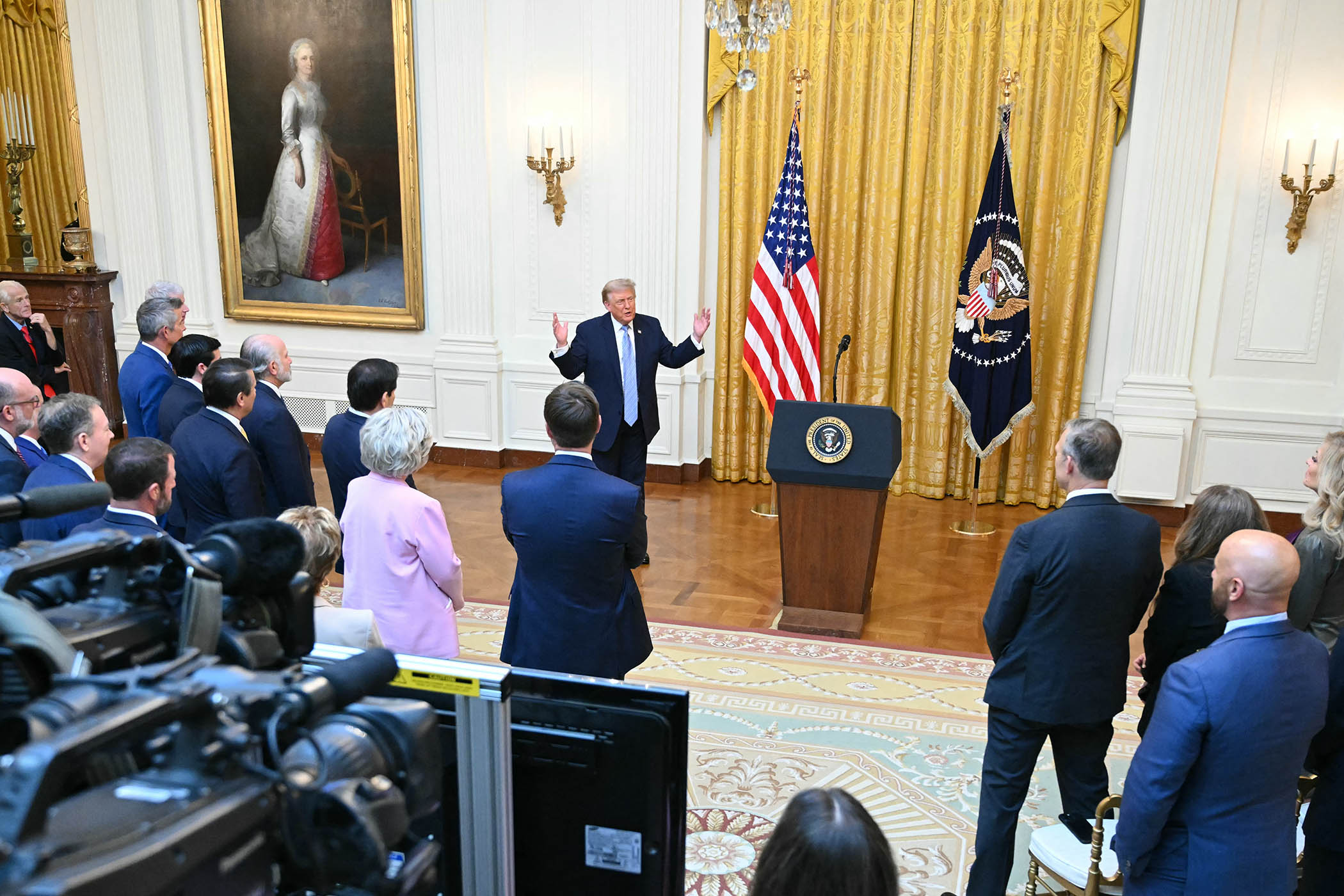
Yesterday evening President Donald Trump said the US military could begin escorting oil and gas tankers transiting the Gulf “as soon as possible” and promised to provide insurance for vessels. The oil price dipped slightly from session highs yesterday.
Photograph by Gallo Images/Orbital Horizon/Copernicus Sentinel Data 2025 via Getty Images