


After the nighttime abduction of Venezuelan dictator Nicolás Maduro, Donald Trump issued a warning to Colombia’s left-wing president, Gustavo Petro, telling him he should “watch his ass”. On Sunday night he repeated the threat.
Colombia is run by “a sick man who likes make cocaine and selling it to the United States”, Trump told reporters onboard Air Force One. “He’s not going to be doing it very long.” Did he mean a US operation against Colombia? “Sounds good to me”, Trump replied.
Historically, Colombia has been Washington’s closest ally in the region. But Petro, who was elected on a left-wing platform in 2022, has emerged as one of Trump’s fiercest critics. His government has strongly condemned the abduction of Maduro, calling it a violation of international law.
“I deeply reject Trump speaking without knowing: my name doesn’t appear in the judicial files on drug trafficking over 50 years,” Petro said on Sunday. “Stop slandering me, Mr Trump. That’s not how you threaten a Latin American president.”
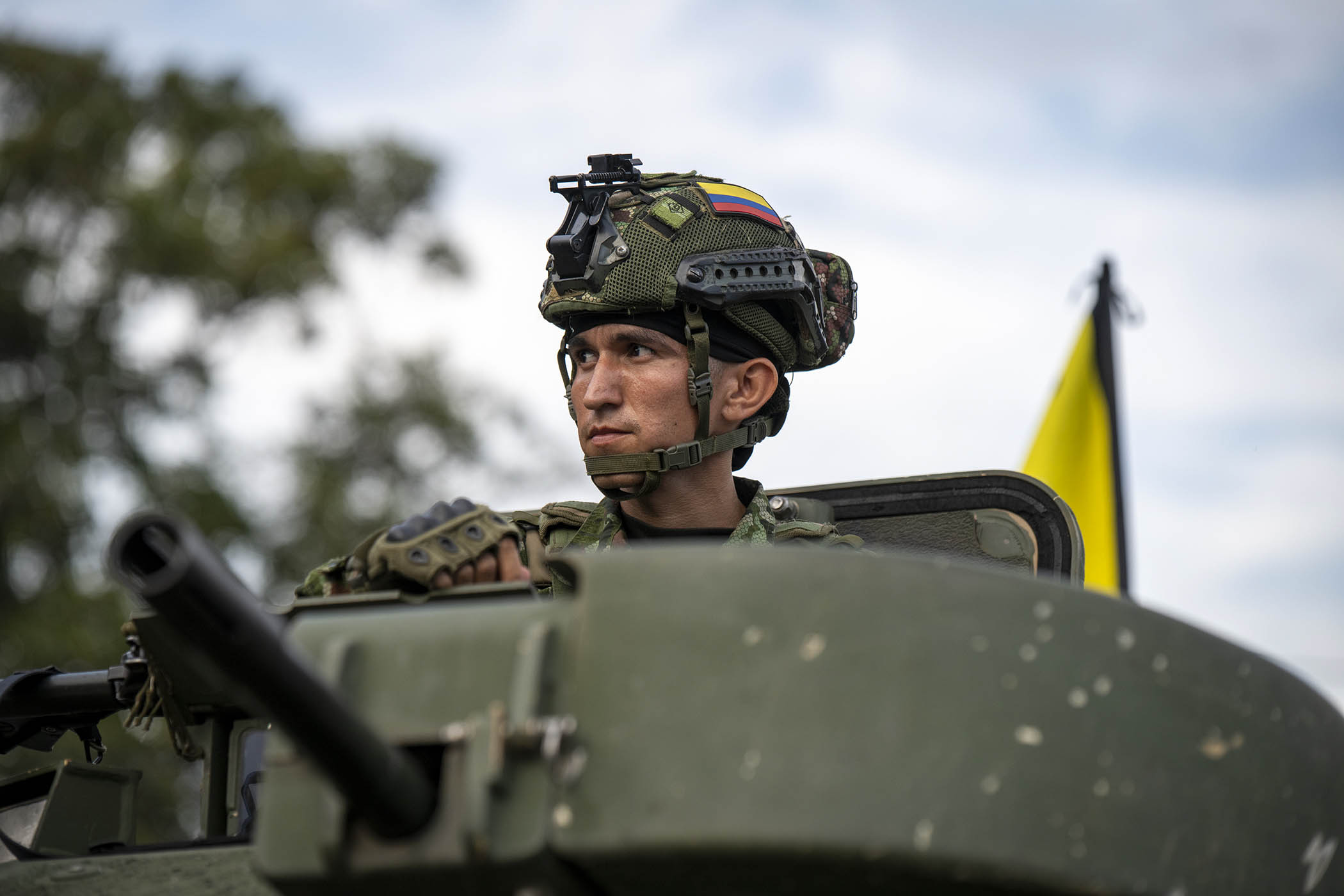
What comes next in Venezuela is unclear, with the regime still firmly in control despite Trump’s claim that the US would “run” the country. But any developments will be felt strongly in Colombia, which shares a long land border with its neighbour and holds elections this year. Petro has already sent troops to the border, preparing for a “massive refugee influx”.
Moreover, the Colombian government seems to be taking seriously Trump’s message that no country in Latin America is immune from US action. Petro has been in Trump’s crosshairs for a while: last year the pair locked horns over migrants, Gaza and the US boat-bombing campaign in the Caribbean.
Trump has also taken Petro to task over the flow of cocaine into the US, calling him “an illegal drug leader”. “Anybody that’s doing that and selling it into our country is subject to attack,” Trump told his cabinet last month. He has previously pledged to wipe out Colombia’s “killing fields”, the vast plantations of coca leaf, most of which illegal groups use to make cocaine and ship it along trafficking routes in the Pacific Ocean to North America.
Petro has reason to be concerned. Colombia produces 84% of the cocaine reaching the US, according to the Drug Enforcement Administration. Although Petro’s administration has made a series of high-profile drug busts, coca production has reached an all-time high under its watch.
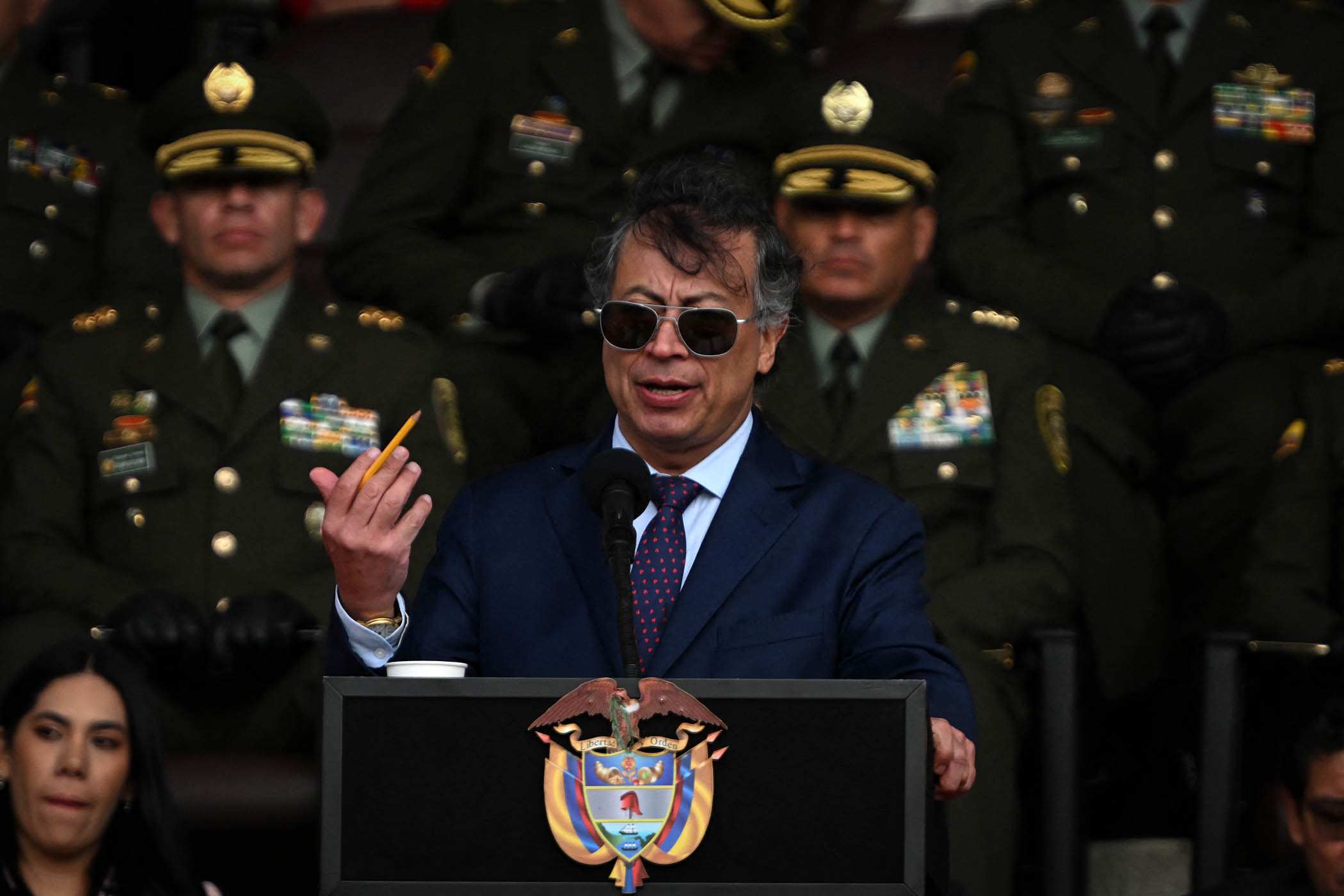
Colombia's president Gustavo Petro.
Trump ignores the overarching dynamic that drives production: global demand. Instead, he has zoomed in on Colombia’s role as a producer. Last year, the US decertified Colombia for not complying with Washington’s war on drugs, although he added a waiver to make it a more symbolic one. It also revoked Petro’s visa and sanctioned him for failing to curb drug trafficking, even though anti-narcotics cooperation continues between the two countries.
Given that the US campaign warned Venezuela purportedly to end “narco-terrorism”, the government in Bogotá is anxiously playing it safe. It immediately called for a diplomatic resolution in Venezuela and requested a meeting of the UN Security Council, which convenes on Monday (Colombia became a non-permanent member of the council on 1 January.)
Newsletters
Choose the newsletters you want to receive
View more
For information about how The Observer protects your data, read our Privacy Policy
For his part, Petro is displaying an unusual degree of self-restraint. He is usually eager to stand up to “el imperio” and has expressed solidarity with Maduro on occasions. “What the Colombian government has done so far is avoid tempting fate,” said Sandra Borda, associate professor of politics at Los Andes University in Bogotá.
She judges a US strike on Colombia unlikely. “Petro is a democratically elected preisdent and in Colombia there is no institutional breakdown as there was in Venezuela.” Nor does Colombia have anything close to Venezuela’s vast oil reserves to tempt Trump’s interventionist tendencies.
For Colombia, a more immediate concern is the possibility of chaos in Venezuela. Aggression from the US “could escalate and lead to a transnational armed conflict”, warned Iván Cepeda, a Colombian senator and leftist presidential candidate. Any collapse in Venezuela could also send another wave of refugees towards Colombia, which already hosts nearly three million Venezuelans.
The spectre of regime change in Venezuela and even increased US military presence is bad news for the National Liberation Army (ELN), Colombia’s oldest existing rebel group, which has 6,000 fighters and straddles the Colombia-Venezuela border. The Marxist-Leninist group has close ties with officials in the Venezuelan regime and army. In December the ELN staged a three-day armed lockdown across Colombia, foreshadowing the violent retaliation that could follow if, in its words, this “new phase of Trump’s neocolonial plan” in Latin America comes to pass.
The US intervention in Venezuela could frame Colombia’s presidential vote, which begins in May, as a simple choice: whether Colombia is with Trump or against him – a pattern that is playing out across Latin American politics, from Argentina to Honduras.
Before the US coup in Venezuela, outrage at American attacks on boats in the Caribbean and Pacific slightly boosted support for Petro, whose approval ratings hovered around 37% in November.
The prospect of US attacks on Colombian soil could further boost anti-Yankee sentiment. But Colombians are fearful of their country falling into the hands of a Maduro-style regime, something that could benefit right-wing politicians who have come out in support of Trump’s actions.
Borda said people “don’t like what Trump is doing but at the moment, if they have to choose between Trump or Maduro, I think they will prefer a thousand times to have the relief of no longer having that as our neighbour.”
Photographs by Jair F Coll, Luis Acosta/AFP via Getty