Ebrahim Asgharzadeh had been arrested before – but this time was different. It was caught on camera.The white-haired reformist politician was speaking from his home office, surrounded by bookshelves and during an online meeting of his political party, when he heard security forces enter.
“Now the police have arrived I will hang up and call again if the problem is solved,” he said, his tone hurried.
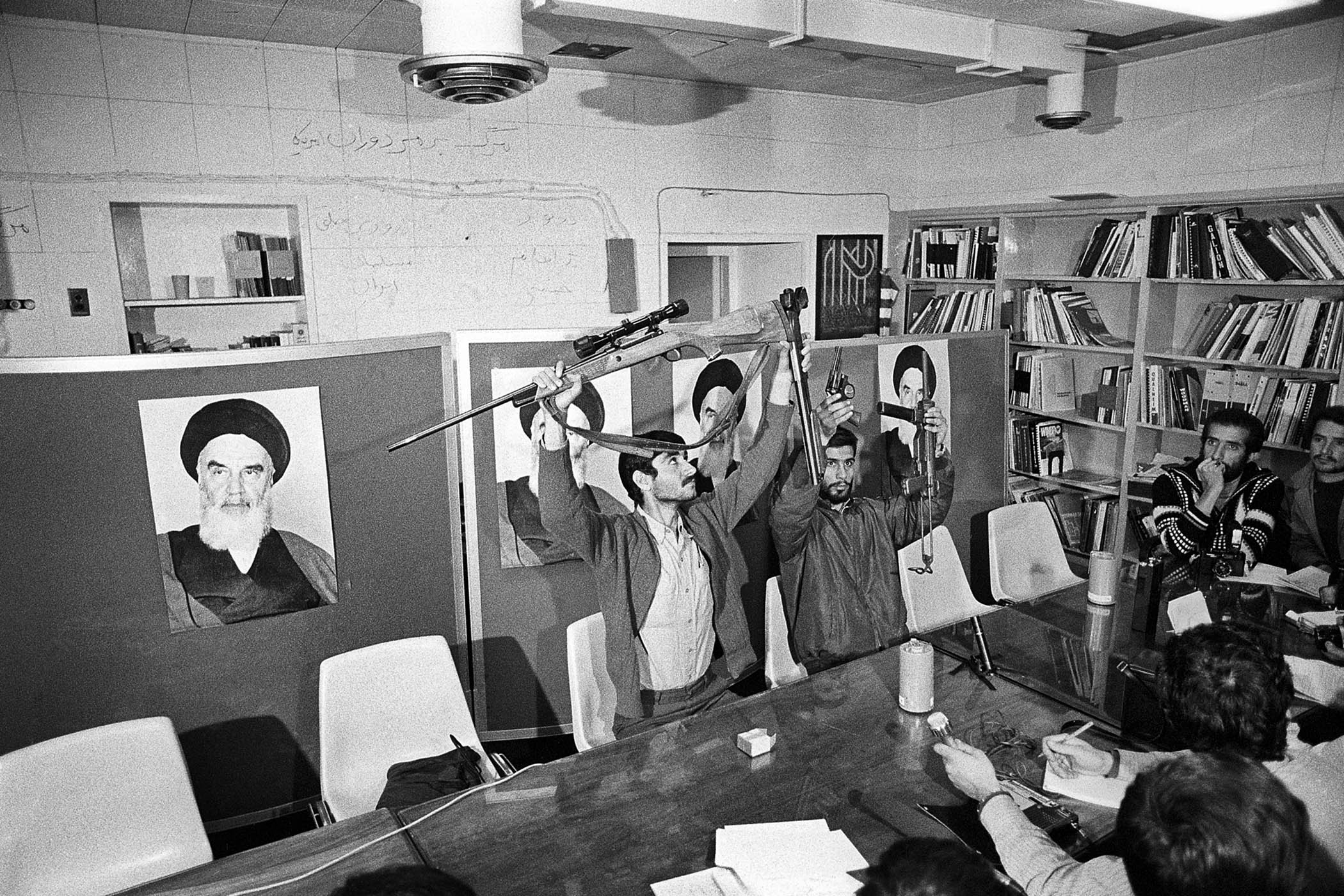
Decades ago Asgharzadeh was among a group of student demonstrators who stormed the US embassy in Tehran; he later became a member of parliament. His arrest came alongside the detention of three other key figures from Iran’s reformist movement including Azar Mansouri, the head of the Reformist Front umbrella organisation, as the regime in Tehran moved to target even its mildest critics in the aftermath of mass protests.
The crackdown has proved brutal, while information about it has trickled out slowly amid an internet blackout – one former UN prosecutor has estimated the death toll at 33,000, while the group Human Rights Activists in Iran has recorded more than 53,000 arrests of demonstrators.
Mansouri issued a carefully worded message of condolence for those killed during the protests. “No power, no justification, and no time can cleanse this great tragedy,” she wrote.
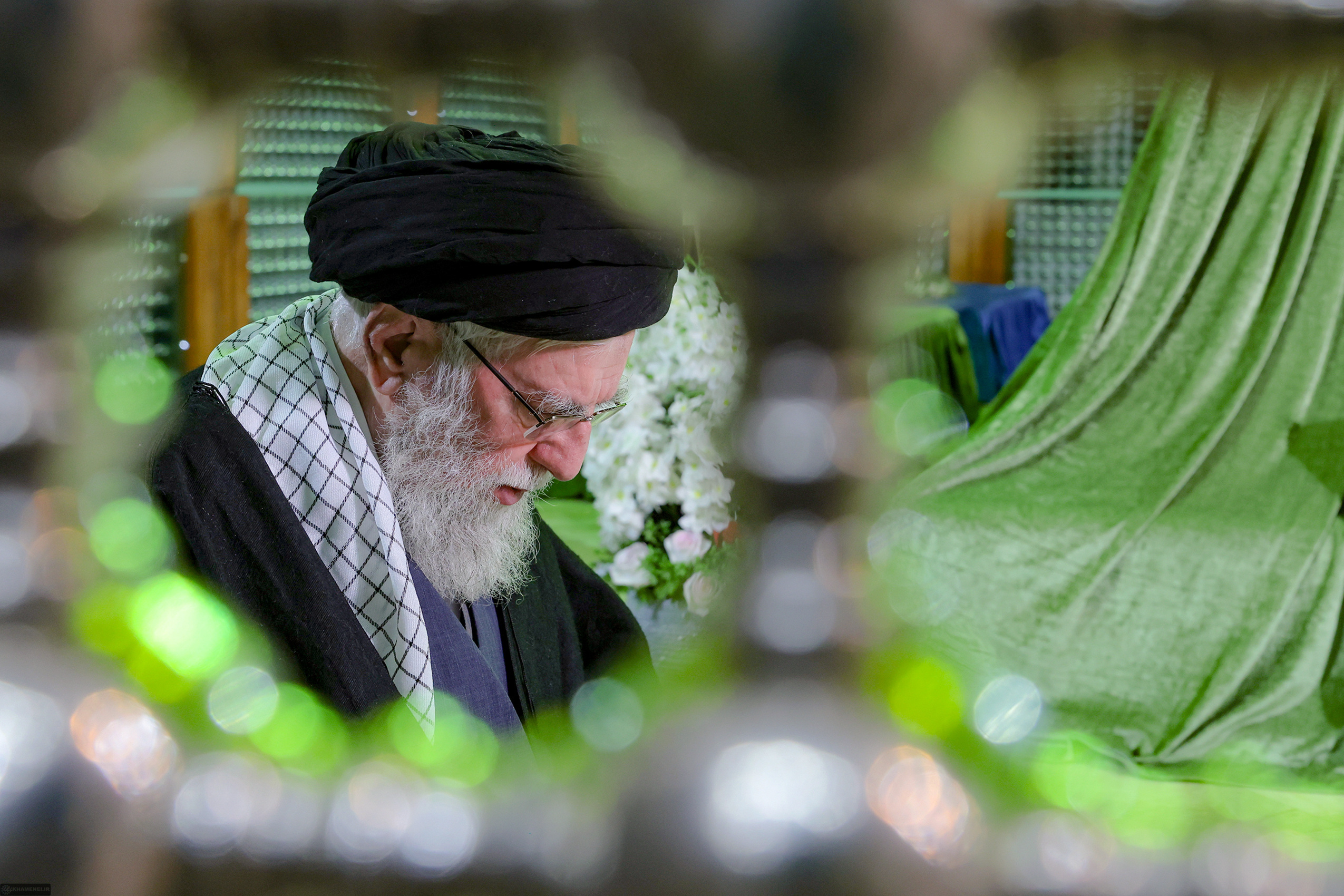
Supreme Leader Ayatollah Ali Khamenei at the grave of the late revolutionary founder Ayatollah Khomeini last month
The four face charges of acting against Iranian national unity and “coordinating with enemy propaganda”, although Asgharzadeh and Reformist Front spokesperson Javad Emam have been released on bail.
Mizan, the official news service of the Iranian judiciary, said Tehran’s prosecutor described the group as “extremist elements” who provoked dissent and published fake news against Iranian interests. The reformist daily newspaper Ham-Mihan was banned from publishing last month.
“If the brutal crackdown on protests was designed to prevent a revolution, what has happened with the arrests of reformists should be seen as a pre-emptive act against defections,” said Ali Vaez of the International Crisis Group. “The reformists were starting to drift away, which could set a precedent for defections within the political elite. The regime views that as an existential threat.”
Members of the reformist movement were among those demanding changes within the Iranian regime due to the bloodshed, including to supreme leader Ali Khamenei’s rule.
Others, notably a group that included Nobel peace prize laureate Narges Mohammadi and Oscar-nominated screenwriter Mehdi Mahmoudian, issued a statement condemning the crackdown and demanding “a democratic transition”. The Nobel committee said Mohammadi was then subjected to “life-threatening mistreatment”, in prison and given an additional seven-year sentence; Mahmoudian was arrested. Jafar Panahi, who directed and wrote the Oscar-nominated It Was Just an Accident along with Mahmoudian, is facing arrest on return to Iran.
Newsletters
Choose the newsletters you want to receive
View more
For information about how The Observer protects your data, read our Privacy Policy
Even 81-year-old Mohammad Ali Saedinia, the owner of a chain of high-end chocolate shops and cafes, was imprisoned after he shuttered his businesses and declared solidarity with the protesters. Saedinia issued a letter of confession from detention “apologising to the people of Iran”, and pledging to join parades marking the anniversary of the 1979 uprising that brought the regime to power. The Iranian judiciary said his assets had been seized.
‘This is a regime that is more willing to negotiate with its enemy than to negotiate with its own people’
‘This is a regime that is more willing to negotiate with its enemy than to negotiate with its own people’
“All he did was to show peaceful solidarity with the oppressed living in poverty – but even this means arrest, his assets confiscated, and this ugly public defamation,” said one demonstrator, who asked to be identified as slain student Aida Heidari in a bid to keep the names of those killed alive. “Most people know this confession has no value – the regime is trying to break and humiliate anyone who speaks up.”
Vaez pointed to Khamenei’s decades-old strategy when his power is challenged: “to never give an inch, especially under pressure”. This has done little to stem demands from his opponents. Iran’s last prime minister and key reformist politician Mir Hossein Mousavi – whose election loss sparked mass protests in 2009 – issued a blistering statement from house arrest earlier this month. “In what language should the people say that they do not want this system and do not believe your lies? Enough is enough. The game is over,” he wrote.
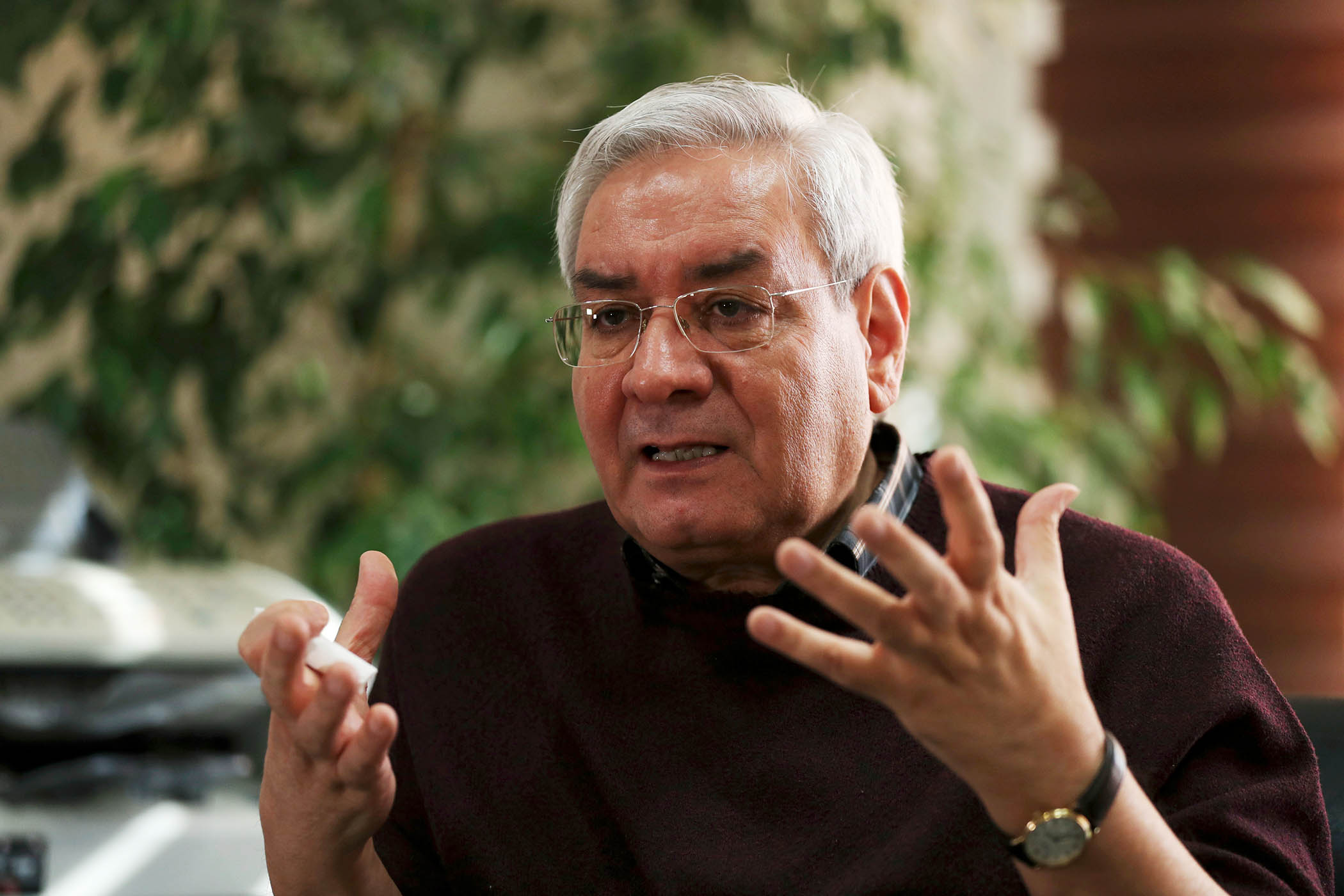
Ebrahim Asgharzadeh in 2019
The regime has hardened its approach domestically in the wake of the uprising, while cautiously engaging in talks over its nuclear programme with Washington in a bid to avert an attack threatened by Donald Trump. What he describes as an “armada” of US warships is now near Iranian waters. Iran’s head of atomic energy said last week that Tehran could dilute some enriched uranium in return for sanctions relief.
“This is a regime that is more willing to negotiate with its enemy than to negotiate with its own people. It is willing to make concessions to the US but not the Iranian people,” said Vaez.
Another protester described her anger and despair that Trump did not make good on his promises to punish the regime for harming demonstrators. “If he hadn’t sent those messages of support, we would have been more cautious,” she said. “The one thing that assured us that even if they kill a few of us – not gun down as many people as possible as they did – was Trump’s promise of support.”
The negotiations only broke their spirits further, she wrote via a messaging app. “Even if it happens now, which we still hope for, it’s too late for the tens of thousands who felt braver after his message of support. They went out empty-handed only to be shot down.”
Photographs by Kaveh Kazemi/Getty Images; Office of the Iranian Supreme Leader via AP; AP Photo/Vahid Salemi