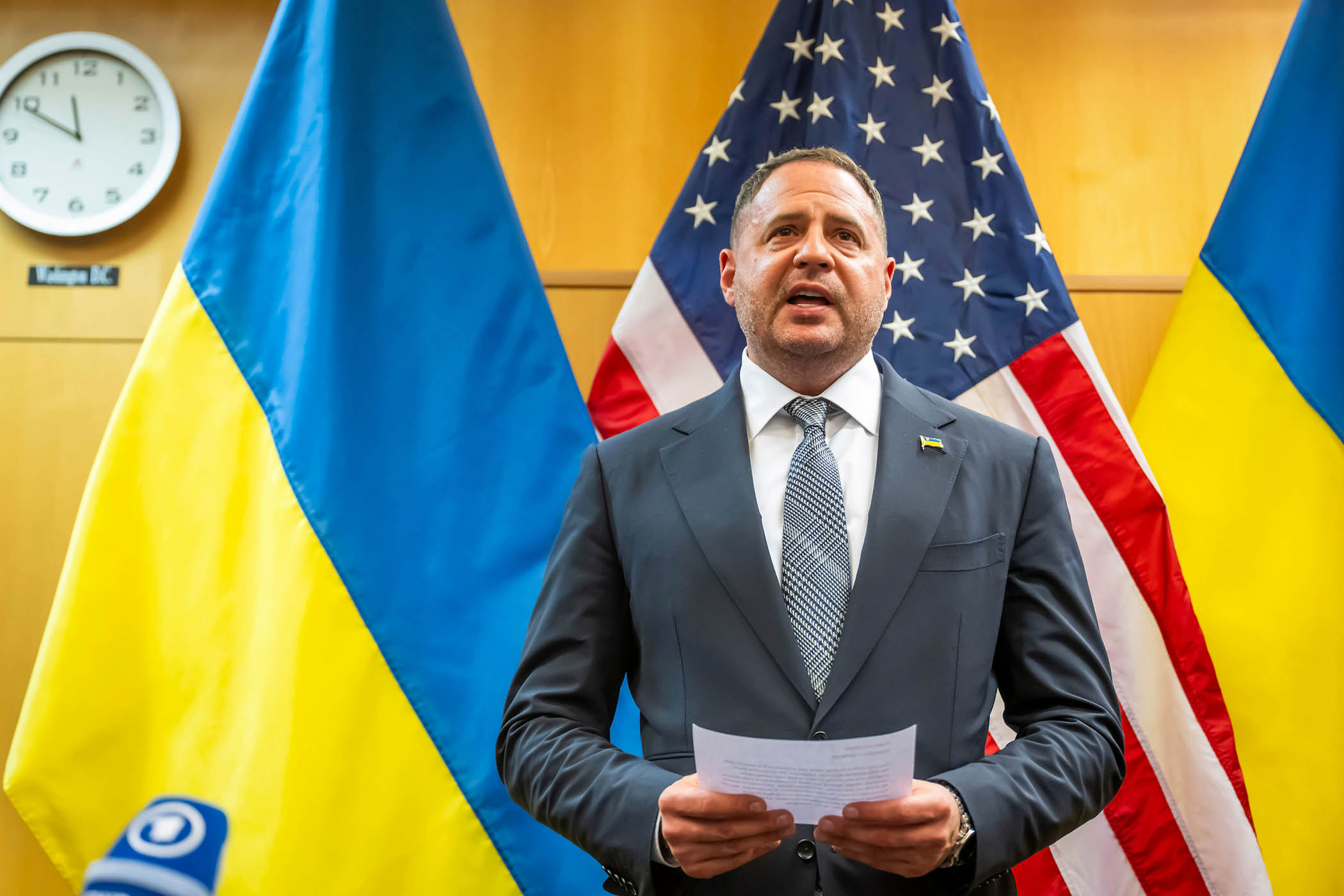


Just as efforts to end the war in Ukraine were said to be making progress, Volodymyr Zelensky has lost the head of the negotiation team, Andriy Yermak.
The president’s polarising right-hand man was often described as Ukraine’s second most powerful person, but Yermak – a former film producer – resigned as chief of staff on Friday after a dawn raid on his home amid the biggest corruption probe of Zelensky’s term. Investigators have accused high-ranking officials – including other figures close to the president – of running a kickback scheme worth around $100m at the state nuclear company Energoatom.
Yermak, who has known Zelensky for years, was already deeply unpopular. Critics have long claimed that he had accumulated too much influence, making him one of the most powerful unelected figures in Ukraine’s history. Yet losing a key figure in the presidential administration has come at the worst possible time for the country.
Kyiv faces intense pressure from US president Donald Trump to agree to a peace deal with Russia, and Yermak had been appointed to lead the negotiation delegation just over a week ago. The initial deadline imposed by the White House was Thursday, but Ukraine and its allies have pushed back against a plan that was widely seen as aligned with Moscow's hard-line demands and talks are ongoing.
Yermak’s exit paves the way for broad change inside Ukraine, but it also leaves a gap in the heart of Zelensky's administration as further high-stakes meetings loom. It has left the president without his most consistent diplomatic hand.
“It’s probably hard to overestimate how significant it is. Yermak has been inseparable from Zelensky during his political career. The general intuition that most people have in Ukrainian politics is that nothing significant has gotten done without Yermak’s involvement,” Samuel Greene, professor in Russian politics at King’s College London, told The Observer.
“But at the same time, nobody in politics is irreplaceable,” he added.
Many have assumed that corruption scandals such as this would weaken Zelensky and push him to compromise on a peace deal that was not on perfect terms, but Greene says that “probably the opposite is the case”. The real constituency for any deal is the public and this scandal reduces his political capital making it “harder for him to sell a compromise”.
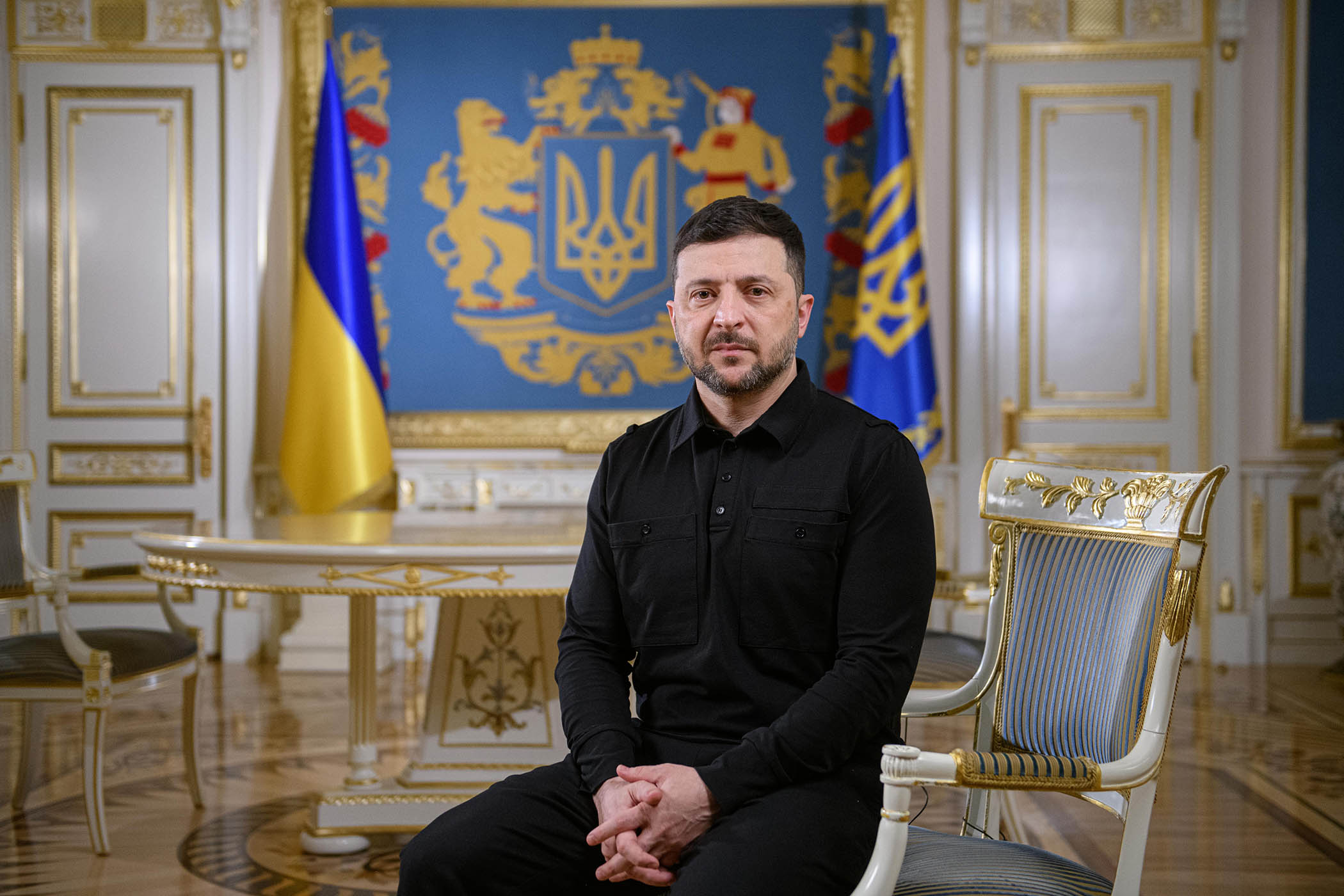
Ukraine's president Volodymyr Zelensky is under intense political pressure following the announcement of the Energoatam case
“I don’t expect that window of disruption to stay open for long and in the bigger picture it may actually strengthen Ukraine’s position,” agreed geopolitical analyst Michael Horowitz. “Yermak’s departure removes a figure who had become a magnet for political controversy and gives Kyiv a cleaner, more collective mandate to reject any peace deal that’s unfair or untenable.”
The Energoatam case has caused outrage in Ukraine and played into long-spouted anti-Zelensky narratives in Russia. However, the scale of the investigation – known as “Operation Midas” – has been unprecedented, which some have called a sign of strength because it shows institutional independence and that Ukraine can hold even top officials to account while also continuing the war effort.
Newsletters
Choose the newsletters you want to receive
View more
For information about how The Observer protects your data, read our Privacy Policy
While the scandal could slow EU accession, for which robust anti-corruption measures are a key requirement, it does not undermine European support for Ukraine because it doesn’t impact the country’s ability to pursue sustainable peace.
The scandal is “embarrassing for Ukraine and for those supporting Ukraine” and gives sceptical European political forces, such as Hungary, opportunities to question aid, Greene said. However, Europe views the war as “about European security” and while fighting corruption is important, it does not override the priority of fighting Russia’s violation of the international order.
Rustem Umerov, secretary of the National Security and Defence Council and who is also under investigation in the Energoatom corruption case, will now lead Ukraine’s negotiation team. A high‑level delegation from Kyiv travelled to the US before fresh talks today and is expected to meet Trump’s envoy Steve Witkoff and son-in-law Jared Kushner in Florida. Witkoff is then expected to travel to Moscow next week for talks with Russian officials.
Russia and the US may try to use the anti-corruption raid and Yermak’s resignation as a way to pressure Zelensky. Russian figures like Kirill Dmitriev, Putin’s investment envoy who was central to drafting the original 28-point plan rejected by Ukraine and its allies, are “already amplifying the narrative”, according to Horowitz. Yet the US no longer provides significant major support to Ukraine anyway.
“This is sucking up a lot of oxygen and attention,” said Greene. “It is important to the internal governance of Ukraine, but Ukraine is capable of walking and chewing gum at the same time. It can deal with corruption and hold politicians to account, and it can also strengthen its statehood and sovereignty.”
Photograph by Martial Trezzini/Keystone via AP, Olga Ivashchenko/Bloomberg via Getty Images