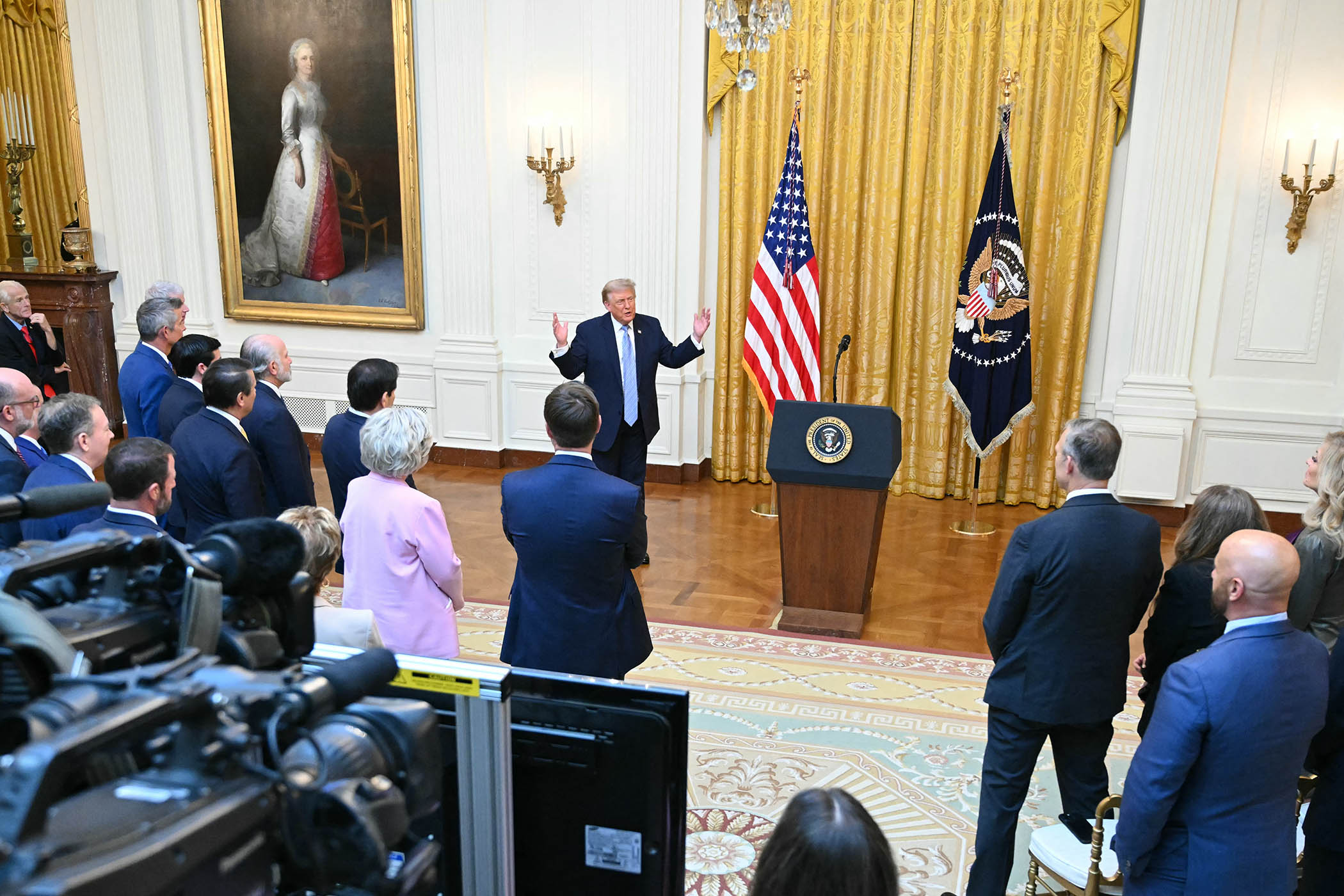
In a world where so much foreign policy is in Trumpian disarray, it is hard to spare a thought for multilateralism – just another victim in a global road crash. Yet beyond the high-profile hit and run victims such as Ukraine or Gaza, special damage is being done to the less visible mechanisms of international cooperation.
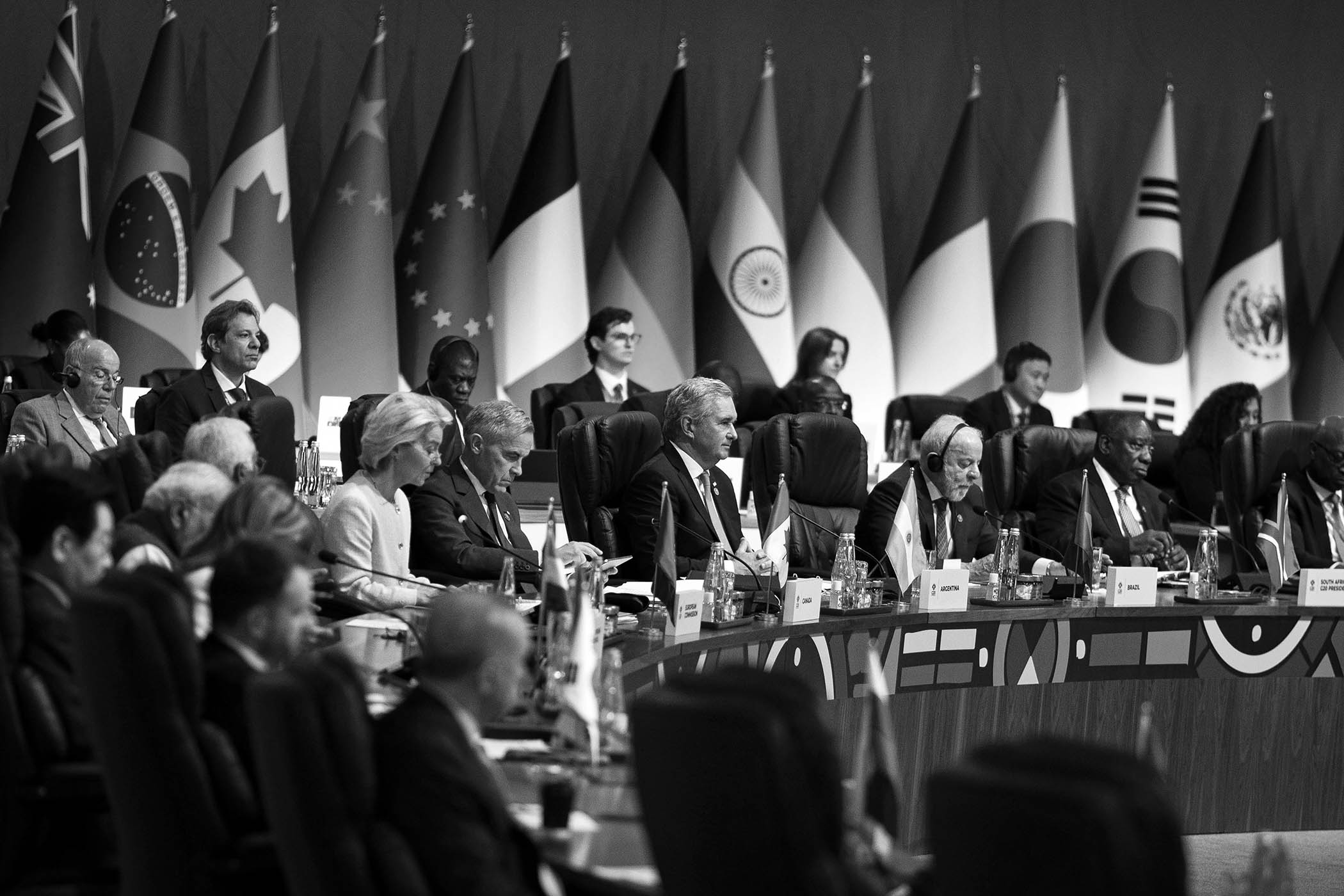
What observers noticed about the recent G20 was that President Trump and the Americans didn’t show up because they were petulantly boycotting its South African hosts. What they missed was that the first G20 held in Africa had commissioned an important report on global inequality. Its alarming but unsurprising message: inequality is surging. In short, as leaders engage in petty squabbles and increasingly reckless wars, the world burns.
And in a sign of the times, aid, or official development assistance (ODA), has collapsed. Although much of the blame for this has been aimed at Trump, a melting away of public support also made ODA an easy target in other donor countries, as they have grappled with budget deficits and increased defence spending. The UK, for example, is cutting aid spending from 0.7% of GDP to 0.3% over a period of several years. Globally, ODA will have fallen by about a third by 2026. According to expert estimates, millions of lives may be lost as food and healthcare systems collapse. It is an extraordinary betrayal.
However, we are where we are and we need, as the G20 and others have recognised, to rebuild development finance in a post-aid, and much less collaborative, world. Cometh the hour, cometh the two often controversial stalwarts of the multilateral system, the IMF and the World Bank. I was asked along with two colleagues, a former African prime minister and an Asian finance minister, by their two leaders to look at how these institutions could step up. Our report titled Facing up to the Future: Navigating Disruption, Building Trust, is just out.
As the aid-based world is caught up in a crisis of layoffs and closed programmes, the two Bretton Woods institutions (BWIs), which are not primarily dependent on ODA but rather on government-guaranteed capital-raising through the markets, will have to develop even broader shoulders. More is going to fall on them – and this won’t be easy because debt and private investment, the alternatives to aid, have been the curse and false promise of decades of development.
Scott Bessent, the US treasury secretary, has called for the institutions to go “back to basics”, by which he means discarding what he has claimed were faddish add-ons and refocusing on financial stability and core development. For Europeans, this betrayal of development mainstays such as climate and gender issues is outrageous, but the message was better received in many developing countries. That was because they chose to hear something different.
Bessent’s intent was to bend the two institutions to an America First agenda focused on building resilient supply chains and markets for the US. What his developing country audience heard was an overdue proposal that they finally get to choose their own development priorities and escape the Christmas tree approach of multiple, donor-set priorities that are worthy but underfunded and continually changing.
A switch to this kind of country ownership is at the heart of our report. The World Bank now has most of its operations staff in the field. But its projects – and the policy and economic assumptions that underlie them – retain an unmistakable made-in-Washington character in the view of many we talked to. And a significant number of countries resist accepting an IMF rescue package because their own people angrily tell them that it’s an insult to national sovereignty to accept such diktats from the US.
The challenge for the two institutions is to escape Washington's assertions of control and find a new alignment with their borrowers. We may be on the cusp of a new age of what might be called development sovereignty. As development finance continues to switch from grants to loans and investments; and as new non-western governments and commercial actors are drawn in, the balance of power in development is shifting. The borrowing country itself is claiming the driver’s seat, seeking long-term, predictable and affordable competitive funding from an array of public and private sources.
At the same time, there is a growing recognition in policy circles that there is no substitute for good country leadership. Development cannot be wished or imposed from outside. Too often, well-intentioned aid has got in the way of that leadership. Now, lenders and borrowers will share responsibility for their mutual monies in a context stripped of the well-intended interfering paternalism of the old aid system and instead including a contract of mutual accountability.
Newsletters
Choose the newsletters you want to receive
View more
For information about how The Observer protects your data, read our Privacy Policy
A vast global pensions and savings pool that is casting around for real economy returns could actually allow well-managed countries to reach the investment levels promised but never attained at the old international aid conferences, if it is persuaded to respect developing market investment as an asset class.
Those well-run countries with dynamic private sectors should prosper under this new dispensation, gathering a range of lenders and investors behind their own development strategy, as might others with critical mineral or other strategic assets. But still others, notably weak and fragile states where most of the poor now are, risk being left even further behind. The World Bank itself estimates that on present trends the overwhelming majority of these countries are unlikely to escape that condemned status in the next few decades.
So, beyond their role in the successful countries, the BWIs also have a key role in trying to spread the finance as wide as possible to reach the problem ones through judicious use of the remaining grant funding, concessional loans and de-risking private investment. In the case of the IMF, effective risk management of global financial flows will contribute to making faraway markets safer for private investment that tends to prefer the comfortable shelter of familiar home markets.
Do these institutions remain primarily agents of their original western 1944 shareholders, notably the US, and their agendas? Or do they make a better bridge to their clients, most of which were colonies 81 years ago, and go along with a new client-centred model of development sovereignty. As development challenges mount, they will need to choose.
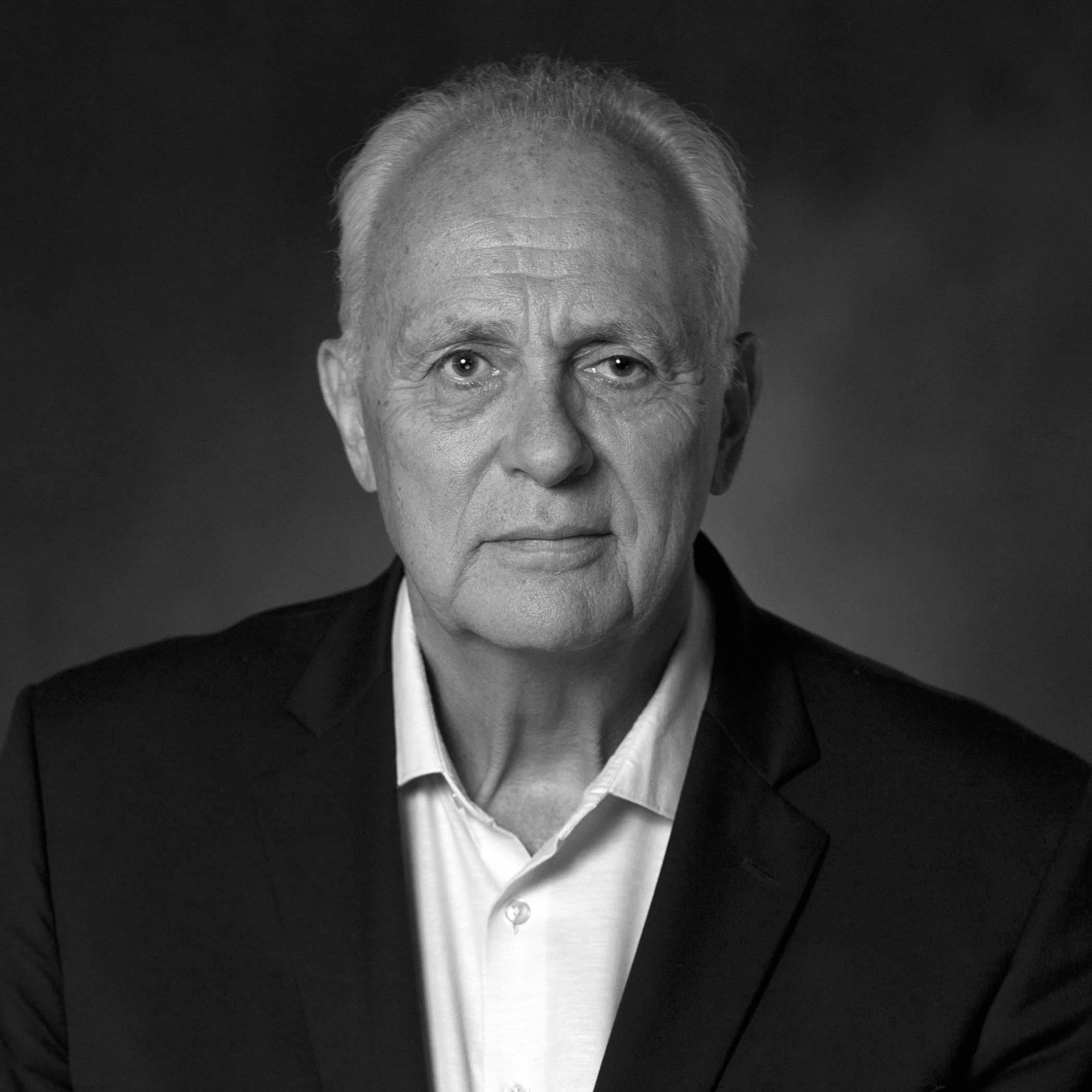
Mark Malloch-Brown is a former deputy secretary-general of the UN
The BWI at 80 report, Facing Up to the Future: Navigating Disruption, Building Trust, was authored by Patrick Achi, former prime minister of Ivory Coast, Sri Mulyani Indrawati, former finance minister of Indonesia, and Mark Malloch-Brown
Per-Anders Pettersson/Getty Images