

In 2017, Wanjira Wanjiru developed an obsession. She was driven by a quiet rage that had been building since the death of her brother at the hands of the Kenyan police. It wasn’t just the brutality of the police, it was “the normalisation” of that brutality, she says. “How our community had accepted this to be our fate.”
Wanjiru lives in Mathare, Nairobi’s oldest slum, which lies just north-east of the city’s business district. With fellow activists, she went door-to-door visiting families of people killed by police, notebook in hand, methodically recording the details of the lives lost, which she felt would not reach mainstream press.
Her report documented 803 police killings over a three-year period. “It holds the stories behind the victims: who they were, what they were doing,” Wanjiru says. Some were cases of mistaken identity, but others were people who had committed low-level crimes and were shot dead rather than arrested.
“I don’t support criminality, but it feels as if the state is deciding who gets to live and who doesn’t,” she says.
Public faith in Kenya’s police is low. They are seen by many as aggressors, rather than protectors. The force is highly militarised; officers often carry AK47s on ordinary patrols. On the rare occasions that killings by police are investigated, they can become mired for years in court proceedings, leading to exhaustion for victims’ families, or draining the financial means to keep going.
But it is communities in marginalised settlements such as Mathare that experience the wrath of police violence in its most potent form.
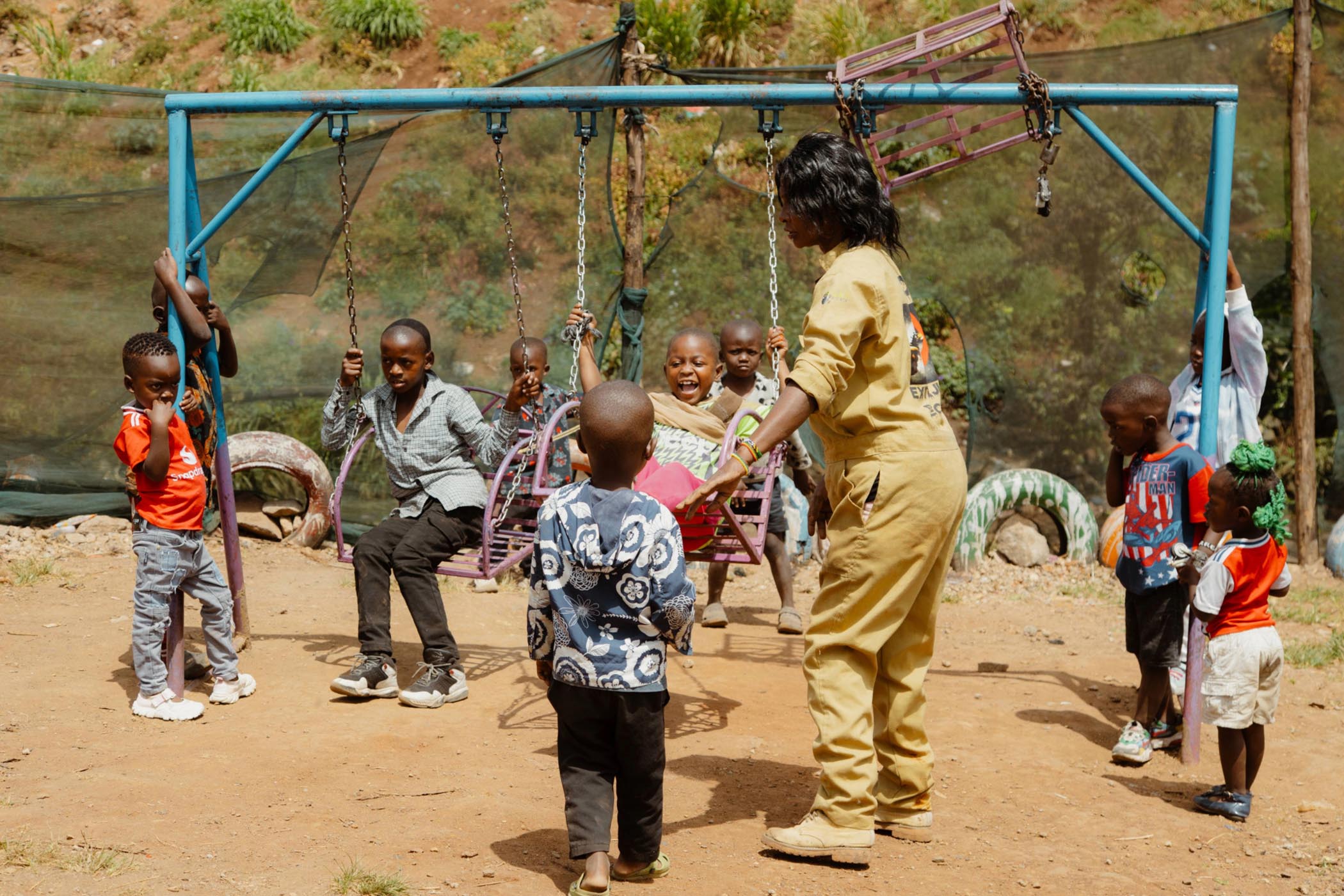
In Mathare, Nairobi’s oldest slum, children play in a park built in memory of a victim of police violence
For Wanjiru, the root cause is systemic poverty. “It’s not that these young men want to go out and snatch handbags; it’s that they have nothing. They have no alternative – but you have to eat, you still have to pay rent.
“I wanted to challenge the killings of young people in a systemic way because of how the media report the killings in the news,” she says, adding that victims are often described as “thugs” or “gangsters”.
Wanjiru believes such narratives about young people in the slums have been weaponised by the state and the press, creating a culture that encourages killings of this kind.
Graphic imagery of bloodied or slain “snatchers” regularly flood social media, accompanied by chilling captions claiming they were “warned”. The Facebook group Nairobi Crime Free operates as a space for people to upload photos of alleged criminals, making them a target for vigilante justice. Human Rights organisations claim that many targeted individuals go missing after appearing on the site. It is also alleged that the Facebook page and linked accounts are run by anonymous security officials.
Newsletters
Choose the newsletters you want to receive
View more
For information about how The Observer protects your data, read our Privacy Policy
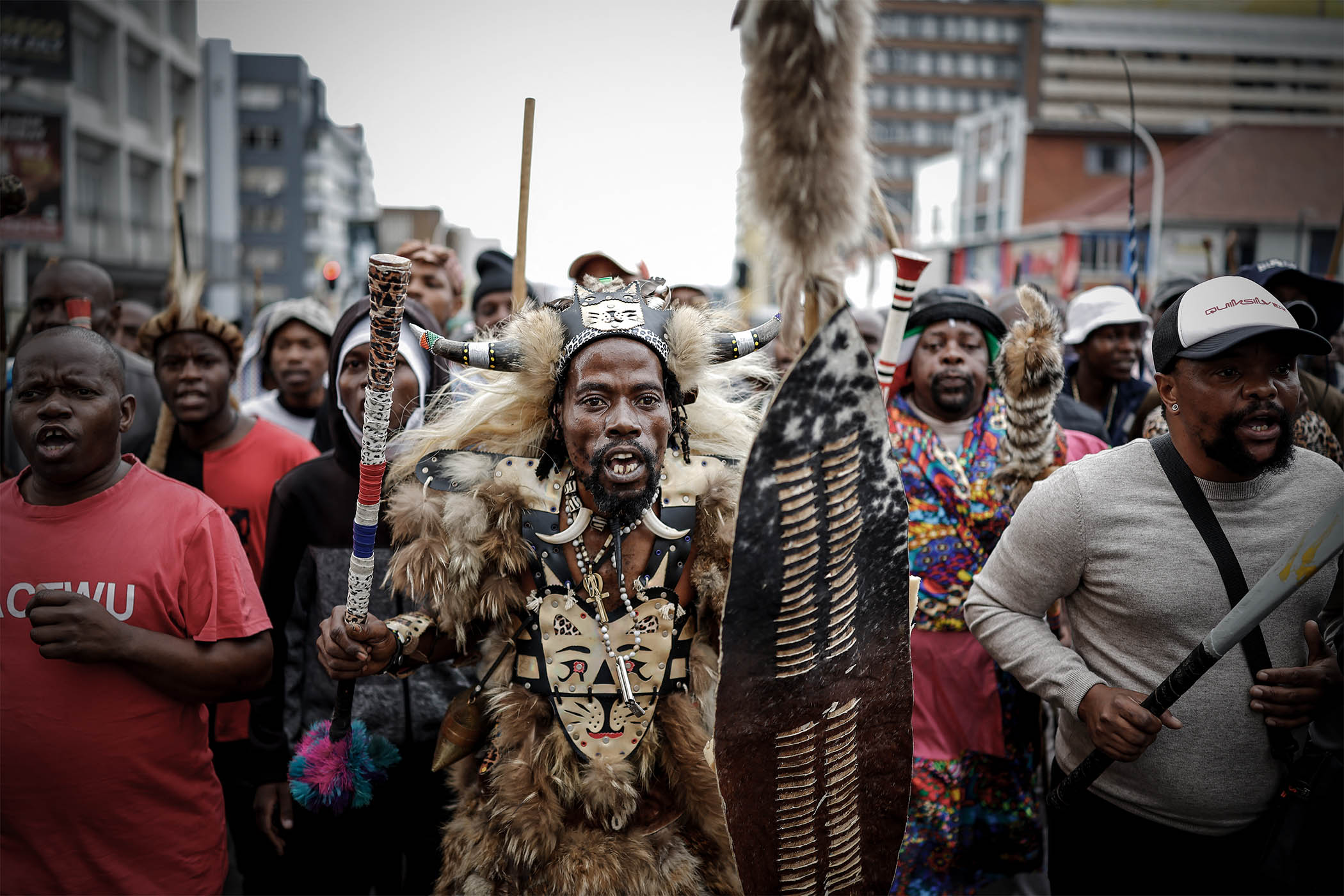
For many years Wanjiru and the group she co-founded, the Mathare Social Justice Centre, have been voices in the wilderness. But in 2024, police brutality emerged from the shadow of the slums and into the centre of Nairobi, becoming a national issue amid protests led by gen Z against a controversial finance bill. The protests followed unpopular tax hikes on everyday goods to bridge Kenya’s steep debt-GDP ratio, which is currently around 70%. What started as peaceful protests quickly turned deadly. Amnesty International reported that “65 individuals were killed, 89 forcibly disappeared, and thousands arbitrarily arrested”.
“The normalisation of police brutality in informal settlements set the precedent for the police brutality that the country witnessed during the gen Z protests,” Wanjiru says. Previously the issue had been viewed as a “poor people’s struggle” and had not received much attention.
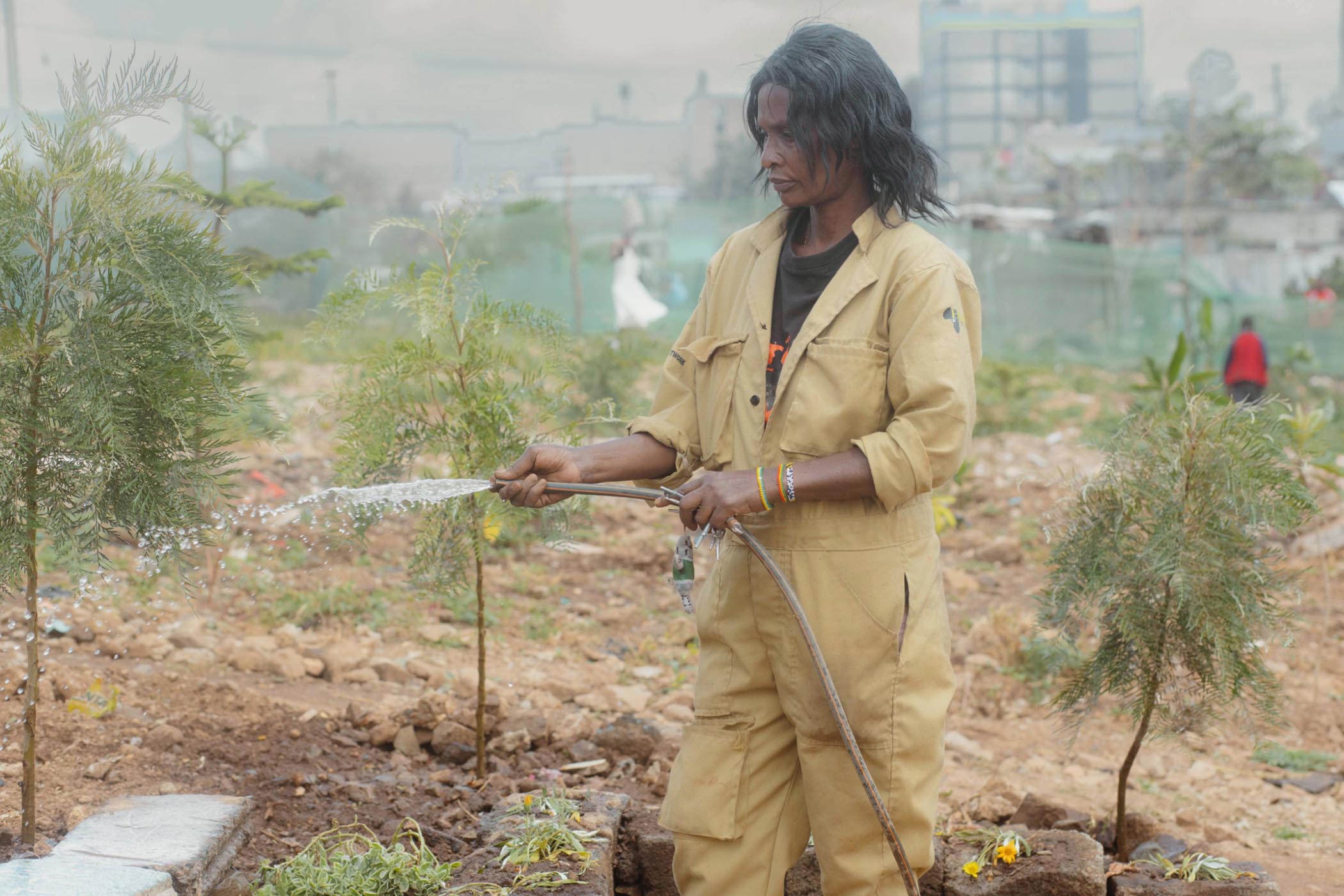
In several new community parks across Mathare, a group of mothers of victims of police brutality hope the simple act of planting a tree could inspire change in the future.
“A tree is something that once planted continues to grow,” says Sarah Wanga, whose son, Alex Mwangi, died from police violence. “We thought that it was a good symbol for a child – specifically for all the children who have been murdered. When you look at the trees growing, you will still see our children growing.”
Each memorial tree is named after a victim. Community members refer to “Jida” or Paul” while tending to a fruit tree or a leafy plant. Wanga has coordinated the planting of 5,000 trees, to memorialise the dead and build the natural environment of Mathare and other slums in the capital.
“Police brutality affects our children, especially young ones, because they live in a community where they see young teenagers being shot dead by the authorities,” she says. “And the next day they will see the same police officers walking around.”
Most of the youth “live in fear” or “despise the community they live in, [viewing] Mathare as a place that is suffering,” Wanga says.
One new park was previously a rubbish dump where police were accused of killing “a lot of young boys”, Wanga says. “Mothers would come searching through rubbish for the bodies of their sons who were murdered there.”
After her sister’s child was killed at the dump, she and other mothers removed all the waste and began planting trees. “A lot of kids helped and have now seen the trees grow because they were protecting them.”
Photograph by Rogers Ouma/The Observer