Meisam has taken to the streets with every round of protest in Iran over the last 16 years – but this time he hopes things will be different.
When he ventured into central Rasht in northern Iran last week, he got a call from a friend saying the police were already making arrests as people milled on the streets. His friend told him to stay at home, but Meisam was determined.
As evening fell, the crowd grew so large that it began to dwarf any fears people might have had about security forces firing back. Meisam realised the protesters were testing the boundaries of the coming crackdown.
“There’s nothing left to lose,” he said. “What’s the worst that can happen? For me, personally, it’s getting shot in the street, and I’m not afraid of that any more. I am ready to pay a price to bring down this regime, even if that price is my death.”
What began as protests about the slow-motion collapse of Iran’s economy soon morphed into demands for the end of the Islamic Republic. By the end of the week, crowds of thousands took to the streets in the capital, Tehran, and cities across the country, buoyed by a call to protest from the country’s exiled crown prince, Reza Pahlavi.
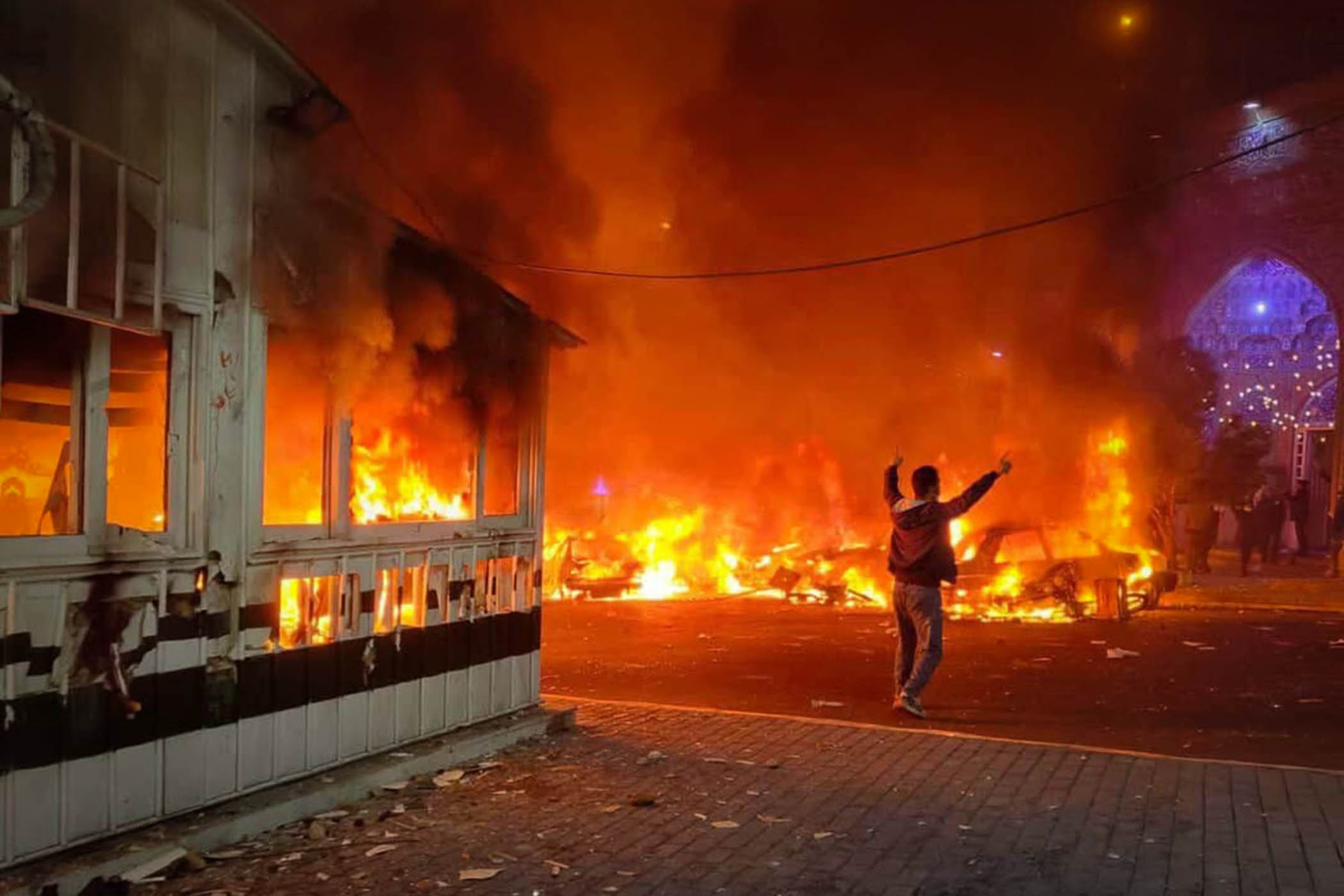
Videos showed crowds chanting “death to the dictator” and setting vehicles alight. Demonstrators in the city of Abdanan broke into a military-run supermarket and hurled fistfuls of rice in the air, openly defying a government offer of subsidies on basic goods intended to quell the unrest.
One Iranian journalist shared a message from a demonstrator in Rasht who said the air “smells like gunpowder and blood”, after protesters ripped security cameras from the walls and burned banks and mosques on Friday night.
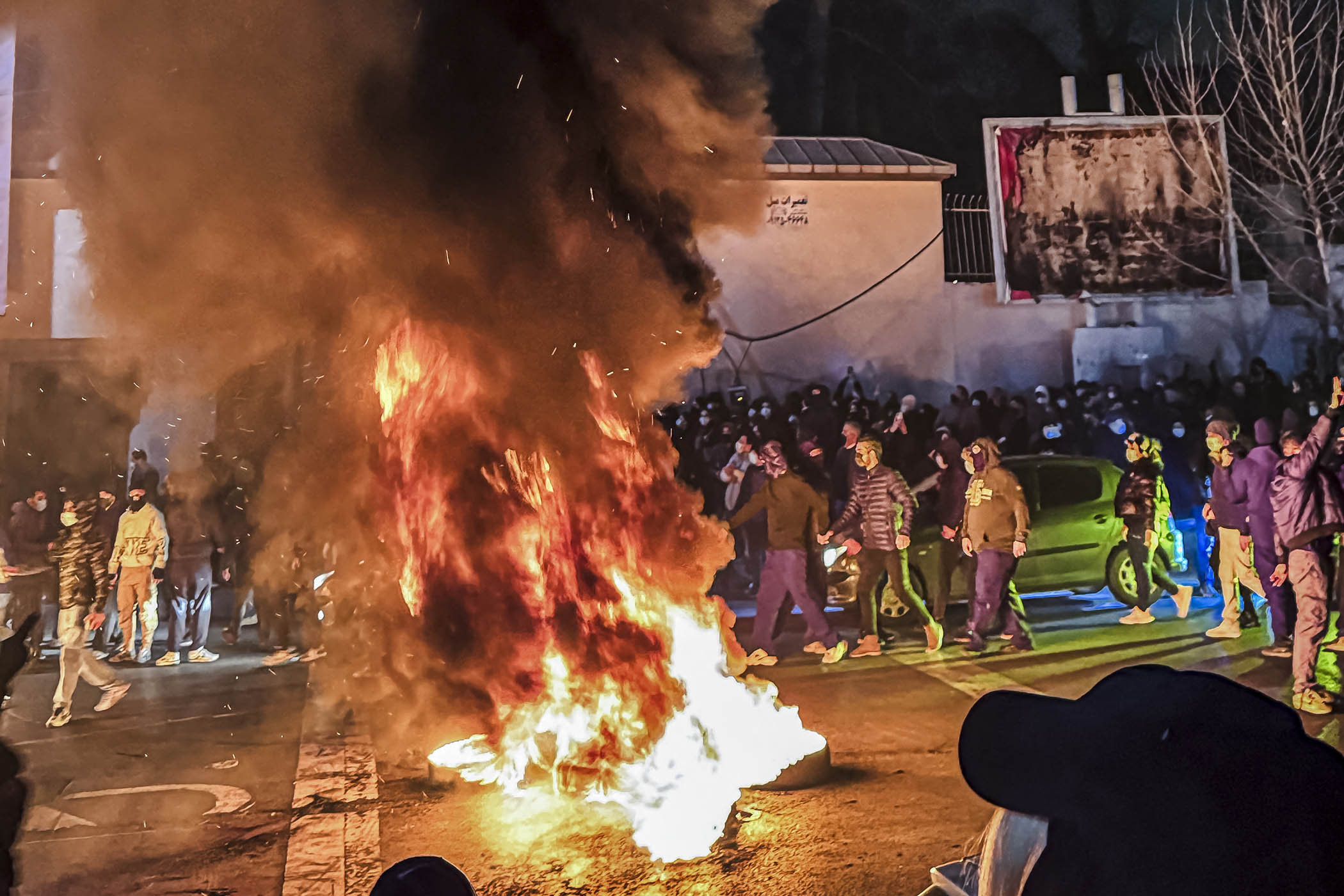
Iranians gather while blocking a street during a protest in Tehran on 9 January, 2026
The growing protests have prompted fears of a brutal crackdown under the cover of an internet blackout that has cut off Iran from the outside world. Government officials, including the president Masoud Pezeshkian, initially declared themselves willing to hear protesters’ demands about the cost of living.
But this soon gave way to threats, including from Iran’s supreme leader, Ali Khamenei, who warned that the authorities would “not back down” and gave a speech echoing a line taken up by others in Iran’s hardline leadership, depicting demonstrators as enemies of the state and saboteurs.
“In Tehran, a group of vandals destroyed public property belonging to themselves to please the president of the United States. If he can, he should manage his own country,” he said.
Newsletters
Choose the newsletters you want to receive
View more
For information about how The Observer protects your data, read our Privacy Policy
With the internet shut down and international calls cut, humanitarian groups struggled to track the escalating crackdown. The Human Rights Activists News Agency monitoring group said at least 65 people had been killed and more than 2,300 arrested in 10 days of unrest – numbers that were expected to rise sharply as the protests grew.
Bahar Saba, a senior researcher at Human Rights Watch, said that the internet shutdown permitted the Iranian authorities to conceal violations, including the security forces’ use of live ammunition, and steel pellets that can blind or kill protesters.
“We’re reviewing the footage and accounts that keep emerging, while investigating reports of an increasing number of protesters getting killed, arrested and injured by the security forces,” she said. “The shutdown has heightened our concerns about further atrocities and bloodshed committed against protesters. It’s deeply alarming.”
Ali Vaez, a senior adviser at the International Crisis Group, said the Iranian regime is practised at suppressing protests. “Every time it manages to crack down successfully, it only buys time until the next confrontation between the state and society,” he said.
“Now it’s becoming much more serious, and this time there is a major difference – the internal pressure building up at the same time the regime is facing an external threat. Never before has a foreign leader threatened to intervene to prevent the Islamic Republic cracking down against protesters.”
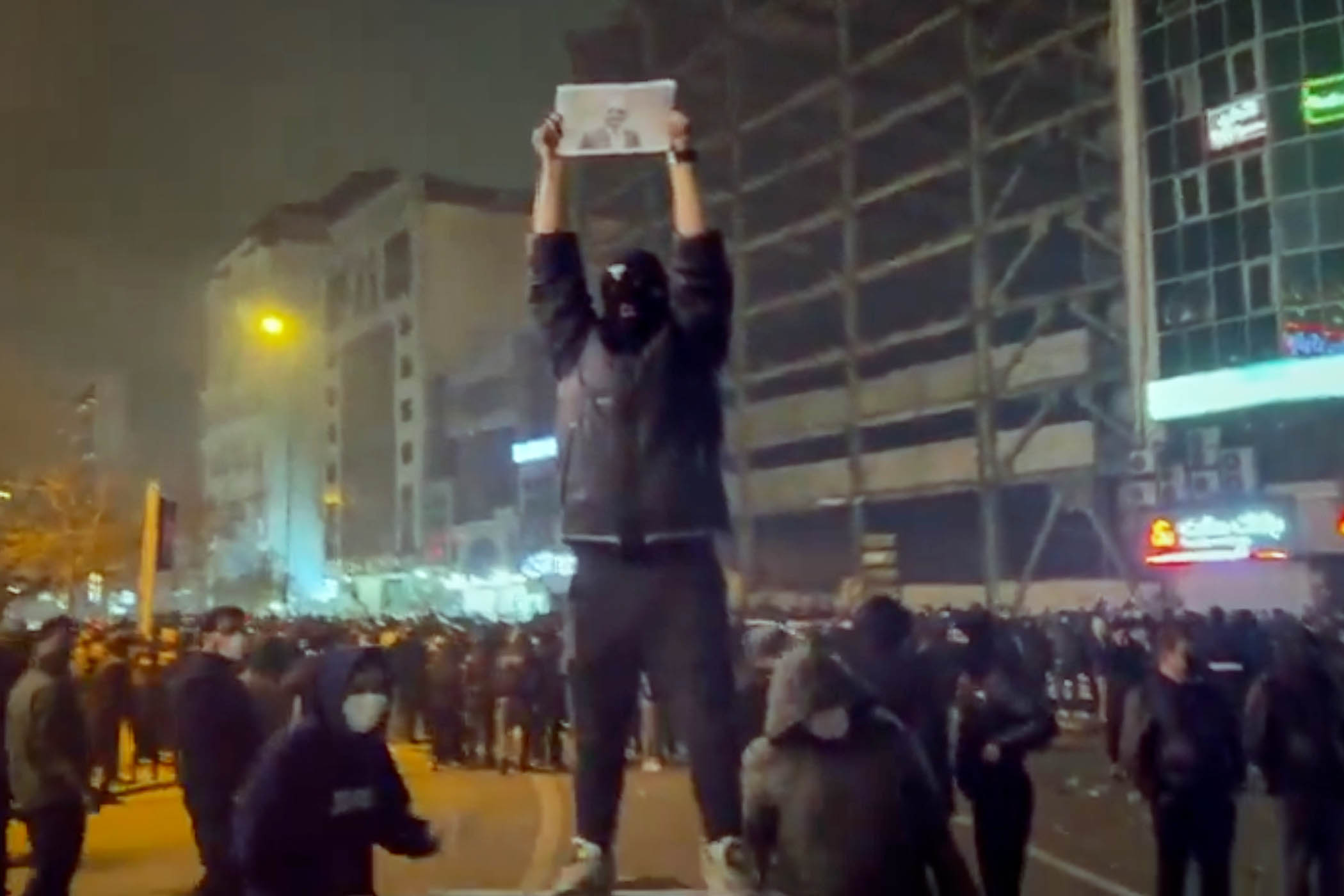
A masked demonstrator holds a picture of Iran’s crown prince Reza Pahlavi
Donald Trump, whose spectre looms over the protests, has repeatedly threatened to step in if security forces attack demonstrators. Trump told Fox News that he was following the demonstrations closely, adding: “In the past, they’ve started shooting the hell out of people... So they played rough and I said if they do that, we’re going to hit them very hard. We’re ready to do it.”
Trump’s decision to strike Iranian nuclear facilities last year, as well as kidnapping last weekend of Venezuela’s president, Nicolás Maduro, means his threats are taken seriously by the Iranian leadership, said Vaez.
“They believe this is an existential threat to them, but so are unrestrained protests. That’s the dilemma: if they bring down the iron fist, that might invite an American attack, but if they don’t, the protest movement might become too threatening to the regime,” he said.
The Iranian government appears unable to fix the tough living conditions that have pushed people to protest. In addition to the severe impact of international sanctions, years of mismanagement have resulted in prolonged water and electricity shortages that recently saw Pezeshkian suggest evacuating the capital as a solution.
“Things have reached a crisis point. The Islamic Republic is clearly incapable of responding to the simplest demands and problems that people have,” said Meisam. “Either they continue ruling this country and destroy Iran completely or we fight and pay the price, whatever that may be, to bring them down.”
He joined chants supportive of Pahlavi, the exiled son of Iran’s last king, because he said the crown prince “is a symbol of an Iran that had value in the world, and people want that value to return”.
Pahlavi has openly appealed for American intervention and called on protesters to “prepare to seize and hold city centres” this weekend. But Trump declined to publicly throw his support behind the exiled monarch, saying: “I think that we should let everybody go out there and see who emerges.”
The growing crackdown did little to boost support for the government – even among the traders who are traditionally considered supportive.
Arash, who sells home appliances in Tehran’s bazaar, said he shut his shop when protests began in the capital. This was not just about trying to support the demonstrators, who he soon saw being hunted by security forces – it was because trade was terrible.
“It’s impossible to do any business,” he said, pointing to inflation spiking prices between the hours he opens his shop in the morning and lunchtime. “I can barely make enough money to afford my daily meals. I decided I’m just going to dig into my savings for the next two months, and wait for the Islamic Republic to fall. If that doesn't happen, then I’ll leave Iran.”
Who comes next?
The Iranian regime looks closer to collapse than at any time since it came to power in the 1979 Islamic revolution. For young Iranians who have only known global sanctions and crushed ambitions, the ideological fervour of the revolution that united their parents’ generation holds little sway. With an ageing and, if some reports are to be believed, ailing supreme leader in Ayatollah Khamenei, Iran will soon have to contemplate a change of leadership one way or another. What might that transition look like and who are the likely candidates?
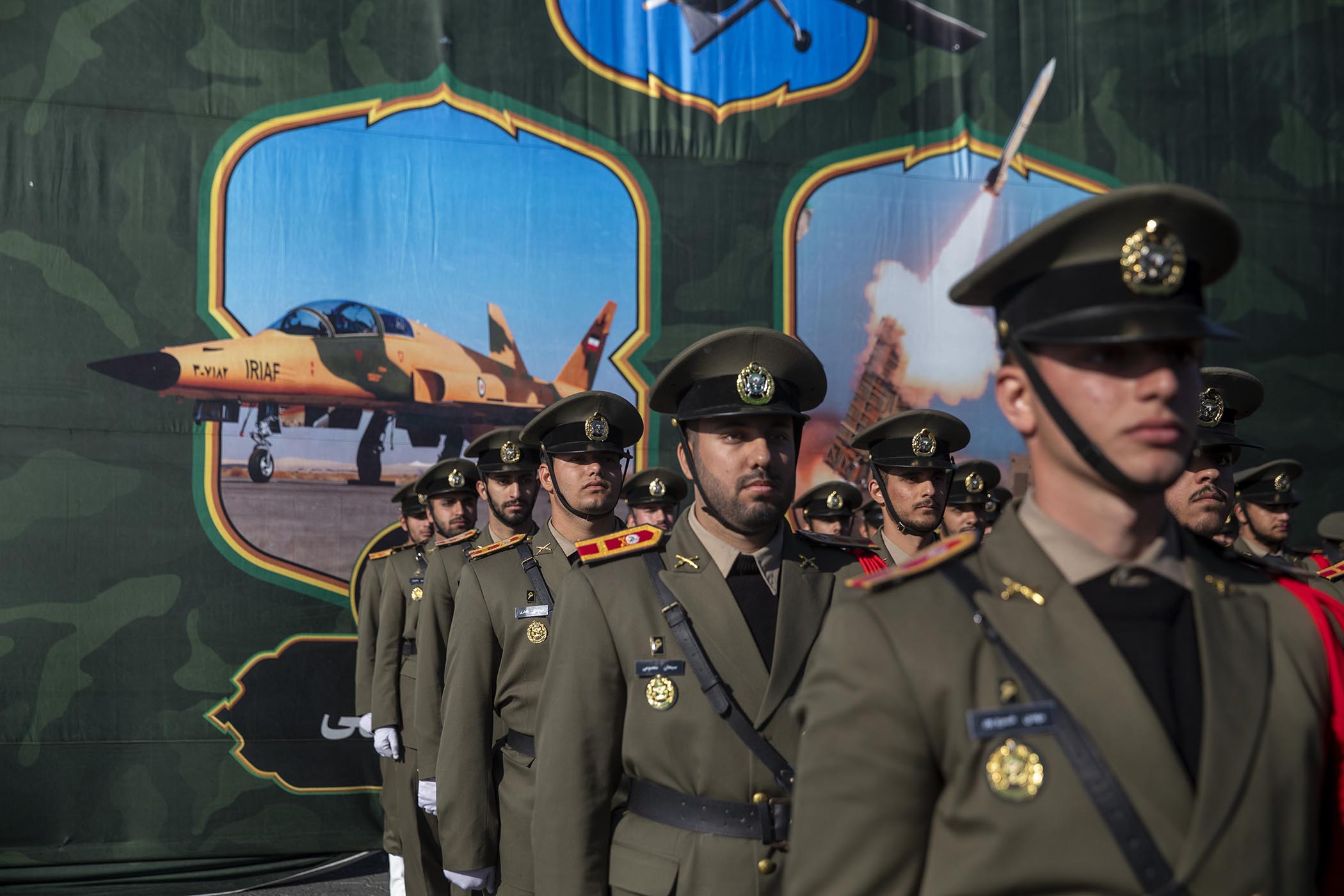
The Iranian army
Artesh: Iran’s national army
Since the Islamic Republic took control, the government has been dependent on the revolutionary guard corps to handle repression. This elite political and military force’s sole mandate is to protect the revolutionary project and the ruling system. Until now the agreement has been that the Iranian army, known as Artesh – an older institution with a more traditional focus on state defence – stays out of politics. But if that bargain collapses – should the protesters take up arms, for example, and the army signal an unwillingness to suppress them, it would constitute a serious existential threat to the regime. Were Artesh to stage a coup it would be unlikely to immediately lead to the reforms that the protesters are calling for.
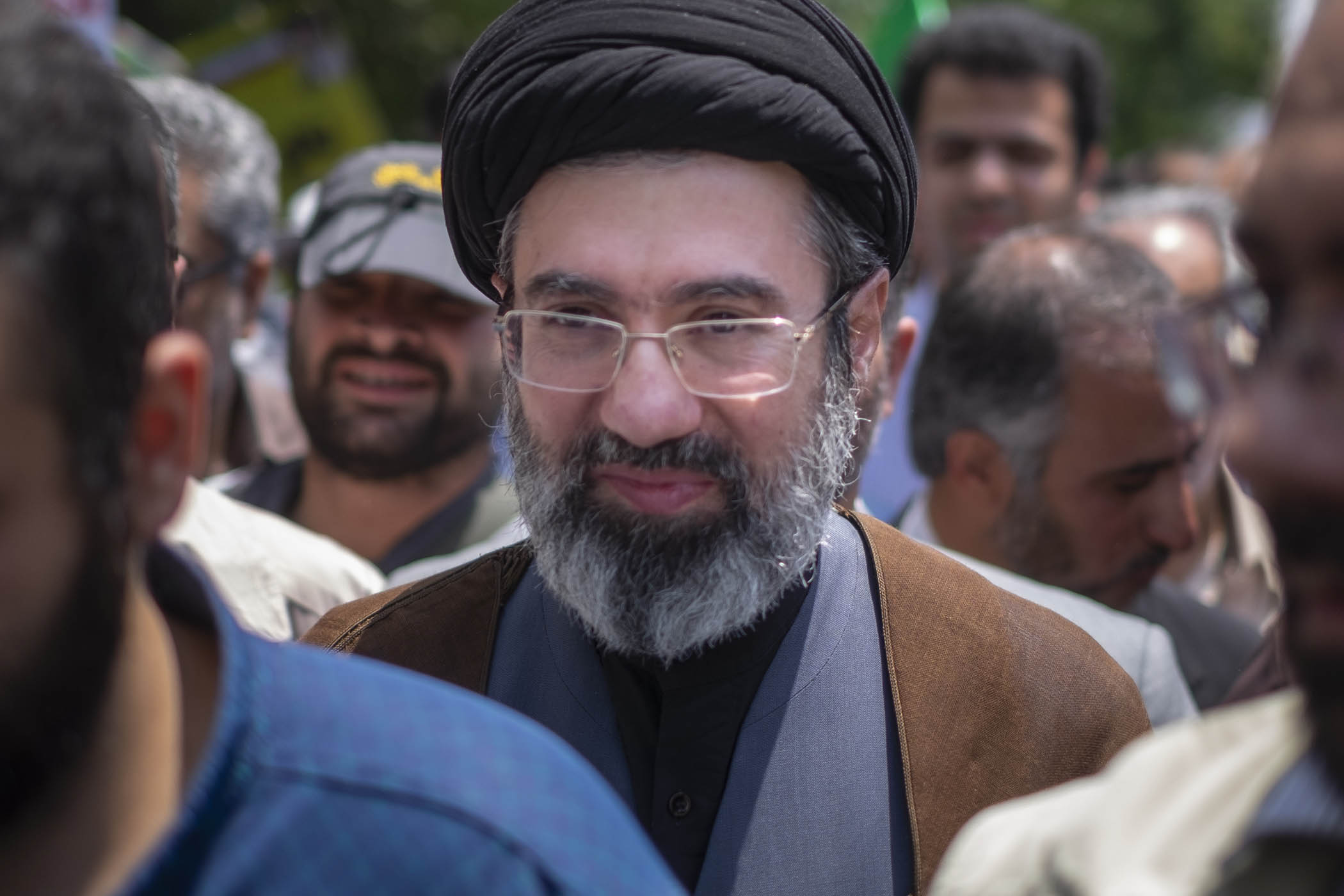
Mojtaba Khamenei
The son: Mojtaba Khamenei
Ali Khamenei, 86, has been the supreme leader for 36 years and rumours swirl about his health. Tehran bureaucrats know a lack of a clear succession, especially at such a tense time, could spell disaster for them. Khamenei’s second son is for many a natural successor and he has for years acted as a kind of a chief of staff to his father’s office, making sure that all the other organs of the regime fall in line. He has, for the most part successfully, avoided publicity, making him a largely unknown and mysterious entity to the public, something that works in his favour. He certainly has the contacts and the weight to manage his father’s empire but the optics of a hereditary appointment don’t clearly align with Iranian revolutionary values.
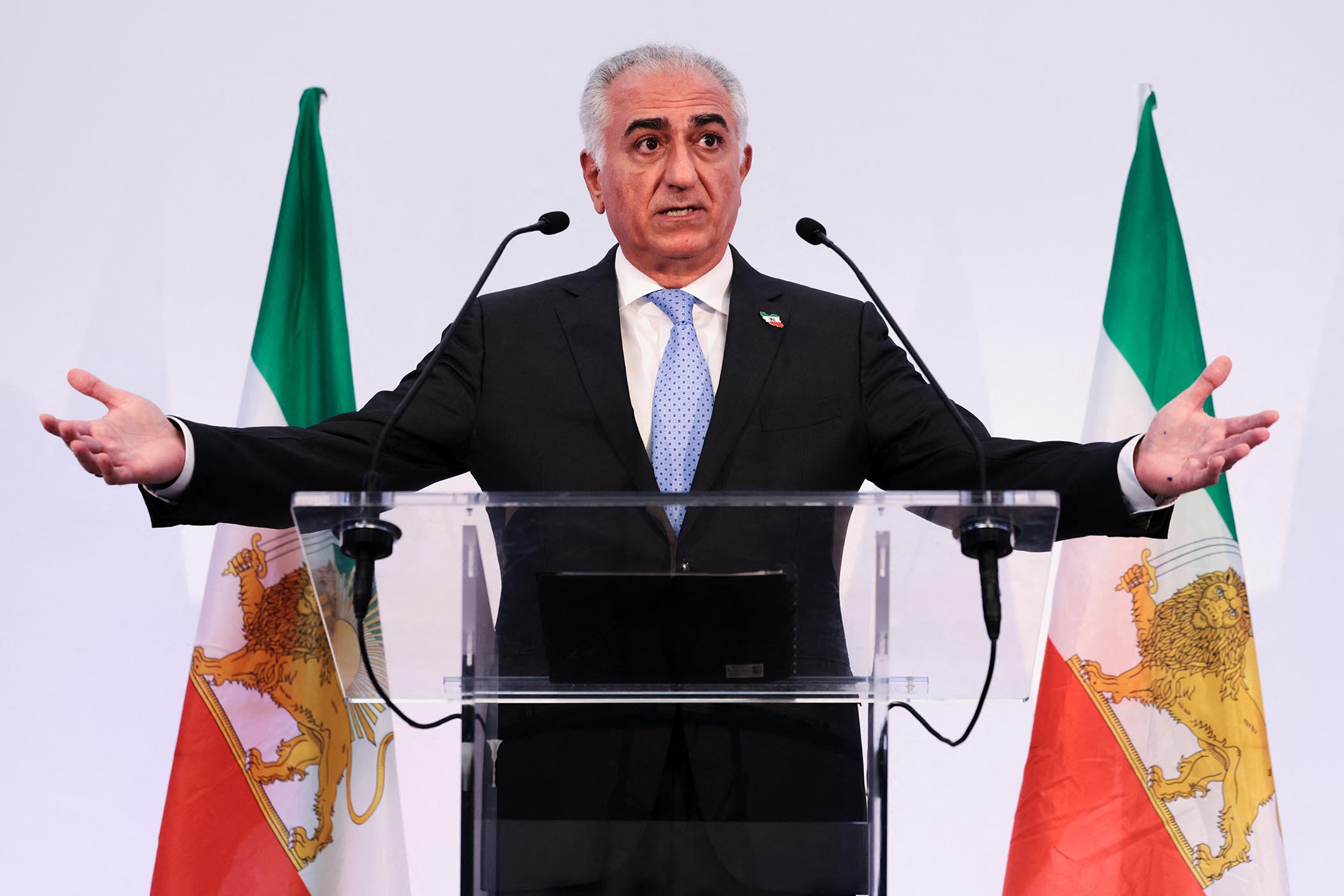
Crown prince Reza Pahlavi
The exile: crown prince Reza Pahlavi
Pahlavi’s father, the country’s last monarch, Shah Mohammad Reza Pahlavi, was socially liberal and outward-looking but corrupt and authoritarian. Most ordinary Iranians saw him and his entourage as debauched puppets of America. The son hasn’t done enough to clear himself of his father’s legacy. He has powerful and wealthy backers in the diaspora but if there’s one thing less popular with the Iranian population than the current regime, it is the previous one.
The insider: Alireza Arafi
Relatively unknown outside clerical circles, Arafi has had a career shaped by quiet strategic promotions from Khamenei over the last 20 years. He was recently made a member of the body that elects the country’s ruler, the Assembly of Experts – a necessary position for the next supreme leader. Arafi is relatively young and a plausible candidate with one glaring flaw: his turban is white, so he cannot claim to be a descendant of the prophet Muhammad. Many will see this as a serious lack of spiritual qualifications for the role of supreme leader.
Any organised transition will see a new leader faced with a vast bureaucratic state machinery that over the last half a century has taken on a life of its own and may now be stronger than any one man. A new leader may find he is not quite as supreme as his predecessor. Chloe Hadjimatheou
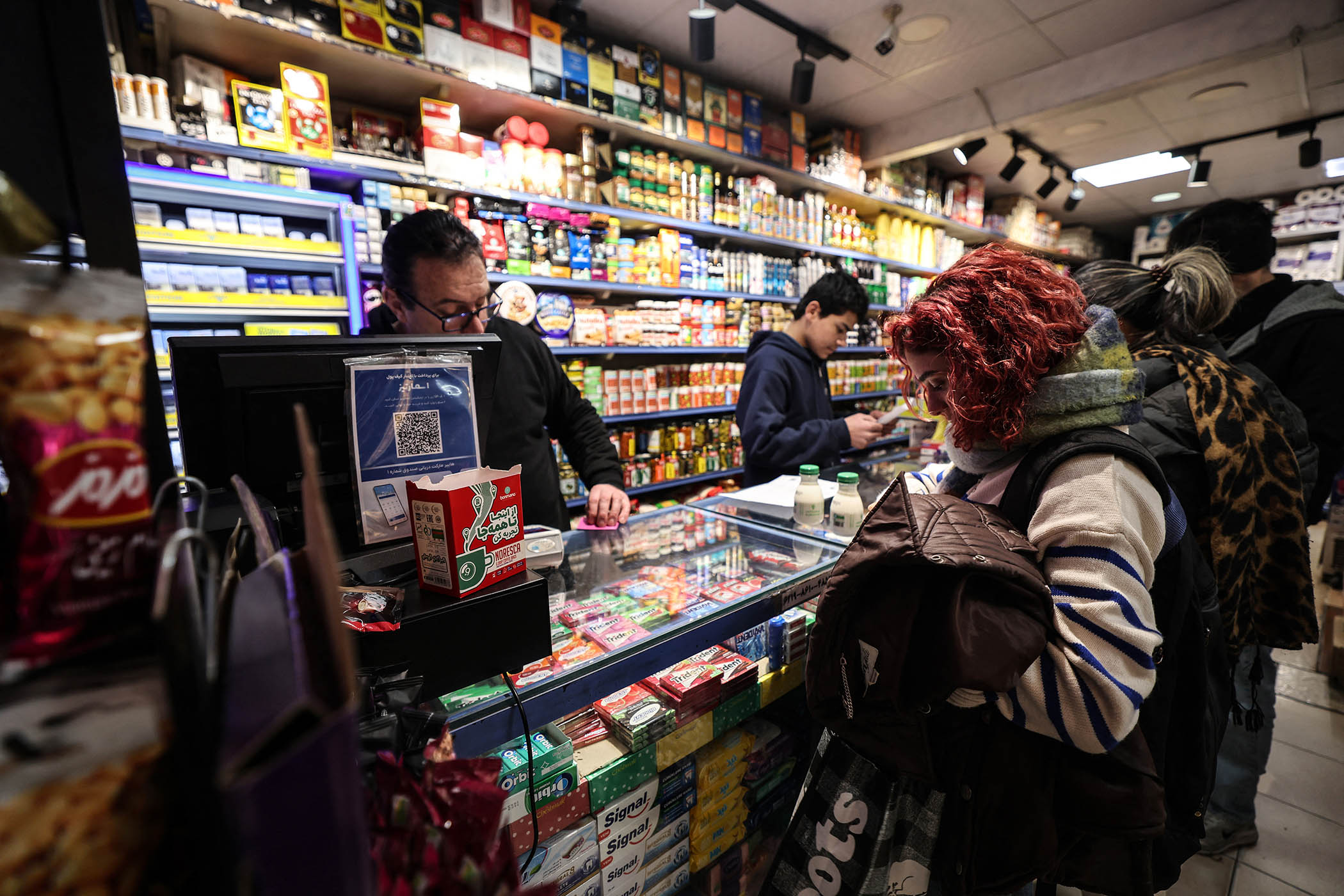
An Iranian woman shops in Tehran on 7 January
Iran’s economy
• Food price inflation was above 70% in 2025 (House of Commons Library)
• Annual inflation has been above 30% since 2020 (HoCL)
• The Iranian currency collapsed in December, and is now 1.47m rials to the US dollar, having already halved in value between July 2024 and March 2025 (HoCL)
• Unemployment is officially 7.8%, but less than half of adults are economically active (World Bank)
• In 2020, 28.1% of Iranians were below the poverty line (World Bank)
• Sanctions relating to the Iran nuclear deal were reimposed in September 2025, aimed at oil, shipping, banking and arms exports.
• Iran’s government has offered citizens coupons worth £5, on a minimum wage of about £90 a month (Iran Insight)
• Official estimates say a family of three needs £300 a month to survive (Iran Insight)
James Tapper
Photographs by UGC via AP, Masha / Middle East Images, Majid Saeedi, Joel Sagat / AFP, Morteza Nikoubazl/NurPhoto, Atta Kenare/ AFP via Getty Images