
Last week Donald Trump warned Iran it had at most 15 days to reach a deal over its nuclear enrichment programme or “bad things will happen”.
This was, in spite of indirect talks in Geneva, over Iran’s nuclear programme which ended with both sides saying they had made progress.
Now all the signs are that Iran and the US are preparing for a military confrontation.
The world’s largest aircraft carrier, the USS Gerald R Ford, is in the Mediterranean on its way to join a dozen other warships. The USS Lincoln, another aircraft carrier, is reported to be off the coast of Oman along with fighter jets, air defence systems and refuelling aircraft. It’s the biggest US military build-up in the region since the 2003 Iraq war.
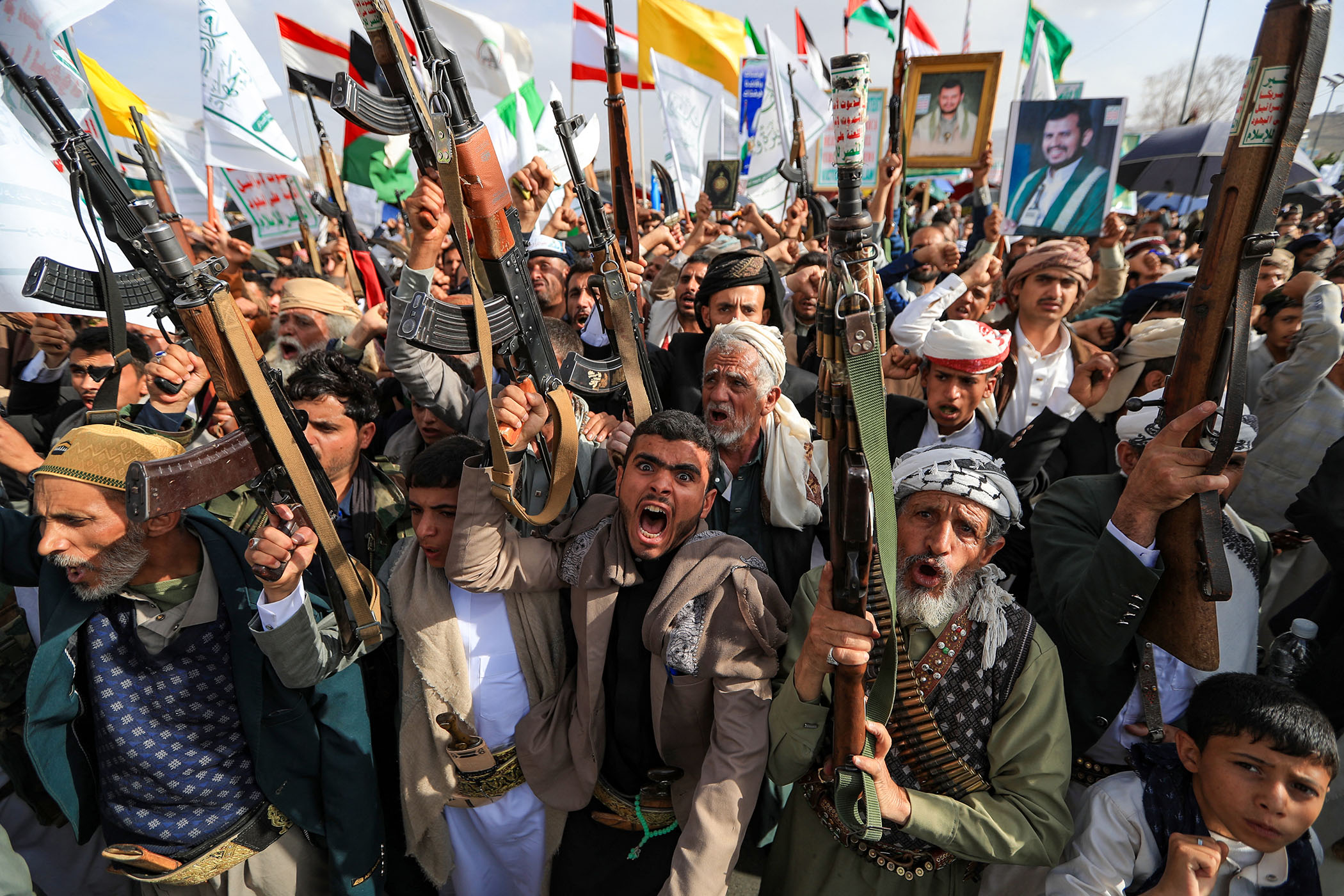
Iran’s armed forces are on the highest state of alert, and are reportedly moving missile launchers near the country’s borders to enable them to retaliate against Israel and US military bases in the region in the event of an attack.
But for Keir Starmer a potential US attack on Iran threatens to sour relations with the White House.
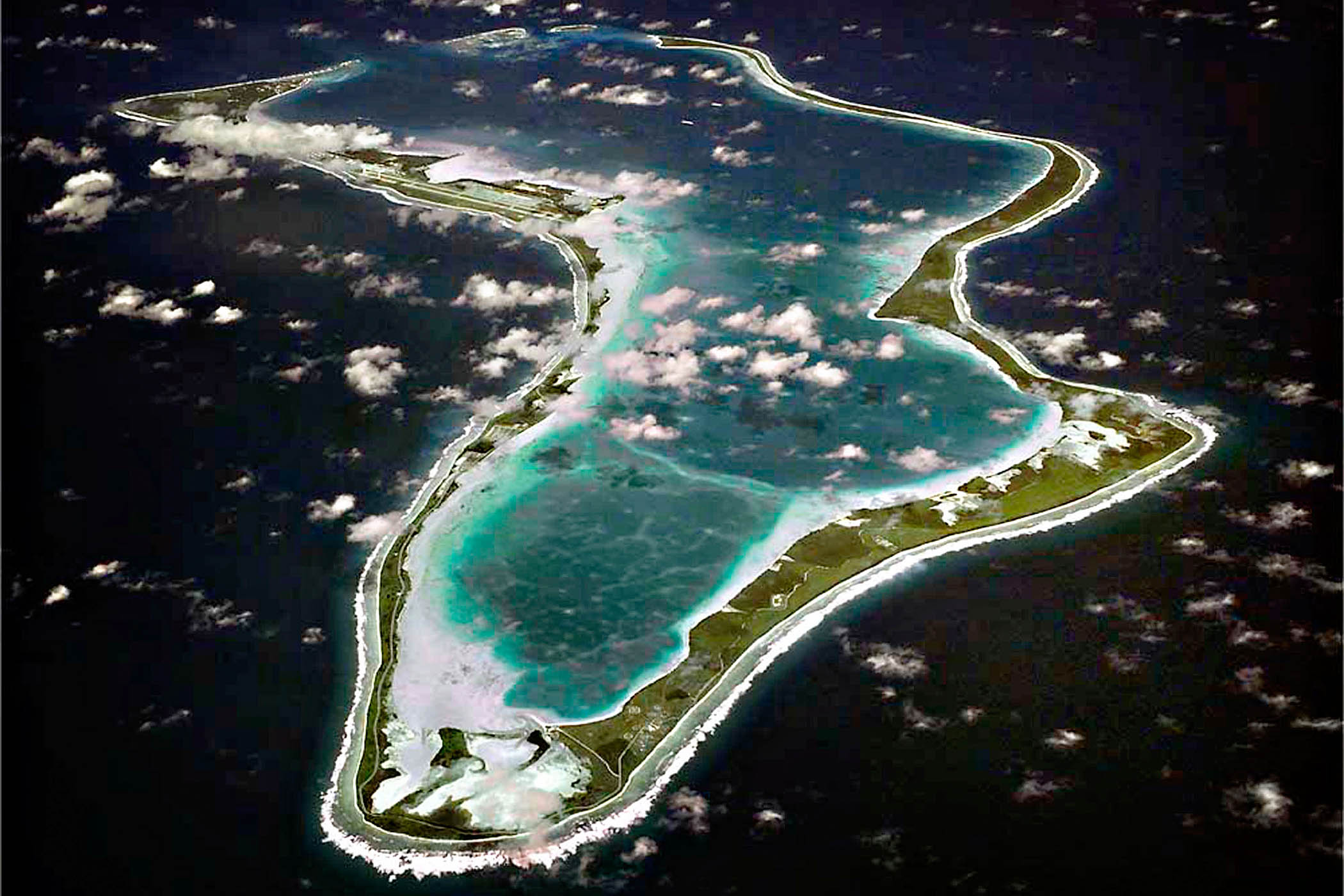
In a social media post Donald Trump indicated he wanted the option of using RAF Fairford in Gloucestershire and the British base of Diego Garcia in the Indian Ocean to launch airstrikes against Iran.
However the government signalled it would not allow this as it believed it would be against international law.
This prompted a change of heart from Donald Trump on the Chagos deal - the plan to hand sovereignty over Diego Garcia and other Chagos islands to Mauritius, in return for a 99-year lease on the joint UK-US airbase.
Trump accused Starmer of “making a big mistake”. He urged him not “to give away Diego Garcia,” adding, “this land should not be taken away from the UK” as it would be “a blight on our Great Ally”.
Newsletters
Choose the newsletters you want to receive
View more
For information about how The Observer protects your data, read our Privacy Policy
In response the government briefed that it was going to “pause for thought” before bringing the Chagos legislation back to the House of Lords.
Ever since the deal was first announced in October 2024 it has attracted criticism from conservative politicians. The Tories labelled it a “surrender deal” and said the government was in danger of breaking international law by ceding sovereignty over the archipelago. Shadow foreign secretary Priti Patel is due in Washington this week to drum up international support to put pressure on the government to abandon the deal.
Nigel Farage criticised it calling it the “worst deal I have seen in my life”. He is believed to have brought it up with Donald Trump in two face-to-face meetings late last year.
Last week, in what the Foreign Office called a stunt, Farage claimed he had been blocked by the British government from travelling to the Chagos islands to help deliver aid to four Chagossians who oppose the handover of the islands to Mauritius and are trying to establish a settlement there. Britain evicted the indigenous Chagossians in 1967 to make way for the joint UK-US military base there.
In Washington the State Department has given its backing to the deal. Ongoing talks with Mauritius are due to continue this week.
But it’s Donald Trump’s position which is causing Starmer and Downing Street a real headache.
Initially he criticised the deal calling it “an act of great stupidity” before, in early February, describing it as the “best” deal Starmer could make. He appears now to oppose it.
The United States places huge strategic value on Diego Garcia because of its intelligence gathering capability, its runway which is suitable for long distance bombers and its deep-water port. It played an important role in both Gulf Wars and in the airstrikes against Afghanistan targeting Al Qaeda and the Taliban. With China, France and India also having a military presence in the Indian Ocean the US appears determined to hold on to its valuable strategic asset.
Meanwhile in Iran fresh protests marked the start of the new university term. The first such anti-government demonstrations since the security forces killed thousands of people in January.
Videos posted online showed hundreds of students marching and chanting “death to the dictator” on the campus of the Sharif University of Technology in central Tehran. Footage suggested there was a pro-government counter demonstration and the two sides clashed.
There were peaceful protests in other universities, including in Iran’s second city, Mashhad.
In some videos students paid tribute to their classmates killed in January’s unrest and called for the release of those who have been imprisoned.
Since January’s violence the authorities have carried out a purge of reformists and conservative figures such as Ali Larijani, a former commander of the Revolutionary Guards Corps, who now leads the Supreme National Security Council, are preparing the country for war and its aftermath.
In an interview with Al Jazeera during a visit to Doha earlier this month, Larijani said Iran was ready. “We won’t start the war. But if they force it on us, we will respond,” he said.
Photograph by US Navy / Alamy