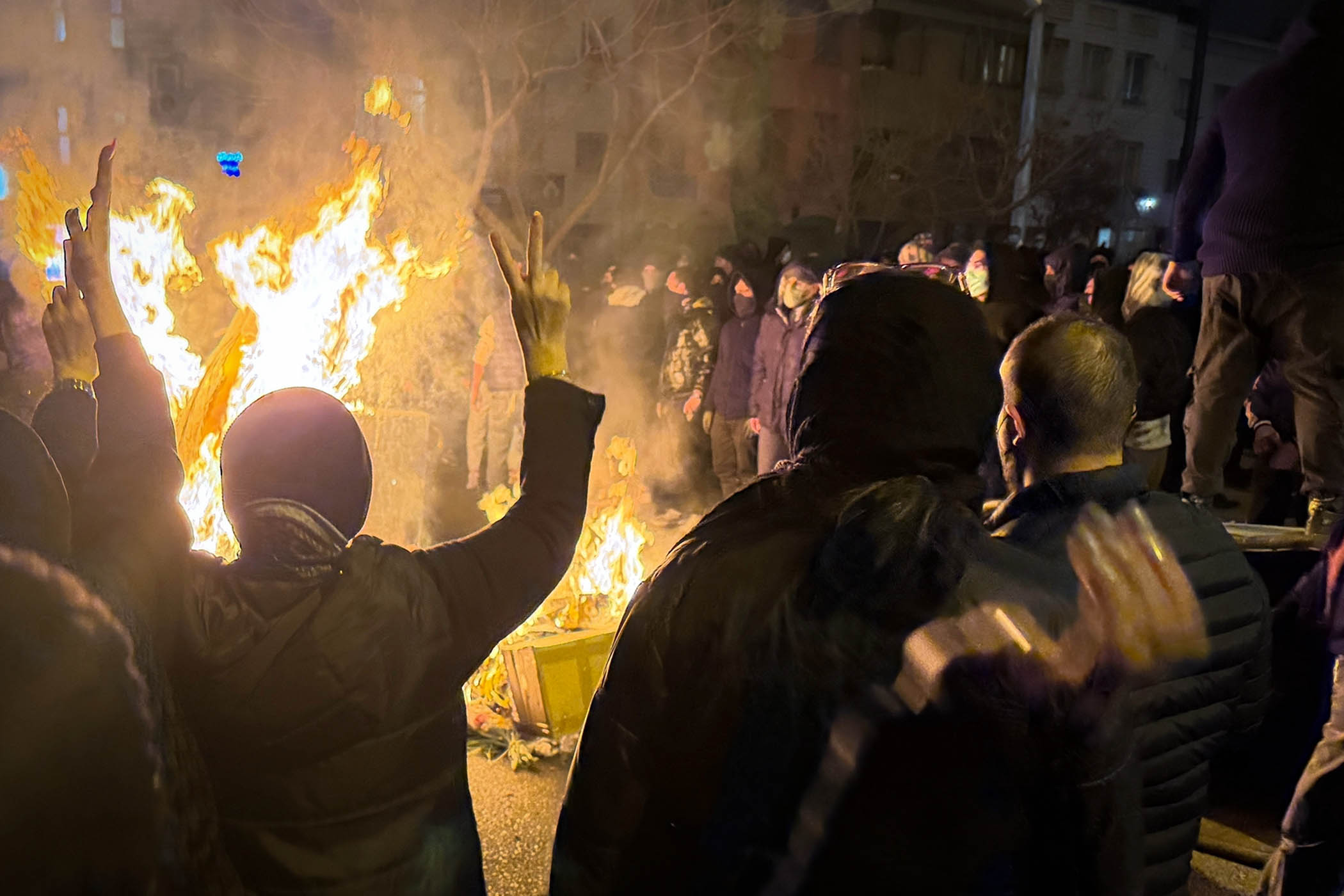


For the past two weeks, Iran has been in the grip of anti-government protests that have been aggressively put down by the regime. The US president Donald Trump has repeatedly threatened an intervention, which could take the form of military strikes.
An internet blackout means there is only so much we can know about events on the ground. But the footage that has got out paints a picture of fear, defiance and government-sanctioned violence. Xavier Greenwood talked to Ruth Michaelson, The Observer’s Middle East Correspondent in Istanbul, to get an understanding of what’s happening in Iran and why it matters.
XG Hi Ruth, it’s Wednesday afternoon in Tehran. What do we know about how people are feeling in Iran right now?
RM Extremely fearful. Over the weekend we saw this trickle of videos showing people in the streets. But now most of that imagery has been replaced by videos taken covertly of body bags at the morgues.
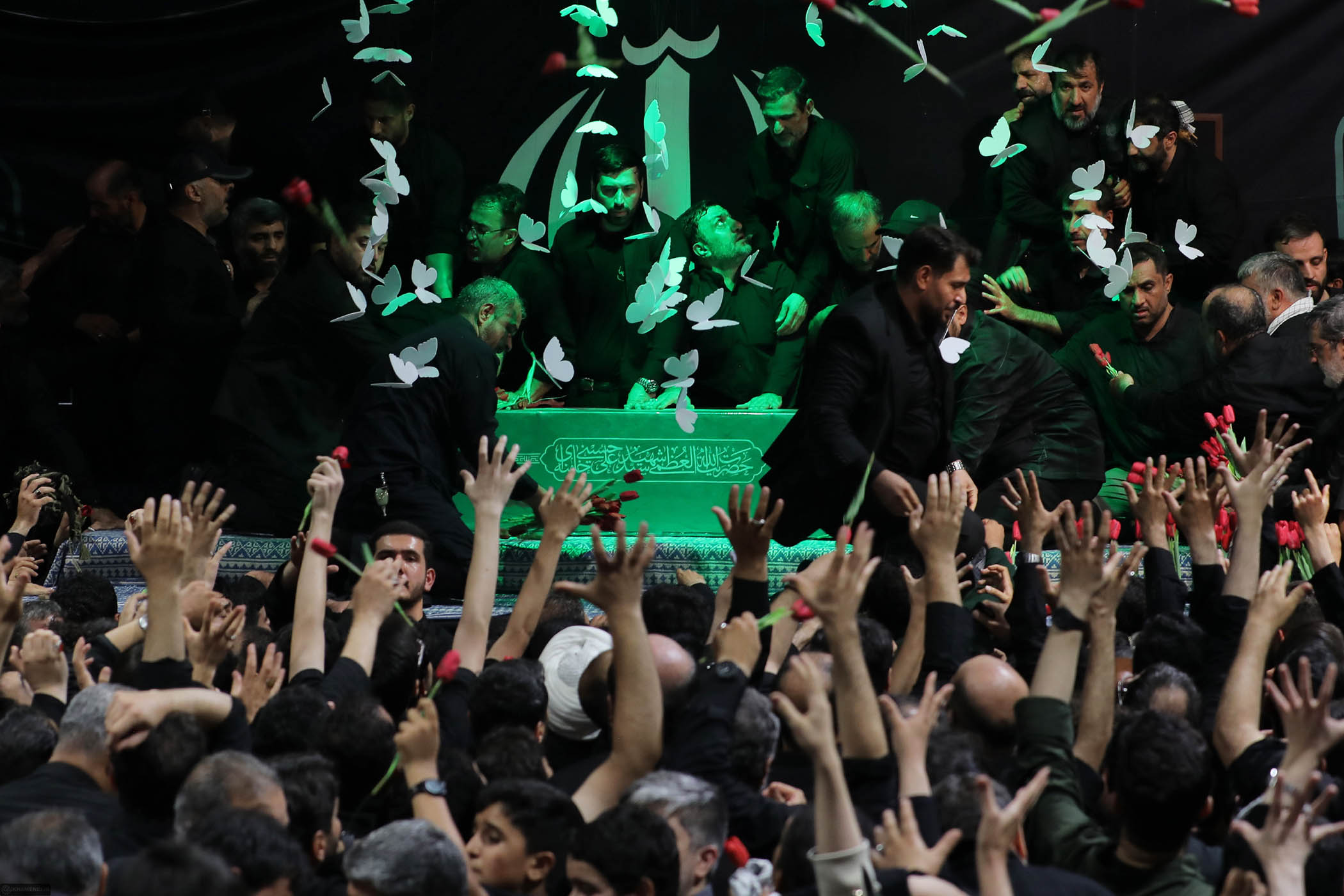
The indications we have are that there is still a high security presence both on the streets and in medical facilities. We know that the Iranian authorities are today preparing for mass funerals for more than 100 members of the security forces and other “martyrs” killed during the protests. These funerals, as well as any that are able to take place for demonstrators, could themselves become sites of protest.
XG Today could also see a protester executed?
RM Yes. The head of judiciary was recorded on state television yesterday talking about how protesters had beheaded people in the streets and burned people alive. We don’t have evidence that anybody did this, but he talked about a need to put demonstrators on trial and punish them in the shortest possible time. Erfan Soltani was arrested last Thursday and could be hanged as soon as today. He’s 26 years old. All the evidence that we have points to the idea that the regime wants to terrify people into never protesting again. But what none of this has done is change the conditions that caused these protests in the first place.
XG Do we know how many protesters have died?
RM We have varied numbers. An Iranian official who spoke to Reuters yesterday said the regime’s own estimates were that 2,000 people have died. But I’ve interviewed people in touch with medics in the forensic sector inside Iran. Doctors have estimated that there were 3,000 bodies, as of yesterday, in just one set of morgues in Tehran.
‘There is an increased security presence inside morgues and hospitals in an effort to tightly control the flow of information’
‘There is an increased security presence inside morgues and hospitals in an effort to tightly control the flow of information’
Ruth Michaelson
Rights groups that track this have talked about how incredibly difficult it is to get information to confirm these deaths because of the internet blackout. There is also an increased security presence inside morgues and hospitals by regime forces in an effort to tightly control the flow of information.
Newsletters
Choose the newsletters you want to receive
View more
For information about how The Observer protects your data, read our Privacy Policy
XG What can injuries tell us about how security forces have responded?
RM There are reports from a single hospital in Tehran of more than 400 people with eye injuries. This is associated with metal pellets fired by Iranian security forces. We saw widespread use of pellet guns in the Woman, Life, Freedom protests in 2022. The intent is to blind people.
But there have increasingly been reports about the use of live ammunition. Medics on the ground have been shocked by the use of automatic weapons fired at protesters, including at the head and torso. This means, in their view, that security forces are shooting to kill.
XG You mentioned that there’s an internet blackout. What does that look like?
RM It was possible for people outside of Iran to talk to their loved ones, and many inside the country found ways to upload video of what they were seeing around them. But last Thursday evening, the internet cut abruptly. Now if you send a message over WhatsApp to someone inside Iran, it just doesn’t go through. Nothing happens.
The only communication is from people who were able to get to a Starlink terminal. So we have seen this trickle of videos being shared by activists. But millions of people in Iran don’t have access to Starlink. It seems the regime is making an effort to crack down on these terminals getting into the country, or at least making a show of trying to do that.
XG How has the US responded to events in Iran?
RM Trump has been very vocal – he claims that “help is on the way”. We haven’t yet seen what form that help will take, but the understanding seems to be that Trump has been given a range of options about how the US might respond, including a military attack. There is a question about what would be a legitimate target that would both be helpful to protesters and not cause a rally around the flag in support of the regime. If the US chooses to strike nuclear facilities again, we don’t know how that message will be interpreted by the regime. It’s not necessarily going to have the effect the Trump administration wants it to have.
‘Aiding the spread of information could be one of the most effective things any outside power could do’
‘Aiding the spread of information could be one of the most effective things any outside power could do’
Ruth Michaelson
The International Crisis Group says that a military strike risks a broader escalation, and that the US should look at other incentives to produce change from within Iran. So they say that the US should link sanctions relief to political renewal. But there have also been questions from former American diplomats about why the US isn’t doing more to get the internet back online. Aiding the spread of information could be one of the most effective things any outside power could do.
XG How has Iran said it will react to a military attack?
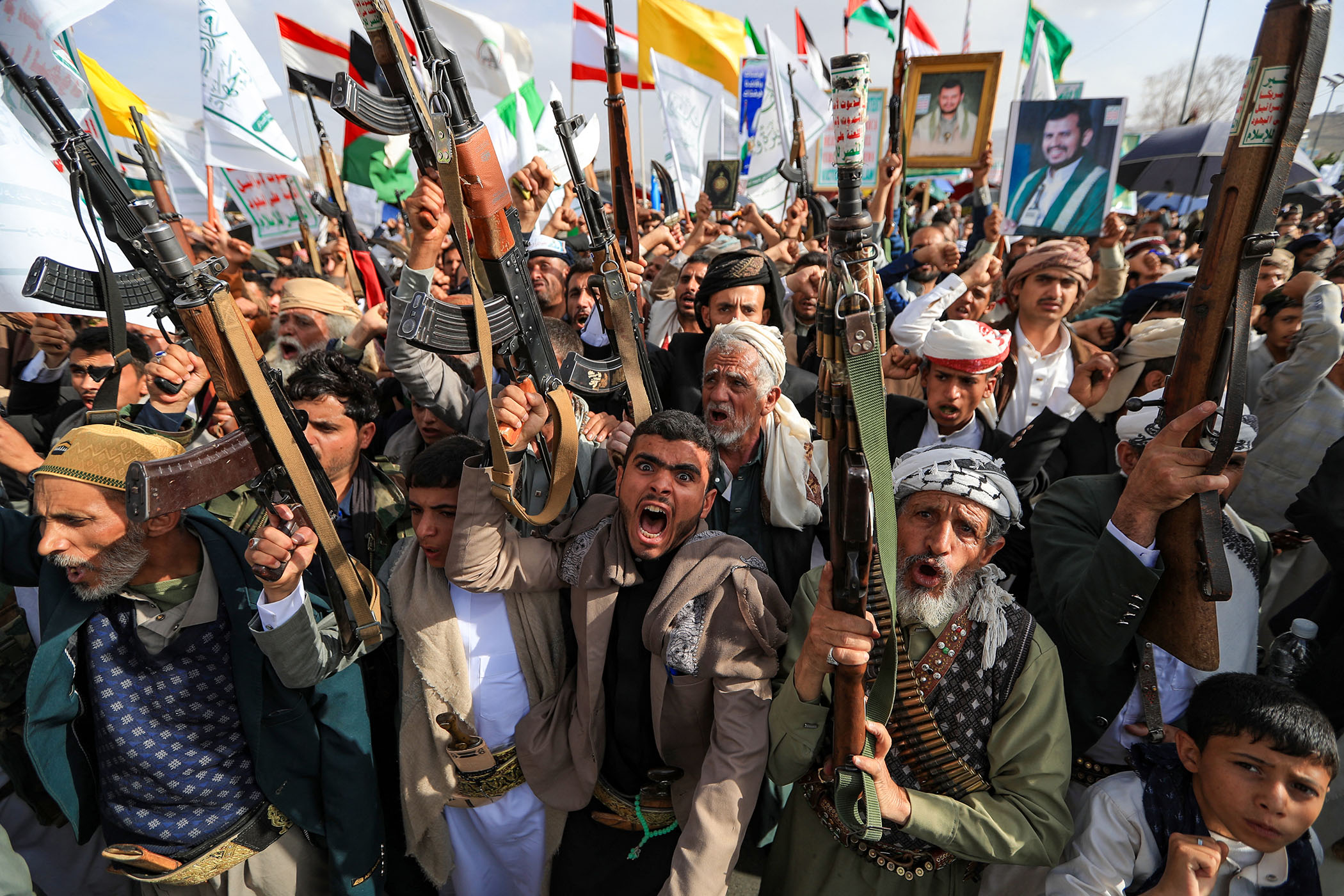
RM Iran’s parliamentary speaker has said US military assets, as well as Israel, would be legitimate targets if there is an American strike. The country’s foreign minister has said that Iran is ready for war if the US chooses to test Iran, and that they are prepared for all options.
XG Have the last few days shown the fragility of the regime or its strength?
RM This is the fourth round of protests in Iran since 2017. It has been the largest and most threatening to the regime. The discontent has a broader base among Iranian society than any point in the past. This includes members of the more conservative religious communities. These protests have been across the country, among different sections of society, different age groups, and for different reasons. There have been demonstrators saying: “We will risk our lives to see the end of this regime.”
‘There is a sense that this regime has never been under such pressure…there is a feeling of long-term fragility’
‘There is a sense that this regime has never been under such pressure…there is a feeling of long-term fragility’
Ruth Michaelson
But the regime has unleashed a level of violence that seems designed to cut off any future dissent. It is trying to rule solely through fear and has all but admitted that it is not able to change the conditions, including the punishing cost of living, that drove people onto the streets in the first place. There is a sense that this regime has never been under such pressure from within and also so clearly threatened by external powers, including the US.
There is a feeling of long-term fragility. At the same time, we haven’t seen any defections from within the security services, military or other parts of the regime. If anything, we’ve seen a consolidation of power to smother and repress the protests. While it looks unlikely that this regime will fall tomorrow, it is facing internal and external challenges that only raise more questions about how it might survive.
Photograph by UGC via AP