
Again planes in the sky, sirens, combative commentators in the studios, a volume of cliches hazardous to one’s health, and Churchillian speeches floating in the air. An overwhelming majority of Israelis support this war, even though only a few months ago we had already “won” it absolutely. And I? Once again, I am against it. I am opposing this war. I know who spun the web in which President Trump has been caught. I understand his cynical and malevolent motives, and I know that neither he nor his friend in Washington has the faintest idea what they want to happen here the day after. How, then, can one support this?
Israeli society has been wounded since 7 October. The feeling that there is no alternative is emotionally understandable. In the midst of collective trauma, Israelis seek to silence all criticism. Every doubt is portrayed as a lack of loyalty, and public discourse has narrowed dangerously. Precisely at this moment of near total consensus, there is a duty to raise a different voice – one that pauses to ask not only whether we can strike, but to what end, “What For?”
Wars do not conclude anything. They only begin or continue a chain. This is not an ideological slogan but a consistent historical pattern. Almost every conflict begins with the conviction that this is the final round, that this time decisive victory will bring long years of peace. In practice, military victories create the next generation of hatred. At the end there are more wounded, and far more extremists. This is not shallow pacifist naivety, a peacenik indulgence, but a sober reading of what happens to societies that become addicted to power and recognise no language other than the language of force.
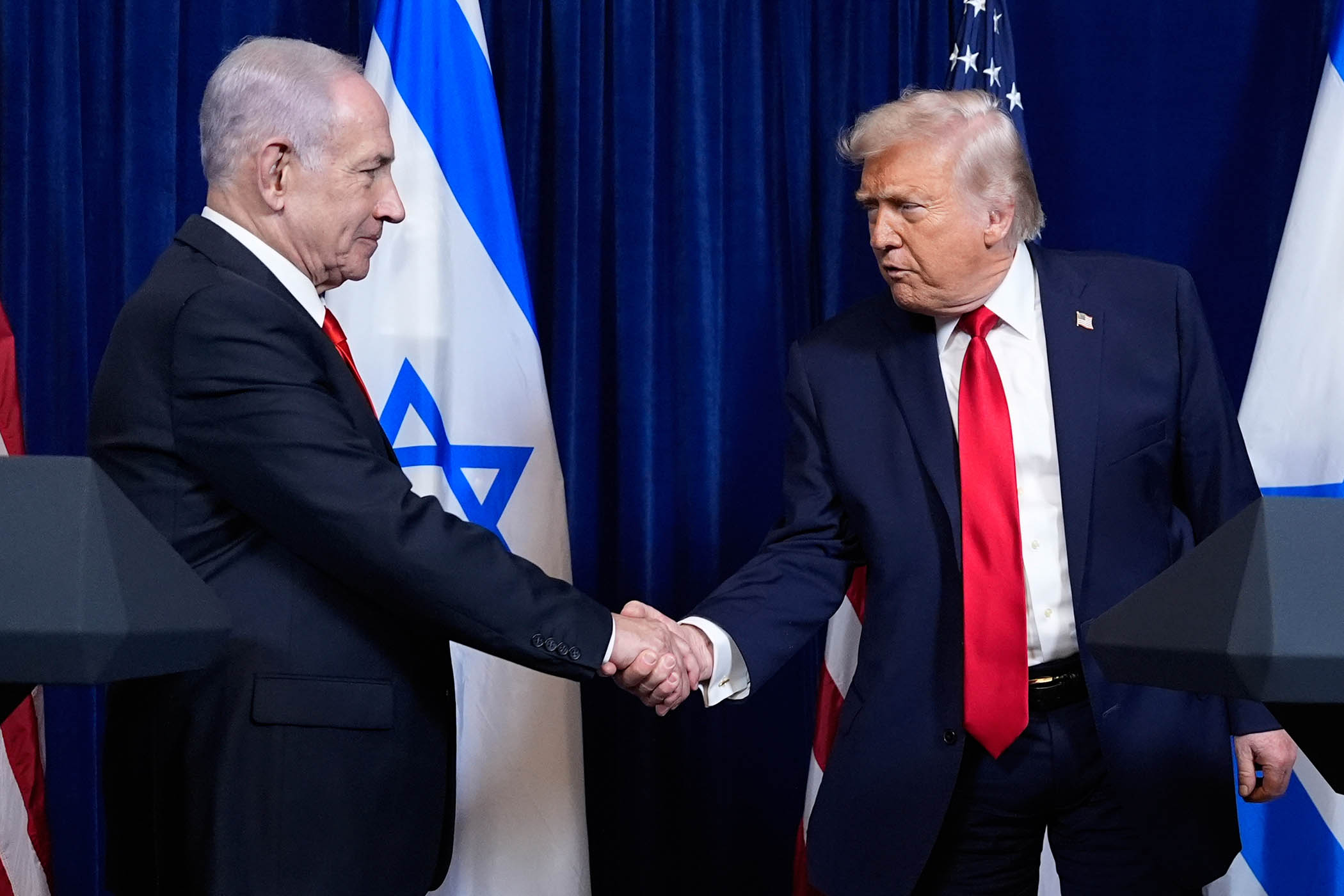
Israeli public consciousness did not take this shape by accident. For decades, minds were flooded. A single, consistent narrative fed our awareness: Iran is an absolute existential threat, with no answer other than obliteration. This was Benjamin Netanyahu’s life project. From speeches at the United Nations to appearances before the American Congress, from melodramatic presentations to relentless pressure on every administration in Washington, an emotional and intellectual framework was built that made war seem like the only natural option. When the moment arrived, and Trump felt compelled to display global resolve, the ground was already prepared. Trump was caught in a trap Netanyahu had set. The result is clear: American entanglement serving Netanyahu’s political survival more than any attainable and clearly defined strategic objective.
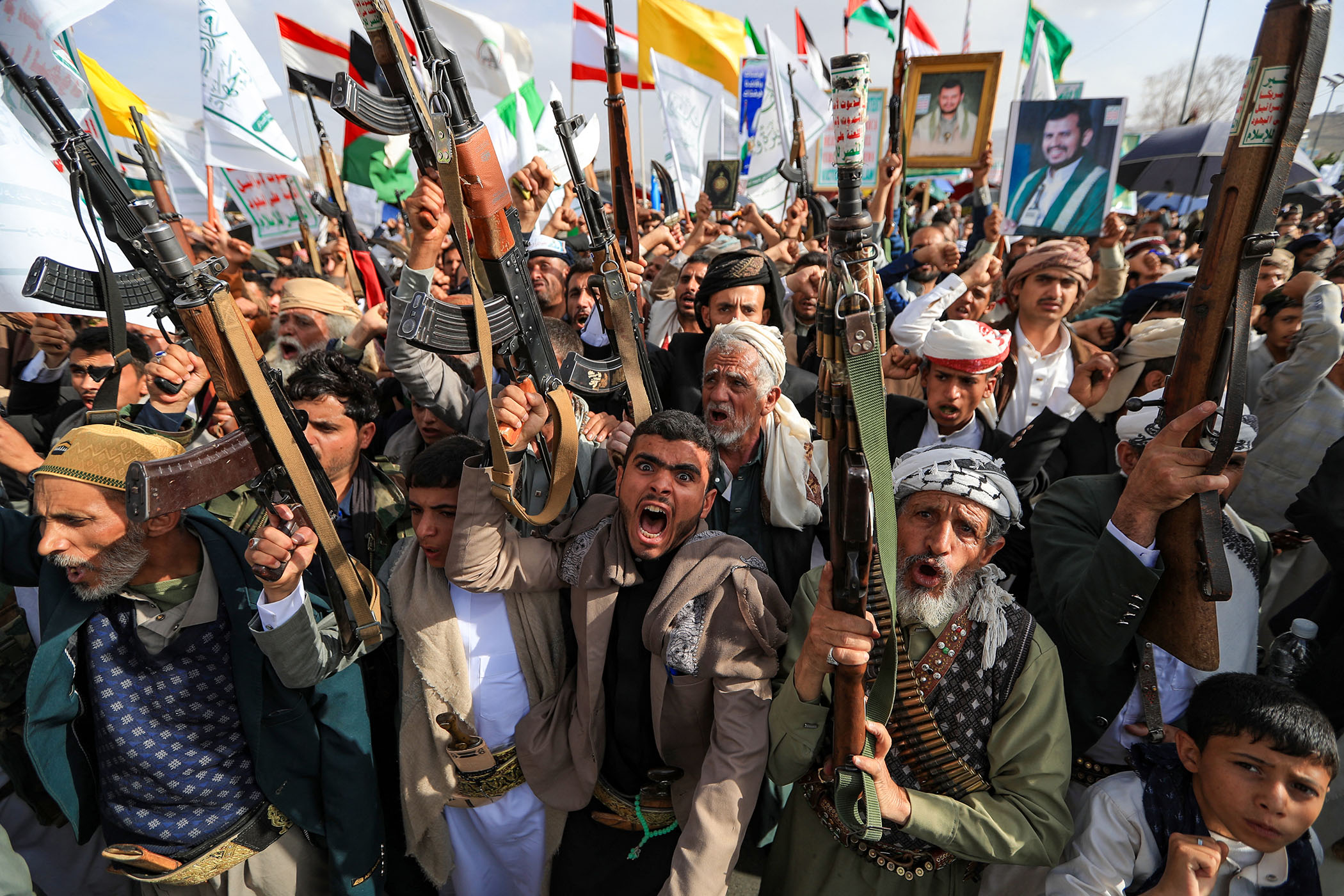
In the midst of collective trauma, Israelis seek to silence all criticism
In the midst of collective trauma, Israelis seek to silence all criticism
I harbour no illusions about Tehran. The Iranian regime is cursed. It oppresses its citizens, persecutes dissidents and deploys violent proxies across the region. Anyone who witnessed the suppression of protest in Iran’s streets cannot remain indifferent. But the question is not whether the regime is dreadful. The question is whether its dreadfulness mandates a war of this kind. Where were you in Crimea and Ukraine, in Ethiopia and Sudan? Where was this military fervour when North Korea built its nuclear arsenal and displayed intercontinental ballistic tests? There, the world chose deterrence, sanctions, isolation, cautious engagement. Not out of admiration for that regime, but from an understanding that total war could spiral into catastrophe. Why does that logic apply in Pyongyang but not in Tehran?
There is yet another dimension, one uncomfortable for public discussion. Israel itself has lived for many years under a policy of nuclear ambiguity. The arsenal is undeclared, yet no real secret. It is the core of Israeli deterrence. If we believe in our right to rely on deterrence as the foundation of security, it is difficult to argue that deterrence is meaningless when it comes to our adversaries. This selectivity reveals that we are dealing less with a universal principle against nuclear proliferation and more with a cynical geopolitical manoeuvre wrapped in rhetoric of existential necessity. And in truth, I struggle to be moved by the crocodile tears of the US president and Israel’s prime minister for the “poor Iranians”, when 40km from my home Gaza is dying, and these two do not care at all.
A war with Iran is not another limited round. It could open parallel fronts, destabilise regional economies and draw Israel into a prolonged confrontation with a country of vast territory and immense population. Even in a scenario in which nuclear facilities are successfully struck this time, the result would not be stability but a humiliated and enraged regime and fanatics looking for revenge. A fractured Iranian public might rally around a torn flag. And when the response comes, we will once again be told that there is no alternative. There you have the vicious circle at birth, escalation feeding itself.
I raise this voice because precisely now, convenient silence is too easy a choice. Patriotism is not only the ability to fight. At times, it is also the courage to ask whether war is truly the only way to defend one’s home. And this time, once again, the answer is no. With a capital N.
Avraham Burg is a former speaker of the Knesset
Photograph by Alex Brandon/AP
Newsletters
Choose the newsletters you want to receive
View more
For information about how The Observer protects your data, read our Privacy Policy