


Pressure is mounting on Washington to publish evidence that a catastrophic intelligence failure was probably responsible for a strike on a school in southern Iran that killed at least 175 people, the majority of them children.
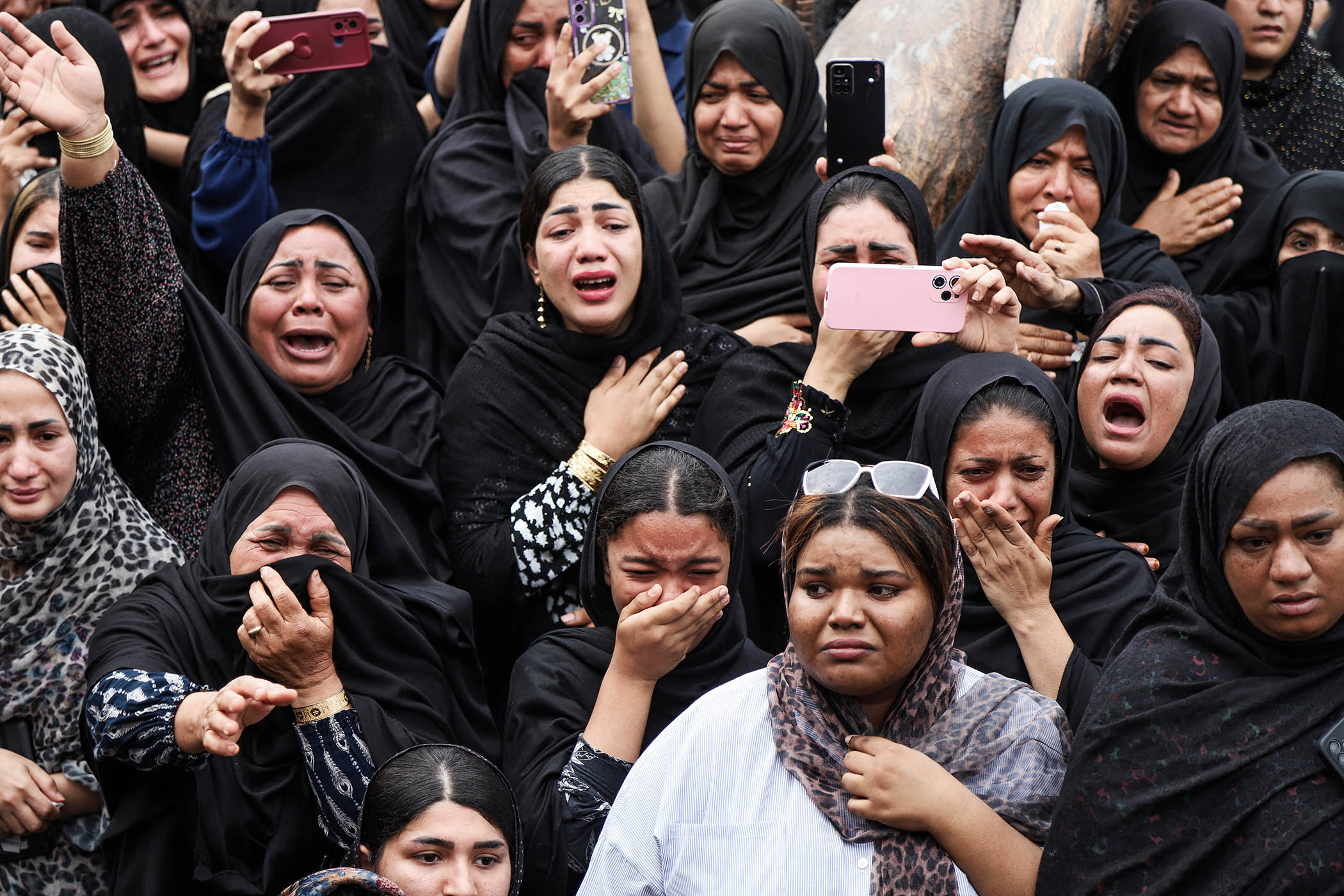
It was hours into Saturday-morning classes when a missile struck the Shajareh Tayyebeh primary school in Minab on the first day of the war. State media showed crowds digging through a mountain of shattered concrete with hopes of finding survivors, but pulling out only schoolbooks and backpacks. Days later, hundreds of residents of Minab lined the streets to mourn the dead, pallbearers carrying small coffins covered with Iranian flags. Most of those who died were schoolgirls under 12: the school taught girls in the morning and boys later in the day.
The US military has launched an investigation since the strike and a growing body of evidence already indicates that Washington was responsible. The New York Times and Reuters reported that initial findings suggest the US launched the missile that struck the school in the worst single civilian casualty event in the war and potentially one of the deadliest American strikes on civilians in recent history. Iranian state TV displayed images of the missile fragments, while analysis by CNN found these were consistent with a US-made Tomahawk cruise missile.
The attack shocked even opponents of Iran’s regime and has served as a rallying cry for its supporters. Mohammad Bagher Ghalibaf, Iran’s hardline parliamentary speaker, has vowed to “avenge the blood of Iran’s innocent and oppressed children”.
Donald Trump sparked widespread criticism when he suggested Iran could also possess Tomahawk missiles – a claim that was immediately debunked – and that Tehran was responsible for the strike. He then shied away from questions about why he is the only one to make such a claim; other members of his administration, including the defence secretary, Pete Hegseth, have said the incident remains under investigation.
“I just don't know enough about it,” Trump said. “I think it’s something that I was told is under investigation, but Tomahawks are used by others, as you know.” He then added: “But… whatever the report shows, I’m willing to live with that report.”
That the school was targeted was probably the result of a key intelligence failure, according to Yousef Riazi, an Iranian military analyst, who reviewed satellite imagery of the school before and after the strike. A Reuters investigation found the school had a significant online presence, with a website showing pictures drawn by its pupils, as well as a local business listing.
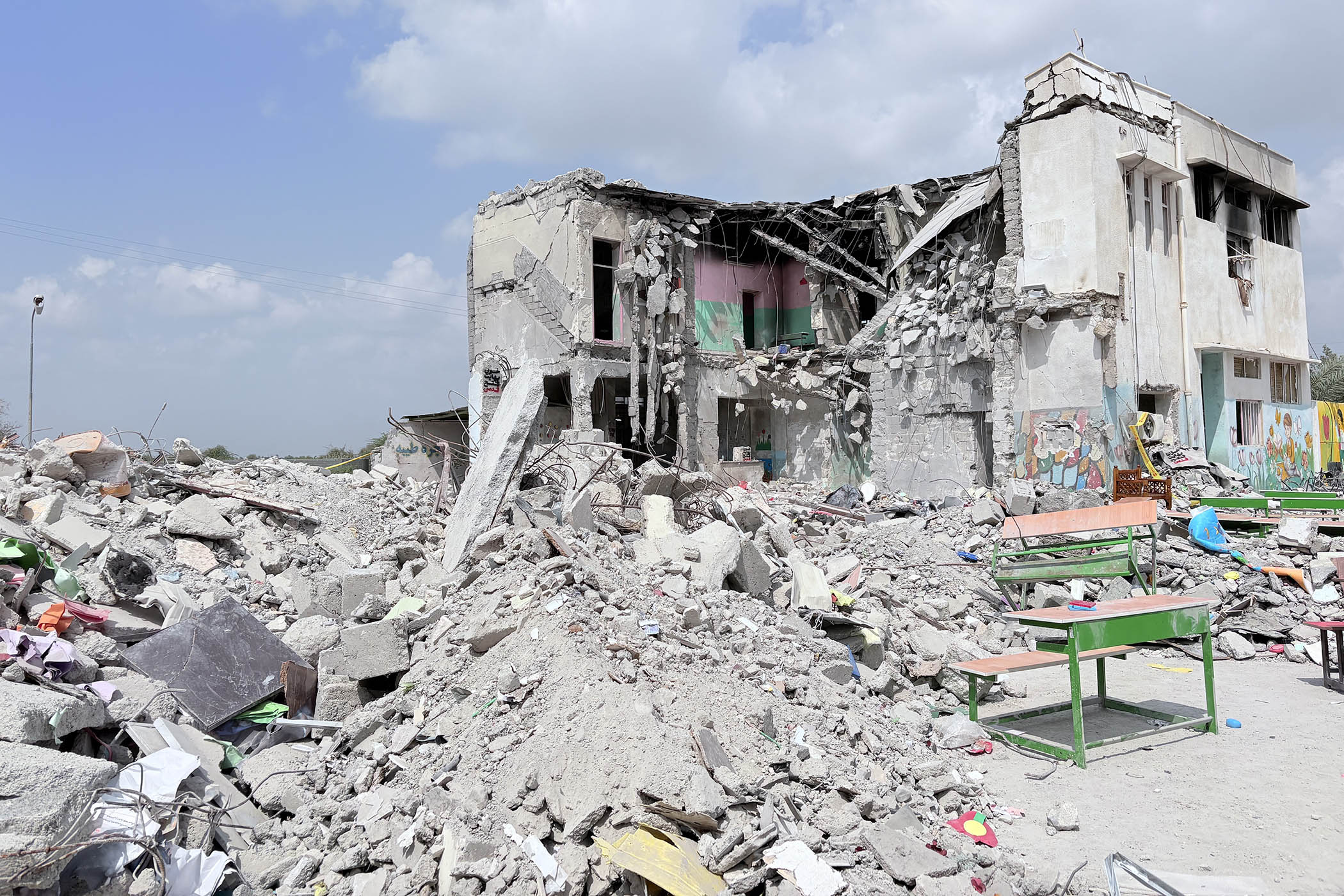
Shajareh Tayyebeh sat on the edge of a military base run by the Islamic Revolutionary Guard Corps’ (IRGC) naval force on Iran’s southern coast. Satellite imagery analysed by Riazi and The Observer showed how parts of the base, including the school and a pharmacy, had been walled off to separate them.
Israeli media reported that the US assumed responsibility for targeting Iran’s navy, as well as ballistic missile launchers in southern Iran, while Israel focused on attacks elsewhere.
Newsletters
Choose the newsletters you want to receive
View more
For information about how The Observer protects your data, read our Privacy Policy
The US has long conducted reconnaissance across the region, Riazi said, and satellite images indicate the wall separating the school from the rest of the military base was built a decade ago.
Poor intelligence sourcing, Riazi said, could have indicated that the school was still part of the military base. “But they are monitoring Iran’s southern coast – we are talking about hundreds of sorties – so this kind of grave mistake doesn’t make sense.”
Riazi counted evidence of six strikes on the IRGC base – the seventh hit the school. A source in Minab told him he heard “loud explosions right after one another, indicating all were struck at once”. It is also possible that a fault or Iranian GPS jamming meant a guided missile went off target and hit the school, Riazi said, but the other six strikes on the base would have affected the school building even if the seventh had not occurred.
A US defence official told The Observer: “We are aware of reports concerning civilian harm resulting from ongoing military operations. We take these reports seriously and are looking into them.”
Last week, a group of 40 US senators demanded Hegseth and his department answer questions about potential US involvement in the strike on the school, the decisions leading up to it and if AI was used to select targets.
Photograph by Amirhossein Khorgooei/ ISNA / AFP via Getty Images, Anadolu via Getty Images