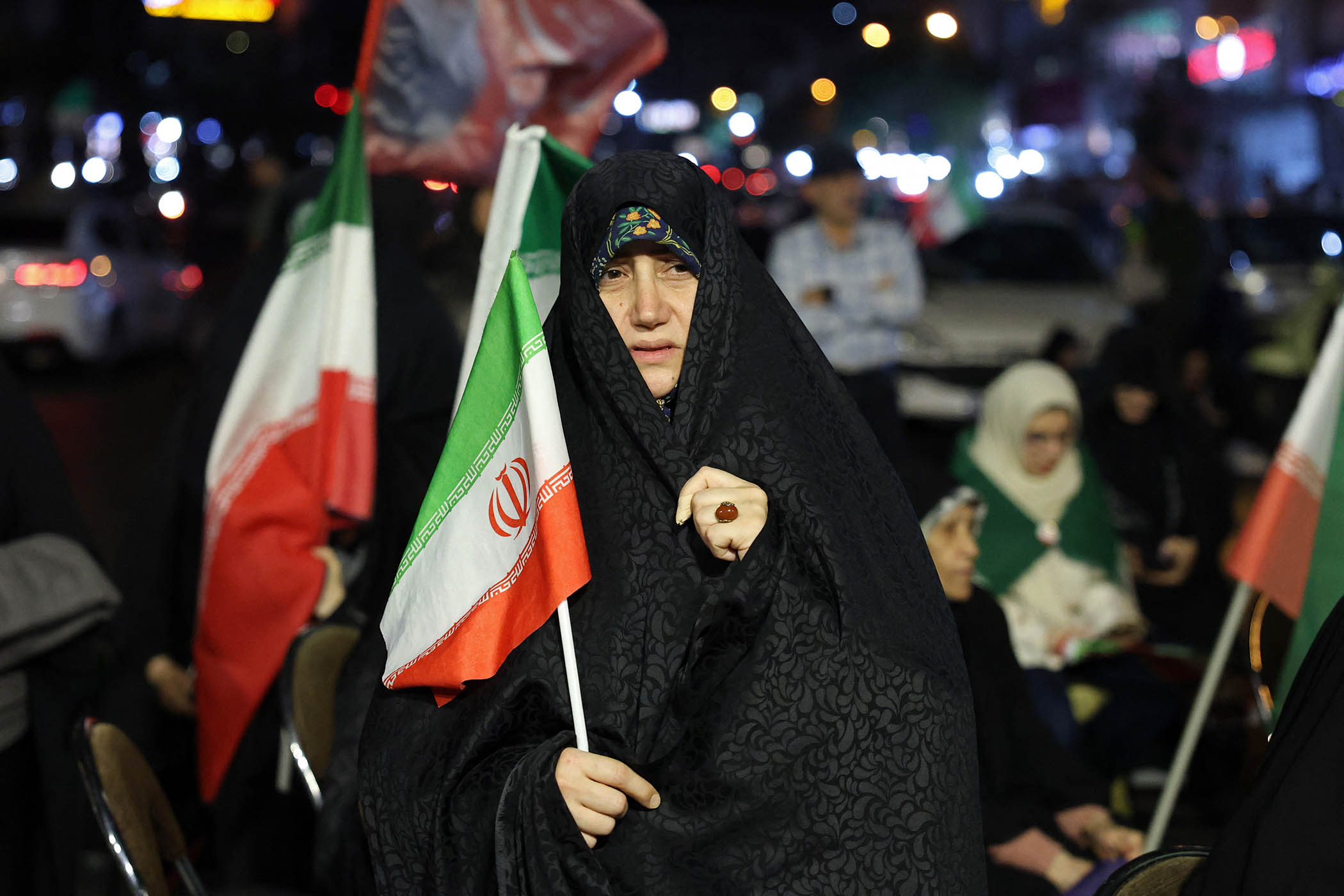
In the space of a week, the war launched by the United States and Israel against Iran has embroiled some 16 nations around the world. Around a thousand people are believed to be dead, though that number will surely rise. The potential for Iran to fracture, with all the unrest and instability that will lead to, has dramatically increased. Gulf states that built their success on safety have had that illusion shattered.
This has swiftly become a naval conflict too. Iran has cut off access to the Strait of Hormuz, Yemen’s Houthis have promised to restart attacks on ships sailing through the Red Sea corridor, and the US has gleefully torpedoed an Iranian warship. The latter attack, incidentally, has angered India: the ship the US struck was returning from an international naval exercise hosted by Delhi.
Cyprus aside, there have been no attacks on Europe. But the rising price of oil and gas, the delays to international trade caused by blockades and the possibility of people fleeing will all have a material impact on the continent.
This may not be a world war, but the world is undoubtedly at war. And yet, over the course of the week, while Donald Trump has been changing his story from hour to hour as to why the US went to war and how it might end, the rest of the world’s democratic leaders have been struggling to come up with a response. In fact, his administration now insists it is not a war at all but a “mission” or “operation”.
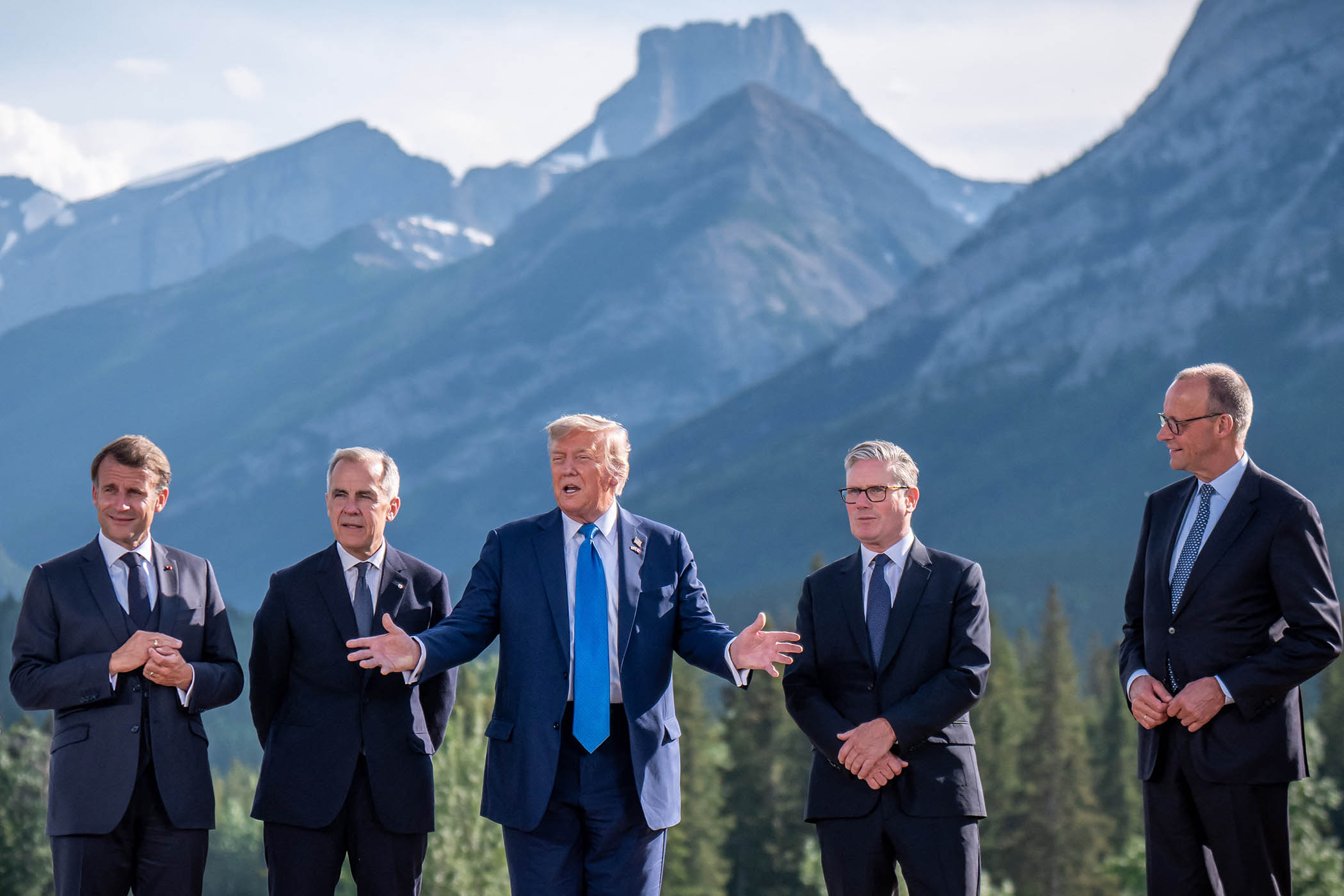
Just a month ago at Davos, Mark Carney was urging the middle powers, as he described them, to come together. This is their first test — and so far they’ve failed.
Carney, himself, has failed more than most. Within hours of the US and Israel launching their unplanned war, the Canadian prime minister said his nation “supports the United States acting to prevent Iran from obtaining a nuclear weapon and to prevent its regime from further threatening international peace and security”. Carney has spent most of the week walking that initial praise back. By Wednesday he was lamenting that “these actions are inconsistent with international law”.
Britain’s Keir Starmer, France’s Emmanuel Macron and Germany’s Friedrich Merz, have had similarly bumpy weeks. Their initial joint statement was striking for its absence of any mention of the US and Israeli attack - instead they criticised Iran’s response and called for “a return to negotiations”. Perhaps we should be pleased that they refused to support Trump and Netanyahu’s war - but their cowardly refusal to actually say that has put them on the back foot. Such a statement, made on day one, would have completely changed the discourse around the conflict.
Starmer has since tried to walk a narrow path - criticising the legality of the US and Israeli action, while taking part in military operations to defend countries attacked by Iran in response. It should be a popular position - most Britons agree with it - but Starmer’s inability to openly criticise Trump makes it a far harder argument to make. Instead of looking principled, he appears weak.
Merz’s timidity was on full display in the Oval Office on Wednesday. Sat next to a bombastic Trump, he said they were “on the same page in terms of getting this terrible regime in Tehran away”. What’s more, when Trump attacked the only European leader to openly criticise the war - Spain’s Pedro Sanchez - Merz sat there quietly. A fellow EU leader was being threatened, and Merz’s response was silence.
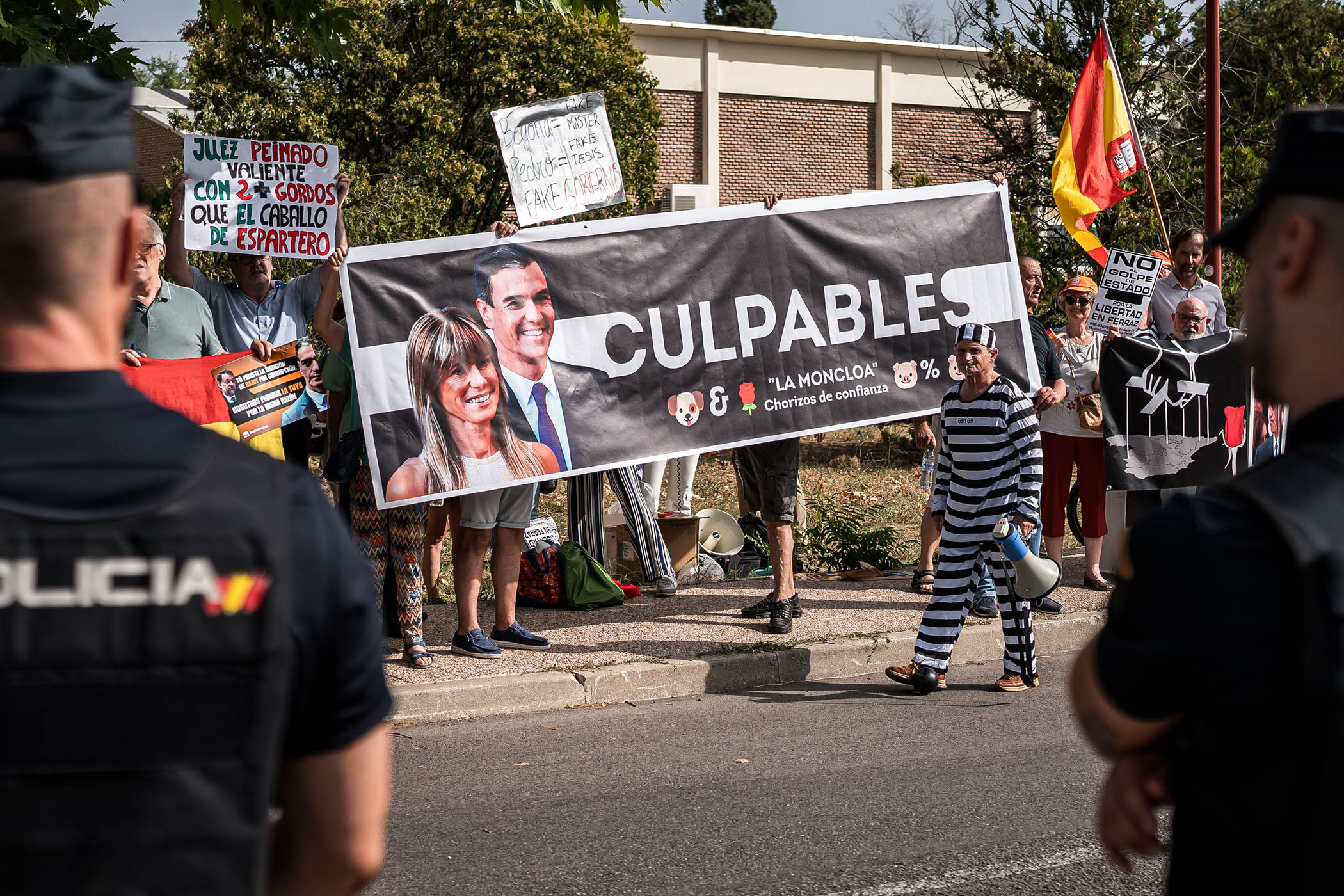
It has been left to Sanchez to make a principled stand. “It is naive to believe that democracies or respect between nations can spring from ruins. Or to think that practising blind and servile obedience is a form of leadership,” he said in a speech on Wednesday. “We will not be complicit in something that is bad for the world and that is also contrary to our values and interests, simply out of fear of reprisals from someone.”
Newsletters
Choose the newsletters you want to receive
View more
For information about how The Observer protects your data, read our Privacy Policy
“Someone” swiftly promised reprisals - but if the rest of the west hoped their tightrope walking would go unnoticed in Washington they were wrong. Hegseth laid into “our traditional allies, who wring their hands and clutch their pearls, hemming and hawing about the use of force.”
Trump has publicly rebuked Starmer on several occasions, even comparing him unfavourably to Winston Churchill.
***
That we are in a new era of impunity has been clear since June last year, when Israel launched its 12-day war against Iran and Trump bombed its nuclear facilities. The US spelt it out in black and white with its new National Security Strategy in December. And if anyone was in any doubt that the US intended to act as it wished - wherever it wished - the capture of Venezuelan president Nicolas Maduro in January put that to rest.
And yet here we are, a week into a reckless war, with no plan from the rest of the west as to how to deal with it.
There have been moments in the past 13 months when the middle powers have used their muscle, most notably on Ukraine. After being blindsided by the Russian-written US peace plan, they rushed to meet, thrashing out an alternative and then persuading Trump's envoys to change direction.
Given the possibility of the attacks on Iran spiralling into a long-lasting regional war, the middle powers need to show the same urgency now - regardless of what Trump may threaten.
To start, they need to meet. If they can arrange a summit to discuss Ukraine, they can arrange one to discuss the reckless and illegal launch of a global war.
Secondly, they need to stand up for each other. If Trump belittles Starmer, Macron needs to hit back. If Sanchez is threatened in the Oval Office, the German chancellor needs to respond, not sit there smiling meekly.
Thirdly, they need to speak plainly. Take on Trump, take on Hegseth. Make clear why their actions and rhetoric are not only wrong but also dangerous.
The world is at war and there is no way of knowing how it will end. The least the last remaining liberal democracies can do is work together to stop it.
Photograph by Michael Kappeler/POOL/AFP via Getty Images