
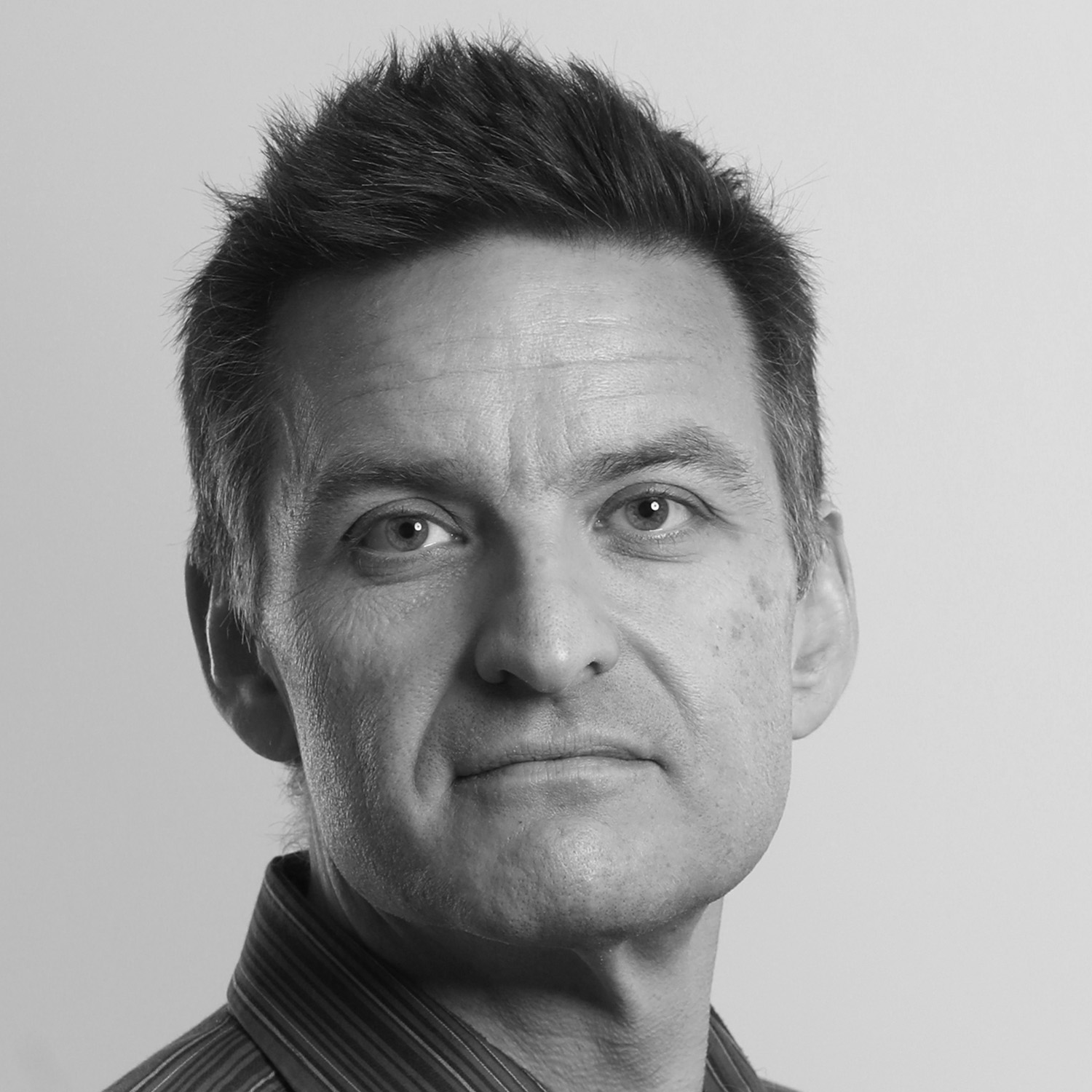


Jon Snow, the former Channel 4 News presenter, is one of fewer than 200 people out of 200,000 diagnosed with Alzheimer’s each year who chose to take part in clinical trials studying the disease.
The lack of trial participants is a serious barrier for researchers tackling Alzheimer’s and other dementias, which affect at least 1 million people in the UK, according to charities.
They have called for the government to change how dementia is diagnosed so that patients get earlier treatment. “A third of people never get a diagnosis,” said Richard Oakley, associate director of research at the Alzheimer’s Society. Of those that do less than 2% are told which disease they have, and it takes up to two to four years to find out, on average.
“It’s very difficult to recruit people into clinical trials in that situation, and the numbers are pretty bad,” Oakley added.
In 2024, only 173 people were recruited into late stage clinical trials with government funding in the UK, he said. “That’s nine times fewer than for stroke or heart disease, and 25 times fewer than for cancer.”
Why do so few people sign up? Diagnosis happens too late and people are not aware they might be able to take part in a trial, according to Susan Kohlhaas, executive director of research at Alzheimer’s Research UK. Because the diseases lead to forgetfulness, it can also make it harder to get consent to take part.
“We’re primed to make a lot of progress in research, but we can’t do that without people taking part,” Kohlhaas said. “Every delay slows the search for new treatments, so it’s great that Jon has shared his news, and we hope that encourages people to both seek out a diagnosis and consider taking part in research as well.”
Ministers are drawing up a dementia plan for the NHS in England, expected to be published this summer.
“It’s a once in a generation opportunity to make sure dementia is treated with the same urgency as issues such as cancer and cardiovascular disease,” Oakley said.
In 2024, the government set up the £50m UK Dementia Trials Network to coordinate trial recruitment and progress around the UK. The Alzheimer’s Society is also recruiting 17 research nurses to discuss opportunities to take part in research, including drug trials, with patients who have just received their diagnosis.
Newsletters
Choose the newsletters you want to receive
View more
For information about how The Observer protects your data, read our Privacy Policy
Kohlhaas said that in spite of the difficulties, dementia research was “moving faster than ever”. “We’ve got blood biomarkers that are able to detect and actually tell you specifically whether you’ve got Alzheimer’s disease,” she said. “We’ve got much better diagnostic tools. We’ve got a first generation of treatments that actually tackle the underlying biology of the disease and slow its progress.
“We need continued investment in research, faster diagnosis, better access to clinical trials, and investment in healthcare systems that are ready to deliver that innovation in the real world.”
Although early-onset dementias are more likely to be inherited, most are not and nearly half of cases can be avoided, Oakley said, through a healthy diet, regular exercise, not smoking, drinking less alcohol and having varied social contact.
No one is sure why, but those that do suffer Alzheimer’s experience a build-up of proteins in their brains, particularly amyloid and tau, in their 30s and 40s.
The proteins – long chains of molecules that move through our bodies – tangle up and our immune systems become unable to clear them. “As you see tau build up, you start seeing the death of the cells,” Oakley said.
Since our brains are good at finding workarounds, it can take 15 or 20 years before people start experiencing symptoms.
“It’s like we’re waiting for 20 years for the equivalent of stage IV cancers and then treating them,” Oakley said. “That’s why we think giving treatment earlier will be much more effective.”
Drugs such as donanemab have been shown to clear amyloid from the brain, but have only shown a modest impact on memory and cognition. But there are side effects: doses are high because the blood brain barrier stops much of the drug from reaching the brain’s neurons. Roche has created trontinemab, which used “brain shuttle technology” to ferry the drug across. A clinical trial is expected to report on its effectiveness later this year.
Other early stage drugs are targeting the tau protein, with a project by Biogen at University College London involving neurologist Cath Mummery passing a safety trial last February. Results are expected later this year.
Photograph by Danny Martindale/WireImage