

Listen to Foundling here or wherever you get your podcasts
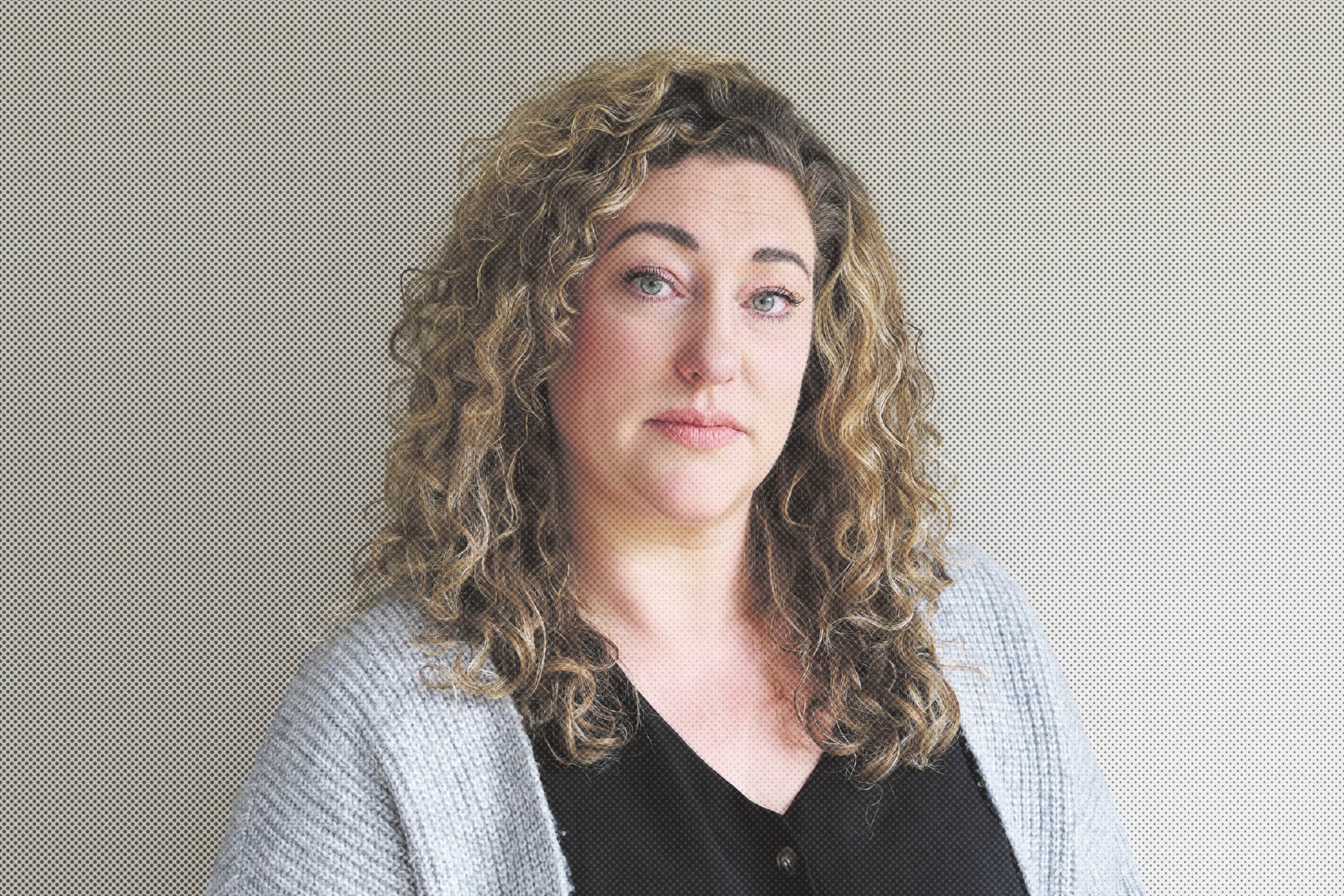
Jess was a child, parked outside a B&Q, when her father told her the truth about how she had arrived in the world. She’d always known she was adopted, her parents hadn’t hidden that from her, and in her young mind she’d imagined a story of forbidden love. But her beginnings, her father told her, were very different…
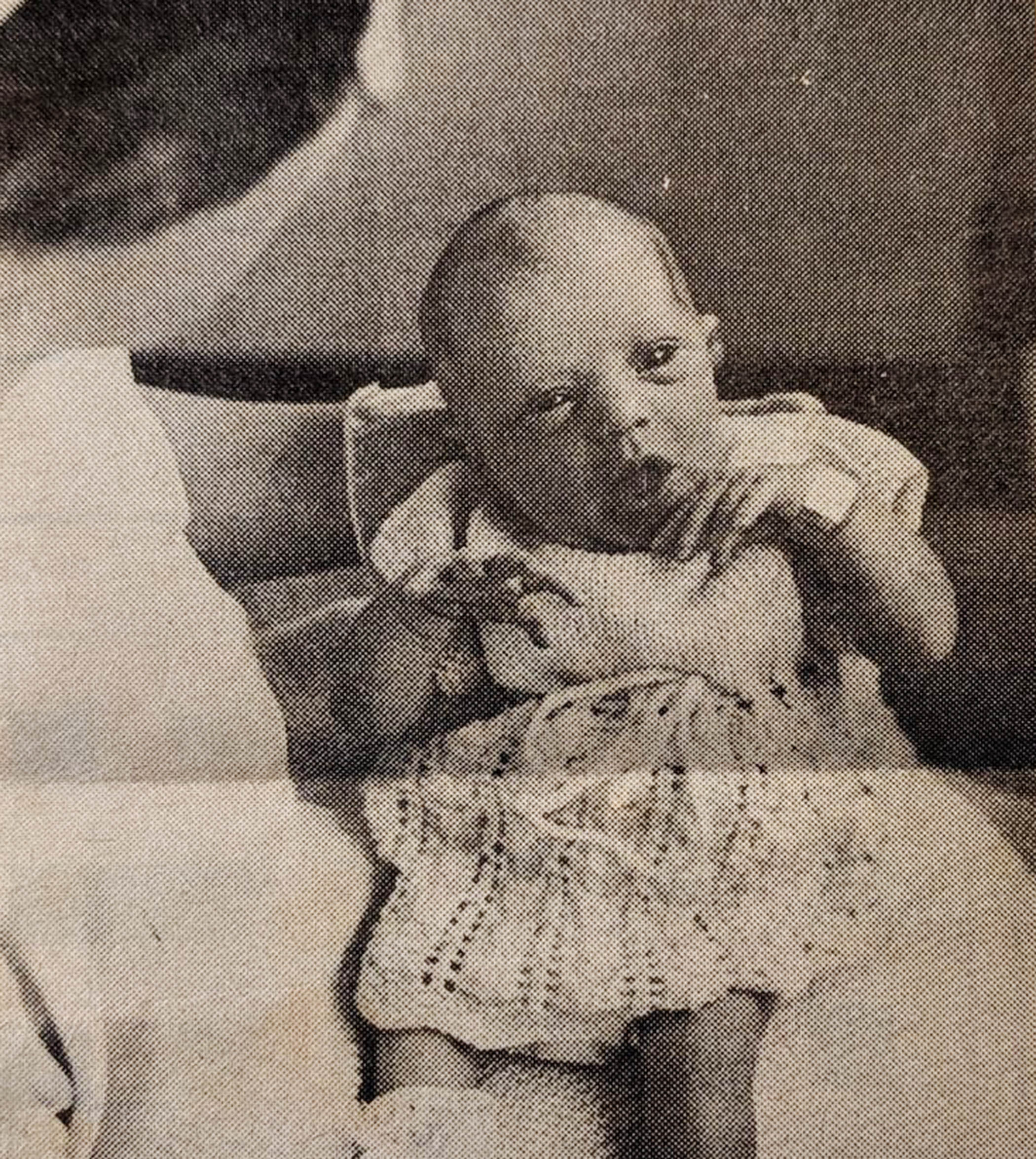
Jess hadn’t been given up to an agency, or a hospital ward. She had been found abandoned on the grass verge of a remote country lane in Suffolk in October 1987, half wrapped in a Sainsbury’s shopping bag. Just hours old, she lay there until a local nanny drove by and spotted her. She was transferred to hospital, in Ipswich. Hours later, a torrential storm broke out. Her tiny life had been saved. She was to be a rare foundling – one who lived.
For Jess, the revelation about her arrival in the world acted like a slow poison. “It’s like your roots are bad,” she says now. “You’re rotten. You’ve come from someone who can discard a baby.” The news permanently altered her childhood. “It broke my world, and this perfect little family I’d been brought up in.”
She began to pore over newspaper cuttings. In those columns, she learned that a police investigation had been launched to find her mother. Officers had knocked on doors in nearby villages. A special phone line was set up. The police pleaded in newspapers and on television for someone to come forward. But nobody did. In the end, the investigation ran out of steam and was shelved.
But for Jess, the absence of an origin story burned a hole in her life. There is a need, in all of us, to fill in the blanks of our own existence; to understand our own story in the world. It is enshrined in law, too. All adopted children in the UK have the right to find out where they come from. The UN also recognises that children have a right to an identity; to know as far as is possible who their parents are. For Jess, this meant becoming a detective investigating her own birth.
‘Of all the places you could have left me, you’ve left me somewhere that nobody goes’
‘Of all the places you could have left me, you’ve left me somewhere that nobody goes’
Jess
I was eight when Jess was found. I lived nearby and, to me then, there was something irresistible about the story – and it has haunted me ever since. I went on to build a career in radio but recently decided to reinvestigate the story. I wanted to know what it does to a person, to know they were abandoned at birth.
More unsettling were the questions I had for her mother, a woman who had never been identified. What would drive a woman to leave a healthy baby girl in a plastic bag on a country lane? After tracking Jess down, she agreed to let me accompany her on this journey of discovery. We had a single question: who left a newborn on that grassy verge, alone, as the rain clouds gathered, 39 years ago?
Throughout time, babies have always been abandoned or given up to others. The numbers have fallen as a woman’s place in the world has become less violently uncertain. Infant exposure was widely practiced during the Roman empire. Foundling wheels – rotating wooden boxes built into the walls of churches or convents, so babies could be left anonymously – appeared across medieval Europe.
In 18th-century London, about 1,000 babies were abandoned every year, inspiring philanthropist Thomas Coram to open the Foundling Hospital in Bloomsbury. By the 1980s, about 10 babies were abandoned a year, but that figure is far from definitive, as it does not include those babies found dead, or later reunited with a parent.
Newsletters
Choose the newsletters you want to receive
View more
For information about how The Observer protects your data, read our Privacy Policy
The idea of the foundling has always fascinated us. Moses in the bulrushes, Mowgli in the jungle, Oliver Twist on the mean streets of London. Until the advent of DNA, the foundling was the ultimate unsolvable mystery – a person and a puzzle that nagged at the very idea of the ties that bind us to each other.
By the time she turned 21, Jess felt a burning curiosity to pull at those ties. Despite having a happy family life with her adopted parents and sister, she couldn’t ignore the question of her origins. “I wanted to get to the bottom of it. Just the whole Sherlock Holmes situation of it all. I wanted to figure it all out,” she says.
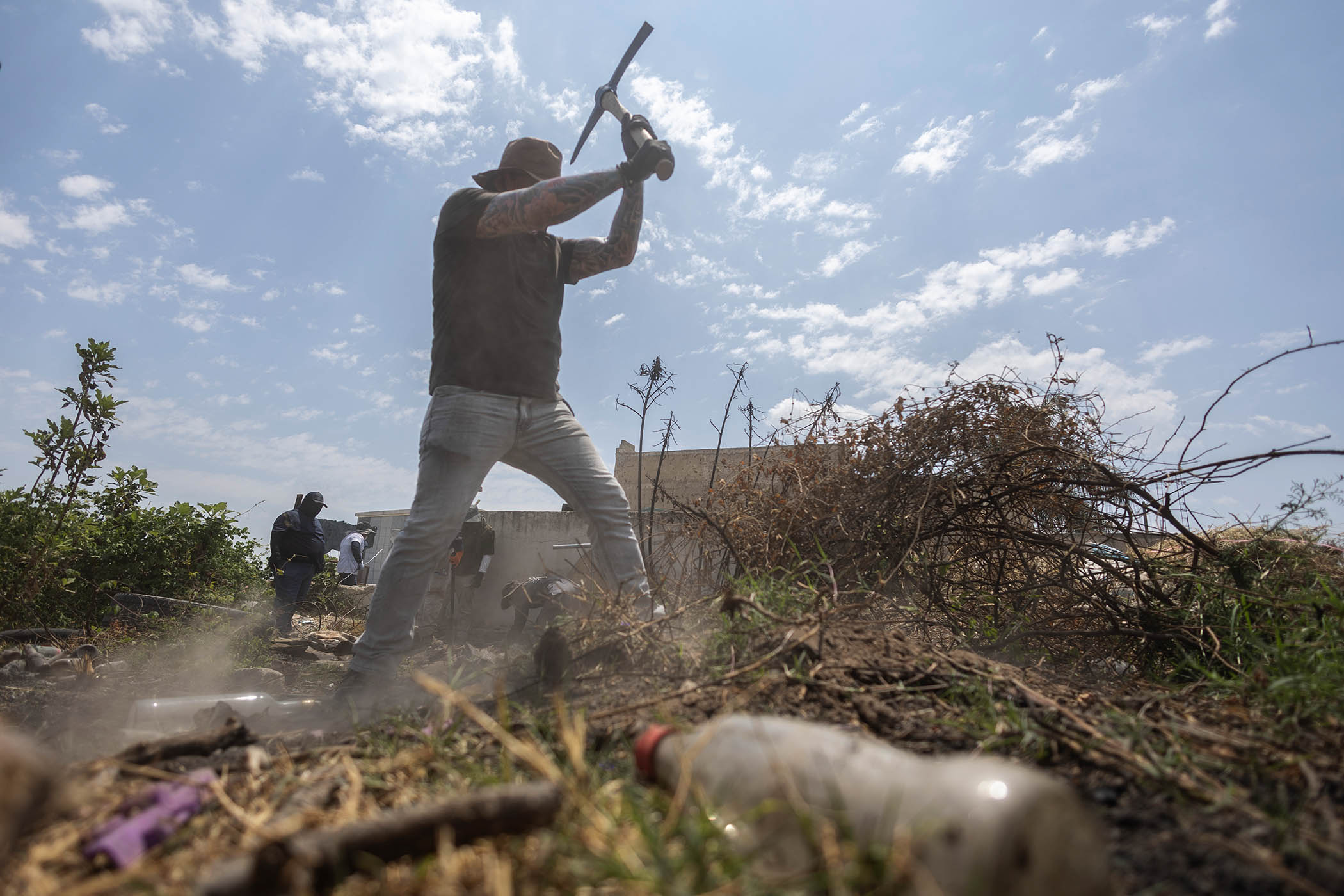
In 2008, she set off with a friend to find the verge she was left on.
In the newspaper cuttings given to her by social workers and her adoptive parents, it had variously been described as: “the side of a quiet road”, “a lonely roadside verge”, and “the side of a lane near Ipswich”. Knocking on doors, she met an elderly woman, Jean, who remembered everything about that dramatic day when police put crime scene tape in the lane behind her home. Together they drove to the spot where Jess had been found. Once there, Jean gave her a clue.
What had cemented my fascination with Jess’s story was that my family had known the person who found her. Jennifer, the 18-year-old nanny, had looked after the children of some family friends. On local TV news, Jennifer recounted catching sight of the baby: “Its feet and hands were bluish, but it was perfectly happy and very, very sweet as well.” She described how she had wrapped the baby in a jumper, taken her home, and called the police.
Jean also remembered Jennifer. There had been rumours about her at the time, she told Jess. What made her stop and look at a plastic bag beside the road? There was often rubbish strewn around. The story didn’t make sense, Jean said. Locals had wondered whether Jennifer knew more than she was letting on. A former police officer involved in the initial investigation told her the same: find the nanny. So Jess went in search of Jennifer. In the cuttings she found the nanny’s surname, then messaged everyone by that name she could find on Facebook. Two days later, she got a reply. “Yes, I did live there. I was a nanny there… Does that help? Jennifer.” They began messaging each other.
“I’ve been trying to track you down for quite some time just to say thanks, really,” Jess said. “You saved my life. I’m very lucky to be here.”
Jennifer replied: “You’re so very welcome. Right time, right place. The police were a bit full-on to begin with. It was a big thing in a little rural area. I’m glad to have been one of the first people to have met you.
“If I had been asked, I would have called you Rebecca.”
When Jess mentioned the local rumours, Jennifer turned prickly. “I’m not sure why anyone would think I had anything to do with it.” She was confused, she said. “It’s a bit hurtful to think that people are so cruel.” The conversation ended.
It took Jess a decade to figure out that Jennifer was lying to her.
Jess has strong feelings about the verge. She memorialises it because it’s the place where her life began. She once sent me a photo of it with a heart emoji. But its remote beauty is also part of the horror. “Of all the places you could have left me, you’ve left me somewhere that nobody goes, unless you were local. Nobody goes down that lane. Why would you think anyone would pick me up?”
This leads to a difficult question: had her mother not wanted her to be found?
The abandonment of a child under two is an offence, punishable by up to five years in prison. The broader offence of cruelty to a person under 16 includes neglect, ill-treatment or abandonment and carries a sentence of up to 10 years in prison. In the UK, there is no statute of limitations for serious crimes, so even today, someone could be prosecuted for abandoning a baby in 1987. It is no wonder then that in our investigation, Jess and I encountered such resistance.
If we were to crack the case, if Jess was to be the triumphant Sherlock in her own story, her mother – whoever she was – might face serious consequences.
But for Jess, the consequences of not knowing were ever-present. The arrival of her own child in 2013 added a layer of pain and urgency. “It was snowing. I had to take [my baby] home in the snow, and I couldn’t walk,” she recalled. “I remember sitting there waiting for his dad to bring the car, with no one around, just looking at him in his car seat, this tiny bundle, and thinking: ‘Could I leave him right now?’”
A fear that Jess might be as neglectful and numb as she imagined her birth mother to be crept in. “I convinced myself I was as bad as her.” Postnatal depression hit her. “So that’s when it started again for me, because I’d banked it. I really put it away. I really thought I’d handled it. But it dragged it up.”
In 2020, she did a DNA test. What had started as a niche tool for genealogists and forensic investigators had spawned a booming consumer industry by the 2010s. Companies such as 23andMe sold kits to the public as a way to discover ancestry and potentially safeguard better health.
Tens of millions of people had uploaded their genetic data to online databases. The result: vast, searchable family trees that were detonating bombs in families around the globe, revealing long-held secrets.
Jess spat into a tube, sent it to a lab, then waited. She had no expectations, but thought it was worth a go. Her results arrived back a few weeks later, and within an hour, she received a call from a social worker called Ariel Bruce, ringing on behalf of the long-running ITV show, Long Lost Family. Bruce explained she was working on an episode featuring a woman trying to find her family. Jess had pinged as a close match, meaning they shared a significant amount of DNA.
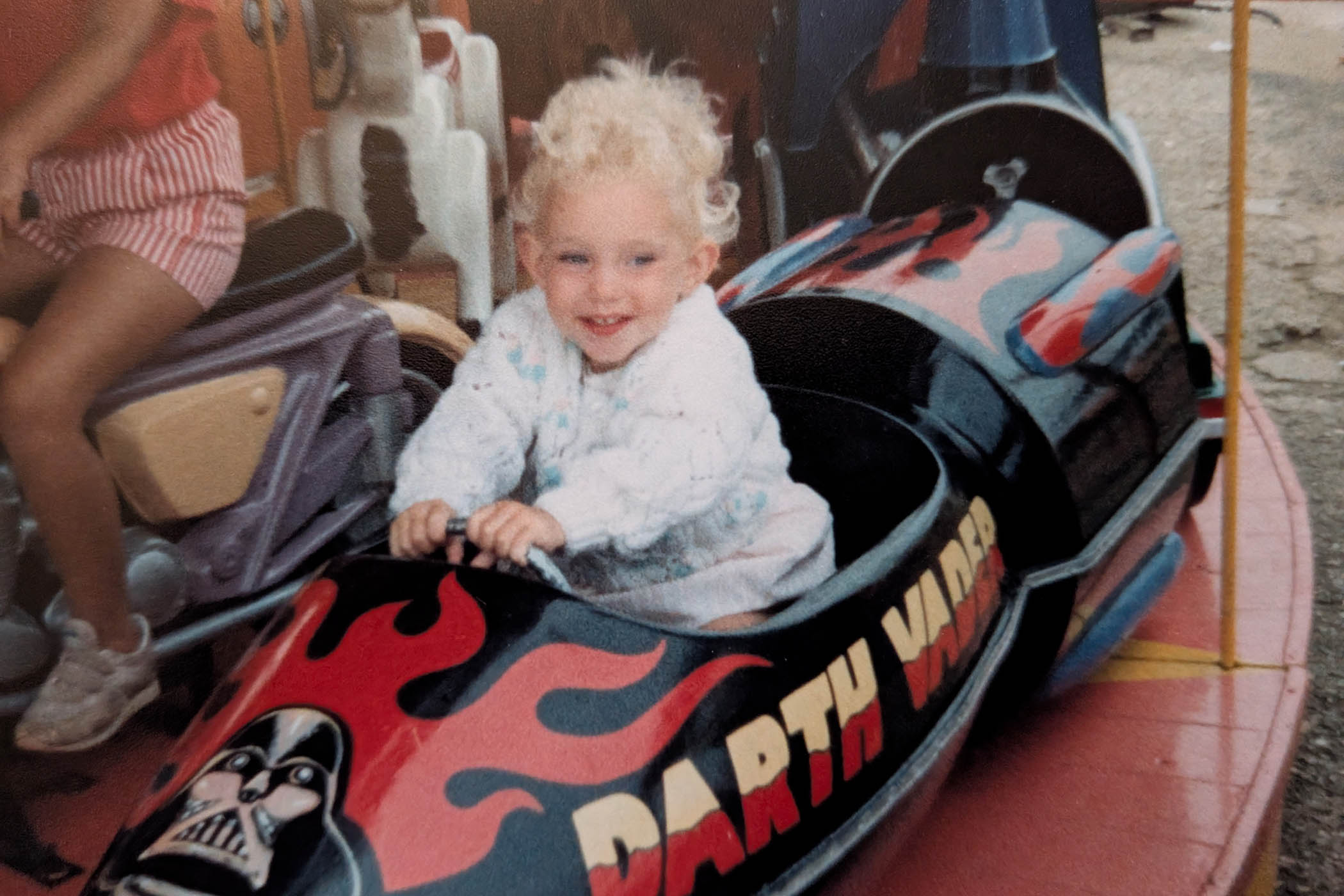
The social worker asked Jess about her upbringing. When she told her she was a foundling, there was a gasp. Within days, Jess was travelling to London to find out more about her half-sister, Helen.
It was only when she arrived that she learned Helen was also a foundling, discovered in a cardboard box outside a hospital in Derbyshire in December 1988, 14 months after Jess had been abandoned. Helen was also looking for her birth mother.
Abandoned children raise fundamental questions about what a mother owes her child; a question impossible to answer without barrelling into the ideas of women and their place in the world as unconditionally loving, self-sacrificing caregivers. But Jess’s mother sits at the extreme – a woman who abandoned two children and has refused to fill in the story of why.
That same month that Jess discovered Helen, another piece of news arrived. A man, responding to a message Jess had left on a family reunion site long before, said his sister had been a nanny in Suffolk in 1987, and that she’d found a baby. He had a hunch, he told her, that she hadn’t just discovered that baby girl – she had given birth to her.
It wasn’t until Jess spotted a detail hidden in her DNA results that she finally felt sure she had the answer to who her mother really was. Jess spotted a surname she recognised – Jennifer’s surname, the name of the woman who had found her.
It wasn’t a guarantee they were mother and daughter, but it was highly likely and, taken with all the other hints and evidence she had amassed, Jess felt the realisation land with absolute certainty.
So why had Jennifer denied it during their exchange? DNA can open doors, but it doesn’t necessarily keep them open. Family is about more than blood. The process of finding her mother was made possible by DNA, but it didn’t bring her closure. Instead, it has brought up painful new questions, and a family history she sometimes wishes she had never recovered.
Listen to our six-part audio investigation, Foundling, on The Observer app
Portrait by Suki Dhanda for The Observer, additional photographs courtesy of family