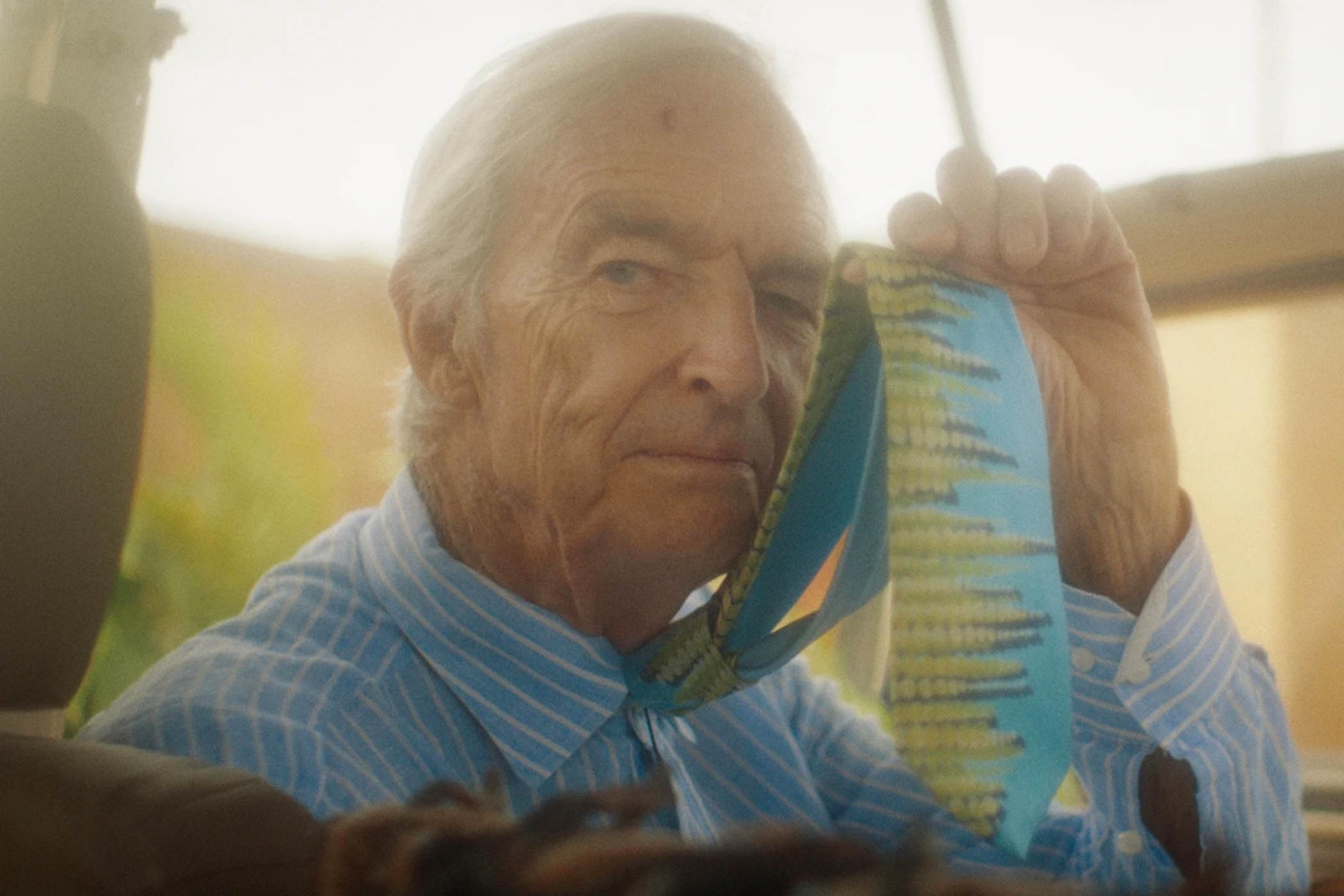
When I was first approached by Nevine Mabro, then commissioning editor at Channel 4, to make a film about Jon Snow and his Alzheimer’s diagnosis, I didn’t want to do it. I had spent 17 years working with Jon, as his on-the-road producer and then his editor, and grew to respect and love him in a way familiar to anyone who works with him.
In my ten years as his editor, I spent most of my life with him. My day would start sometimes with a call with an idea after he had listened to Farming Today, which is on before the Today programme; it would end with his presentation of Channel 4 News.
On foreign assignments he would have everyone up at 7am; he knew, like the cameramen and women, that they were the best hours to film. He was, as one of his previous producers advised me before my first trip, like a great big labrador bounding free from the back of a car when out of the studio; he wanted to go everywhere, talk to everyone. He cared deeply about every story, and everyone he met and interviewed, and that came through on camera. That meant if you worked with him, you bathed in this great caring warmth too. Having had that for 17 years, I didn’t want to see a different, or weaker version of it. I was very wrong.
Jon and I left Channel 4 News at the same time. I set up a documentary production company, but he had a less certain future. He found himself with a blank schedule, after more than 30 years of it being filled by the structure of the working TV news day. To make such a distinct nightly news programme required free thinking, risk-taking, but also the discipline of meetings and deadlines, interviews and filming, writing and then the live studio. In addition to all that, Jon would somehow squeeze in a morning meeting with an aspiring journalist, a lunch with someone he wanted on the programme, or a visit to New Horizon, the homeless centre he used to run.
So leaving the structure of Channel 4 News after so long was difficult, and for a while when I saw Jon after we had left, he was lost and depressed. At first I turned down the idea for a film in which Jon wanted to reveal and discuss his condition. Then Precious, his wife, said to me over lunch, when Jon had popped to the loo: “People have written him off, it’s awful, they infantilise him now.” When he returned and said to me, “I bet you thought I was dead”, I knew I had to do it.
With support and direction from the Alzheimer’s Society and Channel 4, we financed the film. Laura Warner was hired as the director and travelled out to Victoria Falls to spend time with Jon and Precious. Jon revelled in the attention and sparkled on camera, and while he was determined to reveal and discuss his diagnosis, a lifetime on TV also meant he quickly reverted to being a reporter. Despite Laura’s efforts, however, the film had little structure until a tour guide told Jon about a huge toxic mining dam spill. Jon reverted to journalist mode; a notebook was sought, questions asked, and the immortal phrase uttered: “This is the most extraordinary story that nobody knows about and we must do it.”
On Jon’s cue, Laura decided we should investigate the spill, which was from the Sino-Metals Leach copper mine in Chambishi, and barely covered outside Zambia. I was asked to come out and produce Jon again. He found it difficult to remember people he hadn’t known for years, but as far as he was concerned, I was still his editor. When I met Jon in Johannesburg airport, he said: “What are you doing here ? Are we doing a story ? My God I’m alive again!” And we both shed a few tears. We were back on the road.
For about 10 days, alongside the local campaigners who had exposed the story, we filmed the destruction the millions of litres of toxic sludge had wrought across the farmland and houses of the local communities, before pouring into the Kafue River, Zambia’s most important waterway. Jon’s muscle memory as a reporter kicked in; he roamed the rural village that had been washed away, sympathising but also inquiring, humble but also brave with authority. At one stage a village meeting discussing compensation was broken up by heavy-handed police and a near riot ensued. Jon, who had seen this scenario hundreds of times, barely flinched.
He struggled more as the day wore on, his memory becoming addled and confused, and as it got dark he could panic, a condition known as “sundowning”. Questions would be repeated and he would lose the thread of what we were doing. When we got back in the car to return to the hotel, we would spend an hour talking utter nonsense, routines from the past about Arthur Conan Doyle, about snakes, and clouds, about people we knew from the past, about section 4, paragraph 5, subsection 3, all the Goon Show-like buffoonery to which he turned when bored in the newsroom. He kept us all laughing and we loved every minute of being with him, but, as Precious had told me, managing sleep and food was a vital part of his care, as was constant engagement. But for much of the trip I forgot he was at all changed.
Separating from Jon after our last day of filming was difficult, but the story was not over. Our producer, Robert Macqueen, managed to get a leaked copy of a report into the disaster: the millions of tonnes of sludge contained cyanide, arsenic and even uranium. There was 30 times as much as previously thought, and the long-term health effects on the local population could well be catastrophic.
Newsletters
Choose the newsletters you want to receive
View more
For information about how The Observer protects your data, read our Privacy Policy
Jon’s determination that we do the story has made a material difference. A compensation case is now passing through the Zambian courts, the community is at least being listened to, and the film triggered worldwide reporting.
As for Jon, it was a great honour to have been his editor at Channel 4 News, but I learned as much about him in the 10 days in Zambia as I did in 10 years as his boss. Alzheimer’s is a terrible and irreversible condition, but so is shame or embarrassment, or writing someone off. If Jon taught me anything, it is to squeeze the pips out of every day.
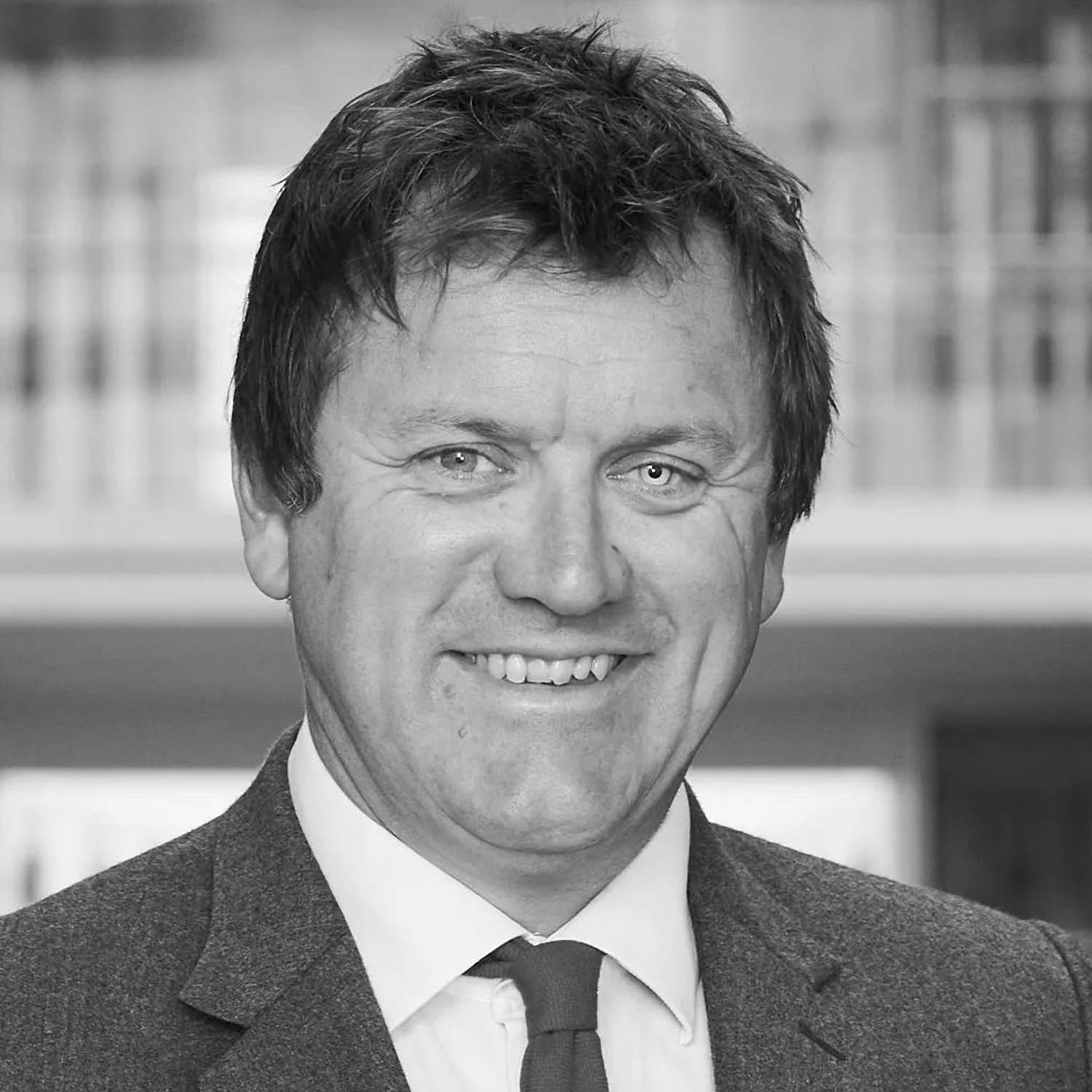
Ben de Pear is the founder and executive producer of Basement Films and the former editor of Channel 4 News. Jon Snow: A Last Big Story, directed by Laura Warner, is screening at Sheffield Doc Fest on 11, 12 and 15 June and at Bertha DocHouse in London on 13 and 14 June. It will be broadcast on Channel 4 on 20 June.
Thank you for reading. Tell us what you think by writing to letters@observer.co.uk
Photograph Channel 4