
You’d have to be living in a cave in the Outer Hebrides not to have heard of OnlyFans, the multibillions-generating British online subscription platform for adult entertainment, AKA pornography of varying levels, from amateurs through to top-tier creators earning millions. It was launched in 2016, and 80% of the models and creators are female.
While OnlyFans creators shouldn’t be judged, the continuing cultural sanitisation of the site, including on television, seems another matter. David E Kelley’s recent Apple TV+ comedy drama, Margo’s Got Money Troubles, starring Elle Fanning as a pregnant college dropout who signs up to OnlyFans, was great viewing in many ways, but it barely scratched the surface of the issues – psychological, safety – of selling sexual content online.
Is this realistic? Is OnlyFans just sex-positive easy money for the cash-strapped entrepreneur – and anyone who raises concerns is a prude and a hysteric – or do we need to keep an eye on the downside?
Amber Haque’s BBC Three documentary OnlyFans: Inside the Machine serves as a corrective. It explores not what happens on the site (that’s obvious), or why it’s happening (to borrow a line: it’s the economy, stupid), but rather the parasitical breed of OnlyFans managers.
These tend to be the kind of manosphere bozos who consider Andrew Tate their patron saint, and openly brag of making fortunes from “their” models. Some feature here, bombarding creators with hard-sell texts, or with voices disguised on phone calls promising to boost earnings for a cut (50% is considered routine, though it can be 70%, on top of the site’s 20%).
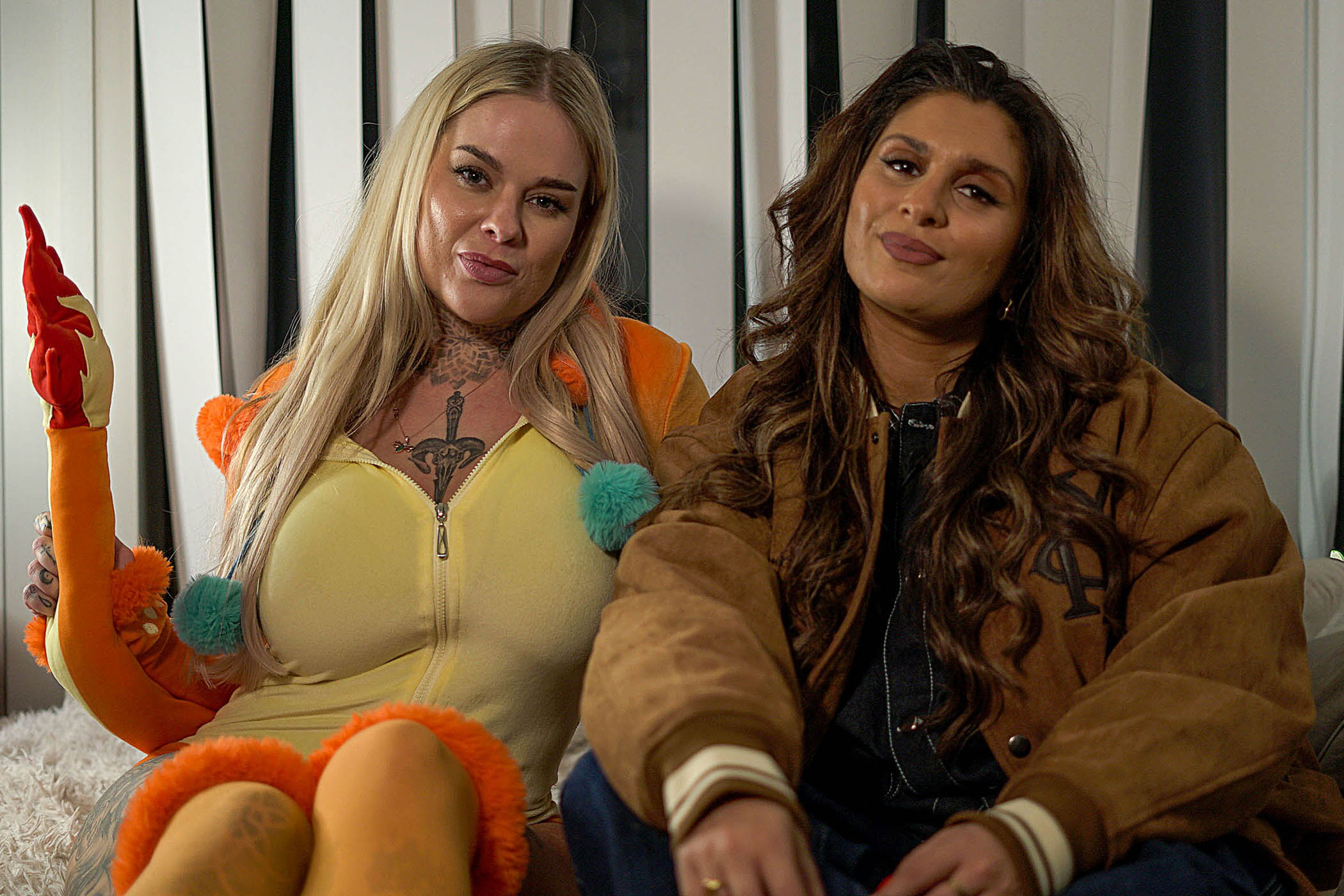
Haque attends a “content day”, where male and female models film a variety of content in different locations. It’s comical at times – a row of male models stand clenching bare buttocks in front of a hedge – and is organised by the only manager who’ll speak to Haque (he takes 30% commission, which, in this context, makes him a socialist prince).
As the documentary reports, the managers’ world gets considerably darker. They force models into high-commission contracts and change passwords or bank details on accounts so that all the money goes to them. There is evidence of forms of human trafficking, with contracts sold online without the creator’s knowledge. Models are pressured into explicit material and sex work. When they refuse, the managers can become threatening and violent; among creators Haque speaks to, one woman describes being beaten and choked.
Online, offline, all this sounds like pimps – now e-pimps – just doing their grotty, exploitative pimp thing. OnlyFans doesn’t have a representative appear in the documentary – with managers being classed as a “third party”, the site seems to absolve itself of responsibility – though there’s a disclaimer at the end, stressing how seriously it takes creator safety.
Haque’s report is uneven, and is mainly hampered by insufficient access to the managers, but for all that, it’s a shrewd, no-nonsense exploration of a murky corner of OnlyFans that doesn’t get nearly enough airtime.
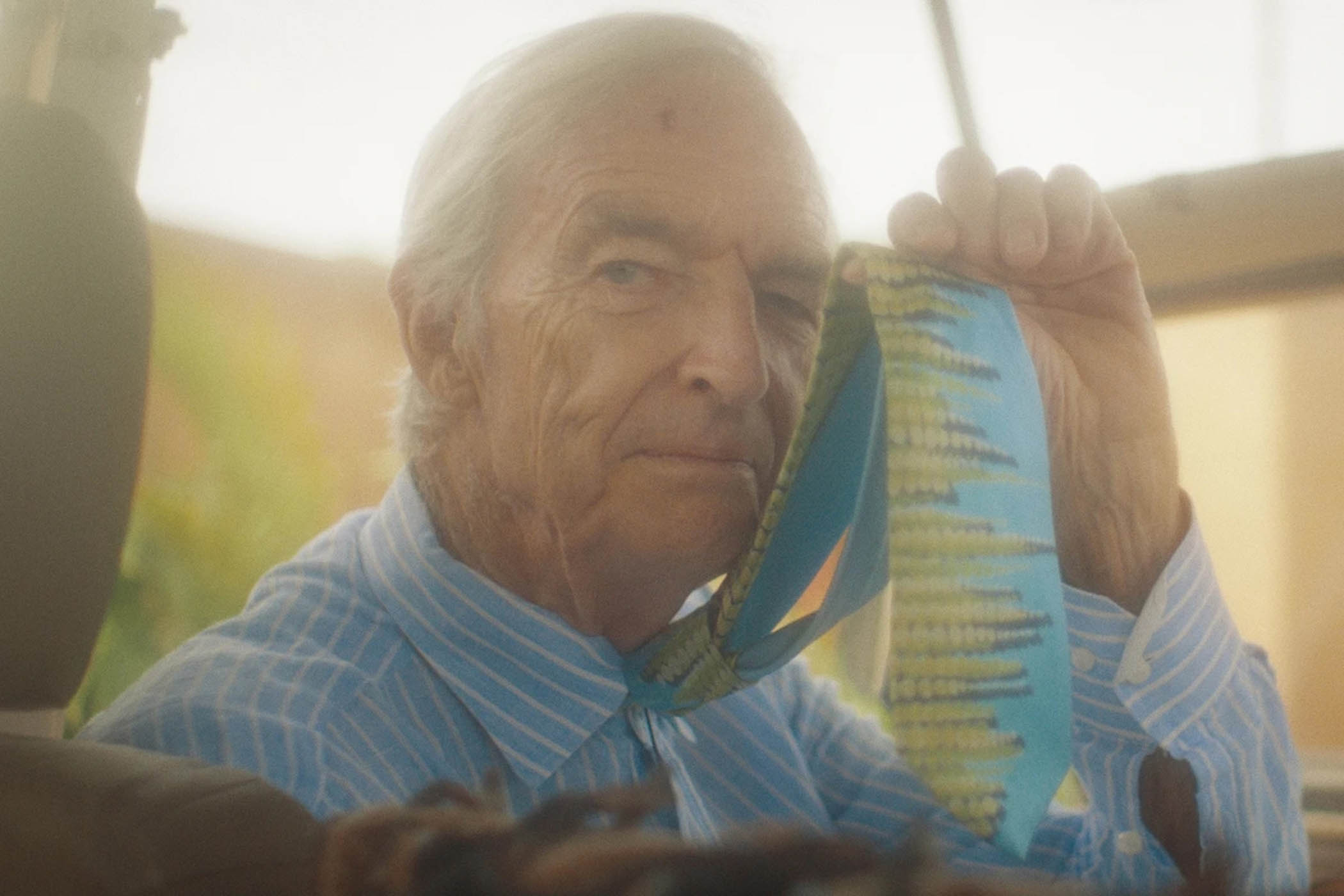
Jon Snow: A Last Big Story
Jon Snow: A Last Big Story turns out to be a documentary within a documentary on Channel 4. The station’s former news presenter investigates an environmental disaster in Zambia, where a dam collapsed at a Chinese-owned copper mine, resulting in millions of litres of toxic waste flooding the Kafue River ecosystem, and a cover-up by officials. Prime territory for the 78-year-old broadcaster, you may think, but there’s another highly emotional layer: Snow has Alzheimer’s disease.
Newsletters
Choose the newsletters you want to receive
View more
For information about how The Observer protects your data, read our Privacy Policy
Often the condition isn’t apparent: Snow, still wearing his trademark snazzy ties, joshes with his friend and former Channel 4 news editor Ben de Pear (who’s making the film, in conjunction with the Alzheimer’s Society) and grasps the despair of the Zambian community affected by the disaster.
At other times, Snow repeatedly asks Zambian interviewees the exact same questions, reacting to their answers with identical shock.
It’s painful and poignant, but nevertheless very clear that it’s what he intends: to illustrate not only the plight of those with Alzheimer’s, but also to assert their value. “Any sort of mental decay, you’re sort of dead,” he comments on the stigma he felt when first diagnosed with his dementia. His neuroscientist wife, Precious Lunga, with whom he has a young son, seems similarly committed to keeping him active as long as possible.
What comes across strongly is that Snow’s compassionate nature remains. It’s also striking how good news titans such as him are at these televised ruminations; I recall Jeremy Paxman’s ruthlessly unsentimental 2022 documentary about his own illness, Paxman: Putting Up With Parkinson’s. It’s as if, whatever happens, the core news instinct remains: report, report, report.
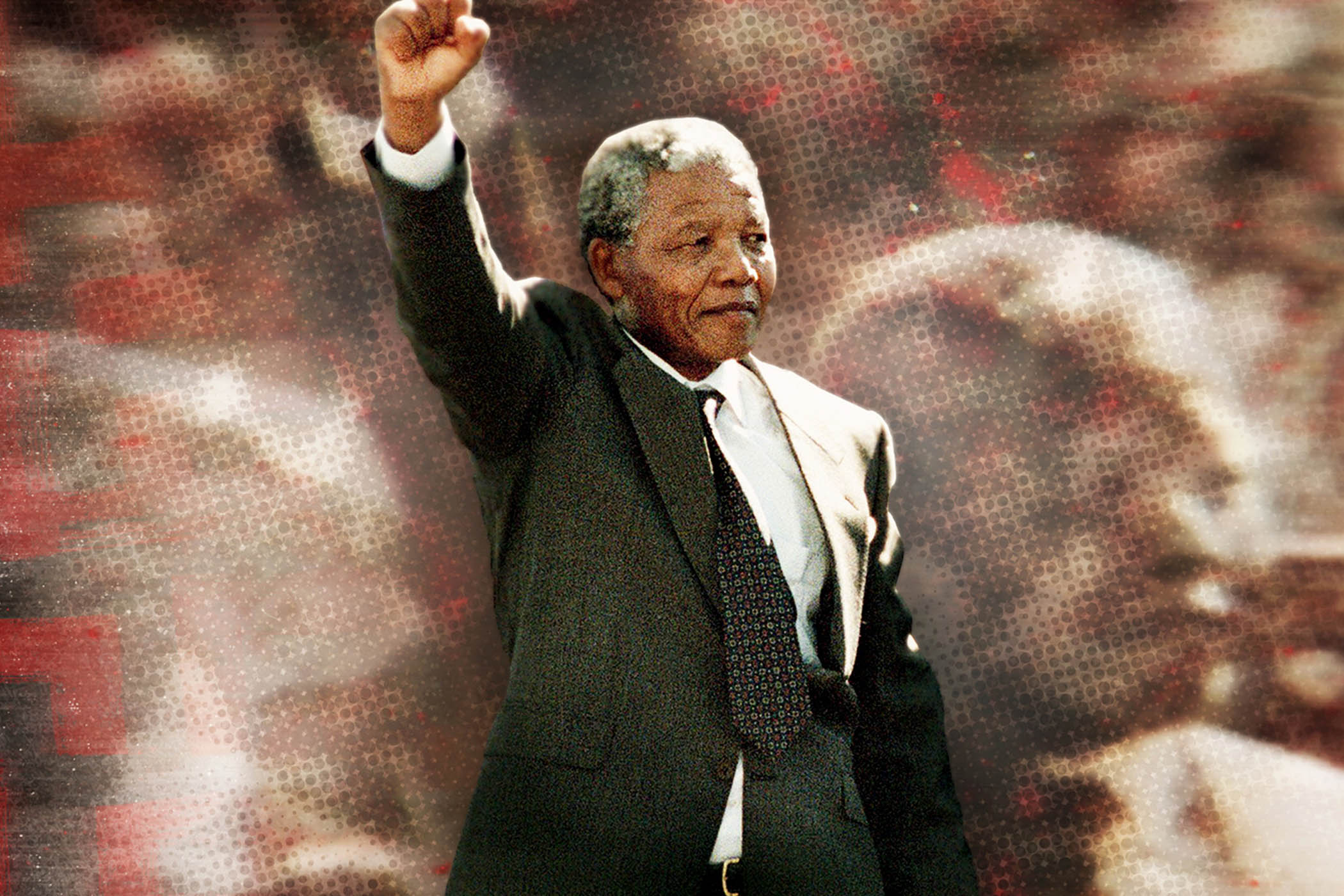
James Rogan’s absorbing three-part docuseries Free Nelson Mandela
Also on Channel 4, there’s James Rogan’s absorbing three-part docuseries Free Nelson Mandela. It’s a study of the late South African president, who died in 2013, from the time he was denounced as a terrorist, fighting for freedom from apartheid and oppression as a member of the African National Congress (ANC), through his 27 years of imprisonment on the brutal Robben Island, to the global campaign that led to his eventual release in 1990.
The racism shown here is unfiltered, with Black South Africans described as “coming down from the trees”. The brutality is similarly shocking: the UN estimates that more than 1,000 peacefully protesting students were killed during the 1976 Soweto uprising. The docuseries also notes how Nelson’s beleaguered then wife, Winnie, became a militant, approving of “necklacing”, where a burning tyre was placed around the necks of regime collaborators.
There’s too much about western musicians who campaigned for Mandela, though they played their part, especially Jerry Dammers, interviewed here, who wrote the Special AKA song Free Nelson Mandela.
The main strengths of the docuseries lie in the astonishing footage and the range of interviewees, including Mandela’s family, friends and fellow ANC activists. Elsewhere, there’s a powerful sense of British-American political intransigence regarding his imprisonment: Margaret Thatcher and Ronald Reagan don’t acquit themselves well.
Mandela himself is a strangely background presence in the programme, but I suppose that’s the point: they tried to keep him there – suppressed, in the dark – but it didn’t work.
Photograph by Natasha Cox/BBC studios, Channel 4, Rogan Productions