


Mike was in hospital when he received a council tax bill for £101.71. It was March 2021 and he had just been in a serious motorcycle accident. He had a collapsed lung, broken ribs, crushed wrist, ruptured spleen and an open fracture in his elbow.
He could not afford the bill while he was on sick pay, then missed a reminder letter. By June, North East Lincolnshire council had come up with a plan. This involved two reduced payments followed by the rest of the year’s bill in advance.
Mike was not able to pay and soon had bailiffs at the door. “The realisation slowly comes upon you,” he said. “If this is the council, there’s nothing you can do to stop it.”
His experience is far from unique. English local authorities made 1.7m bailiff referrals for council tax debt in 2024-25, a 30% increase in two years. The total amount of outstanding arrears is £6.6bn, up from £6bn last year and nearly double what it was before the pandemic.
As the cost of living crisis continues to bite, and hard-pressed local authorities face pressures to recover council tax that is used for key public services, the practice of how debt is collected has come into sharper focus.
The budget will not help much because money raised through the new levy on homes worth more than £2m will not go to councils. But the government has proposed increasing the time before local authorities can request a full bill from taxpayers and wants to help support vulnerable households who are behind on their payments. For thousands of people, these changes could not come soon enough.
“ We have an antiquated system that allows councils to do things that no commercial company would ever be able to do,” said the consumer expert Martin Lewis, speaking to The Observer. “The vast majority go to the absolute maximum of the law.”
Within three weeks of missing a single council tax payment in England, a local authority can require a resident to pay the whole year’s bill. Within six weeks of the first missed payment, they can have bailiffs at the door.
Council tax is considered a priority debt because of the local authority’s power to take enforcement action at speed. “It doesn’t help councils get their money back any more quickly,” said Lewis. “It just catastrophises their constituents’ finances.”
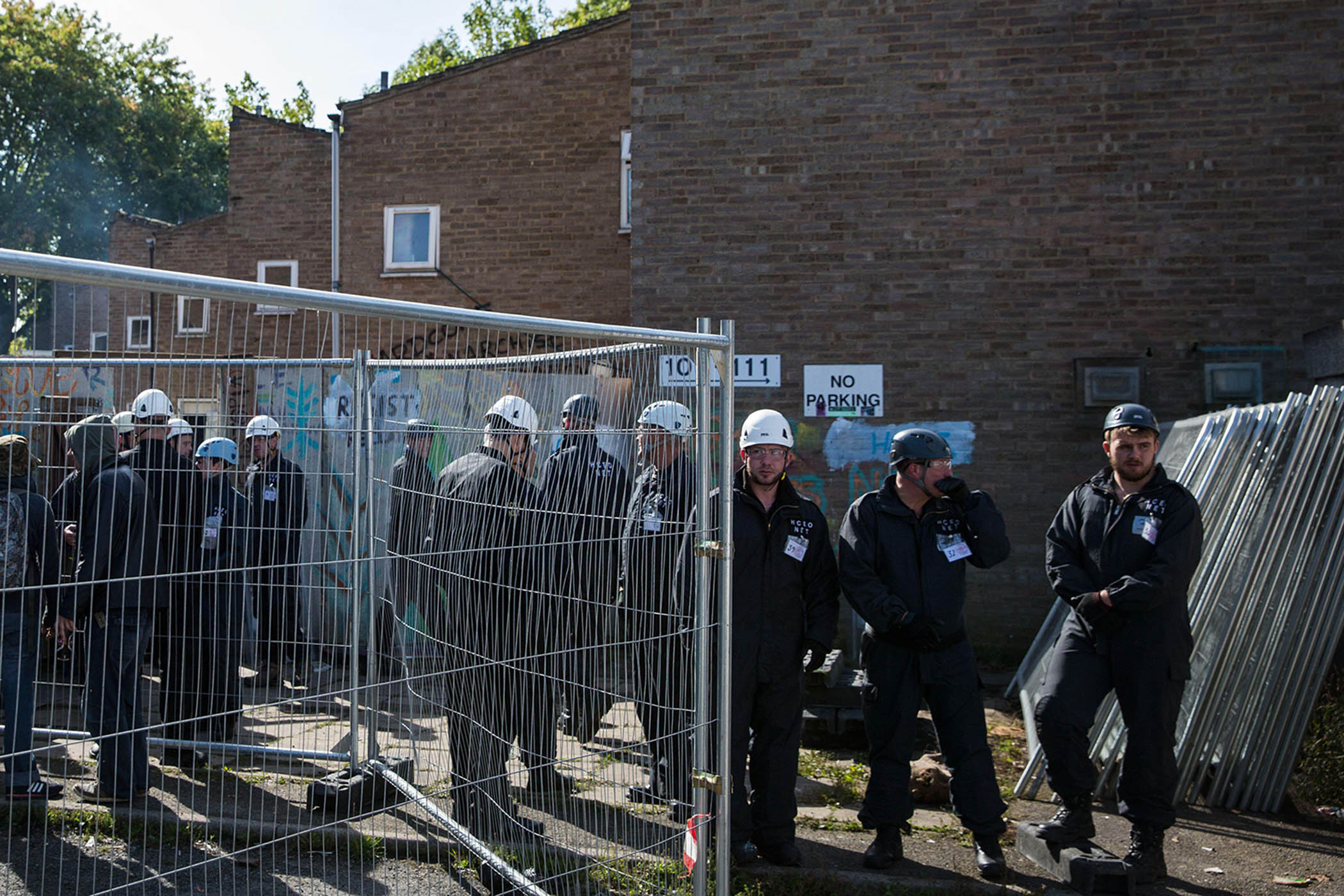
When local authorities refer a council tax debt to bailiffs, the person who owes the money is charged additional fees that can soar. Mike’s £100 bill became £6,000 of debt. He did not have hot water for two years and ate bread with ketchup as a meal so he could feed his young daughter.
Newsletters
Choose the newsletters you want to receive
View more
For information about how The Observer protects your data, read our Privacy Policy
“The bailiffs demand the entire payment in one go,” he said. “I tried to negotiate with them so much, but they would not have it. I said: ‘The only thing I’ve got in my house is things for my daughter. Everything else I’ve had to sell.’”
A spokesperson for North East Lincolnshire council said: “While we cannot comment on individual cases, the council cannot stress enough how people who are facing financial difficulties must seek advice as soon as possible.”
Many local authorities do not have adequate systems to protect people. Research by the Money Advice Trust charity shows that only one in 10 local authorities exempt council tax support recipients from enforcement action. More than half do not have a formal policy for vulnerable residents.
“It's disproportionately likely to be women and single parents that are struggling with council tax arrears,” said Emily Whitford of the debt charity StepChange.
Sharon, from Bristol, is a domestic abuse survivor and single mother who faced council bailiff action last year. It led to her being signed off from work. “ I was totally frozen on the spot,” she said. “I’ve got this 6ft beefy guy shouting at me in the street. I was terrified. It made me feel really small. It took me back to a place where I escaped from.”
The risk for councils is that overzealous action leads to an increased demand for services and, therefore, funding pressures down the line.
“If you’re the one who has local responsibility for that person’s house and wellbeing,” said Lewis, “you cost yourself more in the long run.”
Central government has recently held a consultation on how council tax is administered, but not everyone is willing to wait. Acorn, the community union, has disrupted several council meetings over the past few days to protest against the use of bailiffs.
The union’s demands include reforming council tax. Bands are based on 1991 property values, but the average house price has more than quadrupled. Larger increases in the south-east and London mean people in these regions are paying disproportionately less in council tax than elsewhere.
The freedom that local authorities have to set the band D rate can exacerbate inequalities. Every property in the London borough of Kensington and Chelsea, where the average house price is £1.2m, pays less council tax than properties in Blackpool, where it is £134,000.
This will be somewhat rebalanced by the new property tax announced by the chancellor, Rachel Reeves, last Wednesday. Owners of homes worth more than £2m will face a surcharge of at least £2,500 from 2028, with the highest charge of £7,500 levied on properties whose value exceeds £5m. But that will lower council tax bills for those living in cheaper houses
More than four years after his accident, Mike is still paying off his arrears, a chunk of which is owed to bailiffs. “You lose faith, don’t you?” he said. “Not just in the council but all public services.”
It is a feeling that may also be of concern to local politicians.
“ It’s hard to describe,” he said. “Getting to the point early on in your life where you have everything you want. And then slowly, bit by bit, you just lose it all.”
More from The Observer
Photograph by Mark Kerrison/Alamy