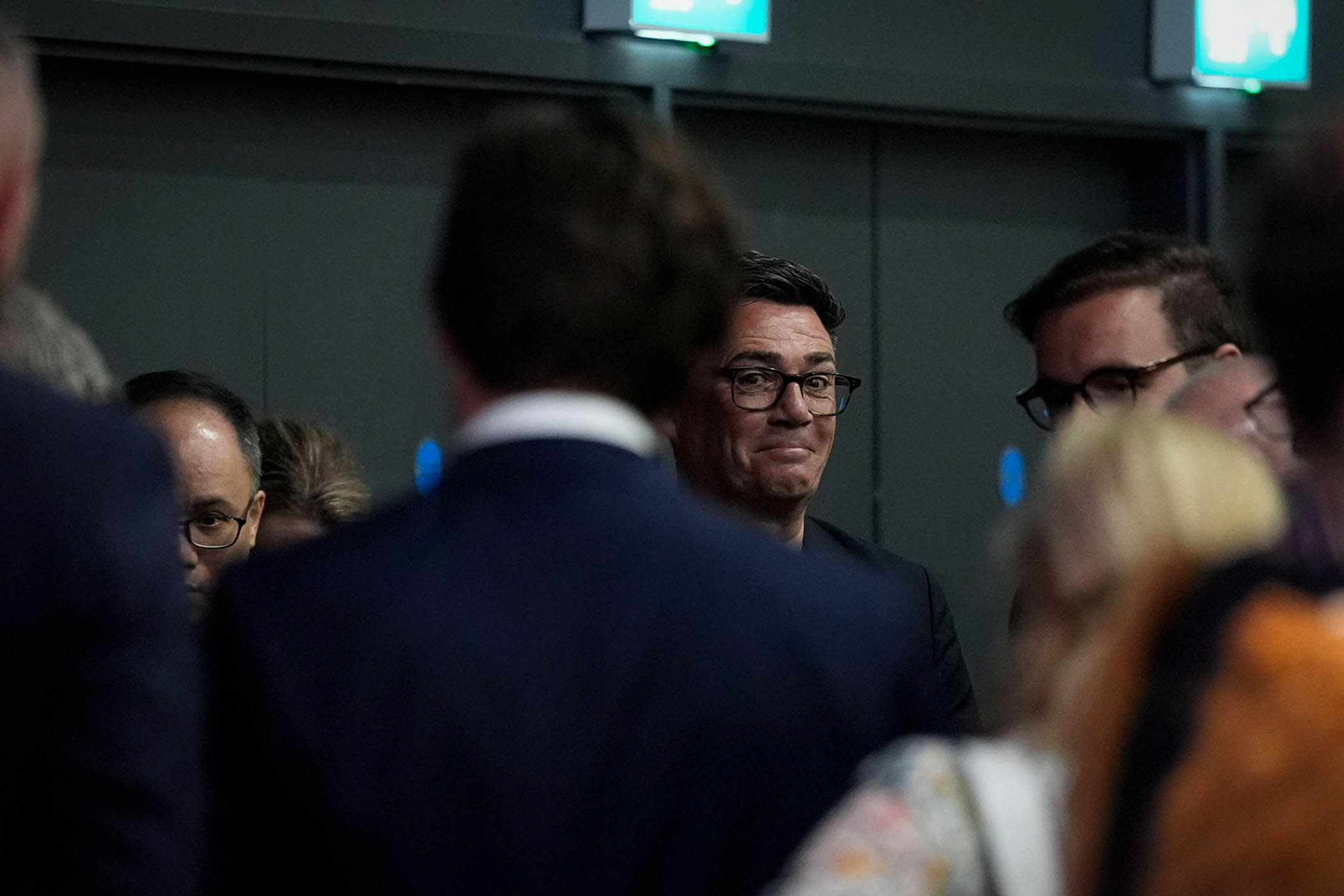


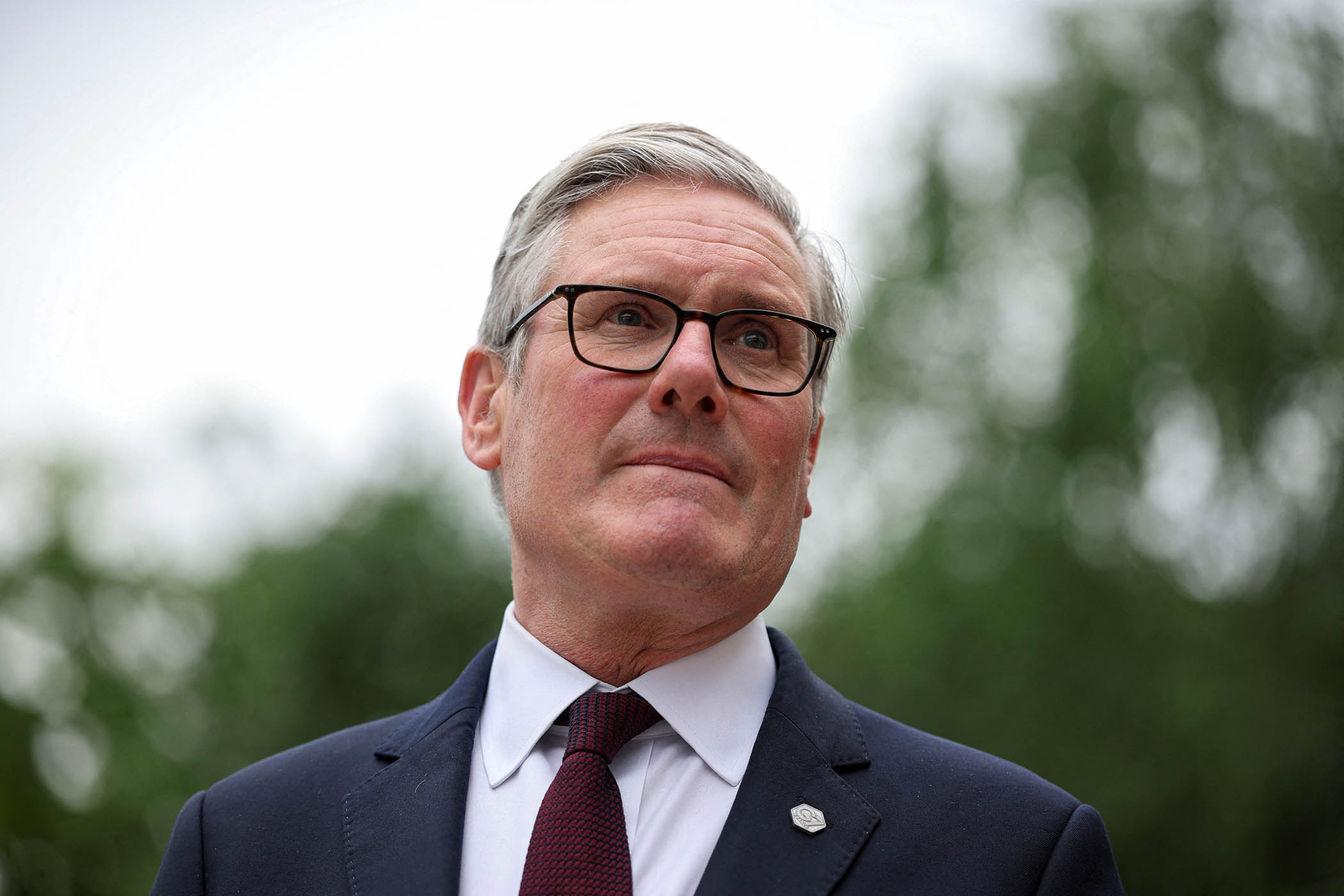
Andy Burnham’s victory in Makerfield was met with a muted response from financial markets, in a sign that investors are adopting a “wait and see” approach before passing judgment on his potential premiership.
The cost of borrowing, as measured by the yield on government bonds – which are known as “gilts” in the UK – is largely determined by the expected path for short-term interest rates set by the Monetary Policy Committee (MPC) at the Bank of England. Those rates, in turn, are heavily determined by the extent of inflationary pressures in the economy.
Burnham’s election triumph comes at the end of a week in which wider economic developments have pushed down government borrowing costs. News of a peace deal in the Middle East led to falling oil prices, as traders adjusted to the expected increase in tanker flows through the Strait of Hormuz.
This was followed by lower than anticipated CPI inflation figures for May (which came in at 2.8%, below the consensus expectation of 3.0%). The MPC then announced on Thursday a decision to hold interest rates at 3.75%, and indicated that they may continue to be held there, rather than being increased several times this year, as previously thought.
All of this contributed to falling gilt yields in the run up to the Makerfield byelection. By the end of Thursday, 10-year yields stood just below 4.8%, down from above 4.9% a week earlier, and highs of close to 5.2% in mid-May. As markets opened on Friday morning, following Burnham’s overnight election to parliament, yields increased by less than 0.1%, to just above 4.8%.
As ever, there is more than just Labour party politics going on: the Office for National Statistics also released surprisingly weak public finance numbers on Friday morning. Public sector net borrowing was £23.3bn in May, overshooting the official forecast by £5.6bn (or more than 30%). Given that a Burnham victory had been widely anticipated and priced in, the Friday morning jump in yields could just as easily be interpreted as a response to the disappointing fiscal news. But it does likely reflect some of the political uncertainty resulting from Burnham’s win.
The UK now faces the prospect of a drawn-out leadership contest. One City analyst suggested that the market might prefer a coronation to an extended contest in which candidates could be tempted to make ever-larger unfunded spending commitments, in an attempt to win over the hearts and minds of the Labour faithful. This political risk and uncertainty is likely to show up in higher yields.
One City analyst suggested the markets might prefer a coronation to an extended contest in which candidates make ever-larger unfunded spending commitments
One City analyst suggested the markets might prefer a coronation to an extended contest in which candidates make ever-larger unfunded spending commitments
There’s also the uncertainty about what a Burnham premiership would mean for government borrowing and economic policy more generally. In the days, weeks and months ahead, bond traders will be closely scrutinising the former Manchester mayor’s public pronouncements and personnel decisions, in search of signs for what a Burnham government might look like. For now at least, there are more questions than answers.
In a sign that the risks of a bond market wobble are being taken seriously, the Financial Times reported this week that Richard Hughes, former chair of the Office for Budget Responsibility, is advising Burnham on fiscal policy. Burnham’s recent commitment to the importance of the fiscal rules is also likely to have calmed nerves and reduced fears that he would embark upon a borrowing splurge upon taking office. Should he launch a leadership contest and/or take office, his choice of chancellor would be of major importance to how his government is perceived.
Just as the Bank of England adopted a “wait and see” approach this week, keeping interest rates on hold until there is compelling reason to do otherwise, markets are likely to take a similar approach to Burnham. What will matter is the concrete policy detail. The fact that gilt yields are lower on Friday morning than at the start of the week is a good reminder that bond markets respond to far more than domestic politics. Wider economic developments are almost always more important.
Newsletters
Choose the newsletters you want to receive
View more
For information about how The Observer protects your data, read our Privacy Policy
Photograph by Peter Byrne / PA Photos