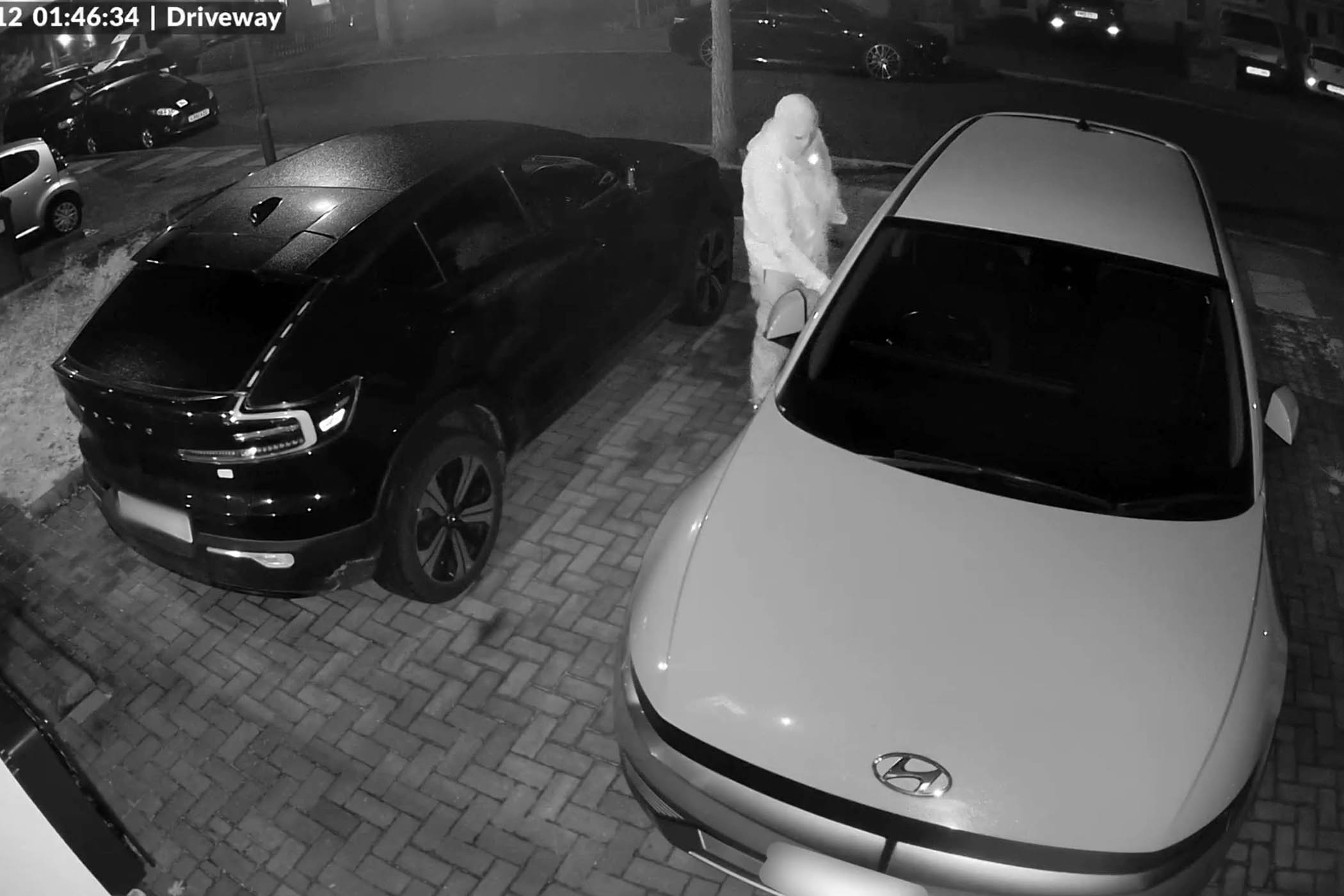



Organised car crime gangs are to be targeted by new laws banning electronic devices that are sold online and can be used to steal vehicles in less than 20 seconds.
The devices, sold online for up to £20,000, can resemble gaming consoles and mimic the signal from a keyless fob to gain almost immediate entry into a vehicle. They have fuelled a 60% increase in vehicle theft over the past decade.
Under the Crime and Policing Act 2026, which has gained royal assent, anyone possessing or distributing the vehicle-hacking devices will face a maximum penalty of five years’ imprisonment and an unlimited fine. Sophisticated electronic devices are estimated to be used in 40% of vehicle thefts.
Keyless ignition systems and smart key fobs that allow owners to unlock their vehicle as they approach offer greater convenience, but also new security loopholes for gangs to exploit. Police report that car thieves are now more likely to be carrying these devices than tools to physically break into a vehicle.
One of the most common methods is a “relay” attack, where software is used to extend the range of the signal emitted by a key, even if it is inside a home. Various devices are sold online to mimic key signals or hack into a vehicle’s computer to program a new electronic key.
An advertisement last week on a Russian website promoted a key emulator for €15,000, which it claimed “records the signal from the car… completely duplicating the native one”. It claims the device, in the case of a gaming console, “allows you to open/close and start the car at any time”.
One of the car models regularly targeted by thieves using emulator devices is the Hyundai Ioniq 5, which is one of the most commonly stolen electric vehicles, according to data published in January 2025.
Hyundai says the use of devices to illegally override smart key locking systems is an industry-wide issue and that vehicles placed in the market from February 2024 have updated hardware and software technology to mitigate the risk.
Elliott Ingram, an expert in digital security, is taking legal action over the theft of his Hyundai Ioniq 5 from outside his London home in February last year. He is filing a claim in the county court against Hyundai Capital UK, which supplied the leased vehicle and is partly owned by Hyundai Motor Company.
Ingram said: “This is about a manufacturer of a vehicle failing to adequately warn its customers about a known security issue with the car.” He said the security vulnerabilities were known as far back as October 2023 and that action should have been taken earlier to remedy the issue.
Newsletters
Choose the newsletters you want to receive
View more
For information about how The Observer protects your data, read our Privacy Policy
The legal claim states: “The defendant knew or ought reasonably to have known that customers such as the claimant were exposed to a materially increased risk of theft requiring communication and appropriate mitigation.” Many Hyundai Ioniq 5 owners now use a steering lock or a vehicle immobiliser to combat car thieves, in addition to the vehicle’s security systems. The Metropolitan police has previously warned that certain Hyundai and Kia models are associated with keyless entry attacks using emulator devices.
Hyundai says on its website that all its vehicles are sold with all applicable regulatory and security standards at the time of production. It says use of unauthorised electronic devices has become more prevalent in the UK.
The firm now offers a subsidised software and hardware upgrade on affected Ioniq 5 vehicles to combat “evolving security threats” at a cost of £49. Ingram said the remedy should have been offered to all affected vehicle owners for free.
Jonathan Hewett, chief executive of Thatcham Research, the automotive risk intelligence organisation, welcomed the new laws to ban electronic devices used to bypass vehicle security systems. He said: “This is a landmark moment. Previously, taking action against individuals caught with these tools was very difficult unless it could be linked to a specific reported crime.”
Home Office officials say the new provisions banning hacking devices will be implemented shortly. A spokesperson said: “This government is cracking down on the brazen car thieves who use new technologies like signal jammers to commit their crimes.”
Hyundai Motor UK said: "Ioniq 5 was sold from launch in 2021 with all the latest security technologies applied. No vehicles were reported stolen using this particular form of keyless theft until late 2023. Hyundai has been actively developing proportionate measures to reduce the risk.
“The subsidised upgrade is intended to address emerging threats and does not imply any deficiency in the original design or quality of the vehicles." A spokesperson said Hyundai had campaigned for measures to limit use of technologies for vehicle crime and welcomed the new laws.
Hyundai Capital UK has been contacted for comment.
Photograph by Elliott Ingram