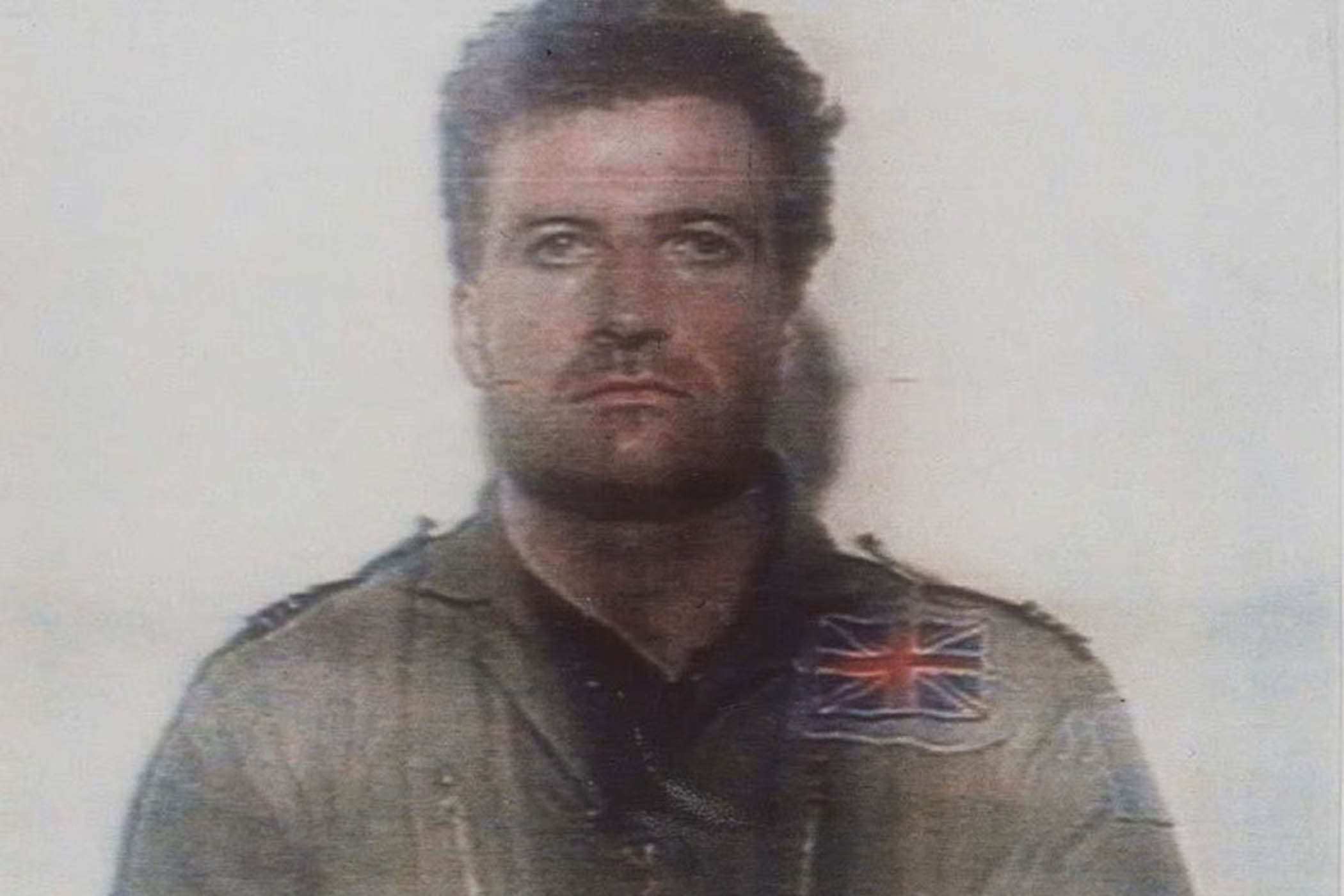



RAF navigator John Nichol was flying back from a failed mission on the first day of the Gulf war in 1991 when a heat-seeking surface-to-air missile hit his Tornado jet in the skies above Iraq.
As the ground reared up towards him, Nichol yanked on a black-and-yellow handle on his ejection seat to escape from the flaming aircraft.
“You’re propelled upwards under 18 times the force of gravity. You accelerate from zero to 200mph in just under a second,” wrote Nichol in an account that was published on his website.
“Suddenly the parachute opens with a crack and there’s only silence. You open your eyes. The desert is rushing up to meet you. You hit the sand and collapse in a heap. In enemy territory.”
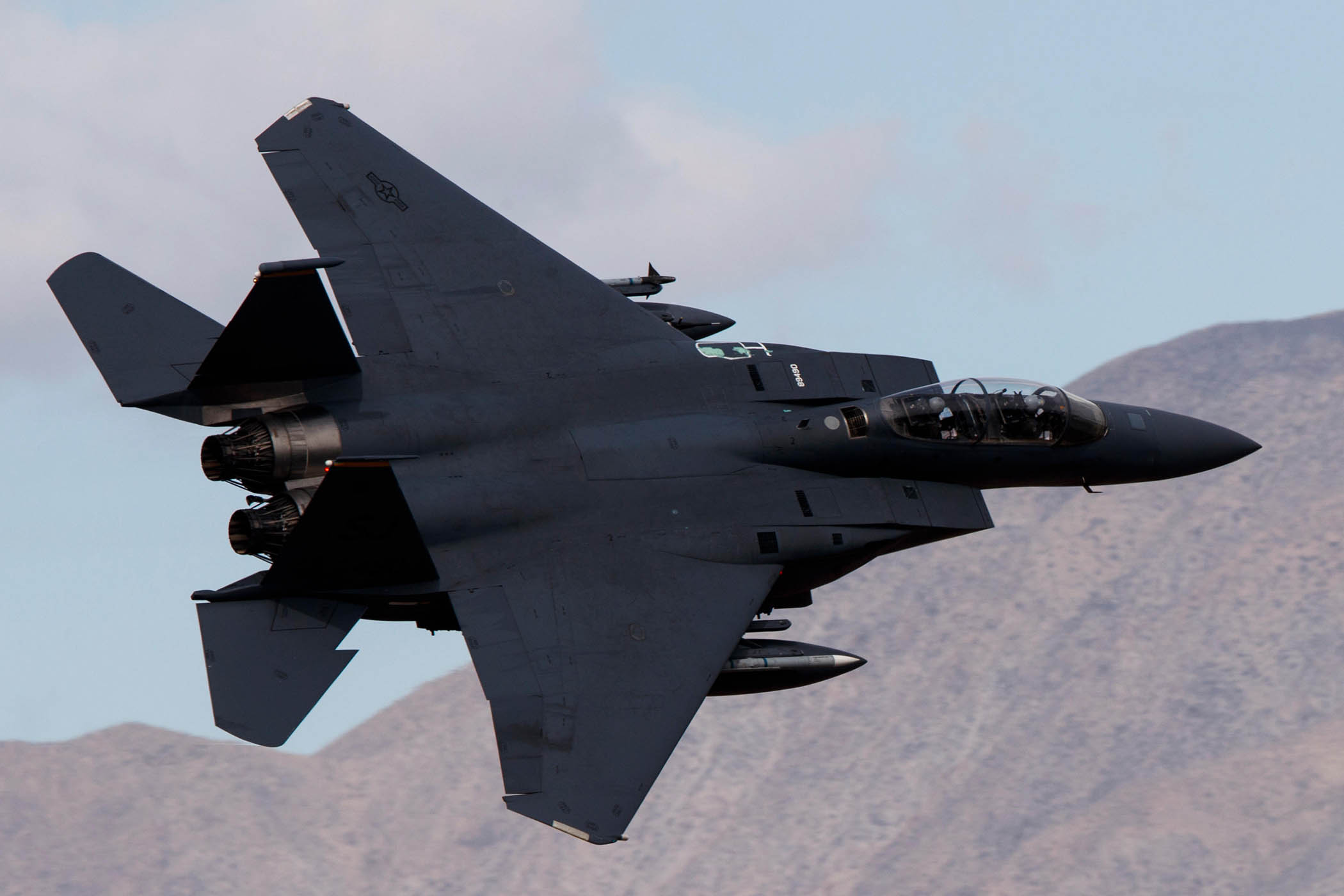
Thirty-five years on, the missing American airman who baled out of an F-15E fighter jet that was shot down over Iran on Friday last week may now find himself in a similar position.
Modern aircraft ejection systems have a survival rate of more than 90% at high altitude. This drops to about 50% for high-speed ejections at less than 150 metres (almost 500ft). Key risks include severe spinal injuries, which occur in between 20% and 30% of cases.
On the way down in his parachute, the airman will have got the best view of the terrain and an opportunity to figure out the lay of the land – and where to go.
If he has survived, he will have to draw on survival, evasion, resistance and escape training undergone by military pilots. Once on the ground, airmen are instructed to find a secure place and remain hidden. Using radios in their kits, they should share their location with US forces, which will try to locate them.
If captured, pilots are prepared to use resistance training to cope with extreme stress, interrogation and possible torture.
Nichol was captured by Iraqi forces within hours. Over the next 47 days, he was beaten, subjected to sleep deprivation and put in stress positions. The ordeal ended, he said, when “a chap in a fancy suit” came into his cell and said he could go home. The war was over.
Newsletters
Choose the newsletters you want to receive
View more
For information about how The Observer protects your data, read our Privacy Policy
While some prisoners of war are freed in rescue missions, most have been released as a result of diplomatic negotiations, repatriation agreements or the conclusion of armed conflicts.
Two American pilots who were captured by Iraqi gunmen after their Apache helicopter was shot down in the first days of the 2003 invasion eventually escaped Iraq after 23 days following a deal between the US government and their captors. After five years in captivity in Afghanistan, US army soldier Bowe Bergdahl, who had wandered off his base in 2009, was released in 2014 in exchange for five Taliban detainees held in Guantánamo Bay. During his election campaign in 2016, Donald Trump criticised the deal, which was reached by the Obama administration.
In Iran, the 1979-81 hostage crisis involved diplomats and civilians rather than military personnel, who were held at the US embassy in Tehran for 444 days.
After a failed rescue mission approved by then US president Jimmy Carter that resulted in the deaths of eight US service personnel, the remaining 52 of the original 66 American hostages were released on the day of Ronald Reagan’s inauguration in January 1981 in return for an estimated $8bn in frozen Iranian assets.